10 Best Museums in Berlin: The Ultimate 2026 Visitor's Guide
Discover the 10 best museums in Berlin, from Museum Island classics to hidden bunkers. Includes 2026 booking tips, Museum Pass advice, and local art secrets.
On this page
10 Best Museums in Berlin
Berlin holds over 170 museums, making it one of the most culturally dense cities in the world. The city balances UNESCO-listed monuments on a Spree River island with gritty contemporary art spaces hidden inside Cold War concrete. Whether you are tracking down ancient Egyptian busts or East German modernism, this 2026 guide cuts through the noise and tells you exactly what to see, what to book in advance, and what passes will save you real money.
Understanding the cultural divide between the former East and West is key to navigating Berlin's museum scene. Many of the state's great collections ended up in East Berlin after 1945, prompting the West to build its own cultural quarter — the Kulturforum — in what is now the Tiergarten district. These two poles, Museum Island in the east and the Kulturforum in the west, anchor the entire scene. Everything else radiates outward from there.
Berlin Museum Pass: Is it Worth the Price?
The Berlin Museum Pass grants entry to over 30 state museums across three consecutive days for around €32. It covers every building on Museum Island plus the major Kulturforum galleries including the Gemäldegalerie and the Neue Nationalgalerie. If you visit at least three of those major sites, the pass pays for itself immediately. A single adult ticket to the Neues Museum already costs €14; two Museum Island museums and you are already ahead.
One thing to know for 2026: the Museumssonntag program — which offered free entry to over 60 museums on the first Sunday of each month — has been suspended due to funding cuts. That free fallback is no longer available, which makes the Museum Pass significantly more valuable than it was even a year ago. Do not assume Sunday visits are cheaper; budget for tickets or buy the pass before you arrive.
The Museum Pass covers over 30 state museums for €32 across three consecutive days. With the Museumssonntag program suspended in 2026, the pass is now the best way to see multiple museums affordably. Buy it online before arrival to skip queues and lock in the rate.
The Museum Pass does not include public transportation. If you plan to move frequently across the city by U-Bahn or S-Bahn, compare it with the Berlin Welcome Card, which bundles unlimited transport with smaller discounts at many museums. For visitors focused purely on the heavy-hitting historical collections, the dedicated Museum Pass is the stronger choice. Always check whether a separate timed-entry reservation is required even when holding a valid pass — especially at the Neues Museum and the Boros Collection. Purchase your pass online at the visitberlin.de portal to avoid queues at central kiosks.
Around Museum Island: The Heart of Berlin Culture
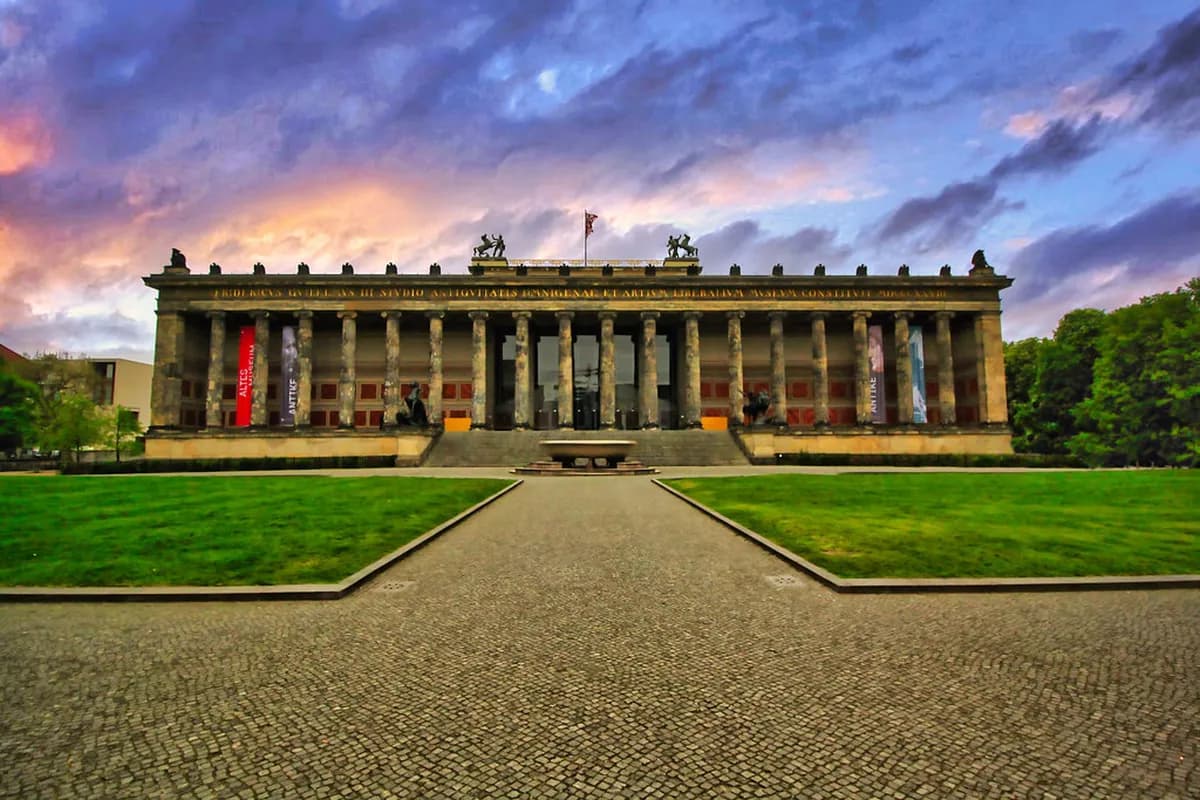
Museum Island is a UNESCO World Heritage ensemble of five museums built on a sliver of land between two arms of the Spree. It represents the peak of 19th-century Prussian cultural ambition, housing collections that range from Egyptian antiquities to French Impressionism. If you are planning 20 Best Things to Do in Berlin: The Ultimate 2026 Travel Guide, this is the essential starting point. The Altes Museum and the Alte Nationalgalerie are particularly striking at sunset, when the limestone facades glow warm against the Berlin sky.
The Neues Museum is the crown jewel for most visitors. Its collection is famous for the bust of Queen Nefertiti, but the building itself — by David Chipperfield, blending preserved 19th-century ruins with new materials — is worth the ticket on its own. Look closely at the staircase walls for bullet holes from the Battle of Berlin. Tickets cost €14 for adults and the museum opens daily from 10:00 to 18:00.
The Pergamon Museum is closed for major renovation until at least 2027. In its place, the Pergamon. Das Panorama offers a 360-degree digital immersion into the ancient city of Pergamon as it looked in AD 129. It sits directly across from the island and costs €12. Book your timed entry directly at the Staatliche Museen zu Berlin portal. Attempting all five Museum Island buildings in a single day will produce museum fatigue rather than genuine engagement — pick two and then walk the surrounding Lustgarten park.
Boros Collection: Contemporary Art in a WWII Bunker
The Boros Collection occupies a massive converted World War II air-raid bunker in Mitte. The walls are two to three metres of solid concrete, and the building has had several past lives: it stored tropical fruit in the immediate postwar years and then became one of Berlin's legendary techno clubs in the 1990s. Today it holds a private contemporary art collection that ranks among the most distinctive viewing experiences in the country.
The booking situation is the single most important practical detail for this museum. Tours sell out months in advance — not weeks, months. You must book a guided slot on the official Boros website before any other museum planning. Tours run Thursday to Sunday, cost around €18 per person, and are capped at small groups to preserve the atmosphere. Photography is strictly forbidden inside, which forces a quality of attention that larger museums cannot replicate.
Boros Collection tours sell out 2–3 months ahead during peak season (May–September). Book your slot the same day you book your flights to Berlin, or plan this visit for winter months when availability is higher.
The thick walls create near-silence inside the bunker, which enhances the sensory impact of each installation. Works are arranged across multiple floors of raw concrete rooms that have never been finished to gallery standards. This is intentional. The rough texture of the space becomes part of the art. If you can only book one unusual experience in Berlin, make it this one — but start the process the day you book your flights.
Gemäldegalerie: The Home of European Old Masters
The Gemäldegalerie sits in the Kulturforum district of West Berlin and holds one of the world's finest collections of European paintings from the 13th to 18th centuries. The name means "picture gallery" and that is precisely what it delivers: room after room of Rembrandt, Vermeer, Caravaggio, Botticelli, and Raphael in a purpose-built modern building with excellent natural light. It lacks the tourism infrastructure and brand recognition of Museum Island, which means crowds are consistently thinner.
Understanding the Kulturforum context matters. After the Wall divided the city in 1961, West Berlin was cut off from Museum Island's great collections. The Kulturforum — a cluster of modernist cultural buildings near the Philharmonie — was the West's answer to that loss. The Gemäldegalerie is the artistic centrepiece of that response. It is historically the superior collection for painting despite the Pergamon's far greater fame. If you have serious interest in Old Master painting and only one morning, come here rather than Museum Island.
Opening hours run Tuesday to Sunday from 10:00 to 18:00. Adult tickets cost €10 to €12 and the Museum Pass is accepted. Head to the central oval hall early for a quiet moment before the guided tour groups arrive. A 3 Days in Berlin Itinerary: The Ultimate Local Guide that skips the Gemäldegalerie in favour of a third Museum Island visit is a common first-timer mistake worth avoiding.
| Museum | Location | Focus | Adult Ticket | Closed Day |
|---|---|---|---|---|
| Neues Museum | Museum Island | Egyptian antiquities, Queen Nefertiti | €14 | None (daily 10–18) |
| Gemäldegalerie | Kulturforum | European Old Masters (13th–18th c.) | €10–12 | Mondays |
| Neue Nationalgalerie | Kulturforum | 20th-century modern & contemporary | €14 | Mondays |
| Pergamon. Das Panorama | Museum Island | 360° digital immersion, ancient Pergamon | €12 | None (daily 10–18) |
| Boros Collection | Mitte (Bunker) | Contemporary art in WWII bunker | €18 (tours) | Mon–Wed (tours Thu–Sun only) |
| Jewish Museum Berlin | Kreuzberg | German-Jewish history, 2,000 years | Free entry | None (daily 10–18) |
Jewish Museum Berlin
The Jewish Museum is the largest Jewish museum in Europe and an architectural landmark in its own right. The zigzag building by Daniel Libeskind uses form as argument: the sharp angles, the disorienting floors, and the deliberate voids throughout the structure are not decoration but meaning. The building forces physical discomfort to mirror the historical content inside. Permanent admission is free; special exhibitions cost around €8.
Allow at least three hours. The permanent exhibition walks through two millennia of German-Jewish history and does not soften what it covers. The Garden of Exile is a tilted field of 49 concrete pillars that produces genuine vertigo. The Holocaust Tower is a bare concrete shaft open only at the top, sealed from the inside. These are not installations to rush past. The museum is open daily from 10:00 to 18:00, and children under 18 enter free for all exhibitions.
Neue Nationalgalerie: Modernist Architecture as Art
The Neue Nationalgalerie is one of Mies van der Rohe's final buildings and a pilgrimage site for anyone serious about 20th-century architecture. The concept is a massive floating steel roof supported by only eight exterior columns, with glass walls below. Mies envisioned a universal space without fixed walls — which turns out to present significant challenges for hanging paintings. Most of the permanent collection of works by Picasso, Kirchner, Munch, and Dali lives in the basement galleries.
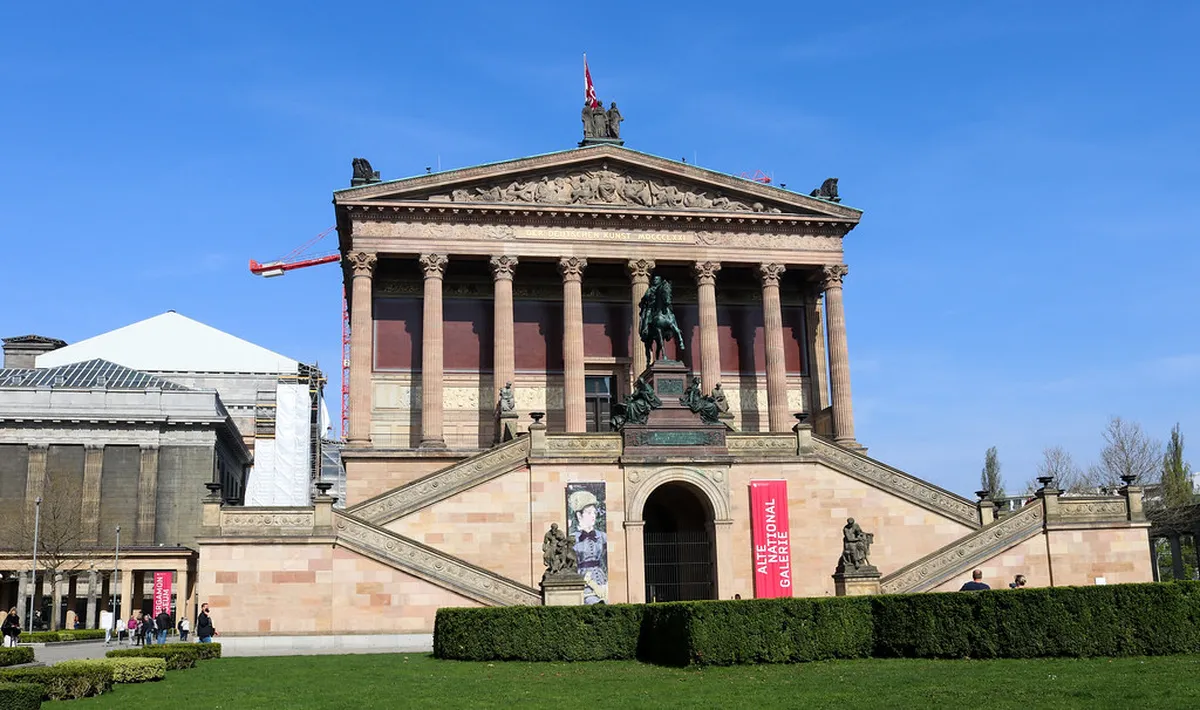
Visit in the late afternoon. The sun moving across the glass facade creates a different space at 16:00 than at 10:00, and the main hall often hosts large-scale temporary installations that use the architectural drama deliberately. Standard entry is €14, and the gallery typically opens from 10:00 to 18:00, with Thursday hours extending to 20:00. The Museum Pass is accepted. Even visitors with no particular interest in the collection will find the building worth the entry price on its own terms.
Gropius Bau: International Contemporary Exhibitions
The Gropius Bau functions as a rotating exhibition hall rather than a museum with a permanent collection. Check the calendar before visiting — there is nothing to see on an off day between shows. When it is active, it regularly draws major international names: past exhibitions have featured Yayoi Kusama, Anish Kapoor, Ai Weiwei, and the landmark David Bowie retrospective. The neo-Renaissance building, heavily damaged in the war and carefully restored, provides a grand atrium that hosts site-specific installations at scale.
Ticket prices vary by exhibition but typically run €10 to €15. The venue opens Wednesday to Monday. The bookshop is genuinely excellent and worth browsing even if you are not seeing the main show. The ground-floor cafe is a quieter option than most central Berlin coffee stops.
East Side Gallery: History in the Open Air
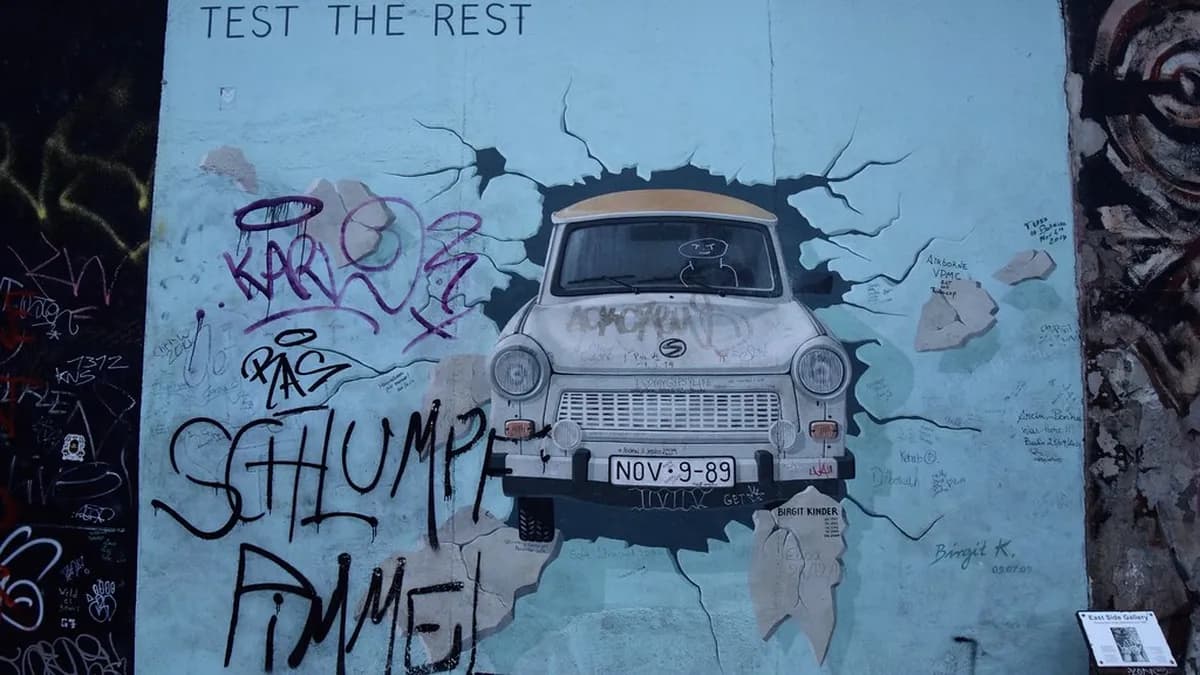
The East Side Gallery is the longest surviving stretch of the Berlin Wall at 1.3 kilometres. After the Wall fell in November 1989 but before German reunification was complete, artists were invited from across the world to paint the eastern face of the concrete sections. What was a symbol of division and violent death became a memorial to hope. The gallery is free and open 24 hours a day, which makes it one of the few Berlin experiences that costs nothing and rewards flexibility in timing.
Come before 09:00 or after 19:00 to avoid the worst of the tour groups. The midday hours, particularly on weekends between May and September, can make it difficult to stop in front of any mural without a crowd. The most photographed work is Dmitri Vrubel's Fraternal Kiss — showing Brezhnev and Honecker in a lip-lock — but spend time with the less famous sections further along the wall where the painting is often more interesting and the crowds thin considerably.
After walking the gallery, continue east along the riverbank and cut through the RAW-Gelände, a former railway repair yard that now hosts street art, independent bars, and weekend markets. This combination — Wall memorial followed by living alternative culture — gives the East Side Gallery much more context than the wall alone provides. It takes about two hours total if you stop properly at the murals.
CFA Contemporary Fine Arts: West Berlin's Art Scene
Contemporary Fine Arts Berlin sits in West Berlin near Savignyplatz, just off the Ku'damm shopping boulevard. It represents one of the leading contemporary art galleries in Europe, showing established international names alongside emerging artists in a polished, dealer-gallery setting. The atmosphere here is distinctly different from the industrial spaces of Mitte and Kreuzberg — CFA is where collectors and curators come, and the programming reflects that audience.
Entry is generally free and opening hours run Tuesday to Saturday from 11:00 to 18:00. The surrounding Charlottenburg neighborhood makes for an excellent afternoon: the gallery, a long lunch at one of the local bistros, and then a walk through the Savignyplatz arcades. This part of West Berlin sees far fewer tourists than Mitte, and its gallery scene — CFA plus several smaller spaces within walking distance — offers a counterpoint to the more famous eastern art world. It is the "high-society" pole of the Berlin art scene versus the rougher aesthetic of the east, and both poles are worth understanding.
Other Berlin Museums: Natural History and Technology
The Museum of Natural History (Museum für Naturkunde) is the single best option for families with children. It holds the world's tallest mounted dinosaur skeleton — a Brachiosaurus nicknamed Oskar — in a main hall that stops most visitors in their tracks the moment they enter. The collection spans over 30 million items ranging from meteorites to the famous Wet Collection wing, where thousands of animal specimens preserved in jars line floor-to-ceiling shelves like something from a Victorian laboratory. Adult tickets are €11 and the museum opens Tuesday to Sunday until 18:00. Check the Natural History Museum's plan your visit page for the current interactive lab schedule before you go.
The German Museum of Technology (Deutsches Technikmuseum) in Kreuzberg is the other major family-friendly option and less crowded than the Natural History Museum. It covers aviation, rail transport, shipping, and paper-making across several interconnected buildings with hundreds of interactive exhibits. The locomotive hall is particularly impressive. Adult tickets are €12 and the museum is closed on Mondays. The outdoor Science Centre Spectrum next door is included in the same ticket and gives younger children hands-on physics experiments to work through.
Both museums sit outside the Museum Island and Kulturforum circuit, so factor in travel time. The Natural History Museum is near Hauptbahnhof (U6 to Naturkundemuseum); the Technology Museum is in Kreuzberg (U1/U3 to Möckernbrücke). Neither is covered by the Museum Pass, so budget separately for them.
Das Minsk in Potsdam: East German Art Outside the City
Das Minsk Kunsthaus in Potsdam is the premier destination for East German modernism and worth the detour. The building was constructed in the 1970s as one of the most prestigious restaurants in the GDR, and the restored interior — wide terraces, open-plan floors — still carries that ambition. The collection focuses exclusively on art created in the German Democratic Republic, which occupies a genuinely distinctive position in 20th-century art history and receives far less attention than it deserves.
Getting here requires a C-Zone train ticket on the S-Bahn, which costs more than the standard Berlin AB zone fare. The S7 runs directly to Potsdam Hauptbahnhof roughly every ten minutes from central Berlin; the journey takes about 35 minutes. Once in Potsdam, combine Das Minsk with the UNESCO-listed Sanssouci Park or the Cecilienhof Palace in the New Garden — this makes the C-Zone ticket worthwhile as a full-day trip rather than a dedicated museum visit. Das Minsk is usually closed on Tuesdays and tickets cost approximately €10 to €15.
Frequently Asked Questions
Which Berlin museums are free on Sundays?
Museum Sunday (Museumssonntag) occurs on the first Sunday of every month, offering free entry to over 60 museums. You must book a free time slot online in advance as they disappear weeks ahead of time.
Is the Museum Pass Berlin worth it for 3 days?
Yes, the pass is worth it if you plan to visit at least three major state museums. It costs around €32 and provides a significant discount compared to buying individual tickets for Museum Island sites.
Do I need to book Berlin museums in advance?
For popular sites like the Neues Museum or Boros Collection, booking in advance is essential. Many museums now use mandatory timed-entry slots to manage 2026 crowd levels and ensure a better visitor experience.
Berlin's museum scene rewards planning. Book the Boros Collection the same day you book your flights, secure timed entries for Museum Island online, and buy the Museum Pass before you land. The gap between Museum Island in the east and the Kulturforum in the west is not just geographic — it reflects a divided city that produced two parallel cultural worlds worth exploring on their own terms. The best Berlin museum visits are the ones that move between those two worlds deliberately, with a few hours at the East Side Gallery and a detour to Potsdam to round out the picture.
You might also like

Continue reading
More guides you'll find useful