10 Best Hotels and Neighborhoods in Berlin: A Local Guide (2026)
Discover the 10 best hotels in Berlin, from luxury icons in Mitte to boutique gems in Friedrichshain. Includes neighborhood guides and local booking tips.
On this page
10 Best Hotels and Neighborhoods in Berlin: A Local Guide (2026)
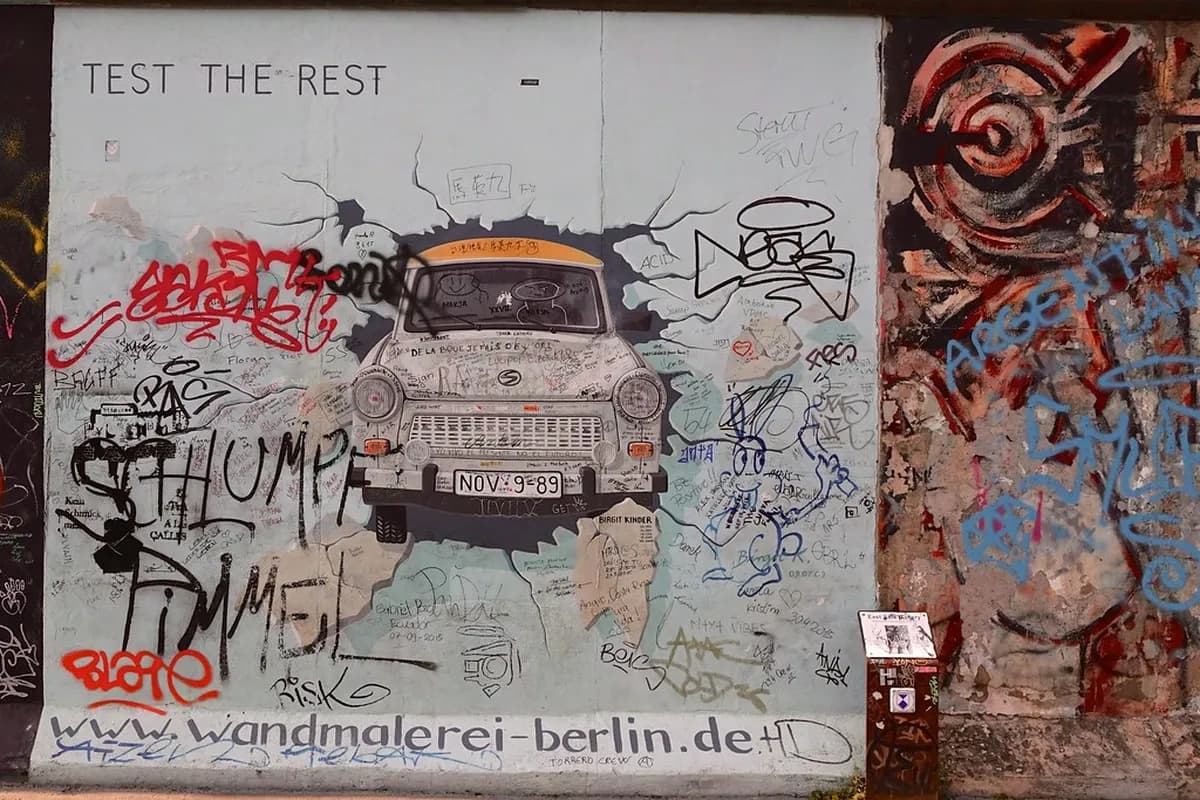
Berlin's hotel scene has undergone a quiet revolution over the last decade. Former public bathhouses, courtrooms, and post offices have become some of the most distinctive places to sleep in Europe. Our editors have stayed across multiple neighborhoods to compile this guide, last refreshed in 2026 with current pricing and booking notes. Whether you want a front-row seat to the Brandenburg Gate or a creative crash pad next to the East Side Gallery, the city delivers both.
The right hotel depends entirely on which version of Berlin you want to experience. This guide covers the best boutique properties, the top luxury addresses, and the neighborhoods where each one sits. Before you book, consider the Best Time to Visit Berlin: Seasonal & Monthly Guide to match seasonal events with your hotel choice.
Berlin: Diese besonderen Hotels heißen Sie willkommen
No two Berlin hotels feel alike. The city's turbulent 20th-century history means that its buildings have been repurposed at a rate few other capitals can match. You can sleep in a former women's prison in Charlottenburg, a restored 1902 bathhouse in Prenzlauer Berg, or a Cold War-era embassy building overlooking the Tiergarten. This architectural variety is the city's greatest hospitality advantage.
The table below shows our shortlist at a glance, grouped by the experience they offer, not just by star rating. Use it as a quick-reference before reading the detailed section breakdowns further down.
- Hotel Adlon Kempinski (Mitte) — timeless five-star luxury, from €355/night
- Gorki Apartments (Mitte) — residential-style serviced apartments, from €220/night
- Hotel Oderberger (Prenzlauer Berg) — historic bathhouse boutique, from €180/night
- Michelberger Hotel (Friedrichshain) — creative hub near East Side Gallery, from €140/night
- Orania.Berlin (Kreuzberg) — culturally-led elegance, from €250/night
- SO/ Berlin Das Stue (Tiergarten) — design hotel in a former embassy, from €343/night
- Wilmina (Charlottenburg) — converted women's prison, from €200/night
- 25hours Hotel Bikini Berlin (Charlottenburg) — playful concept hotel, from €160/night
- Hotel Zoo Berlin (Charlottenburg) — glamorous Kurfürstendamm icon, from €200/night
- Schlosshotel Berlin by Patrick Hellmann (Grunewald) — forest mansion retreat, from €300/night
Prices shown are indicative rates for a standard double in shoulder season. Berlin remains more affordable than London or Paris at equivalent quality levels, though rates at top addresses double or more during the Berlinale in February or the Berlin Marathon weekend in September.
| Hotel | Neighborhood | Price/Night | Style |
|---|---|---|---|
| Hotel Adlon Kempinski | Mitte | €355–700 | Timeless luxury, Brandenburg Gate views |
| Gorki Apartments | Mitte | €220 | Serviced residential apartments |
| Hotel Oderberger | Prenzlauer Berg | €180 | Historic bathhouse with vaulted pool |
| Michelberger Hotel | Friedrichshain | €140 | Creative hub, East Side Gallery proximity |
| Orania.Berlin | Kreuzberg | €250–500 | Elegant with live jazz, fine dining |
| SO/ Berlin Das Stue | Tiergarten | €343 | Former embassy, design-forward, zoo views |
| Wilmina | Charlottenburg | €200 | Converted women's prison, rooftop gardens |
| Hotel Zoo Berlin | Charlottenburg | €200 | Glamorous Ku'damm icon, rooftop terrace |
Was sind die schönsten Gegenden in Berlin?
Berlin is a federation of very different villages stitched together inside a ring railway. Each district has its own architectural DNA, its own crowd, and its own pace. The Cold War division still shapes the feel of the city: the West tends toward grand boulevards and upscale commerce, the East toward industrial spaces converted into creative hubs. Your choice of neighborhood determines which version of Berlin you wake up in every morning.
Mitte is the tourist default and the correct choice for first-time visitors with limited time. Museum Island, the Brandenburg Gate, Checkpoint Charlie, and the Reichstag are all within walking distance of each other here. The atmosphere is commercial and busy, but the infrastructure for visitors — transit connections, restaurants, tourist services — is unmatched. The official tourism board offers updated event calendars to help coordinate your visit timing. The drawback is that it lacks neighborhood soul.
Prenzlauer Berg is the best choice for families and anyone who wants a residential feel. The area around Kollwitzplatz has handsome restored Altbau buildings, a Saturday farmers market, and a density of independent cafes. It is genuinely pleasant to simply walk around, something that cannot be said about Mitte. Transit connections to the rest of the city are strong via the U2 and U8 lines. Check our where to stay in Berlin guide for a deeper neighborhood breakdown.
Charlottenburg offers the upscale West Berlin experience: elegant avenues, the Kurfürstendamm shopping boulevard, the ruins of the Kaiser-Wilhelm-Gedächtniskirche, and the Berlin Zoo. It is quieter than Mitte and more refined than the East. Friedrichshain sits at the opposite pole — raw, creative, and nightlife-heavy, with Berghain and the RAW Gelände venue complex defining its identity. Kreuzberg and Neukölln sit in between: multicultural, politically animated, and increasingly expensive but still offering genuine edge and excellent food. Stay in Kreuzberg if you want to be near the action without fully committing to Friedrichshain's party atmosphere.
The Best Boutique Hotels in Berlin, Germany
Berlin's boutique hotel scene is among the strongest in Europe, driven by a surplus of architecturally interesting buildings and a culture that values design over brand recognition. The properties below are all independently operated or part of small groups. None of them are interchangeable with a generic chain.
Hotel Oderberger in Prenzlauer Berg is the clearest case study. The building opened in 1902 as a public bathhouse, designed by Ludwig Hoffmann — the same architect behind the Pergamon Museum extension. The original vaulted pool still functions as an indoor pool for guests, set under stone arches and dramatic high windows. Standard rooms cost from €180 per night and the hotel has 70 rooms total. The pool schedule is posted on arrival; book an early slot in summer before it fills.
Michelberger Hotel near the East Side Gallery in Friedrichshain has become a genuine institution. The rooms are individually designed — some compact, some sprawling — and the ground-floor bar and courtyard attract locals as much as guests. Prices start around €140 per night. Ask for a courtyard room if you want to be part of the social energy without being kept awake by it. The address is Warschauer Str. 39–40, a five-minute walk from Warschauer Straße S-Bahn/U-Bahn station.
Orania.Berlin in Kreuzberg threads a difficult needle: it is genuinely elegant — a grand piano, live jazz most evenings, serious food at the restaurant — while sitting in a neighborhood that is anything but. That contrast is precisely the point. Room rates run from €250 to €500 per night. The signature X-Berg Duck on the menu requires advance ordering on busy weekends. Wilmina in Charlottenburg (Kantstraße 79) is another standout: the conversion of a former women's prison has produced a hotel with secret gardens, a rooftop terrace, and a calm that is almost monastic. Rates start at €200 per night.
Where to Stay: Best Luxury Hotels in Berlin
Berlin's luxury tier is anchored by a handful of grand legacy addresses and a newer wave of design-forward five-star hotels. The city is still cheaper than comparable properties in London or Paris — a genuine five-star experience here costs roughly what a four-star delivers in those markets.
Hotel Adlon Kempinski on Unter den Linden 77 remains the definitive Berlin luxury address. The original hotel hosted Kaiser Wilhelm II and Marlene Dietrich; the rebuilt version that reopened in 1997 after the Wall fell maintains the same formality. A standard room with a gate view costs €355–€700 per night. The Michelin-starred Lorenz Adlon Esszimmer on the second floor requires reservations weeks in advance. The hotel's location directly facing the Brandenburg Gate is not matched by any other property in the city.
SO/ Berlin Das Stue (Drakestraße 1, Tiergarten) occupies a former Danish embassy in the diplomatic quarter. The Viktor & Rolf-designed staff uniforms set the visual tone: everything here is considered. The pool overlooks the Berlin Zoo, and the restaurant Cinco holds a Michelin star. Rates run from €343 per night. It is quieter than Mitte properties, which suits guests who want quality without foot-traffic noise.
Hotel Zoo Berlin on Kurfürstendamm 25 draws on a different kind of glamour: Grace Kelly and Sophia Loren stayed here in the 1960s. The rooftop terrace opens in warmer months for drinks over the western skyline. Rates from €200 per night make it one of the better-value luxury propositions on this list. The Schlosshotel Berlin by Patrick Hellmann in Grunewald (Brahmsstraße 10) is the correct choice if you want genuine seclusion: a 19th-century manor surrounded by forest, with Karl Lagerfeld-designed interiors and a private shuttle to the city center. Rates from €300 per night.
The Hotel Adlon Kempinski's location directly facing the Brandenburg Gate means rooms on the park side command premium rates and book months in advance. Request a gate-view room explicitly during booking — standard rooms facing the courtyard are €300–400 cheaper but lack the iconic vista.
Charlottenburg vs. Mitte: Choosing Your Base
This is the most common decision Berlin first-timers face, and it is worth resolving clearly. Mitte wins on proximity to major sights: if you are doing a two- or three-day highlights trip, the Adlon or Gorki Apartments put you inside walking distance of everything that matters historically. The trade-off is that Mitte has almost no local residential character — the cafes and restaurants are tourist-facing and priced accordingly.
Charlottenburg wins on atmosphere and shopping. The Kurfürstendamm boulevard, KaDeWe department store, the Zoologischer Garten, and the cluster of design hotels like Wilmina, 25hours Bikini, and Hotel Zoo give the West a coherent identity that Mitte lacks. It is also noticeably quieter on weekend evenings. The U2 line connects Charlottenburg to Mitte in under 15 minutes, so the sightseeing access trade-off is minimal.
The practical dividing line: choose Mitte if this is your first visit and you have under four days. Choose Charlottenburg if you have been before, value calm mornings, or plan to spend significant time shopping along the Ku'damm. Both neighborhoods are well-represented by the hotels on this list.
What Berlin Hotels Don't Always Tell You
One practical detail that no Berlin travel guide seems to cover is the Sonntagsruhe — Sunday quiet hours. Berlin's residential noise ordinance runs from 22:00 to 06:00 on weeknights and all day Sunday in most districts. This is actively enforced in residential neighborhoods like Prenzlauer Berg and parts of Kreuzberg. Boutique hotels in Altbau buildings are acoustically thin, so a room facing a courtyard rather than the street genuinely matters if you are a light sleeper.
A second issue specific to the older East Berlin building stock: many Altbau apartments converted into hotels lack lifts, or have lifts too narrow for a large suitcase. This is particularly relevant in Prenzlauer Berg and Friedrichshain. If you are traveling with family or have mobility considerations, always call ahead to confirm elevator dimensions before booking a property in a pre-war building. Hotels like the Michelberger (purpose-built as a hotel) and the SO/ Das Stue (former embassy) have modern infrastructure and are exempt from this problem.
Berlin is also still more cash-reliant than Western European peers. Major hotels accept all cards, but small cafes within walking distance of boutique properties in Neukölln and Kreuzberg are frequently cash-only. Keep €30–50 in coins and small notes. Public toilets near major sights charge €0.50–€1.00 and rarely accept cards. For transport, the BVG app (iOS and Android) handles all zones and validates digitally, removing the need for paper ticket machines entirely.
Sonntagsruhe (Sunday quiet hours) is actively enforced between 22:00 and 06:00 weeknights, and all day Sunday in residential neighborhoods. Boutique hotels in pre-war Altbau buildings are acoustically thin — avoid courtyard-facing rooms on Saturday nights if you are noise-sensitive, and request a street-facing room for better sound isolation instead.
Berlin Planning Cheatsheet
Berlin Brandenburg Airport (BER) opened in 2020 after years of delays. The Airport Express (FEX) train runs to Ostbahnhof, Südkreuz, and Potsdamer Platz in around 30 minutes, costing €3.80 with a standard AB+C zone ticket. Taxis from BER to Mitte cost €40–€55 depending on traffic. See our Berlin public transport guide for full zone and fare details. Most hotels permit luggage storage from early morning regardless of check-in time.
The city's transit divides into Zones A, B, and C. Virtually every hotel on this list sits in Zone A or B. A 7-day AB ticket costs €36.00 in 2026, making it the best-value option for stays of four days or longer. Warschauer Straße is the key interchange for reaching Friedrichshain hotels from the airport or from western neighborhoods — it connects the S-Bahn, U-Bahn, and tram networks in one station.
Major events that push hotel prices sharply: the Berlinale (February), Berlin Marathon (September), and Berlin Fashion Week (January and July). Book at least three months ahead for any of those weekends. The shoulder season — October through November and March through April — offers the best combination of price and manageable crowds. Summer is busy but lively, with outdoor pools, open-air cinemas, and beer gardens adding to what the hotels themselves offer.
Combine this with our ultimate Berlin guide for a complete trip plan.
Frequently Asked Questions
Which Berlin neighborhoods are best for first-time visitors?
Mitte is the best choice for first-time visitors because it is within walking distance of Museum Island and the Brandenburg Gate. It offers the most convenient access to major transport lines and tourist infrastructure. Stay here to maximize your sightseeing time.
What is the average price for a luxury hotel in Berlin?
A high-end luxury hotel in Berlin typically costs between €300 and €600 per night for a standard room. Prices can double during major events like the Berlin Marathon or the Berlinale film festival. Always book at least three months in advance for the best rates.
Is it better to stay in East or West Berlin?
Stay in West Berlin (Charlottenburg) for upscale shopping, grand architecture, and a quieter, more polished atmosphere. Choose East Berlin (Friedrichshain or Kreuzberg) if you want to be near the best nightlife, street art, and alternative culture. Both sides are well-connected by train.
Berlin's hotel landscape offers something for every type of traveler, from the luxury seeker to the creative soul. By choosing a hotel that matches your neighborhood preference, you ensure a much more authentic experience. Don't forget to browse our 23 Best Restaurants in Berlin: The Ultimate 2026 Foodie Guide guide to find great meals near your stay.
Whether you choose the historic Adlon or the creative Michelberger, the city's energy will surely captivate you. Safe travels and enjoy your stay in one of the most vibrant capitals in the world.
You might also like

Continue reading
More guides you'll find useful