22 Best Things To Do In Nuremberg (2026)
Discover the best things to do in Nuremberg, from the Imperial Castle to WWII history. Includes local tips on the Nuremberg Card and hidden gems.
On this page
22 Best Things To Do In Nuremberg
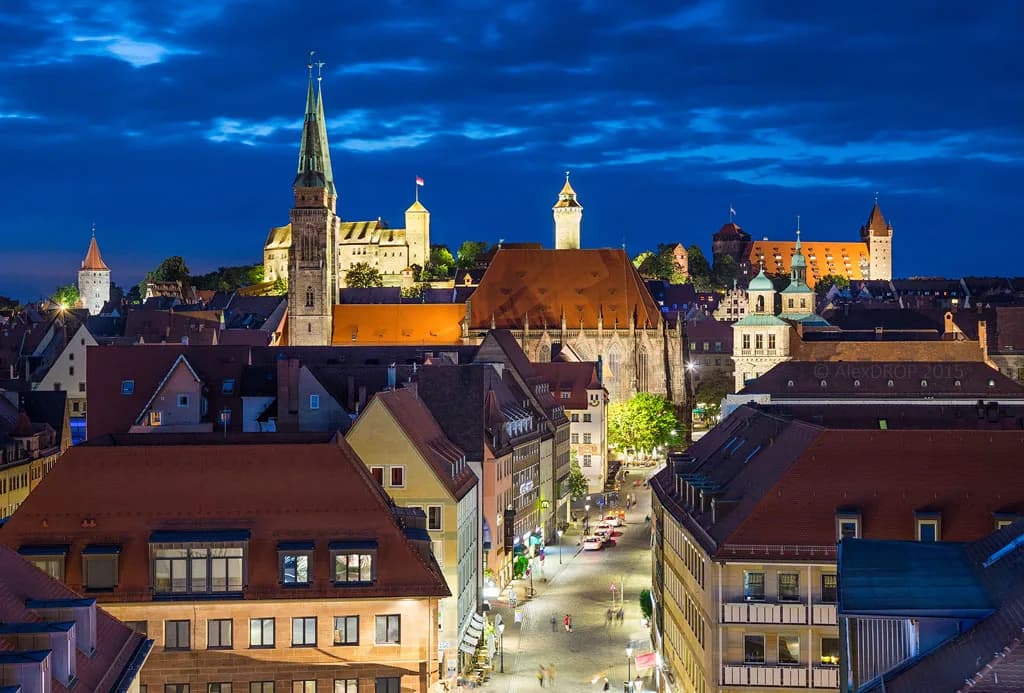
After exploring Nuremberg's cobblestone streets multiple times, I have seen how this city balances medieval charm with heavy history. It is the second-largest city in Bavaria and offers a much different vibe than Munich. This guide, refreshed for January 2026, highlights the essential stops and a few local secrets I've discovered.
Nuremberg served as the unofficial capital of the Holy Roman Empire and later became a center for the Third Reich. Visitors today can walk between half-timbered houses and massive stone walls that survived centuries of change. Whether you are here for the world-famous Christmas market or the sobering WWII memorials, there is plenty to see.
I have organized this list into thematic clusters to help you plan your route through the Altstadt and beyond. We will cover iconic landmarks, cultural gems, and even a few spots that most tourists overlook. Let's dive into the best things to do in nuremberg for your next trip.
Key Takeaways
- Best overall: Imperial Castle (Kaiserburg) for the views and history.
- Best for families: The Toy Museum and the DB Museum for interactive fun.
- Best rainy-day activity: Germanisches Nationalmuseum, which can occupy an entire afternoon.
- Best free thing to do: Walking the medieval city walls and exploring the Weissgerbergasse.
- Insider Tip: Visit the Neues Museum on Sundays for the €1 entry deal.
22 Best Things to Do in Nuremberg
Nuremberg's attractions are largely concentrated within its historic city walls, making it a very walkable destination for most travelers. I recommend starting your journey in the northern part of the Old Town and working your way south toward the river. This approach allows you to see the royal heights before descending into the bustling market squares.
The city offers a mix of high-energy sites and quiet corners that reveal the true Franconian spirit. To make the most of your time, consider grouping the WWII sites together as they sit slightly outside the city center. The following items represent the very best experiences available in the city today.
If you plan on visiting more than three museums, check the Nuremberg Card for potential savings. Most major sites are open daily, but some smaller venues have specific weekend-only hours that you should note. Here is my curated list of the top 22 attractions to include on your itinerary.
Visit the Neues Museum on a Sunday and the entry fee drops from €7 to just €1 for everyone, making it one of the best-value stops in the city.
- Imperial Castle of Nuremberg (Kaiserburg)
- This medieval fortress offers the best panoramic views over the red-tiled roofs of the Old Town.
- Entry to the castle grounds is free, but the museum and deep well cost about €7 per adult.
- I recommend visiting the Sinwell Tower early in the morning to avoid the largest crowds.
- Documentation Center Nazi Party Rally Grounds
- Located in the unfinished Congress Hall, this museum provides a chilling look at the city's role in the Third Reich.
- Standard admission is €6, and you should allow at least three hours to process the extensive exhibits.
- The surrounding grounds are massive, so wear comfortable shoes to walk the 1.5-mile perimeter of the Great Road.
- Memorium Nuremberg Trials
- Visitors can stand in Courtroom 600, where high-ranking Nazi officials were held accountable for their crimes.
- The site is open daily from 10 am to 6 pm, with tickets costing roughly €6 per person.
- Check the Nuremberg Trials Memorial Official Site for courtroom availability as it is still an active legal space.
- Albrecht Dürer’s House
- This was the home and workshop of Germany's most famous Renaissance artist for nearly twenty years.
- Admission is €6, and the audio guide narrated by an actress playing Dürer’s wife is surprisingly engaging.
- Look for the massive 'Dürer’s Hare' statue just outside the house for a unique photo opportunity.
- Germanisches Nationalmuseum
- As the largest museum of cultural history in the German-speaking world, it houses over 1.3 million items.
- Tickets are €8, and the museum is closed on Mondays but stays open late on Wednesday evenings.
- Do not miss the Behaim Globe, which is the oldest surviving terrestrial globe in the world.
- St. Lawrence Church (St. Lorenz)
- This Gothic masterpiece features two towering spires and a stunning rose window that dominates the southern Altstadt.
- Entrance is free, though a small donation of €2 is encouraged to help with the building's upkeep.
- Try to visit at midday when the light filters through the stained glass and illuminates the Angelus carving.
- St. Sebald’s Church
- Located near the town hall, this is the city's oldest parish church and contains the shrine of Nuremberg's patron saint.
- The interior showcases a mix of Romanesque and late Gothic architecture that survived WWII bombing raids.
- It is open daily from 9:30 am to 6 pm and offers a quiet refuge from the busy streets.
- Spin the Ring at Schöner Brunnen
- This 14th-century 'Beautiful Fountain' on the main market square is shaped like a Gothic spire.
- Legend says that spinning the golden ring on the iron fence three times will bring you good luck.
- This is a free activity, but you may have to wait in a short line during peak tourist season.
- Walk the Medieval Nuremberg City Walls
- Nuremberg still possesses about 4 kilometers of its original defensive walls and several massive gate towers.
- The best stretch to walk is near the Tiergärtnertor, where you can see the dry moat and fortifications.
- Walking the perimeter is free and provides a great sense of the city's historical scale and layout.
- German National Railways Museum (DB Museum)
- This museum celebrates the history of trains in Germany, featuring the famous 'Adler' locomotive from 1835.
- Adult tickets are €9, and the interactive displays make it a top choice for families with children.
- It is located just a short walk from the main train station and is closed on Mondays.
- Explore the Nuremberg Toy Museum
- Nuremberg has been a center for toy making for centuries, and this museum displays everything from dolls to Lego.
- Entry costs €6, and the 'World of Dolls' section is particularly impressive for its historical detail.
- The museum is housed in a beautiful Renaissance building in the heart of the Old Town.
- See Modern Art at the Neues Museum
- This museum of art and design features a striking glass facade that contrasts sharply with the medieval surroundings.
- General admission is €7, but on Sundays, the entry fee is reduced to just €1 for everyone.
- The spiral staircase inside is a favorite spot for photographers looking for clean, minimalist architectural shots.
- Go Underground at Nürnberger Felsengänge
- Explore the labyrinth of rock-cut cellars that were used for centuries to age the city's famous red beer.
- Guided tours cost around €12 and usually conclude with a small tasting of traditional Franconian beer.
- The temperature underground is a constant 8-10 degrees Celsius, so bring a jacket even in the summer.
- Shop at the Handwerkerhof (Craftmen’s Courtyard)
- This small, walled enclave near the train station features traditional workshops and cozy Franconian eateries.
- You can watch artisans make pewter, leather goods, and glass right before your eyes.
- It is free to enter, but most shops close by 6 pm and the area can get crowded.
- Photograph the Half-Timbered Weissgerbergasse
- This is widely considered the most beautiful street in Nuremberg due to its perfectly preserved colorful houses.
- It was once the street of the tanners and now hosts small boutiques and charming cafes.
- Visit in the late afternoon when the sun hits the facades for the best lighting for your photos.
- Spend a Day at the Nuremberg Zoo
- Set in a former sandstone quarry, this is one of the most scenic zoos in all of Europe.
- Tickets are €18 per adult, and you can easily spend four to five hours exploring the large enclosures.
- The dolphin lagoon and the manatee house are the most popular attractions for visitors of all ages.
- Visit the Summer Palace at Schloss Neunhof
- This manor house serves as a quiet alternative to the crowded Kaiserburg and showcases 16th-century aristocratic life.
- Note that it is only open from April to September on weekends, so plan your visit accordingly.
- Admission is roughly €5, and the well-maintained gardens are perfect for a relaxing afternoon stroll.
- Walk the Way of Human Rights
- This outdoor art installation consists of 30 pillars, each engraved with an article from the Universal Declaration of Human Rights.
- It is located between the Germanisches Nationalmuseum and the city wall and is free to visit anytime.
- The installation serves as a powerful symbolic response to the city's darker 20th-century history.
- Day Trip to Rothenburg ob der Tauber
- This perfectly preserved medieval town is one of Germany's most popular destinations and is easily reached by train.
- The journey takes about 1 hour and 15 minutes, with a regional day ticket costing around €25.
- I suggest arriving before 10 am to enjoy the quiet streets before the tour buses arrive.
- Frauenkirche (Church of Our Lady)
- This church sits on the eastern side of the main market square and features a famous mechanical clock.
- Every day at noon, the 'Männleinlaufen' clock performs a show where figures circle the Holy Roman Emperor.
- Entrance to the church is free, and the interior offers a beautiful example of brick Gothic architecture.
- Ehekarussell (Marriage Merry-Go-Round Fountain)
- This large, controversial fountain depicts the various stages of marriage, from young love to bitter death.
- It is located right outside the White Tower and is based on a poem by Hans Sachs.
- The fountain is free to view and is one of the most photographed modern landmarks in the city.
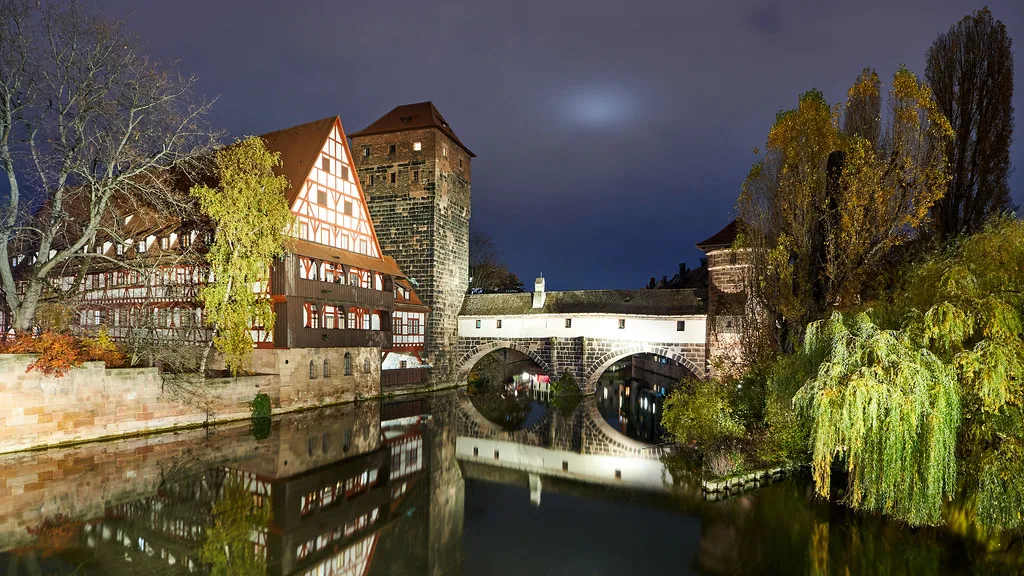
- Henkersteg (Hangman's Bridge)
- This wooden covered bridge was once the path the city's executioner took from his isolated house into town.
- It offers a classic view of the Pegnitz River and the surrounding half-timbered buildings.
- The bridge is free to cross and leads directly to the small but interesting Hangman's Museum.
Is the Nuremberg Card Worth It?
The Nuremberg Card currently costs €33 and is valid for 48 consecutive hours of use. It includes free admission to all museums and sights, plus unlimited use of all public transport in the city area. I have found that the card pays for itself if you visit at least three major attractions during your stay.
For example, visiting the Kaiserburg (€7), the DB Museum (€9), and the Documentation Center (€6) already totals €22. If you add two days of public transport (€16), you have already saved money without even trying. The card is particularly valuable if you plan to visit the Zoo, which has a higher individual entry fee.
You can purchase the card at the Tourist Information offices or online before you arrive in the city. I recommend starting the 48-hour clock on your first full morning to maximize the two-day window. Always check the Nuremberg Museum Guide for current opening days to ensure your top picks are available.
| Item | Individual price |
|---|---|
| Imperial Castle (Kaiserburg) | €7 |
| DB Museum | €9 |
| Documentation Center | €6 |
| Two days of public transport | €16 |
| Total if paid separately | €38 |
| Nuremberg Card (48 hours) | €33 |
What to Skip in Nuremberg
While the Hauptmarkt is the heart of the city, I suggest skipping the generic souvenir stalls that line the square. Many of these shops sell mass-produced items that you can find anywhere else in Germany for lower prices. Instead, spend your money at the Handwerkerhof for locally made crafts that have more character.
I also recommend being selective with the smaller, niche museums if you only have one or two days. The City Museum at Fembo House is lovely, but it can feel repetitive if you have already seen the Imperial Castle. Focus your limited time on the unique WWII sites and the major art collections for a better experience.
Lastly, avoid the expensive 'tourist menus' at restaurants located directly on the main square. You can find much better nuremberg bratwurst just a few blocks away in the side streets. Walking just five minutes away from the crowds usually results in a more authentic and affordable meal.
How to Get to and Around Nuremberg
Nuremberg is a major transport hub, making it very easy to reach from other large German cities. High-speed ICE trains from Munich take just over an hour, while the trip from Frankfurt is about two hours. The main station is located right at the edge of the Old Town, so you can start exploring immediately.
Once you are in the city, the public transport system is exceptionally efficient and easy to navigate. The U-Bahn (subway) and trams cover all the major tourist areas, including the outlying Nazi Party Rally Grounds. Most visitors find that they can see the majority of the Altstadt on foot without needing any transport.
If you do use public transport, remember to validate your ticket before boarding the train or tram. The VGN app is the best way to check schedules and buy digital tickets on your phone. For those driving, I suggest using the park-and-ride lots as parking in nuremberg old town is both difficult and expensive.
Validate your ticket before boarding any train or tram in Nuremberg, and avoid driving into the Old Town where parking is both difficult and expensive.
Where to Stay in Nuremberg
The Altstadt is the most popular choice for first-time visitors who want to be close to the main sights. Staying here allows you to walk to the castle and the market square in just a few minutes. However, be aware that hotels in this area can be quite pricey during the Christmas market season.
For a more local and hip vibe, look for accommodations in the Gostenhof neighborhood, often called 'GoHo'. This area is full of independent cafes, vintage shops, and street art, and it is only two subway stops from the center. It is a great option for travelers who want to escape the main tourist bubble while staying connected.
Families might prefer staying near the main train station for easy access to the DB Museum and the Zoo. There are many reliable chain hotels in this area that offer larger rooms and consistent service. Check my guide on the best neighborhoods in Nuremberg for a more detailed breakdown of each area.
Soak Up the Atmosphere at the Hauptmarkt
The Hauptmarkt is the beating heart of the Old Town and the square nearly every Nuremberg visitor passes through. This is where the Schöner Brunnen fountain and the Frauenkirche face each other, and where a daily produce-and-flower market sets up most mornings, giving you a genuine slice of local life. It costs nothing to wander, and it makes the perfect orientation point before you head off toward the castle to the north or St. Lorenz to the south. Come back at noon to catch the Männleinlaufen clock figures circle the emperor on the Frauenkirche gable. A handful of stalls sell fresh fruit, Franconian honey, and grilled bratwurst rolls, so it doubles as a cheap lunch spot. For a deeper route through the surrounding lanes, follow our Nuremberg Old Town walking guide, which threads the square together with the nearby churches and towers.
Stroll the Pegnitz River and Its Bridges
The Pegnitz River slices the Old Town into two halves, and following its banks is one of the most relaxing free things to do in the city. A short riverside walk links several photogenic crossings — the wooden Henkersteg (Hangman's Bridge), the iron Kettensteg suspension footbridge from 1824, and the broad stone Fleischbrücke and Museumsbrücke near the center. The covered Heilig-Geist-Spital, a former hospital that straddles the water on arches, is one of the most photographed sights in Nuremberg and sits right on the route. Plan about 30 to 45 minutes for an unhurried loop, ideally in the late afternoon when low light catches the half-timbered facades reflected in the water. It is an easy, no-cost way to break up a day of museums, and many of these spots feature in our list of free things to do in Nuremberg.
Taste the Original Nuremberg Bratwurst
You cannot leave without eating the city's namesake sausage. Nürnberger Rostbratwurst are small, finger-sized pork sausages seasoned with marjoram and grilled over beechwood, and they carry a protected geographical status, so the real thing is only made here. The classic street-food order is "Drei im Weggla" — three sausages tucked into a crusty bread roll with mustard — for just a few euros, sold from stands around the Hauptmarkt and near the churches. For a sit-down version, historic taverns such as Bratwursthäusle by St. Sebald serve a dozen on a pewter plate with kraut and horseradish, usually around €10 to €14. Pair them with a local Tucher or Lederer beer for the full Franconian experience. Our dedicated Nuremberg bratwurst and Franconian food guide breaks down the best spots and what else to order.
Experience the Christkindlesmarkt
If you visit in winter, the Nuremberg Christkindlesmarkt is reason enough to come. Running for the four weeks of Advent on and around the Hauptmarkt, it is one of the oldest and most famous Christmas markets in the world, drawing roughly two million visitors each year. Around 180 wooden stalls sell handmade ornaments, the local Nürnberger Lebkuchen gingerbread, and steaming mugs of Glühwein, all watched over by the costumed Christkind who opens the market each year. Entry is free; you only pay for what you eat and drink, and a mug of mulled wine runs about €4 plus a refundable deposit. It is busiest on weekend evenings, so arrive on a weekday afternoon for a calmer wander. For opening dates, the best stalls, and nearby satellite markets, see our full Nuremberg Christkindlesmarkt guide.
Take a Walking or Bimmelbahn Tour
If you want to make sense of all that history quickly, a guided tour is a smart first move. English-language walking tours of the Old Town leave most days from near the Hauptmarkt and typically run 90 minutes to two hours for around €15 to €20, covering the castle approach, the main churches, and the medieval lanes. For a quicker overview, the little Bimmelbahn road train loops the historic center in about 40 minutes from the Hauptmarkt area, which is a fun, low-effort option for families or anyone short on time. Hop-on hop-off buses also link the harder-to-reach WWII sites with the center if you would rather not figure out the trams. However you explore, a Nuremberg Card still covers your public transport between stops, so it pairs well with a single guided tour at the start of your trip.
Explore More Nuremberg Guides
Plan every part of your Nuremberg trip with our complete guide collection — where to stay, how to get around, the best things to do, food, day trips, and seasonal tips.
- 10 Best Restaurants in Nuremberg
- 17 Best Things to Do in Nuremberg for First-Timers
- Best Time to Visit Nuremberg
- 6 Best Day Trips from Nuremberg
- Getting Around Nuremberg
- How Many Days in Nuremberg Itinerary
- Nazi Party Rally Grounds Documentation Center Guide
- Nuremberg Christmas Market Christkindlesmarkt Guide
- Nuremberg Imperial Castle Visiting Guide
- Nuremberg Museums Guide
- Nuremberg Old Town Walking Guide
- Where to Stay in Nuremberg Best Neighborhoods Guide
- Best Hotels in Nuremberg Old Town
- Budget Hotels and Hostels in Nuremberg
- Best Cheap Eats in Nuremberg
- 15 Best Free Things to Do in Nuremberg
- Getting to Nuremberg
- Is Nuremberg in Bavaria? A Complete City Guide
- Memorium Nuremberg Trials Museum Guide
- Nuremberg Bratwurst and Franconian Food Guide
- Nuremberg Nightlife Guide
- Nuremberg to Munich Day Trip
- Nuremberg to Rothenburg ob der Tauber Day Trip Guide
- Nuremberg Weekend Itinerary
- Nuremberg Zoo Tiergarten Guide
- One Day in Nuremberg Itinerary
- Parking in Nuremberg Old Town
- Shopping in Nuremberg Guide
- 16 Best Things to Do in Nuremberg with Kids
- What is Nuremberg Famous For? 7 Top Highlights
Frequently Asked Questions
How many days do you need in Nuremberg?
Two to three days is the ideal amount of time to see the main sights. This allows one day for the Old Town and another for the WWII history sites and museums. You can also fit in a quick day trip if you stay for a third day.
Is Nuremberg safe for solo travelers?
Nuremberg is very safe and has low crime rates compared to other large European cities. Standard precautions apply, but the city center remains busy and well-lit late into the evening. Solo travelers will find the public transport system easy and safe to use.
What is the best time of year to visit?
December is magical due to the Christkindlesmarkt, but it is also the most crowded time. For better weather and fewer tourists, I recommend visiting in May or September. These months offer pleasant temperatures for walking and exploring the outdoor castle grounds.
Is Nuremberg worth visiting?
Yes, Nuremberg is well worth visiting. It packs a medieval Imperial Castle, a walkable walled Old Town, world-class museums, and globally significant WWII history into a compact, easy-to-reach city. It offers a very different and more relaxed experience than nearby Munich, and the Christkindlesmarkt makes a December trip especially memorable.
How do you spend a day in Nuremberg?
With one day, start at the Imperial Castle for the views, then walk down through the Old Town past Albrecht Dürer's House and the Weissgerbergasse to the Hauptmarkt for the Schöner Brunnen and a "Drei im Weggla" bratwurst lunch. Spend the afternoon at either the Germanisches Nationalmuseum or the WWII sites, depending on your interest. Finish with a stroll along the Pegnitz River and its bridges.
What is the number one tourist attraction in Germany?
Germany's most-visited single tourist attraction is generally Cologne Cathedral, which draws several million visitors a year, while Neuschwanstein Castle in Bavaria is the most iconic. In Nuremberg itself, the standout attraction is the medieval Imperial Castle (Kaiserburg), closely followed by the famous Christkindlesmarkt in December.
What is a must-see in Nuremberg?
The single must-see is the Imperial Castle (Kaiserburg) for its history and panoramic views over the Old Town. Beyond that, prioritise the Hauptmarkt with the Schöner Brunnen, St. Lorenz Church, and at least one of the WWII sites — the Documentation Center at the Nazi Party Rally Grounds or Courtroom 600 at the Memorium Nuremberg Trials.
Nuremberg is a city that rewards those who take the time to look beneath its medieval surface. From the heights of the Imperial Castle to the depths of the beer cellars, there is a story at every turn. I hope this list helps you navigate the many layers of history and culture found in this Franconian gem.
Whether you are a history buff, an art lover, or just a fan of good bratwurst, you will find something to love here. Don't forget to wear comfortable shoes and bring an open mind as you explore the streets. Thanks for reading my Nuremberg travel guide!
You might also like


Continue reading
More guides you'll find useful