How Many Days in Nuremberg Itinerary: Full 2026 Guide
Discover how many days in Nuremberg itinerary you need for history and food. Plan your 2026 trip with this expert guide to Germany's hidden gem.
On this page
Planning the Best How Many Days in Nuremberg Itinerary
Nuremberg is a city that perfectly balances its medieval past with a complex modern history. Many travelers find themselves wondering exactly how many days in Nuremberg itinerary they should plan. This guide will help you decide the best duration for your specific travel style and interests.
A short visit might focus on the castle, while longer stays allow for deep historical exploration. You will discover that the city offers much more than just sausages and half-timbered houses. Most visitors choose between a quick day trip and a more comprehensive three-day cultural immersion.
Choosing How Many Days in Nuremberg Itinerary for Your Trip
Choosing the right length for your stay ensures you see the most important landmarks without feeling exhausted. A two-day visit is often considered the ideal timeframe for most first-time international tourists. This window allows you to split your focus between the medieval Old Town and the World War II sites.
If you only have twenty-four hours, you should prioritize the historic center and the Imperial Castle. One day provides enough time to enjoy a traditional Franconian lunch and walk the ancient city walls. You might miss the museums located outside the center, but you will experience the core atmosphere.
Travelers with three days can add a relaxing day trip to a nearby town like Rothenburg or Bamberg. This extra time also allows for a visit to the local zoo or the famous Toy Museum. You can use the Nürnberg Card to make these extra entries more affordable.
If you are staying three days and adding museums or a day trip, the Nürnberg Card makes the extra entries more affordable.
| Length of stay | Best for | What you can cover |
|---|---|---|
| 1 day | First-time highlights | Imperial Castle, historic center, Franconian lunch, city walls |
| 2 days | Most first-time visitors | Day 1 plus Nazi Party Rally Grounds, Memorium Nuremberg Trials, Gostenhof |
| 3 days | History lovers and families | Above plus a Rothenburg or Bamberg day trip, Albrecht Dürer House, or the Tiergarten zoo |
One Day in Nuremberg: The Historical Highlights
Start your morning at the Imperial Castle to enjoy panoramic views of the red-roofed city below. This medieval fortress remains one of the most important historical fortifications in all of Europe. Plan to spend at least two hours exploring the palace rooms and the impressive deep well.
Follow the Nuremberg Old Town walking guide down toward the bustling Main Market Square. You will find the beautiful Gothic fountain and the Church of Our Lady standing tall in the center. Check the clock on the church at noon to see the figures perform their daily mechanical dance.
Lunch should involve the famous local sausages at a traditional restaurant near the historic town hall. These small, grilled bratwursts usually come in sets of six, eight, or twelve with a side of sauerkraut. Eating these treats in a wood-paneled tavern provides an authentic taste of local Franconian culture.
- Imperial Castle Kaiserburg
- Type: Medieval fortress
- Best for: Panoramic views
- Location: Northern Old Town
- Cost: Seven euros
- Main Market Square
- Type: Public plaza
- Best for: Local food
- Where: City center
- Cost: Free
Two Days in Nuremberg: Exploring Art and History
Dedicate your second day to understanding the complex role this city played during the twentieth century. The Nazi Party Rally Grounds provide a sobering look at historical events through detailed exhibits. Walking through the massive unfinished Congress Hall helps visitors grasp the sheer scale of the past.
Take the tram to the Memorium Nuremberg Trials to see where international justice began in Courtroom 600. Admission costs roughly six euros and includes an informative audio guide for all visitors. Check the museum website beforehand as the courtroom is still used for active legal proceedings today.
Spend your evening exploring the trendy Gostenhof neighborhood for a taste of the local craft beer scene. Many bars here offer Franconian specialties that differ significantly from standard Munich brewery fare. Local residents often call this area GoHo and it features many unique boutiques and small galleries.
- Documentation Center
- Type: History museum
- Best for: WWII education
- Where: Southeast city
- Cost: Six euros
- Memorium Nuremberg Trials
- Type: Courtroom museum
- Best for: Legal history
- Where: West of center
- Cost: Six euros
Three Days in Nuremberg: Day Trips and Hidden Gems
A third day opens the door for a Rothenburg ob der Tauber day trip via the local train. This walled town looks like a movie set and takes about eighty minutes to reach from Nuremberg. Arriving early allows you to walk the medieval walls before the large tour buses arrive at noon.
Alternatively, you could visit the Albrecht Dürer House to see where the famous Renaissance artist lived. The museum sits right against the city walls and showcases historical printing techniques from that era. Visitors can see original woodcuts and learn about the daily life of a sixteenth-century master painter.
Nature lovers might choose to spend a few hours at the Tiergarten, which is a beautiful landscape zoo. Entry for adults is around eighteen euros, and the dolphin lagoon remains a major highlight for families. The zoo is easily accessible from the central train station using the local tram line five.
Practical Tips for Navigating Nuremberg
Many tourists make the mistake of only visiting during the busy Christmas market season in late November. While the markets are magical, the city offers much lower hotel prices during the bright spring months. Exploring in May or June provides pleasant weather for walking without the massive holiday crowds.
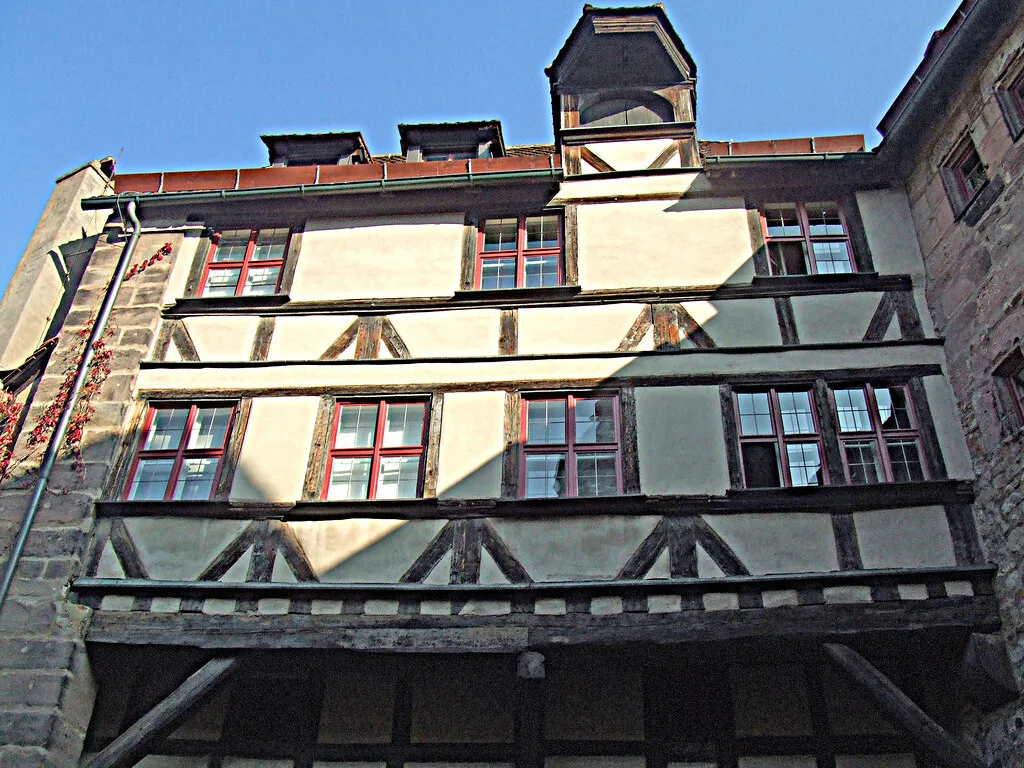
You should avoid driving a car into the historic center because parking is extremely limited and expensive. Most Nuremberg neighborhoods are very walkable or well-connected by the efficient underground subway system. The U-Bahn runs frequently and connects the airport to the main station in just twelve minutes.
Remember that most shops and supermarkets close on Sundays across Germany, including the busy shopping streets. Plan your souvenir shopping for Saturday to ensure you do not miss out on local Franconian crafts. Restaurants and museums remain open on Sundays, making it a great day for heavy sightseeing instead.
Most shops and supermarkets close on Sundays across Germany, so plan souvenir shopping for Saturday to avoid missing out on local Franconian crafts.
Frequently Asked Questions
Is one day enough for a Nuremberg itinerary?
One day is sufficient to see the highlights of the Old Town and the Imperial Castle. However, you will likely miss the important World War II historical sites located on the outskirts. For a complete experience, two days are highly recommended.
What is the best way to get to Nuremberg?
Nuremberg is very well-connected by high-speed trains from major cities like Munich and Frankfurt. You can find frequent trains to Nuremberg that arrive directly in the heart of the city. The central station is just a short walk from the historic walls.
Is Nuremberg expensive for travelers?
Nuremberg is generally more affordable than Munich or Berlin regarding accommodation and dining. You can find excellent local meals for under fifteen euros in traditional taverns. Using the local public transport system also helps keep your daily travel budget low.
Determining how many days in Nuremberg itinerary you need depends on your passion for European history. Two days offer the perfect balance for most visitors to see both medieval and modern landmarks. If you have extra time, the surrounding Franconian countryside provides many more treasures to explore.
Nuremberg remains a highlight of any German trip due to its unique atmosphere and delicious food. Plan your visit for 2026 to experience the city's evolving museum scene and vibrant local culture. Enjoy your journey through one of the most significant and beautiful cities in the heart of Bavaria.
You might also like

Continue reading
More guides you'll find useful