17 Best Things to Do in Nuremberg for First-Timers (2026)
Discover the best things to do in Nuremberg for first-timers. From the Imperial Castle to WWII history and 2026 travel tips, plan your perfect Bavarian trip.
On this page
17 Best Things to Do and Essential Tips for Nuremberg First-Timers
I first visited Nuremberg during the snowy Christmas market season, but my 2026 return trip in spring revealed a different side. This city balances its heavy historical weight with a vibrant, modern Franconian soul that many visitors overlook. Our editors have reviewed every neighborhood to ensure this guide helps you navigate the complex layers of this Bavarian gem. Updated January 2026, this guide includes the latest pricing and opening hours for all major attractions.
Nuremberg is much more than just a stop on a WWII history tour or a festive market destination. You will find medieval fortifications, world-class art museums, and some of the best sausages in all of Germany. Planning a visit requires a thoughtful mix of heavy historical education and lighter cultural exploration. This list ensures you see the iconic sights while discovering the hidden corners that locals love.
17 Best Things to Do in Nuremberg for First-Timers
The following items represent the essential Nuremberg experience, ranging from imperial grandeur to sobering historical sites. We have grouped these by their primary appeal: Iconic Landmarks, WWII History, and Cultural Experiences. Most of these locations are within the walkable Old Town or accessible via the efficient local metro system. Consider using the VGN Public Transport (Nuremberg) network for any sites outside the city walls.
Prices and hours listed are typical for the 2026 season but can change during special events or holidays. Always check the Official Nuremberg Tourism Portal before heading out for the day. Many museums offer discounted entry on specific days or through the Nuremberg Card. I recommend starting your day early at the castle to avoid the largest tour groups.
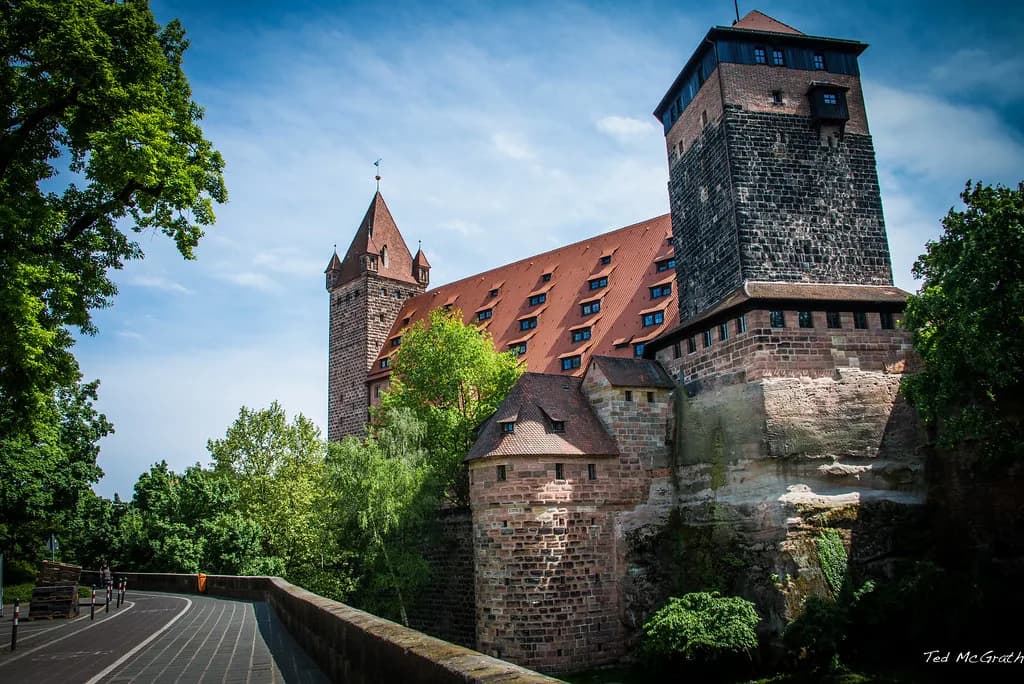
- Explore the Nuremberg Imperial Castle (Kaiserburg)
- This massive fortress served as a residence for Holy Roman Emperors and offers the best panoramic views of the city.
- Expect to pay $7–$10 for entry, with the grounds open daily from 9am to 6pm in peak season.
- It sits at the northern edge of the Old Town and requires about two hours for a full visit.
- Take the steep walk up to the Sinwell Tower for a breathtaking photo of the red-roofed skyline.
- Marvel at the Schöner Brunnen in Hauptmarkt
- This 14th-century gilded fountain is a masterpiece of Gothic art located in the bustling central market square.
- It is free to visit anytime, though the surrounding market stalls usually operate from 9am to 6pm.
- Look for the famous golden ring on the iron fence and turn it three times for good luck.
- The market square is the heart of the city and serves as the perfect navigation landmark.
- Admire the Architecture of St. Lorenz Church
- This stunning Gothic church features twin towers and an incredibly detailed rose window that survived wartime bombings.
- Entry is usually free, though a small donation of $2–$3 is encouraged for church maintenance.
- Located in the southern Altstadt, it is open daily from 9am to 5pm except during religious services.
- I found that visiting in the late afternoon provides the most beautiful light through the stained glass.
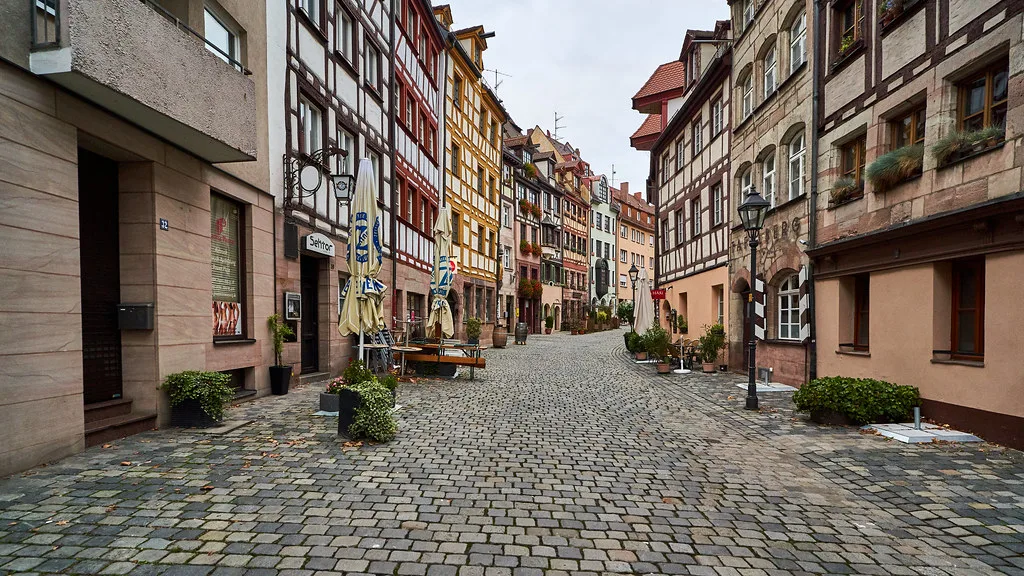
- Walk Through the Picturesque Weissgerbergasse
- This street is the most beautiful medieval lane in the city, lined with perfectly restored half-timbered houses.
- Walking the street is free and takes about 20 minutes unless you stop at the charming cafes.
- It is located near the Maxbrücke bridge and remains the best spot for traditional Bavarian photography.
- Visit early in the morning to enjoy the quiet atmosphere before the midday crowds arrive.
- Visit the Documentation Center Nazi Party Rally Grounds
- This museum provides a deep, sobering look into the city's role during the Third Reich era.
- Standard tickets cost around $6 per adult and the site is open daily from 10am to 6pm.
- It is located southeast of the center and is easily reached via the S2 train or tram lines.
- Check the official site for renovation updates as some permanent exhibits may be relocated in 2026.
- See Courtroom 600 at the Memorium Nuremberg Trials
- Visit the actual location where the 1945 trials of Nazi leaders took place to understand modern international law.
- Entry is approximately $6, and the Memorium Nuremberg Trials Official Site provides updated schedules.
- The museum is located in the Palace of Justice, a short U-Bahn ride west from the central station.
- Note that the courtroom is still used for active trials, so access may be restricted on some weekdays.
- Browse the Massive Germanisches Nationalmuseum
- This is the largest museum of cultural history in the German-speaking world, housing over 1.3 million items.
- General admission is roughly $8–$10, and you should set aside at least three hours to explore.
- It sits near the Way of Human Rights and is open Tuesday through Sunday until 6pm.
- Do not miss the world's oldest surviving terrestrial globe, which dates back to the late 15th century.
- Shop for Crafts at the Handwerkerhof
- This small, walled enclave near the main station recreates a medieval artisans' courtyard with workshops and shops.
- Admission to the yard is free, though the individual shops have varying prices for handmade goods.
- It is open daily from 10am to 10pm, making it a great evening spot for dinner or drinks.
- This is the best place to buy authentic gingerbread and locally crafted tin toys for souvenirs.
- Step Into Albrecht Dürer’s House
- The former home and workshop of Germany's most famous Renaissance artist offers a glimpse into 16th-century life.
- Tickets are about $6, and the house is open daily 10am–6pm, with shorter hours on Mondays.
- It is located right at the base of the castle walls in the northern part of the Altstadt.
- The audio guide narrated by an actress playing Dürer's wife adds a personal touch to the history.
- Pay Respects at the Way of Human Rights
- This outdoor art installation consists of 27 white pillars engraved with the articles of the Declaration of Human Rights.
- It is a free public space located between the Germanisches Nationalmuseum and the city's medieval wall.
- You can walk through it at any time, but it is particularly striking when illuminated at night.
- Take a moment to read the inscriptions, which are provided in several different languages on the pillars.
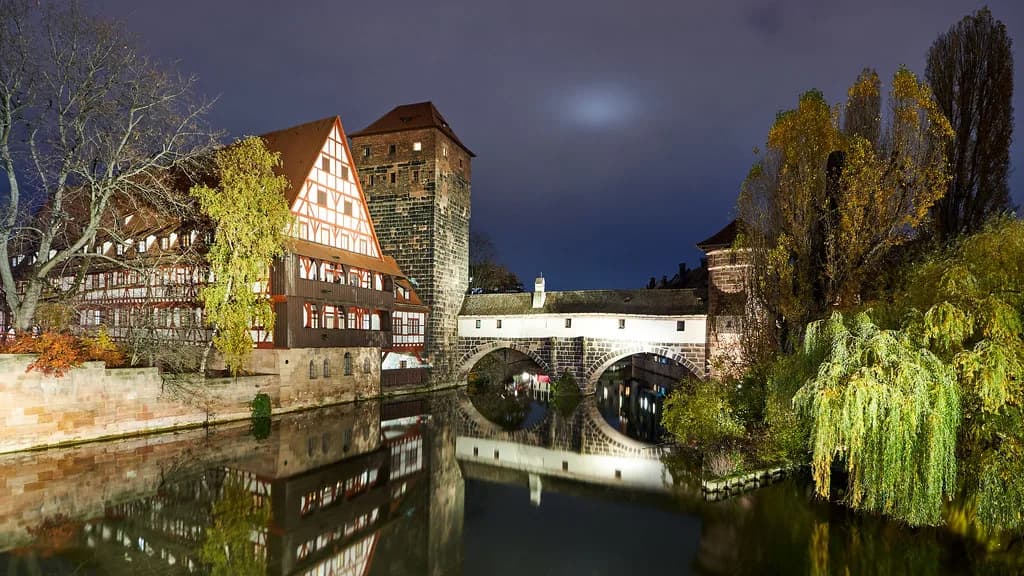
- Cross the Historic Maxbrücke Bridge
- This stone bridge offers the most iconic view of the Henkersteg (Hangman's Bridge) and the Pegnitz River.
- It is free to access and serves as a vital pedestrian link between the two sides of the Old Town.
- The area is especially beautiful during the golden hour just before the sun sets over the water.
- Bring your camera here for the classic shot of the half-timbered wine warehouse over the river.
- Discover History at the Nuremberg Toy Museum
- Nuremberg has been a center for toy making for centuries, and this museum showcases toys from antiquity to today.
- Expect to pay around $6 for entry, and the museum is open daily from 10am to 6pm.
- Located in the heart of the Old Town, it is a perfect indoor activity for families or rainy days.
- The collection of antique dollhouses is incredibly detailed and worth the visit alone for history buffs.
- Descend Into the Medieval Dungeons (Lochgefängnisse)
- Located under the Old Town Hall, these 14th-century cells offer a dark look into medieval justice.
- Tours cost about $5 and are usually conducted in German with English handouts provided to visitors.
- The dungeons are open daily from 10am to 4pm, but check for seasonal closures in winter.
- The space is quite cramped and chilly, so wear a light jacket even during the summer months.
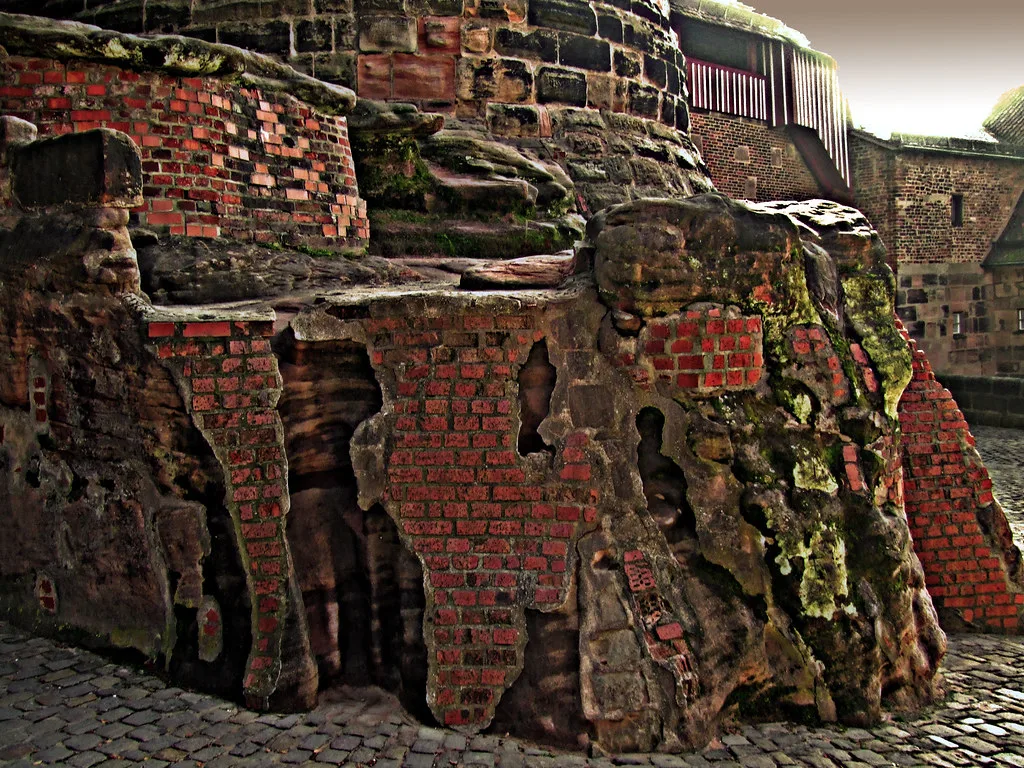
- Visit the Historic Rock Cut Cellars
- Explore a vast labyrinth of underground beer cellars carved into the sandstone bedrock over several centuries.
- Guided tours are required and cost approximately $10–$12, often including a small beer tasting.
- The entrance is near Albrecht Dürer’s House, with tours running several times daily in the afternoon.
- These cellars also served as vital air-raid shelters during the heavy bombing of World War II.
- Take a Day Trip to Bamberg
- This UNESCO World Heritage city is famous for its unique town hall and smoky 'Rauchbier' lager.
- A regional train ticket costs about $20, and the journey takes only 45 minutes from Nuremberg.
- Spend a full day here to explore the cathedral and the charming 'Little Venice' fishing district.
- Try the local beer at Schlenkerla, but be prepared for the intense, campfire-like flavor of the brew.
- Explore Rothenburg ob der Tauber
- Often called the most romantic town in Germany, this walled village feels like a fairy tale come to life.
- The train journey takes about 75 minutes with one change, costing around $25 for a day ticket.
- Walk the entire perimeter of the town walls for free to see the city from every angle.
- Avoid the midday crowds by arriving before 10am or staying late to see the Night Watchman's tour.
- Sample Traditional Nuremberg Bratwurst
- These finger-sized sausages are a protected culinary heritage and must be grilled over a beechwood fire.
- A plate of six sausages with sauerkraut typically costs between $10 and $15 at local restaurants.
- Visit Zum Gulden Stern, the oldest sausage kitchen in the world, located in the southern Altstadt.
- For a quick snack, order 'Drei im Weggla'—three sausages in a hard roll—from a street vendor.
| Attraction | Typical Entry (2026) | Opening Hours |
|---|---|---|
| Imperial Castle (Kaiserburg) | $7–$10 | 9am–6pm (peak season) |
| Documentation Center Rally Grounds | ~$6 | 10am–6pm daily |
| Memorium Nuremberg Trials | ~$6 | Check official schedule |
| Germanisches Nationalmuseum | $8–$10 | Tue–Sun until 6pm |
| Albrecht Dürer’s House | ~$6 | 10am–6pm (shorter Mondays) |
| Toy Museum | ~$6 | 10am–6pm daily |
How to Balance History and Charm on Your First Trip
Nuremberg presents a unique challenge for first-timers because its history is both beautiful and deeply tragic. I recommend splitting your days into 'heavy' and 'light' segments to avoid emotional fatigue during your stay. Visit the WWII sites in the morning when your mind is fresh and the crowds are generally thinner. Spend your afternoons wandering the medieval streets or enjoying a beer by the Pegnitz River to decompress.
The contrast between the imperial grandeur of the Kaiserburg and the Documentation Center is stark but necessary. Understanding the city's role in the Holy Roman Empire provides context for why it was chosen for Nazi rallies. Most visitors find that a how many days in nuremberg itinerary of two to three days is perfect for this balance. Do not feel pressured to see every museum; picking one major historical site per day is usually sufficient.
If you are traveling with children, focus more on the Toy Museum and the Handwerkerhof to keep things engaging. Many of the darker historical sites offer audio guides that can be quite intense for younger visitors. The city walls offer a great walking path that feels like an adventure without being overly academic. Balancing these elements ensures you leave with a complete picture of Nuremberg’s complex identity.
Where to Stay in Nuremberg for First-Timers
For most first-time visitors, staying within the Altstadt (Old Town) is the most convenient and atmospheric choice. This area is divided by the river into the Sebald side to the north and the Lorenz side to the south. The Sebald side is quieter and closer to the castle, while the Lorenz side is better for shopping and dining. You can find more details in our guide on where to stay in nuremberg best neighborhoods for different budgets.
If you are traveling by train, the area immediately around the Hauptbahnhof (Central Station) is very practical. It allows for easy day trips to places like Bamberg and quick access to the airport via the U2 line. Prices in this area are often slightly lower than in the heart of the historic market square. However, be aware that the station area can be quite busy and less 'charming' than the inner streets.
Budget travelers should look toward the Gostenhof neighborhood, often called 'GoHo' by the local residents. It is a trendy, up-and-coming area with independent cafes and a more local, less touristy vibe. It is only two stops on the U-Bahn from the city center, making it a highly accessible alternative. I found the boutique hotels here offer much better value than the larger chains near the station.
Getting Around: Transport and the Nuremberg Card
Nuremberg is an exceptionally walkable city, especially if you spend most of your time within the historic walls. For longer distances, the U-Bahn, trams, and buses are reliable and very easy for foreigners to navigate. You can purchase tickets at machines in every station, which offer English language options for all users. Check out our getting around nuremberg transport and nurnberg card guide for a deep dive into costs.
The Nuremberg Card costs about $33 and covers all public transport plus museum entry for 48 consecutive hours. If you visit the Castle, the Documentation Center, and the Trials Memorium, it has already paid for itself.
The Nuremberg Card is often a fantastic deal for first-timers planning to visit at least three major museums. It costs about $33 and covers all public transport and entry to all museums for 48 consecutive hours. If you visit the Castle, the Documentation Center, and the Trials Memorium, the card has already paid for itself. You can buy the card online or at the tourist information offices located at the station and Hauptmarkt.
Trains to the airport run every 10 minutes and take only 12 minutes to reach the city center. This makes Nuremberg one of the easiest cities in Europe for a quick weekend getaway or transit stop. Most public transport runs until around midnight, with special night buses available on the weekends. I recommend downloading the VGN app to see real-time departures and buy digital tickets on your phone.
What to Skip in Nuremberg (Editorial Advice)
While the Imperial Castle is a must-see, the paid interior museum can be a bit underwhelming for some. If you are short on time, I suggest skipping the interior and just exploring the free courtyard and gardens. The view from the Sinwell Tower is worth the extra fee, but the museum rooms are often quite sparse. You will get a better sense of medieval life by visiting the smaller, more focused Dürer House instead.
Courtroom 600 at the Memorium Nuremberg Trials is still an active courtroom, so access may be restricted on some weekdays. Check the official museum schedule before you go.
Avoid the highly advertised 'medieval' dinner shows that cater almost exclusively to large tour groups. These are often overpriced and provide a generic experience that lacks the quality of local Franconian taverns. Instead, head to the smaller restaurants in the side streets of the Sebald district for authentic food. Our list of best restaurants in nuremberg includes several spots where locals actually eat.
The Hauptmarkt can get incredibly crowded during the middle of the day when river cruise buses arrive. If you want to enjoy the architecture, visit before 10am or after 5pm when the day-trippers have left. Many of the souvenir shops directly on the square sell mass-produced items at a significant markup. Walk five minutes away toward the river to find more unique, locally made crafts and better prices.
Frequently Asked Questions
Is Nuremberg worth visiting for first-timers?
Yes, Nuremberg is absolutely worth visiting for its unique blend of medieval charm and significant modern history. It offers a more manageable and walkable experience than Munich while providing deep cultural insights. First-timers will appreciate the well-preserved Old Town and the high-quality museums.
How many days do you need in Nuremberg?
Two full days are sufficient to see the main city highlights, including the castle and WWII sites. If you plan to take day trips to nearby towns like Bamberg or Rothenburg, extend your stay to four days. This allows for a relaxed pace without missing the major landmarks.
Can you visit the Nuremberg Trial courtroom?
You can visit Courtroom 600 at the Memorium Nuremberg Trials, but it is still an active courtroom. Access is generally available on weekends and some weekdays when trials are not in session. It is best to check the official museum website for the current week's schedule before visiting.
Nuremberg is a city that rewards those who take the time to look beneath its surface. From the golden spires of the Hauptmarkt to the dark concrete of the rally grounds, it tells the story of Germany’s past. By following this guide, you can navigate the city's complex history while enjoying its modern Franconian hospitality. I hope your first trip to this remarkable city is as memorable and enlightening as my own visits have been.
You might also like

Continue reading
More guides you'll find useful