Nuremberg Bratwurst and Franconian Food Guide
Discover the best Nuremberg bratwurst and Franconian food. Learn where to eat, what to order, and local secrets in this 2026 culinary guide.
On this page
Ultimate Nuremberg Bratwurst and Franconian Food Guide
The city of Nuremberg offers a unique culinary landscape that centers on centuries of tradition and local pride. Visitors often start their journey by tasting the small sausages that define the local identity. This guide explores the best dishes you must try while visiting the historic center. Understanding what is Nuremberg famous for begins with its rich and savory food culture.
The Secrets of Nuremberg Bratwurst and Franconian Food
The Nürnberger Rostbratwurst is a protected delicacy that must follow strict regional production rules. Every authentic sausage measures between seven and nine centimeters in length and weighs about 25 grams. Local butchers use fresh pork and a distinct blend of spices dominated by fragrant marjoram. This specific recipe has remained largely unchanged since the first official mentions in the year 1313.
Hungry travelers often find these finger-sized treats served in sets of six, nine, or twelve on pewter plates. They typically arrive with a side of spicy mustard, fresh horseradish, or warm sauerkraut. A popular street food version known as 'Drei im Weggla' features three sausages tucked inside a hard roll. You can find these kiosks throughout your Nuremberg old town walking guide route for a quick snack.
Tradition dictates that these sausages are grilled over a beechwood fire for a smoky finish. The high heat creates a crispy casing while keeping the inside juicy and tender. Locals take great pride in this method, which separates authentic kitchens from modern tourist traps. Expect to pay around 10 to 15 Euros for a full plate at a traditional sit-down restaurant.
- Traditional Sausage Serving Options
- Drei im Weggla: three in a roll
- Sechs auf Kraut: six with sauerkraut
- Blaue Zipfel: sausages cooked in vinegar
- Cost: 4 to 12 Euros
Iconic Franconian Dishes You Must Try
Schäufele stands as the undisputed king of the Franconian main course menu. This dish consists of a roasted pig's shoulder blade served with a signature crispy rind. The meat slow-cooks until it falls off the bone with very little effort from your fork. Most best restaurants in Nuremberg serve this with a large potato dumpling and dark beer gravy.
Franconian Sauerbraten offers a regional twist on the classic German pot roast. Chefs marinate the beef for several days in a mixture of vinegar, wine, and spices. The sauce often includes crushed gingerbread to provide a thick texture and a hint of sweetness. This unique addition reflects the city's history as a major spice trading hub in the Middle Ages.
Seasonal travelers should look for Aischgrund carp during months that contain the letter 'R'. Local ponds provide fresh fish that chefs split open and fry until the skin is golden. The meat remains flaky and light, usually accompanied by a simple potato salad or greens. Fried carp remains a beloved tradition during the autumn and winter months in Northern Bavaria.
Aischgrund carp is a seasonal dish — order it only during months that contain the letter 'R', as it is a beloved autumn and winter tradition in Northern Bavaria.
Where to Eat Traditional Food in Nuremberg
Bratwursthäusle sits right next to St. Sebald Church and offers a classic medieval atmosphere. The open beechwood grill fills the air with an irresistible aroma that draws in crowds daily. Sitting on the outdoor terrace provides a great view of the historic architecture while you eat. Most main courses here range from 12 to 22 Euros depending on your appetite.
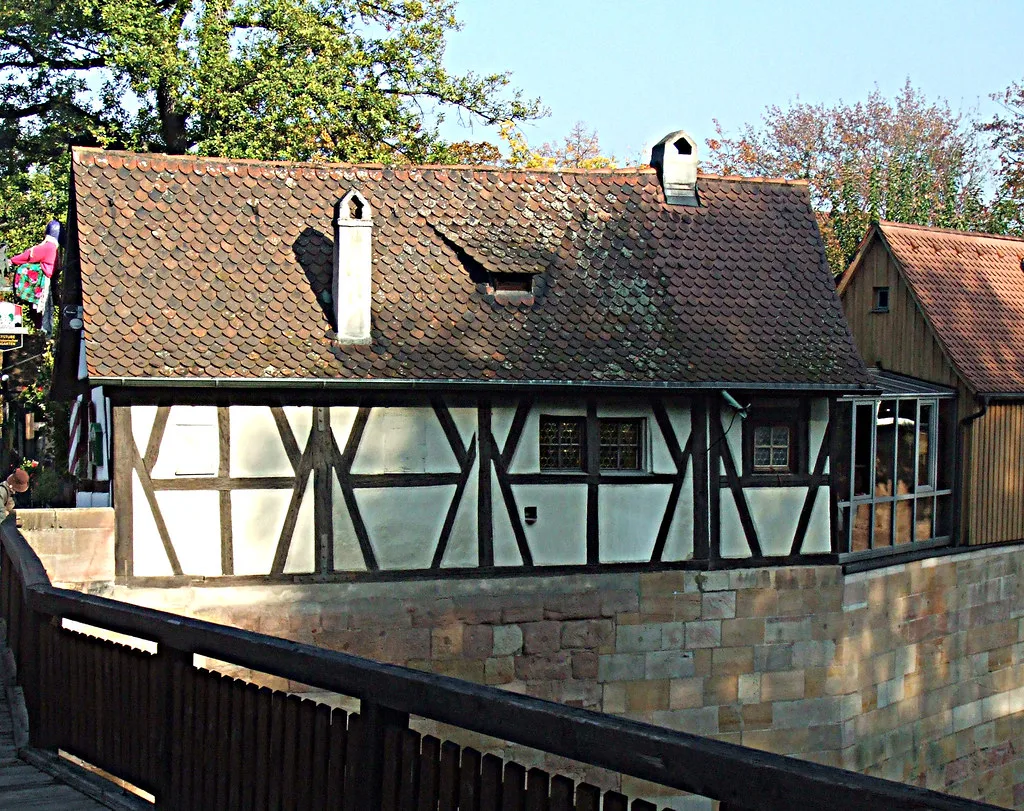
Zum Gulden Stern claims the title of the oldest bratwurst kitchen in the entire world. The building dates back to 1419 and features low ceilings and dark wooden beams. It serves as an excellent spot for cheap eats in Nuremberg if you stick to the sausage plates. Reservations are highly recommended during the busy weekend dinner hours in 2026.
Hausbrauerei Altstadthof combines a traditional tavern feel with an on-site organic brewery. This location is perfect for those who want to pair their meal with artisanal local spirits. The kitchen focuses on regional ingredients and offers several vegetarian options alongside the meat. Prices are slightly higher here, but the quality of the organic produce justifies the extra cost.
| Restaurant | Highlight | Main course price |
|---|---|---|
| Bratwursthäusle | Next to St. Sebald Church, open beechwood grill | 12-22 Euros |
| Zum Gulden Stern | Oldest bratwurst kitchen, building dates to 1419 | Budget if sticking to sausage plates |
| Hausbrauerei Altstadthof | On-site organic brewery, vegetarian options | Slightly higher |
Zum Gulden Stern fills up fast — reservations are highly recommended during the busy weekend dinner hours in 2026.
Local Beverages: Red Beer and Franconian Wine
Nuremberg is famous for its Rotbier, or Red Beer, which has been brewed here since the 1300s. This bottom-fermented lager gets its distinct color and malty flavor from special roasted barley. It offers a smooth finish that complements the salty and savory notes of Franconian meat dishes. A half-liter glass typically costs between 4 and 6 Euros at most local pubs.
Wine lovers should explore the white varieties produced in the nearby Main River valley. Silvaner is the most popular grape in the region and produces a dry, earthy wine. Look for the iconic Bocksbeutel, a flat, round bottle that is unique to Franconian viticulture. Ordering a glass of local wine is a refreshing alternative to the heavy beer culture.
Navigating the local drink scene is easier when using the Nuremberg transport and Nurnberg Card guide for discounts. Many local brewery tours offer small samples as part of their guided experiences. Always check the alcohol content, as Franconian beers can be stronger than standard international lagers. Tipping around five to ten percent is standard practice when enjoying drinks at a bar.
Sweet Treats: Gingerbread and Local Desserts
Nuremberg Lebkuchen is the most famous gingerbread in the world and carries a protected status. The highest quality variety is the Elisenlebkuchen, which contains at least 25 percent nuts. These flourless treats use honey and exotic spices like cinnamon, cloves, and cardamom. They are a staple of the Nuremberg Christmas Market but are available year-round in specialty shops.
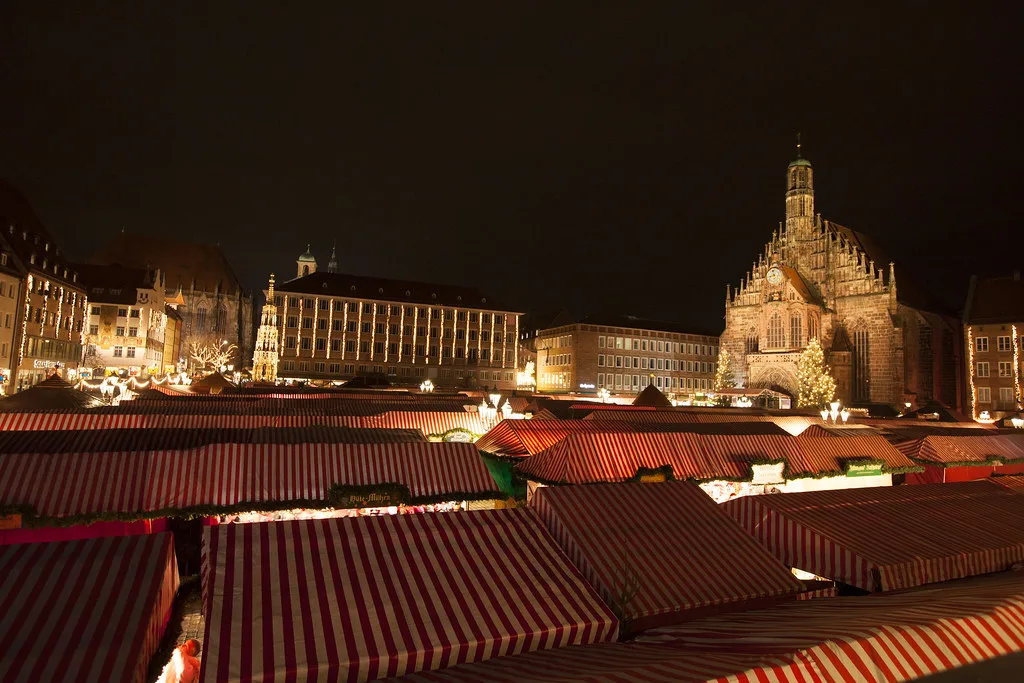
Wicklein and Schmidt are the two most prominent brands for buying gingerbread gifts. You can find their flagship stores in the main market square near the Frauenkirche. Small tins start at around 8 Euros, making them an affordable souvenir for friends back home. Be sure to try the chocolate-covered versions for a richer and more indulgent flavor profile.
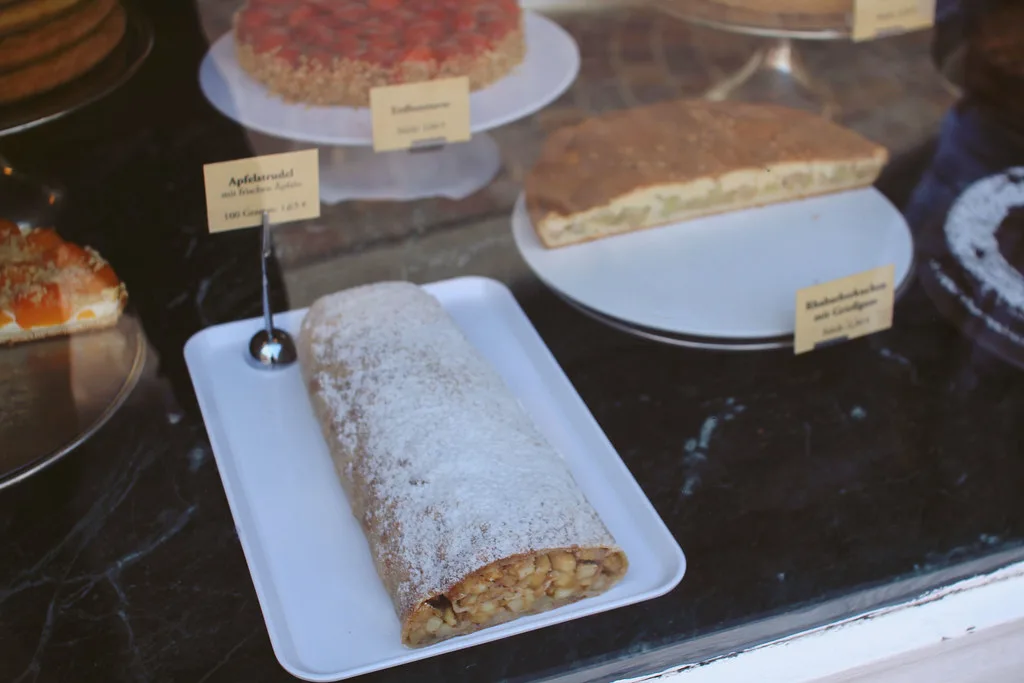
Küchle is another traditional dessert that locals enjoy during festivals and special occasions. This fried dough pastry is similar to a flat doughnut with a raised, crispy edge. It is usually dusted with powdered sugar and served warm from the fryer. You will often find these at local bakeries for about 2 to 3 Euros each.
Frequently Asked Questions
What is the best time to eat Nuremberg bratwurst?
You can enjoy these sausages year-round, but they taste best during the best time to visit Nuremberg in the summer or winter. In summer, outdoor beer gardens offer a lively atmosphere. During winter, the smoky grill provides warmth at the Christmas market.
Are there vegetarian options in Franconian restaurants?
Traditional Franconian cuisine is very meat-heavy, but modern restaurants now offer several vegetarian choices. Look for 'Kloß mit Soß', which is a potato dumpling with gravy, or local cheese platters. Many places also serve fresh salads and seasonal vegetable soups.
How much does a meal cost in Nuremberg?
A standard meal at a traditional restaurant usually costs between 15 and 25 Euros per person. This price typically includes a main dish and one beverage. Street food like the 'Drei im Weggla' is much cheaper, costing around 4 to 5 Euros.
Exploring the local food scene is one of the most rewarding things to do in Nuremberg during your stay. From the smoky bratwurst kitchens to the sweet gingerbread shops, there is a flavor for every traveler. Make sure to arrive with a large appetite to fully experience these historic Franconian traditions.
You might also like
Continue reading
More guides you'll find useful