How Many Days in Berlin: 10 Essential Planning Guides
Discover how many days in Berlin you really need. Explore 1, 2, 3, and 5-day itineraries with local food stops, history walks, and practical booking advice.
On this page
How Many Days in Berlin: A 3-Day Essential Planning Guide
Berlin rewards every extra day you give it. The city is dense with Cold War history, world-class museums, and neighbourhood culture that no single short trip can fully absorb. This guide answers the core question directly: how many days in Berlin do you actually need, depending on what you care about most? We cover every duration from one to five days, with specific food stops, time blocks, and booking deadlines so you can plan without guesswork.
Most first-timers land on three days as the right balance. History buffs can fill four days without repeating themselves. Slow travellers and families benefit most from five. Read the section that matches your schedule and use the traveller-profile notes to decide before you book your train or flight.
How Many Days in Berlin is Enough?
The honest answer is three days for a first visit, but the real answer depends on what you want from the trip. Berlin is one of Europe's largest cities by area. Its main clusters of interest — central Mitte, the Cold War East, and the West Berlin belt — sit kilometres apart, so moving between them costs time even on an efficient U-Bahn.
Below is a quick-reference breakdown of what each duration realistically covers and what it forces you to skip.
- 1 day: Brandenburg Gate, Reichstag dome, Holocaust Memorial, and a walk along Unter den Linden. You will not reach the East Side Gallery or Museum Island in any depth. Best for stopovers or transit travellers.
- 2 days: Adds Museum Island, East Side Gallery, and one neighbourhood walk (Kreuzberg or Friedrichshain). You miss Charlottenburg, Karl Marx Allee, and any day trip. Good for repeat visitors who want a focused deep-dive.
- 3 days: The sweet spot. Covers all core history, one full museum day, the East Side Gallery, Charlottenburg Palace, and an evening in Prenzlauer Berg. Most travellers leave satisfied.
- 4-5 days: Unlocks a day trip to Potsdam, deeper neighbourhood exploration in Neukölln or Tempelhof, and slower pacing through Museum Island. Ideal for slow travellers, families, and first-timers who hate rushing.
The single biggest mistake is spending two days in Mitte and skipping the East entirely. Berlin's most distinctive character lives in Friedrichshain and Kreuzberg — both require at least half a day each to register.
Don't assume the Pergamon Museum is open — it's closed for reconstruction until 2027. The nearby Neues Museum (Nefertiti Bust) and Altes Museum (Greek/Roman antiquities) are excellent alternatives and rarely require booking outside July–August.
Traveller Profile: Which Duration Fits You?
Duration alone does not determine a good trip. What you plan to do with the days matters more. These three profiles map directly onto how most visitors actually use the city in 2026.
- The History Buff (2–3 days): Prioritises the Berlin Wall Memorial on Bernauer Strasse, the Topography of Terror museum (free entry, allow 2 hours), the German History Museum on Unter den Linden, and Checkpoint Charlie. Two solid days covers all of this. A third day adds the Sachsenhausen concentration camp memorial, reachable in 45 minutes by regional train.
- The Foodie (2–3 days): Build days around food stops and let the landmarks fill the gaps. Start Day 1 with breakfast at Steel Vintage Bikes (Wilhelmstraße 91), grab lunch noodles at Liu Nudelhaus (Kronenstraße 72), and end at Markthalle Neun in Kreuzberg on Day 2. Three days gives you time to also hit the weekend street-food market at Boxhagener Platz in Friedrichshain.
- The Slow Traveller or Family (4–5 days): Keeps one half-day deliberately empty, spends a full morning in Tiergarten without an agenda, and builds in the Potsdam day trip. Families with children add the Berlin Zoo and Aquarium in Charlottenburg, which easily fills a half-day.
If you are genuinely unsure, book three nights and hold the fourth flexible. It is easy to extend by one night in Berlin; cancelling a pre-paid fourth night is harder.
| Duration | Core Sites Covered | Best For | What You Skip |
|---|---|---|---|
| 1 Day | Brandenburg Gate, Reichstag dome, Holocaust Memorial, Unter den Linden | Stopovers, transit visitors | Museum Island, East Side Gallery, neighbourhoods |
| 2 Days | Mitte (Morning), Museum Island, Karl Marx Allee, East Side Gallery, Kreuzberg | Repeat visitors, focused deep-dive | Charlottenburg, Potsdam day trip, second museum |
| 3 Days | All Mitte sites, Museum Island, East Side Gallery, Charlottenburg, Prenzlauer Berg | First-timers (sweet spot) | Potsdam, deeper neighbourhood time |
| 4–5 Days | All above plus Potsdam (Sanssouci Palace) and Tempelhof Field | Slow travellers, families, history buffs | Nothing major (pace becomes comfortable) |
Checkpoint Charlie is overpriced (€15), crowded at midday, and mostly a photo prop. Skip it and visit the Topography of Terror museum instead — it's free, far more informative, and far quieter. If Cold War history is your focus, the Berlin Wall Memorial on Bernauer Strasse is the honest choice.
1-Day Berlin: The Essential Highlights
One day in Berlin means committing entirely to central Mitte. Start no later than 08:00 to beat the crowds at the Reichstag Building. The dome is free but requires a timed ticket booked online — same-day slots are rare, so book before you travel. From the dome you can see the entire government quarter and the Tiergarten stretching west.
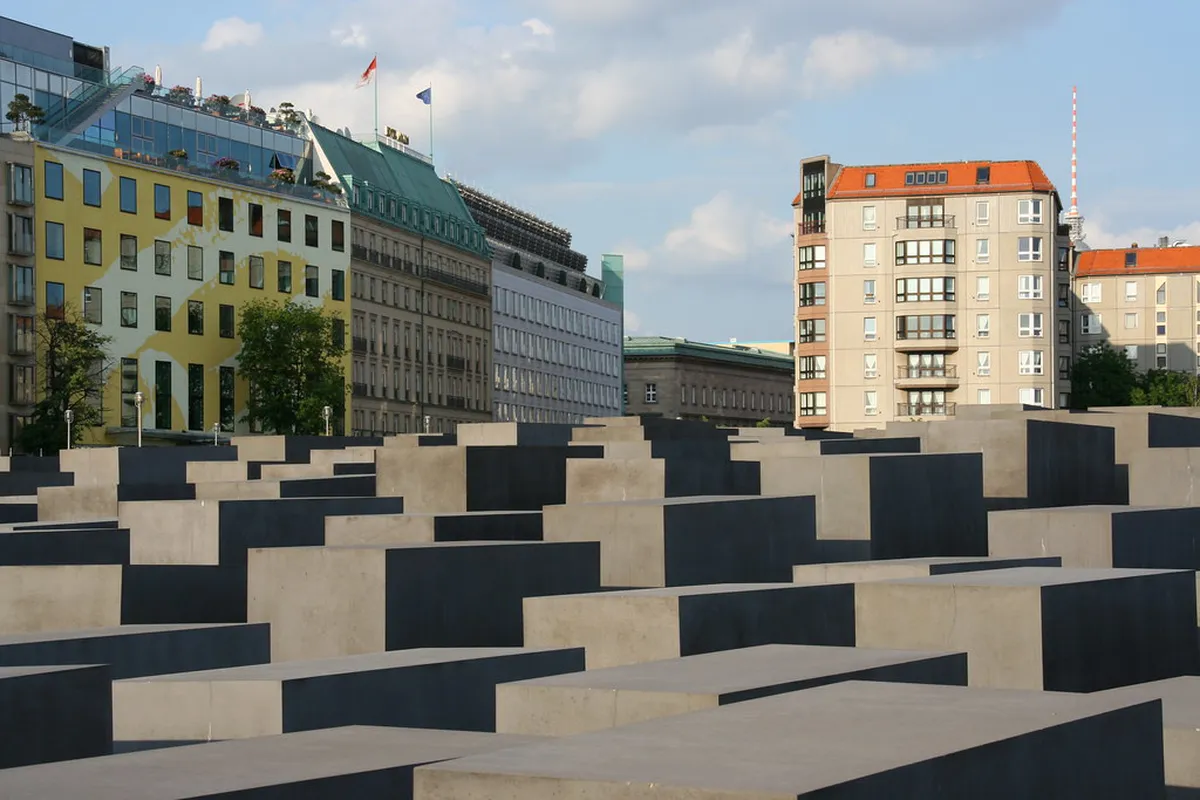
After the Reichstag, walk five minutes to Brandenburg Gate at Pariser Platz. The gate itself takes twenty minutes to appreciate properly. The square around it houses the French and US embassies and the historic Hotel Adlon. Continue south to the Memorial to the Murdered Jews of Europe, which covers 4.7 acres of concrete stelae just a short walk from the gate. The underground information centre deserves at least 45 minutes.
For lunch, head to Einstein on Unter den Linden 42 for fast, decent schnitzel and coffee in a wood-panelled interior. The afternoon walk along Unter den Linden passes the Humboldt University, Neue Wache, and Bebelplatz, where the 1933 Nazi book burning took place. A glass panel in the pavement reveals the empty library memorial beneath. Finish at the edge of Museum Island and the Berlin Cathedral exterior before dinner near Alexanderplatz.
Local insight: Skip Checkpoint Charlie on a one-day itinerary. It is extremely crowded at midday, costs €15 for a mediocre museum, and the replica guardhouse is a photo prop. The Topography of Terror museum nearby is free, more informative, and far less busy.
2-Day Berlin: History and Local Culture
Two days allows you to do Mitte properly on Day 1 and shift east for Cold War sites and neighbourhood culture on Day 2. The time-blocked Mitte window that works best: 10:00 to 14:00, walking the core sights from Brandenburg Gate through the Holocaust Memorial, along Unter den Linden, and ending at Museum Island. This leaves the afternoon for a single museum inside (the Neues Museum for the Nefertiti Bust, or the Altes Museum for Greek and Roman antiquities — both open until 18:00, entry around €12 each). The State Museums Berlin website has current hours and ticketing.
On Day 2, start with breakfast at House of Small Wonder (Auguststraße 11–13), a Japanese-American café in a brick former school building. Walk to Hackesche Höfe, a restored Art Nouveau courtyard complex from 1906, and continue south to Alexanderplatz. The Karl Marx Allee begins at Alexanderplatz — this Stalin-era boulevard of socialist classicist housing stretches 2 kilometres east to Frankfurter Tor. A full walk takes 45 minutes and reveals a side of Berlin that most short-trip itineraries skip entirely.
After lunch in Friedrichshain (try 1990 Vegan Living on Krossener Str. 19 for Vietnamese food, or Aleppo Supper Club on Wühlischstraße 21 for Syrian mezze), head to the East Side Gallery. This 1.3-kilometre stretch of painted Berlin Wall runs along the Spree in Friedrichshain. The murals are outdoors and free. Cross the Oberbaumbrücke bridge into Kreuzberg, pick up a coffee and snack at Markthalle Neun, and spend the evening in the neighbourhood's bar streets.
Local insight: The Berlin public transport day ticket (€9.90 for the AB zones) covers every U-Bahn, S-Bahn, tram, and bus trip within the city. Buy it before your first journey and tap it at the yellow validation machine. Mobile tickets via the BVG app work just as well and skip the queue.
3-Day Berlin: The Ideal First-Timer Itinerary
Three days is the format most first-timers should plan around. Day 1 covers central Mitte and Museum Island. Day 2 handles Cold War East Berlin and the Kreuzberg neighbourhood. Day 3 moves to West Berlin and Charlottenburg. This structure uses the Museum Island as the geographic pivot between east and west, keeping travel time efficient.
Begin Day 1 at the Reichstag dome at 08:30 before the tourist groups arrive. The walk to Brandenburg Gate takes five minutes. Allow 45 minutes at the Holocaust Memorial, then follow Unter den Linden east to Museum Island. Spend 90 minutes in a single museum — two museums in one afternoon is exhausting and you retain less. Dinner near Alexanderplatz near the Berlin TV Tower works well; book the tower at least a week ahead to avoid queues.
Day 2 starts at the Berlin Wall Memorial on Bernauer Strasse. This outdoor site is free and takes about an hour to walk properly. It is far more honest and less crowded than Checkpoint Charlie, which you should visit only if you have extra time. The Berlin Wall history is essential context before walking the East. Afternoon follows the Karl Marx Allee walk into Friedrichshain, East Side Gallery, and Markthalle Neun. Evening: a bar crawl through Kreuzberg's Oranienstraße.
Day 3 heads west. Charlottenburg Palace opens at 10:00 and the terraced gardens outside are free. Tickets for the palace interior cost €12. Walk south to the Kaiser Wilhelm Memorial Church — the bombed-out ruin was left deliberately unrepaired as a war memorial — and then along the Kurfürstendamm shopping boulevard. Finish the evening with dinner and drinks in Prenzlauer Berg, the prettiest and leafiest inner-city neighbourhood.
4–5 Days in Berlin: Deep Dives and Day Trips
With four or five days, Potsdam becomes the obvious addition. The S7 train from central Berlin reaches Potsdam Hauptbahnhof in 35 minutes on a Zone C ticket (add €2.10 to the AB day ticket). The main attraction is Sanssouci Palace, Frederick the Great's summer residence set on terraced vineyard gardens. Allow at least 90 minutes inside. The broader Sanssouci park also contains the New Palace, the Chinese House, and the Cecilienhof Palace where the 1945 Potsdam Conference took place. Rent a bike at Potsdam station (around €12–15 per day) — walking between all the sites is possible but tiring over 6 hours.
The fifth day opens up Berlin's less-visited south. Tempelhof Field, the former Nazi-era airport, is now a 3.5-square-kilometre public park where Berliners cycle, barbecue, and fly kites on the old runways. Entry is free and the scale is genuinely striking. Nearby Neukölln is the neighbourhood that has replaced Kreuzberg as Berlin's centre of gravity for independent restaurants and bars — the streets around Weserstraße and Sonnenallee are where locals actually eat out on weekend evenings in 2026.
Families with children should swap one half-day for the Berlin Zoo and Aquarium in Charlottenburg, one of the most species-diverse zoos in the world. Tickets cost €19.50 for adults and €9.75 for children. It sits directly next to the S-Bahn Zoologischer Garten station and pairs well with a Kurfürstendamm afternoon.
Booking Timeline: What to Reserve and When
Berlin has a handful of attractions where walk-in entry is genuinely unreliable, and getting this wrong costs half a day. The Reichstag dome is the most critical: timed entry is free but the slots for popular dates (weekends, public holidays, summer) sell out 2–3 weeks ahead. Book via the Bundestag website the moment you confirm your travel dates. No queue-jump exists — there is no paid fast-track option.
The Pergamon Museum on Museum Island is currently closed for reconstruction until 2027, so skip that queue entirely. The Neues Museum and Altes Museum are walk-in friendly outside July and August, but booking 3–5 days ahead on the State Museums website costs nothing and guarantees entry. The Berlin Cathedral dome climb costs €10 and is usually available same-day; Sunday morning services close it to tourists until midday. The Berlin TV Tower at Alexanderplatz is the most overpriced queue in the city at €24.50 for a standard ticket — book online a week ahead and upgrade to a skip-the-line slot (€5 extra) if visiting in summer.
Guided tours of the Sachsenhausen and Ravensbrück memorial sites run from Berlin with licensed guides. These book out 7–10 days ahead in peak season. Potsdam's Sanssouci Palace interior tickets sell out entirely on summer weekends — online booking opens 30 days ahead and is the only reliable route in July and August.
Where to Stay in Berlin
Choosing where to stay in Berlin matters more here than in most European capitals because the city is so large and multi-centric. The wrong neighbourhood adds 30–40 minutes to every morning's first journey.
Mitte is the easiest base for first-timers. The major landmarks are walkable and the U-Bahn connections to both east and west are direct. Expect to pay €100–180 per night at a decent mid-range hotel like Motel One Hackescher Markt. The downside is that Mitte is the most tourist-dense district and prices reflect that.
Prenzlauer Berg is the prettiest and most liveable inner-city neighbourhood. Lively squares like Helmholtzplatz and Kollwitzplatz, a dense café scene, and restored 19th-century architecture make it a genuinely pleasant base. It is 20 minutes by tram from Alexanderplatz. Hotel Oderberger is a well-regarded boutique option at around €180–230.
Kreuzberg suits travellers who want nightlife and food culture within walking distance. The eastern part around Oranienstraße has the highest concentration of independent bars and restaurants. Budget options here run €80–140 per night. Friedrichshain adjacent is slightly grungier and better for those planning club nights at the East Side Gallery or RAW Gelände. West Kreuzberg (Bergmannstraße area) is quieter, more family-friendly, and still excellent value.
Practical Planning Tips: Transport and Logistics
Berlin's public transport network (BVG) covers U-Bahn, S-Bahn, trams, and buses. The three fare zones are A (city centre), B (city outskirts), and C (Potsdam and the airports). An AB day ticket costs €9.90 in 2026 and covers unlimited journeys. For Potsdam add an ABC day ticket at €10.80. The BVG app handles mobile ticketing; validate paper tickets in the yellow machines before boarding or risk a €60 on-the-spot fine.
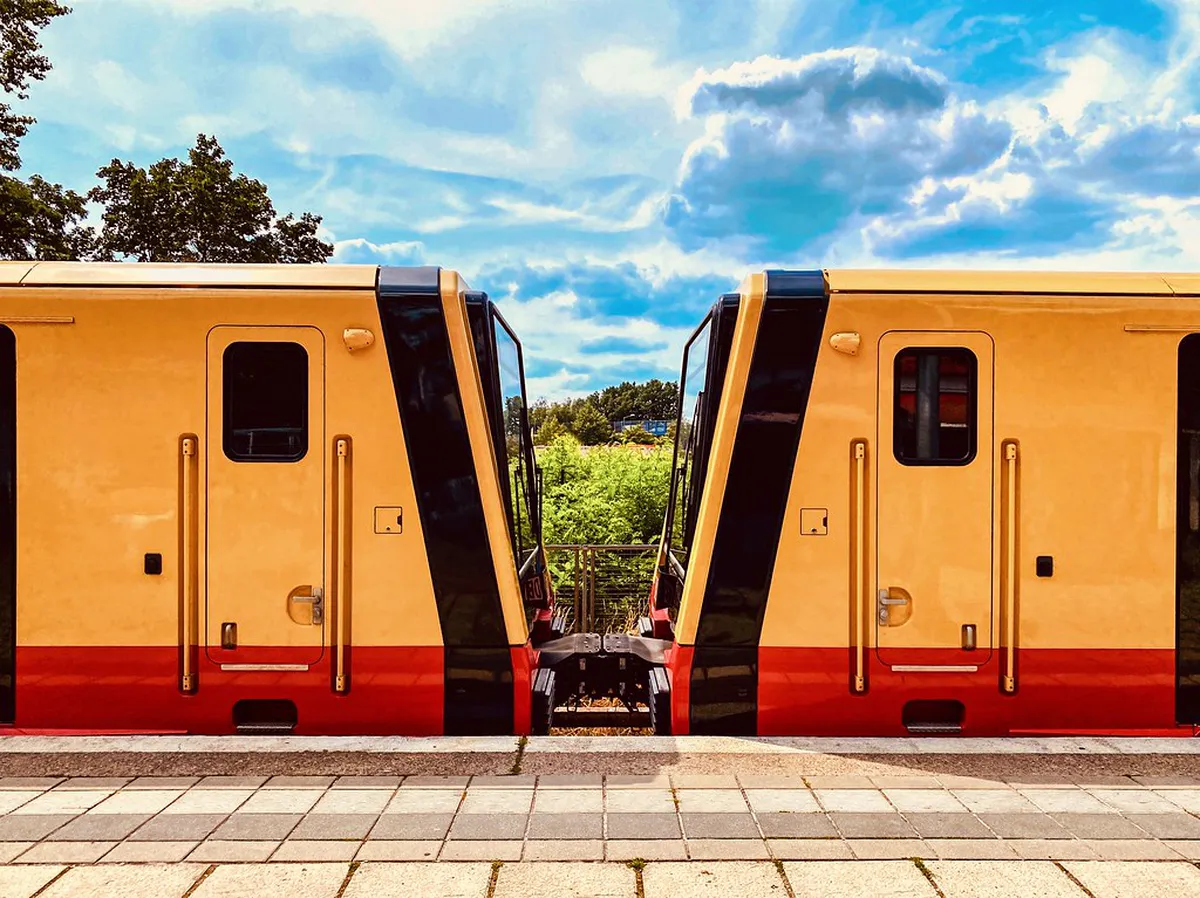
On weekends, U-Bahn and S-Bahn trains run through the night. On weekdays they stop around 01:00 and night buses (N lines) take over. The S-Bahn Ringbahn (S41/S42 lines) circles the inner city in both directions and is useful for reaching Charlottenburg from Friedrichshain without changing trains. Bike-sharing via Deutsche Bahn's Call a Bike service and multiple e-scooter operators cover the gaps between train stations.
Berlin is cold and grey from November to February. December is the exception — the city runs some of Europe's best Christmas markets, and Gendarmenmarkt hosts one of the finest. If you visit in winter, layer heavily and book indoor museum slots in the mornings. Summer (June–August) brings warmth, long evenings, and significantly larger crowds at every major site. Late September and October offer a balance of mild weather and shorter queues that most experienced Berlin visitors prefer.
Combine this with our ultimate Berlin guide for a complete trip plan.
Frequently Asked Questions
Is 3 days in Berlin enough for a first visit?
Yes, three days is the perfect amount of time for a first visit. You can see the major historic sites in Mitte and explore trendy neighbourhoods like Kreuzberg. It allows for a balanced pace without feeling too rushed.
How much does a typical day in Berlin cost?
A mid-range traveller should budget €80 to €120 per day. This includes public transport, museum entries, and two restaurant meals. You can save money by eating street food like currywurst or doner kebabs.
What is the best way to get around Berlin?
The public transport system, including the U-Bahn and S-Bahn, is excellent and efficient. I recommend buying a 24-hour ticket or a Berlin Welcome Card for unlimited rides. Walking is best for exploring specific districts like Mitte.
Berlin is a city that rewards those who take the time to look beneath the surface. Whether you stay for two days or five, focusing on specific neighbourhoods will improve your experience. The booking timeline section above is the single most useful thing to act on before your trip — Reichstag slots disappear fast.
Use this guide as a decision-making tool: read the section for your duration, note the food stops and time blocks, then book the two or three things that require advance slots. Everything else in Berlin is flexible and walkable. Safe travels on your upcoming German adventure in 2026.
You might also like


Continue reading
More guides you'll find useful