12 Best Things to Do and Tips for Berlin First-Timers
Discover the best things to do in Berlin for first timers. Our guide covers must-see landmarks, Cold War history, neighborhood guides, and essential travel tips.
On this page
12 Best Things to Do and Tips for Berlin First-Timers
Berlin rewards first-timers who come prepared. This is a city of nine times the surface area of Paris, split between distinct neighbourhoods with completely different characters, and built on a history that spans two opposing 20th-century systems. Knowing which sites to prioritise and which practical traps to avoid makes the difference between a frustrating trip and an unforgettable one.
This guide covers the must-see landmarks, the Cold War sites worth your time, the best neighbourhoods to base yourself in, and the practical details — transport zones, the WelcomeCard, the Sunday closing rule — that most first-time visitors only learn the hard way. Internal links point to deeper guides on 3 Days in Berlin Itinerary: The Ultimate Local Guide and 10 Best Museums in Berlin: The Ultimate 2026 Visitor's Guide for when you want more detail on a specific topic.
Essential Berlin Travel Tips for First-Timers
A few practical realities about Berlin will save you real money and real frustration. Cash is still expected in many smaller cafes, late-night bars, and traditional restaurants across the city. Carry at least €20 in physical bills at all times — the Girocard culture is deeply embedded and card terminals are often off at the smaller spots.
Sundays shut down almost all supermarkets and retail shops in Germany. This is not an exaggeration: the shelves are locked and the doors stay closed all day. Do your grocery run on Saturday evening, because restaurants and museums remain open on Sundays and that is the best day to dedicate to sightseeing.
Bike lanes in Berlin are a serious matter. The red-paved lanes running alongside pedestrian pavements are not a suggestion — local cyclists move fast and will ring loudly if you wander in. Stay on the grey pedestrian path and look both ways before crossing any red strip. This is probably the easiest way to annoy a Berliner within your first hour.
The Berlinale Film Festival runs each February (12–22 February in 2026) and concentrates around Potsdamer Platz. If you are not a cinema fan, plan your trip outside those dates to avoid inflated prices and packed venues. December brings Christmas markets to Gendarmenmarkt and other central squares — a genuinely atmospheric reason to visit in winter.
The Reichstag dome books out 3+ weeks in advance during summer. Reserve your free entry slot at bundestag.de before you arrive — walk-up slots rarely open and tour-operator reservations mark up the experience without adding value.
Must-See Historical Landmarks and Attractions
The Reichstag dome is free to visit but requires a reservation — book online at the Bundestag portal at least three weeks before you arrive. The rooftop terrace gives you a full 360-degree view of central Berlin and the audio guide explains the political history of the building in useful detail. Slots fill up fast in summer, so book early or check GetYourGuide for tour operators who hold reserved entries.
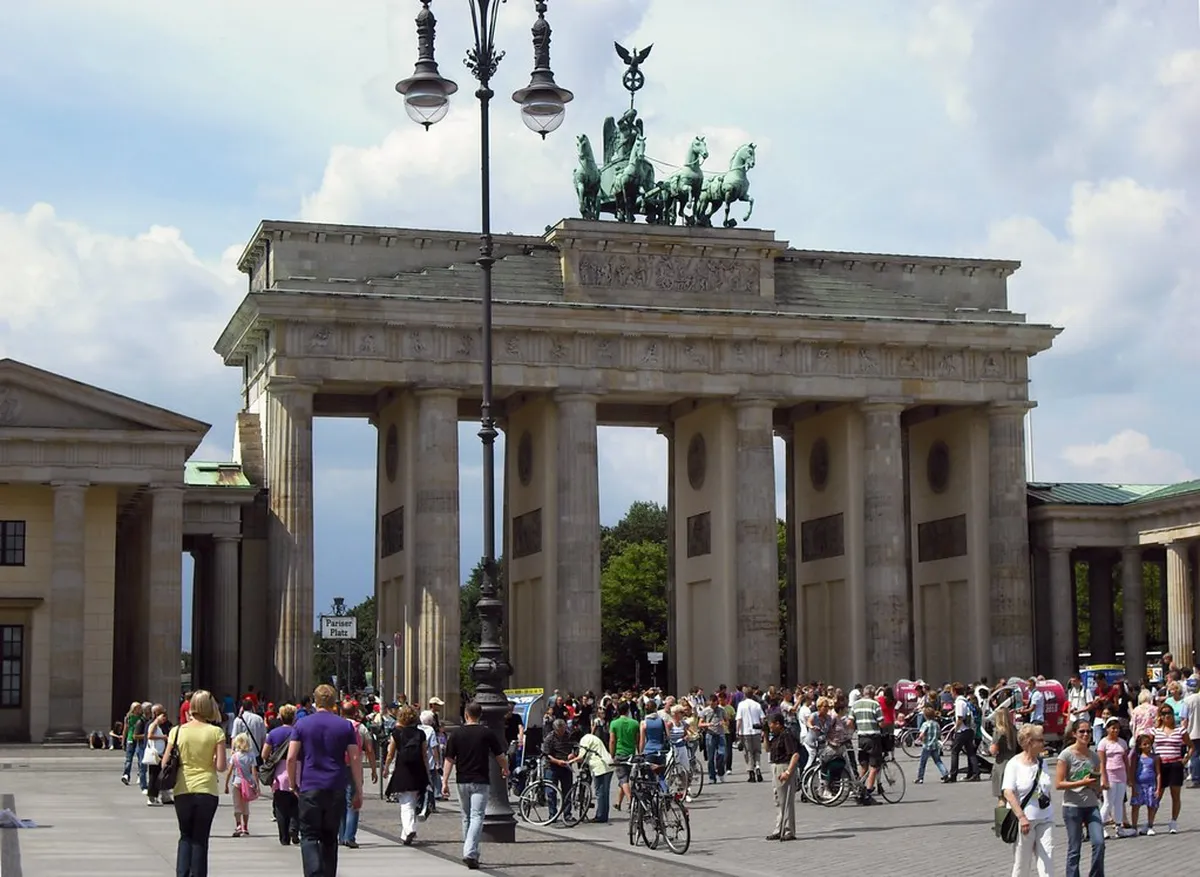
The Brandenburg Gate is the obvious pairing — it is a five-minute walk from the Reichstag and free to visit at any hour. Brandenburg Gate at night is particularly photogenic when floodlit and crowds thin considerably after 21:00. Just behind the gate is the vast Tiergarten park, worth a slow walk if you have an hour to spare before the next booking.
Gendarmenmarkt Square is one of the finest squares in Germany and frequently overlooked by first-timers who stick to the Mitte landmarks. It is framed by the German Cathedral, the French Cathedral, and the Konzerthaus concert hall. Climbing the French Cathedral dome costs €4.50 and gives a quieter elevated view over central Berlin than the TV Tower queue will allow.
The Holocaust Memorial — officially the Memorial to the Murdered Jews of Europe — sits a short walk south of the Brandenburg Gate. Walking between the 2,711 concrete slabs of varying heights is unsettling in the best possible way. The underground information centre beneath the memorial provides essential historical context and is free to enter.
Cold War Sites You Can't Miss
The East Side Gallery is the single most important Cold War site in the city for visual impact. This 1.3-kilometre stretch of the original Berlin Wall was painted by international artists immediately after the Wall fell in 1989, and the murals have been restored and preserved since. It is free, open 24 hours, and best visited before 09:00 if you want unobstructed photos — tour groups arrive in force by mid-morning.
Start your walk from the Schillingbrücke end and finish at the famous fraternal kiss mural near Ostbahnhof. From there, it is a five-minute walk across the Oberbaumbrücke into Kreuzberg, making the Gallery a natural connector between two of Berlin's most interesting areas.
Checkpoint Charlie divides opinion. The replica guardhouse and actors in uniforms feel performative, and the surrounding museum is expensive at €17.50 for adults. That said, the free open-air Black Box memorial next to it — dedicated to the divided Berlin — is worth ten minutes and cuts through the tourist-trap atmosphere. The on-street historical information panels are genuinely informative if you read them instead of queuing for a photo.
The Topography of Terror is the Cold War and Nazi-era site that most competitors skip but which serious history visitors rate above Checkpoint Charlie. It is built on the excavated foundations of the Gestapo and SS headquarters, and the permanent outdoor and indoor exhibitions are free. The combination of original site + photographic evidence + biographical detail makes it one of the most sobering hours you will spend in Germany.
World-Class Museums and Cultural Sites
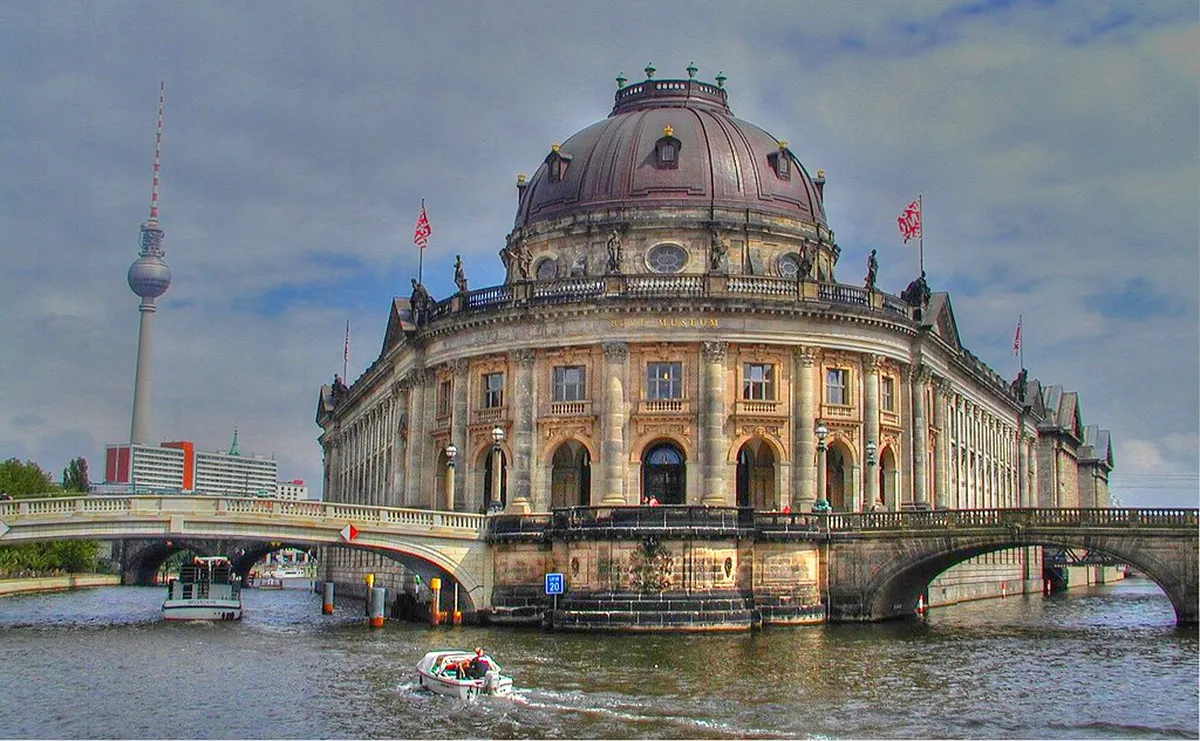
Museum Island is a UNESCO World Heritage Site containing five museums in the heart of the city. The combo day ticket covering all five costs €28 in 2026. Note that the Pergamon Museum is closed for renovation until at least 2027, so factor that into your expectations. The Neues Museum — home to the famous bust of Queen Nefertiti — and the Alte Nationalgalerie with its 19th-century paintings are the strongest options right now. Book timed entry at least a week ahead during summer. For a full breakdown of what each museum covers and which to prioritise, see our guide to the 10 Best Museums in Berlin: The Ultimate 2026 Visitor's Guide.
The Berliner Dom sits directly across from Museum Island on the Spree and costs €10 to enter (under 18s free). The interior is one of the grandest Protestant cathedral interiors in Europe, and the dome walk gives views over the river and the surrounding historic district. It opens daily from 10:00 to 18:00.
The TV Tower at Alexanderplatz is the tallest structure in Germany and the best single viewpoint in the city. Online tickets cost €27.50 versus €30.50 on the door, and there is often a 30-minute queue even with a pre-booked slot. Go in the daytime rather than after dark — the glass creates glare that kills photographs at night. The revolving restaurant at the top requires a separate booking and sells out a month in advance for popular time slots.
If you are travelling with children or simply want something more hands-on, the DDR Museum next to the Berliner Dom is an interactive exhibition of everyday life in communist East Germany. Tickets cost around €13.50 and the exhibits — from a Trabant car you can sit in to a reconstructed East German apartment — take roughly 90 minutes to work through.
Best Neighborhoods to Explore (Kreuzberg & Beyond)
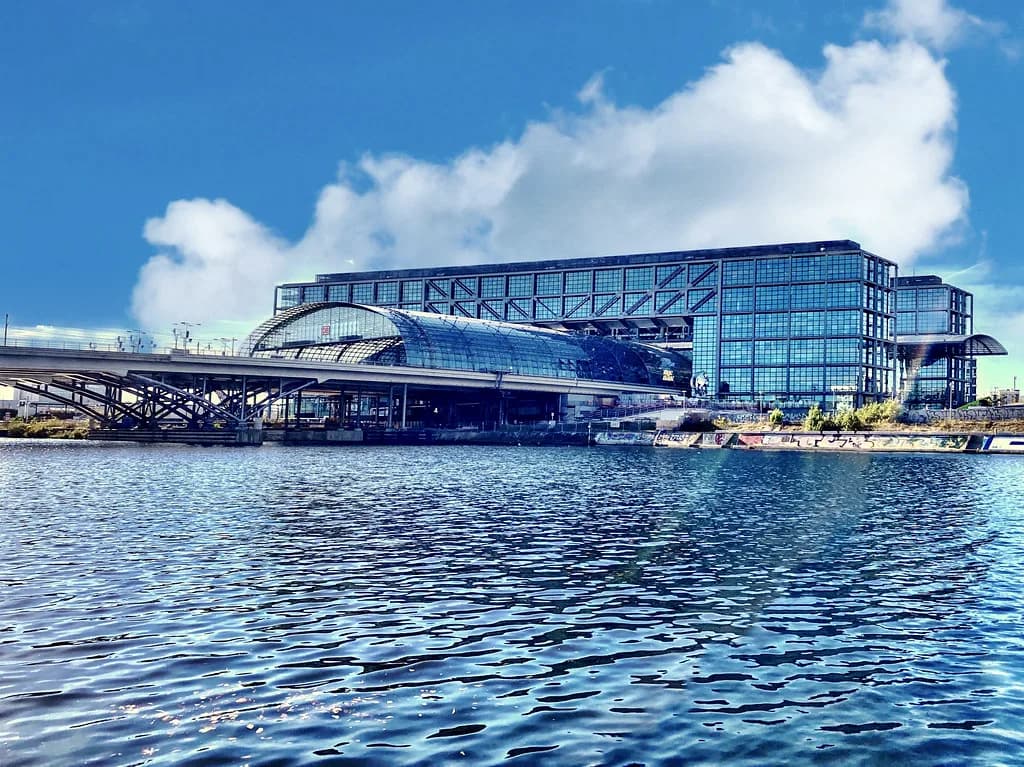
Berlin has no real downtown. It is a collection of Kieze — neighbourhood villages — each with its own personality, and choosing which ones to explore is half the planning. Mitte is where the landmarks cluster: Brandenburg Gate, Reichstag, Museum Island, and the main train station are all within walking distance of each other. It is the most tourist-dense area but also the most practical base for a short trip.
Kreuzberg is the neighbourhood for food, street art, and nightlife. The area around Kottbusser Tor is dense with Turkish food stalls, independent bars, and graffiti-covered walls. Il Casolare on Grimmstraße is widely regarded as Berlin's best pizza — no reservations, long queues, worth it. For a drink, the Admiral bridge (Admiralbrücke) at dusk is a free, atmospheric spot where locals gather with bottles from nearby off-licences.
Prenzlauer Berg is the quieter, more polished alternative — restored pre-war Wilhelmine buildings, boutique coffee shops, and a family-friendly pace. The Sunday market at Mauerpark draws locals for vinyl, street food, and impromptu karaoke. It is three stops on the U2 from central Mitte and a completely different atmosphere from the Kreuzberg side of the city.
Neukölln — particularly Richardkiez and the Reuterkiez area — is where Berlin's creative scene has shifted over the last decade. It is less polished than Prenzlauer Berg and more genuinely local than Kreuzberg's tourist-heavy strip. If you have a full day to spare, rent a bike and loop from Tempelhofer Feld into Neukölln for an afternoon that most first-timer guides miss entirely.
Sunday opening hours in Berlin are deceptive: supermarkets, retail, and pharmacies close entirely all day, but restaurants, museums, and churches stay open. Stock up on groceries and cash on Saturday evening if you plan to be in the city Sunday — running short on food or money mid-sightseeing is a real friction point for first-timers.
Where to Eat: A Gastronomic To-Do List
Currywurst is the entry point. A portion from a street stand near any major station costs €5–€8 and is genuinely good — the version at Curry 36 on Mehringdamm in Kreuzberg is a benchmark worth visiting. Do not confuse tourist-facing currywurst counters near the Brandenburg Gate with the real article; the neighbourhood stands are better and cheaper.
For a sit-down meal, Kreuzberg delivers the most variety at honest prices. Turkish, Arabic, Korean, and classic German options line the streets around Kotbusser Tor, and most kitchens stay open past midnight. Budget €12–€18 per person for a full meal with a drink at a mid-range place. Döner kebab from one of the Turkish-run stands will cost €5–€7 and is universally reliable as a fast meal between sightseeing.
Berlin has one of the strongest vegan and vegetarian scenes in Europe. Voner on Boxhagener Platz in Friedrichshain serves vegan currywurst and döner that convert even committed carnivores. The food market scene is worth a dedicated morning — Markthalle Neun in Kreuzberg runs a Street Food Thursday every week from 17:00 to 22:00 with a genuinely local crowd rather than a tourist-first atmosphere.
For something quieter, The Hat jazz bar under the U-Bahn tracks in Mitte is a reliable evening option. Entry is free on weekdays and the equivalent of one cocktail on weekends. Musicians often drop in unannounced, which gives it an energy that scheduled live music venues rarely match. Come on a Tuesday or Wednesday for the best atmosphere-to-crowd ratio.
Where to Stay: Top Neighborhoods for Newcomers
Mitte is the most logical base for first-timers. The central location puts you within walking distance of the Reichstag, Museum Island, and Berlin Hauptbahnhof, and the U6, U8, and all major S-Bahn lines converge here. Hotels are more expensive than other districts — budget €90–€150 per night for a mid-range option — but you recover that cost in saved transit time and stress.
Kreuzberg is the better choice if nightlife and food culture matter more to you than proximity to landmarks. The area around Kottbusser Tor station connects you directly to the U1 and U8 lines, which cover most tourist destinations efficiently. Prices run €60–€110 for a mid-range hotel room and the neighbourhood itself is free entertainment after dark.
Prenzlauer Berg suits families or anyone who values a calmer environment. Pre-war architecture, leafy streets, and a slower pace make it feel like a different city from the tourist-heavy centre. It is three stops from Mitte on the U2 and prices are competitive with Kreuzberg. For a detailed comparison of all the options, see our guide to where to stay in Berlin.
Berlin's Transport Zones: The One Thing Every First-Timer Gets Wrong
Berlin's public transport divides the city into three zones — A, B, and C — and buying the wrong ticket is the most common and easily avoidable first-timer mistake. Zone A covers central Berlin inside the S-Bahn ring. Zone B extends to the city limits. Zone C covers outer municipalities including Potsdam and, critically, Berlin Brandenburg Airport (BER).
A standard AB day ticket costs €10.60 in 2026 and covers virtually every tourist attraction in the city. But if you are arriving or departing via BER, you need an ABC ticket, which costs €12.80 for a day pass or €4.70 for a single airport ride. Many visitors buy an AB pass at the start of their trip and then have to pay again at the airport — buying ABC from the start avoids this entirely.
Single tickets cost €3.80 and are only worth it if you are making one or two journeys. Stamp your ticket at the yellow or red validator boxes on the platform before boarding — there are no turnstiles and inspectors work plainclothes. The fine for an unstamped ticket is €60, applied without exceptions. For full route planning use the BVG app, which covers all U-Bahn, S-Bahn, tram, and bus lines and gives real-time departures.
A week-long trip to Potsdam adds another wrinkle: the S7 line from Hauptbahnhof reaches Potsdam in about 35 minutes but requires a Zone C ticket. If you are day-tripping, buy a single ABC ticket rather than a day pass unless you plan multiple journeys that day. Understanding the zone logic once at the start of your trip removes a recurring source of confusion throughout your stay.
Berlin WelcomeCard: Is it Worth It?
The Berlin WelcomeCard covers unlimited public transport plus discounts (typically 25–50%) at selected museums and attractions. The 72-hour AB version costs €36.90 in 2026; the 72-hour ABC version that covers the airport runs €46.90. You can check current prices and partner discounts on the Berlin WelcomeCard Official Site.
The maths work in your favour if you are using the U-Bahn and S-Bahn frequently — three AB day passes alone would cost €31.80, so the card pays for itself on transit alone if you are making four or more journeys per day. The discounts on Museum Island combo tickets, the TV Tower, and certain walking tours can add another €10–€20 of value per person over three days.
The card is not worth buying if you are staying in a central neighbourhood and planning to walk most of the day, or if you are only visiting free sites like the East Side Gallery and Brandenburg Gate. In that case, individual AB day passes or a four-ride ticket bundle (€11.60) is cheaper. The strongest use case is a first-timer staying three days in Mitte who plans to visit Museum Island, the TV Tower, and make daily trips to Kreuzberg or Prenzlauer Berg.
Suggested 3-Day Berlin Itinerary
Day 1 should stay in central Mitte. Start at the Reichstag at 09:00 (pre-booked), walk to the Brandenburg Gate, then south to the Holocaust Memorial. Afternoon on Museum Island — Neues Museum or Alte Nationalgalerie, both bookable online. Evening dinner in historic Mitte or along the Spree. This day is almost entirely walkable and covers the heaviest concentration of landmarks.
Day 2 covers the Cold War side of the city. Start at the East Side Gallery before 09:00 for the best photos, walk across Oberbaumbrücke into Kreuzberg for lunch, then work your way to Checkpoint Charlie and the free Topography of Terror exhibition in the afternoon. Evening bar hopping in Kreuzberg around Kottbusser Tor. Use the U1 or U3 to connect the sites.
Day 3 shifts to neighbourhood exploration. Morning at Mauerpark market in Prenzlauer Berg (open Sundays), then rent a bike and head to Tempelhofer Feld for the afternoon — the former runway is 6 kilometres of open cycling and skating space in the middle of the city. Evening in Neukölln for dinner. If you have a fourth day, the S7 to Potsdam (Zone C, 35 minutes) adds Sanssouci Palace and the royal gardens to your trip. For a more detailed breakdown of timings, see the full 3 Days in Berlin Itinerary: The Ultimate Local Guide guide. Palaces in Potsdam are typically closed on Mondays.
Pair this with our complete things to do in Berlin guide to plan the rest of your trip.
Frequently Asked Questions
How many days do you need in Berlin for the first time?
Three days is the ideal duration for a first visit. This allows you to see major landmarks like the Brandenburg Gate while still having time for a museum or a local neighborhood walk.
Is the Berlin WelcomeCard worth it for 3 days?
The card is worth it if you plan to use public transport frequently and visit at least two major museums. You can find more details on the Berlin WelcomeCard Official Site to compare prices.
What is the best area to stay in Berlin for first-time visitors?
Mitte is the best area because it is central to most historic sites. It offers the best walking access to the Reichstag, Museum Island, and the main train station.
Berlin is a city that takes a little preparation and pays back generously. Get your Reichstag booking sorted three weeks out, carry cash, avoid the bike lanes, and know your transit zone before you tap your card at the airport. The rest of the city — the Wall, the museums, the neighbourhood bars, the open runways of Tempelhofer Feld — will take care of itself.
Whether you are standing in front of the East Side Gallery at dawn or nursing a coffee in a Prenzlauer Berg backstreet at noon, Berlin has a way of making history feel present and immediate. Safe travels through one of Europe's most layered and rewarding capitals.
You might also like



Continue reading
More guides you'll find useful