Munich Weekend Itinerary Travel Guide
Plan your munich weekend itinerary with top picks, neighborhood context, timing tips, and practical booking advice for a smoother trip to Bavaria.
On this page
A Perfect 3-Day Munich Weekend Itinerary
Munich blends deep Bavarian tradition with a sleek, modern energy that makes it perfect for a short break. This munich weekend itinerary is built around three days — Friday evening through Sunday — organized by neighborhood so you spend less time on the U-Bahn and more time at street level. It is designed for first-time visitors who want history, beer culture, and green space without a packed-to-exhaustion schedule.
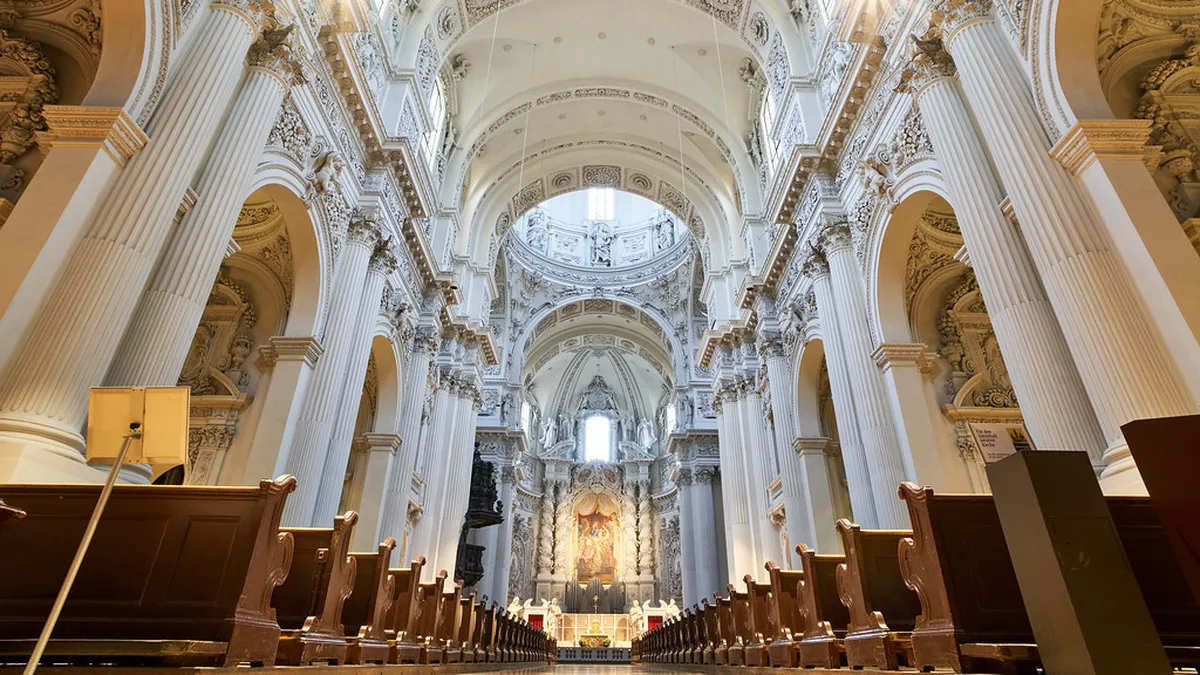
Whether you are arriving Friday at noon or Saturday morning, this plan is flexible enough to drop a half-day without losing the core experience. You can expect a balance of world-class museums, relaxed afternoons in beer gardens, and a few quieter corners that most visitors miss entirely. Use the our complete Munich guide pillar guide if you want deeper coverage of any single attraction.
The Best Things to Do in Munich
Munich rewards visitors who pick a few things and do them properly rather than racing between fifteen sites. The city's best experiences cluster naturally into three zones: the historic Altstadt in the center, the northern arc from the English Garden through Olympiapark, and the western stretch anchored by Nymphenburg Palace. Each zone is a half-day on its own, which is why this itinerary assigns one zone per day.
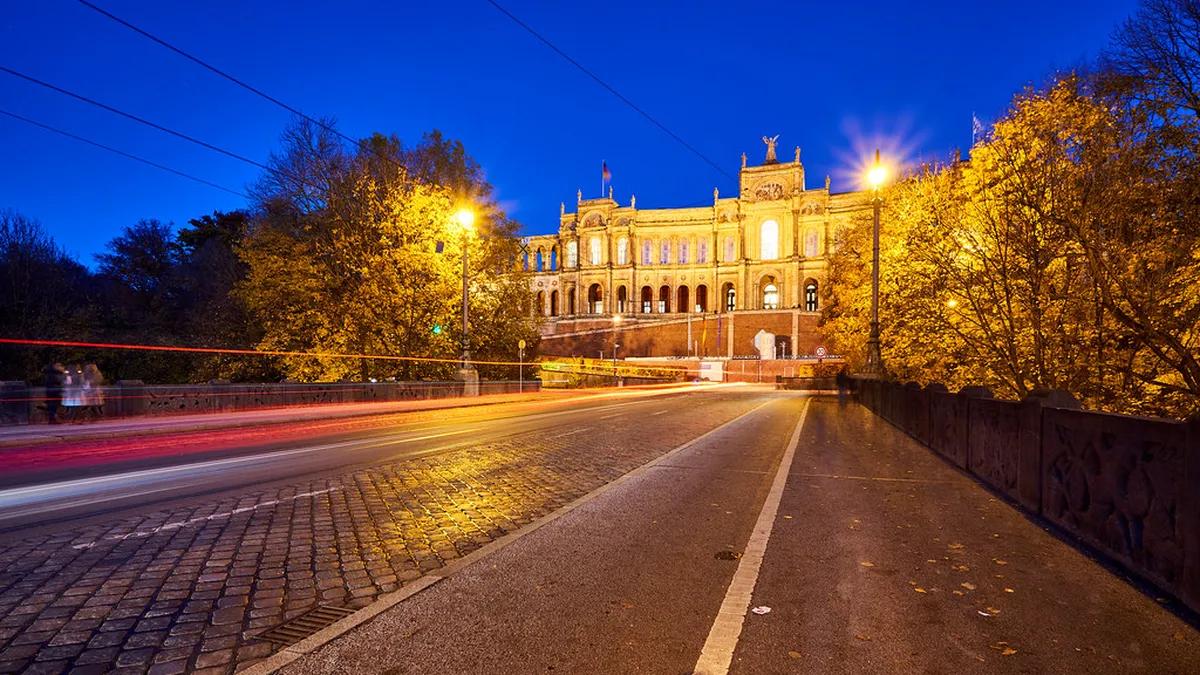
Marienplatz is the undisputed starting point. Arrive at 11:00 to watch the Glockenspiel figures re-enact the 1568 wedding of Duke Wilhelm V — the mechanical knights and coopers' dancers are life-sized, not the toy-scale versions most people expect. Just south of the square, the Viktualienmarkt has run as Munich's central food market since 1807; come hungry and budget €10–15 for weißwurst, obazda cheese spread, and a radish beer-snack before the afternoon crowds arrive.
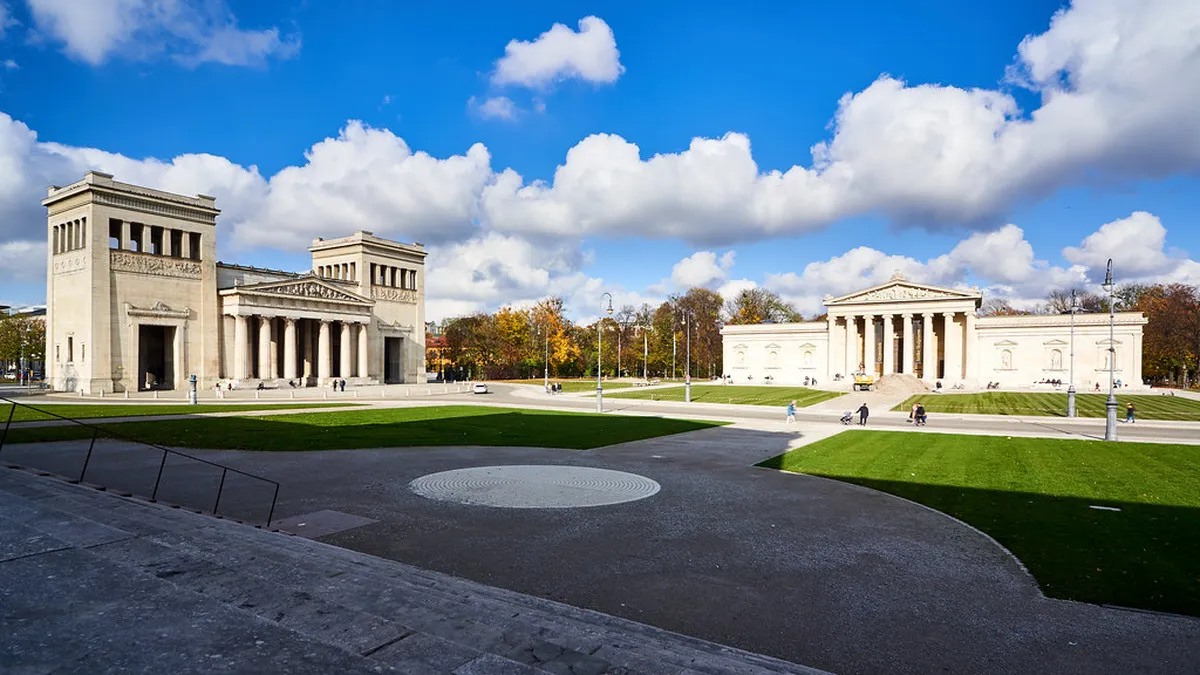
The Viktualienmarkt stays busy from 08:00 to 18:00 Monday through Saturday. Arrive between 11:30 and 12:30 for the best selection before the midday rush, or come early (before 09:00) to beat the crowds and catch the freshest items.
The Munich Residenz is the most underrated stop in the entire city. The former royal palace contains 130 rooms and one of the finest Renaissance halls in Europe, the Antiquarium. Combine it with the Treasury (separate ticket, ~€9 each or €14 combined) and plan two hours minimum. The English Garden to the northeast is one of the largest urban parks in the world — larger than New York's Central Park — and it is free. The Eisbach river surfers near the Haus der Kunst entrance are worth 20 minutes alone.
For art, the three Pinakothek museums in Maxvorstadt sit within a five-minute walk of each other: the Alte Pinakothek (old masters, €7), the Neue Pinakothek (19th century, €7), and the Pinakothek der Moderne (€10). On Sundays, admission to the Alte Pinakothek drops to €1 — one of the best value deals in any German city and a detail competitors consistently overlook. If Sunday morning is free on your schedule, this is where to spend it.
Pro tip
Buy an MVV day pass (€9.20 for inner zone) at any U-Bahn or S-Bahn station at the start of Day 1. This covers all public transport and pays for itself after just a few trips. The machines at stations have English menus.
Spend your afternoon at the Munich Residenz. This is the closest thing Munich has to Versailles: 130 furnished rooms, the gem-filled Treasury, and the astonishing Antiquarium banqueting hall built in 1568. After the Residenz, walk five minutes east to St. Peter's Church (Peterskirche) — Munich's oldest parish church and a free entry. Climb the 306-step tower (€5) for an elevated view straight down Marienplatz. This is a better sunset vantage point than many visitors realize. End the evening at the Hofbräuhaus on Platzl: touristy, yes, but founded in 1589 and genuinely atmospheric. A Maß (one-litre glass) of Helles costs around €12 in 2026.
If you want a less touristy alternative for dinner, Augustiner Klosterwirt on Augustinerstraße is where locals take out-of-town guests. The schweinebraten (roast pork) with Semmelknödel (bread dumplings) runs about €18 and is consistently excellent. Check out our one-day Munich itinerary if Day 1 is your only full day in the city.
Day 2: North Munich
Saturday takes you north. Start the morning at Nymphenburg Palace, a 10-minute tram ride from the city center (tram 17 from Hauptbahnhof to Schloss Nymphenburg). The palace grounds are free to walk; combined tickets for the interior rooms, carriage museum, and porcelain collection cost €15 in 2026. Arrive by 09:00 when it opens — the formal French gardens and tree-lined canal path are at their best in the morning quiet. The palace is wider than Versailles, though far fewer visitors know it.
From Nymphenburg, head back east toward Hirschgarten for lunch. This is the largest beer garden in Bavaria, with over 8,000 seats under chestnut trees and a deer enclosure just beyond the fence. A plate of schnitzel or Leberknödelsuppe (liver dumpling soup) with a half-litre Augustiner runs €12–16. Weekday lunches are calmer; Saturday afternoon fills up fast, so eat early. Take the U-Bahn U2 from Hirschgarten station one stop west of Rotkreuzplatz.
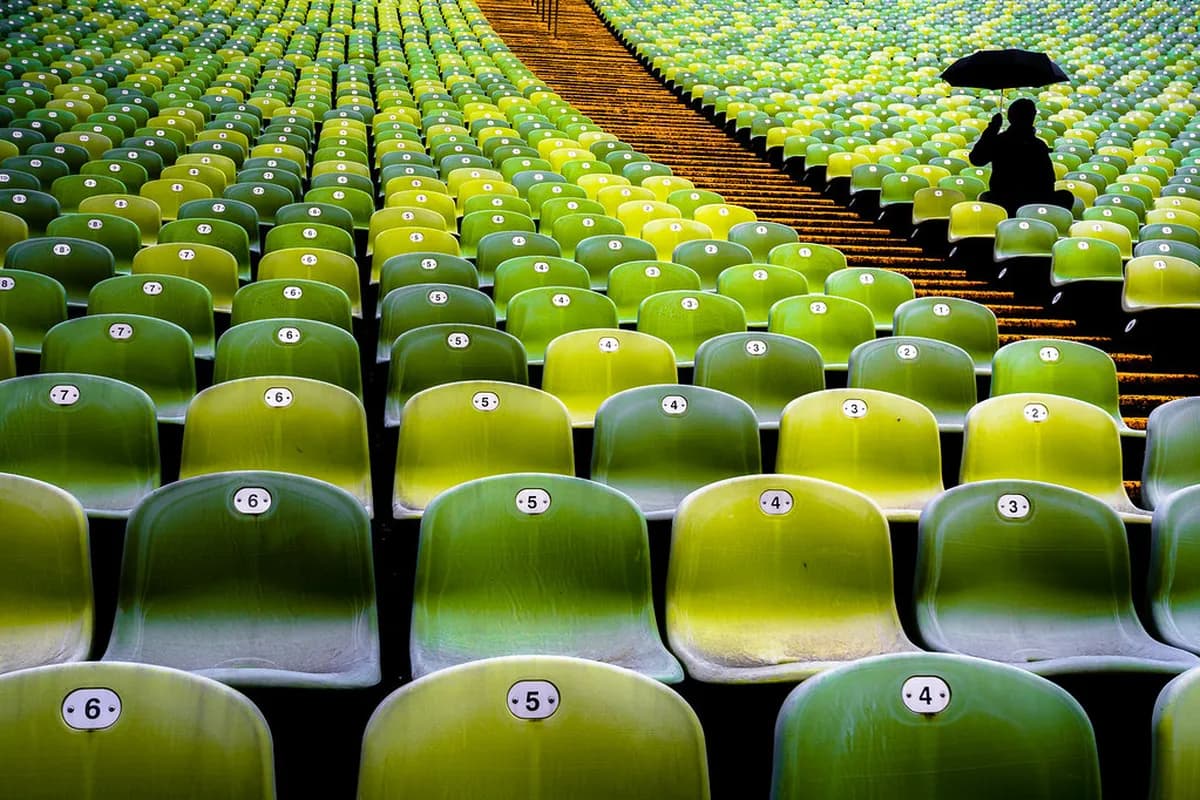
In the afternoon, ride the U3 to Olympiapark — the site of the 1972 Summer Olympics. Note for 2026: the Olympic Tower (Olympiaturm) remains closed for renovations until at least 2027, so skip the tower ticket and instead climb Olympiaberg, the free grass-covered hill inside the park, for a wide panoramic view that includes the Alps on clear days. Walk the 'Walk of Fame' beside the Olympiasee lake for celebrity handprints, then check the outdoor multimedia memorial to the 1972 massacre victims before you leave — it is sobering and informative. The free BMW Welt next door is worth an hour if you like architecture or cars; the paid BMW Museum requires a booking at least a week ahead in summer.
End Day 2 in Schwabing or Maxvorstadt. Grab a drink at Augustiner-Keller on Arnulfstraße — locals consider this the best traditional brewery in Munich, and the chestnut beer garden (Munich's oldest) is magnificent in warm weather. For something more contemporary, the Glockenbachviertel neighborhood south of the Isar has compact bars and the craft brewery BrewsLi near Kolumbusplatz serving IPAs alongside the standard Helles and Dunkel. Our 3-days Munich itinerary covers this northern arc in even more depth.
Day 3: The Isar, Maxvorstadt, and the Sunday Museum Hack
Sunday morning is the best time to visit the Pinakotheken museum quarter in Maxvorstadt — specifically because the Alte Pinakothek drops its ticket price to €1 on Sundays. This Rubens-heavy collection would normally cost €7; at €1 it is the strongest value proposition in Munich's entire cultural offering. The Neue Pinakothek and Pinakothek der Moderne stay at full price on Sundays, but all three museums are within a five-minute walk of each other, so you can combine two visits in a single morning for under €15 total. Arrive at 10:00 when they open.
After the museums, walk south through Maxvorstadt to the Isar riverbank. The stretch from the Friedensengel (Angel of Peace) statue down to the Deutsches Museum is about a 30-minute walk and shows a completely different side of Munich. On summer weekends, the gravel banks fill with swimmers and picnickers — locals treat the Isar like a beach despite it being a city river. The Deutsches Museum on Museum Island is the world's largest science and technology museum; if you visit, allow at least three hours. Alternatively, cross into the Glockenbachviertel for a relaxed lunch at a streetside cafe.
For a final afternoon, consider a tram or U-Bahn ride to Haidhausen, the so-called French Quarter east of the Isar. Wiener Platz at its center has small market stalls on weekday mornings, but the surrounding streets — especially Preysingstraße — have excellent wine bars and independent bakeries open on Sunday afternoons. It is a noticeably quieter Munich than the Altstadt and a good place to end the trip at a slower pace. From Haidhausen, the S-Bahn connects directly to Munich Airport (Munich Hauptbahnhof → S1 or S8, about 40 minutes).
Where to Eat in Munich
Bavarian food is heavier than most visitors expect: expect pork in multiple forms, dumplings (Knödel), and pretzels at almost every traditional restaurant. Weißwurst — white veal sausage served with sweet mustard and a pretzel — is eaten strictly before noon by Munich convention, so an 08:30 breakfast at Café Glockenspiel overlooking Marienplatz (slightly expensive at around €14 for the full set, but the window view is unmatched) or a cheaper version at Hofbräuhaus when it opens at 11:00 is the way to start.
For lunch on the go, Viktualienmarkt stalls cover every need from fresh obazda cheese spreads to Metzgerei Schäbitz weißwurst to the chic LEA ZAPF MARKTPATISSERIE tucked inside the market. The market's beer garden seats 1,000 and pours from a rotating selection of the city's six major breweries — you cannot drink Augustiner and Paulaner from the same garden anywhere else in Munich. Evenings work best at Pfundig on Lindwurmstraße (elevated Bavarian, weekday lunch deals at €11 between 11:00 and 14:30) or at Doctor Drooly in Ludwigvorstadt for long-fermented vegan or conventional pizzas — it opens at 17:00 only, so plan accordingly.
Budget travelers should know that the Altmünchner Gesellenhaus on Adolf-Kolping-Straße puts three Bavarian classics on a Monday lunch special for €9.90. That is the cheapest sit-down traditional meal in the center. For coffee, KANSO COFFEE LAB in the Residenzpassage (Theatinerstraße 35) treats espresso as a formal ritual and occasionally runs a guided coffee omakase tasting; ONOS Café near Sendlinger Tor does a solid Greek coffee and pistachio croissant for a lighter morning start.
Munich Bars and Breweries
Munich has six brewery families that are permitted to serve at Oktoberfest: Augustiner, Hofbräu, Paulaner, Hacker-Pschorr, Spaten-Franziskaner, and Löwenbräu. Each has its own beer hall or keller in the city, and visiting even two of them gives a genuine sense of how Munich's beer culture works year-round — not just in late September. Augustiner-Keller on Arnulfstraße is the local favorite; its wooden barrel service and chestnut beer garden (the oldest in Munich) are more relaxed than the tourist-facing halls.
Hofbräuhaus at Platzl 9 is the obvious starting point for newcomers — founded in 1589, it seats 1,300 people in the main hall and feels genuinely theatrical. A Maß of Dunkel or Weißbier costs about €12 in 2026. If the noise level is a problem, the smaller side rooms and the upstairs floor are significantly quieter. Paulaner Bräuhaus at Kapuzinerplatz is currently under renovation and changing ownership, so call ahead or check its website before visiting in 2026 to confirm current hours.
For something beyond the big six, BrewsLi near Kolumbusplatz makes IPAs, pale ales, and seasonal styles alongside the expected Helles and Dunkel — unusual in a city that takes the Reinheitsgebot (the 1516 German purity law for beer) very seriously. Boazeria Giesing on Freibadstraße serves regional craft beers from Giesinger, Tilmans Biere, and Flötzinger in a small and unpretentious room; it is the kind of neighborhood bar that disappears on most tourist radars and rewards those who seek it out.
Where to Stay in Munich
Altstadt (the central Old Town) is the most convenient base for a first visit but carries the highest hotel prices, typically €150–250 per night for a mid-range room in 2026. Staying within walking distance of Marienplatz means every Day 1 attraction is reachable on foot. If budget is a constraint, the U-Bahn system is efficient enough that a 15-minute ride from a cheaper neighborhood costs you very little actual time.
Maxvorstadt, the university district north of Altstadt, offers a more local atmosphere with cafes, gallery streets, and easy access to the Pinakotheken museums. Mid-range hotels here run €90–150 per night and place you within 20 minutes' walk of both the English Garden and Marienplatz. Ludwigsvorstadt, just south of the Hauptbahnhof, is a practical choice if you are arriving by train or plan an early morning airport departure — it is also close to the Oktoberfest grounds for late-September visits.
Haidhausen, east of the Isar, is the best choice for travelers who want a quieter, residential feel. Often called the French Quarter, its Wiener Platz neighborhood has independent restaurants and wine bars that stay open late without the Altstadt noise levels. Public transit connects Munich, Germany neighborhoods to the center within 10–15 minutes on the tram or U-Bahn. For a comparison of options and price ranges by area, see the Munich neighborhoods guide.
Adding More Days: Day Trips and Extensions
If your trip extends beyond the weekend, the surrounding Bavarian countryside makes Munich one of the best day-trip bases in Europe. The most famous choice is Neuschwanstein Castle — trains depart Munich Hauptbahnhof to Füssen roughly every two hours, the journey takes about two hours, and the castle itself requires either a booked ticket (book online weeks ahead in summer) or a very early arrival queue. A full round trip plus castle entry runs about €60–80 per person.
The Dachau Concentration Camp Memorial is 20 minutes from Munich Hauptbahnhof on the S2 S-Bahn line, followed by a short bus ride. Entry is free; the museum and outdoor grounds require at least four hours for a respectful visit. It is not light, but it is essential context for understanding 20th-century Munich. For mountain access, Garmisch-Partenkirchen is a 90-minute train ride to the base of the Zugspitze, Germany's highest peak.
For travelers who have already seen the Altstadt and want something structurally different, the how many days in Munich guide maps out which additional sites justify a fourth or fifth day and which are best left for a return trip. The Deutsches Museum alone can consume a full day if you pursue exhibits seriously. Berchtesgaden and the Eagle's Nest above Königssee are also reachable as day trips, though the mountain road to the top only opens from mid-May through late October.
Munich Travel Tips for 2026
The MVV public transport network covers the entire city on a single integrated ticket. A single-day network ticket costs €9.20 (inner zone, covers Altstadt through Olympiapark) or €18.20 for the full network that reaches Dachau and the airport. Buy from machines at any U-Bahn or S-Bahn station; the machines have English menus. Stamp your ticket before boarding — inspectors check regularly. The IsarCard weekly pass at €24 is worth it for stays of four or more days.
Most Munich shops and many smaller cafes are closed on Sundays. Plan your souvenir shopping and any specialty grocery runs for Friday or Saturday. The Viktualienmarkt is closed on Sundays. Many museums are also closed on Mondays, so if your weekend includes a Monday, check opening days before building your schedule around the Deutsches Museum or the Alte Pinakothek.
The Olympic Tower (Olympiaturm) at Olympiapark remains closed for renovation in 2026 and is not expected to reopen until 2027 at the earliest — several guides still list it as a viewpoint, but you cannot enter. Olympiaberg (the hill inside the park) is free and gives a strong panoramic view as an alternative. For visitors arriving in late September, Oktoberfest runs for 16–18 days and tent reservations at the Theresienwiese grounds fill up months in advance; street festival entry is free but reserved tent tables are required for seated service. See our Oktoberfest guide for booking timelines.
Frequently Asked Questions
Is 2 days enough for a Munich weekend itinerary?
Two days allow you to see the Old Town and the English Garden comfortably. You will miss the outlying palaces or museums. It is a great start for first-time visitors.
What is the best way to get around Munich?
The MVV public transport system is excellent and very reliable. Use the U-Bahn and trams for most city travel. Walking is best for the historic Altstadt district.
A munich weekend itinerary offers a perfect blend of historic charm and modern German efficiency. From the heights of the Olympic Tower to the depths of a beer cellar, the city never fails to impress. I hope this plan helps you make the most of every hour in this beautiful Bavarian destination.
You might also like


Continue reading
More guides you'll find useful