10 Best Munich Neighborhoods to Explore (2026 Guide)
Discover the best munich neighborhoods for your trip. From historic Altstadt to trendy Maxvorstadt, plan your stay with local tips and 2026 pricing.
On this page
10 Best Munich Neighborhoods for Every Type of Traveler
Munich is far more than a gateway to Oktoberfest. The Bavarian capital is a city of distinct villages that happen to share a transit network — each district with its own architecture, social scene, and pace of life. Picking the right base changes your entire experience: a week in Haidhausen feels nothing like a week in Altstadt, even though they are separated by a fifteen-minute walk across the Isar.
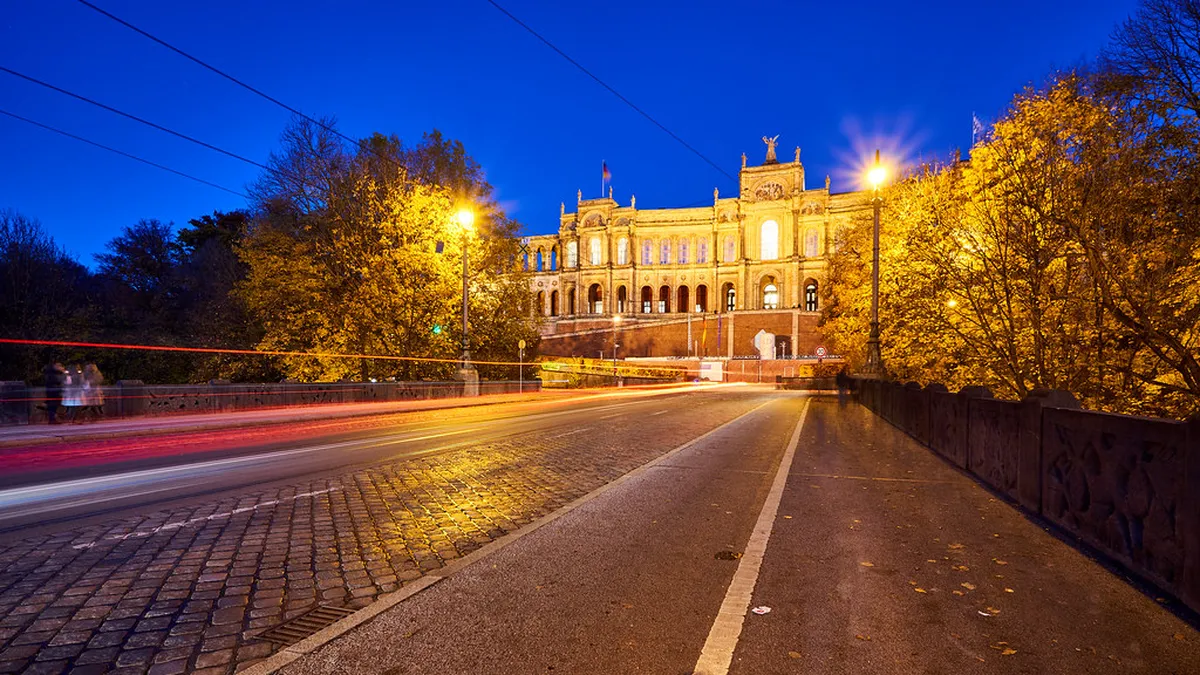
This guide covers the ten neighborhoods that matter most for visitors in 2026, plus a rundown of additional districts worth knowing about if your main picks don't suit your budget or travel style. Before you book, check the when to visit Munich to align your neighborhood choice with seasonal events and pricing.
The Best Area to Stay in Munich
For most first-time visitors, the answer is Altstadt. The Old Town keeps every iconic sight within a twenty-minute walk — Marienplatz, the Residenz, Viktualienmarkt, and the Hofbräuhaus all sit within a compact medieval core. The trade-off is price: mid-range hotels in Altstadt run €180–€300 per night in 2026, and rates spike sharply during Oktoberfest and major trade fairs like the IAA.
If Altstadt is over budget, the neighborhoods immediately north — Maxvorstadt and Schwabing — offer a wider hotel selection at slightly lower rates while remaining easy U-Bahn rides from the center. Travelers who want a local atmosphere over landmark proximity consistently prefer Haidhausen, just east across the Isar, where you can walk to Altstadt in fifteen minutes but wake up to a quieter, more residential feel.
The station district (Bahnhofsviertel) is the cheapest area with good transit access, but it lacks the charm of every other neighborhood on this list. Use it only if budget is the single deciding factor. Consult our getting around Munich guide to understand which U-Bahn and S-Bahn lines serve each district before you commit to a hotel.
Most tourist neighborhoods fall within the MVV (Münchner Verkehrsverbund) Zone M, which means a single day pass covers all U-Bahn, S-Bahn, and tram travel across the central districts. The airport is Zone 5, requiring an upgraded ticket. A single U-Bahn journey across the city typically takes 15–25 minutes, making the transit network far more efficient for moving between neighborhoods than walking distances suggest.
The 10 Best Neighborhoods in Munich for Tourists
These ten areas represent the most rewarding bases for visitors, ranked loosely by popularity rather than quality. Each suits a different travel profile, from first-timers wanting maximum sightseeing efficiency to repeat visitors seeking a genuinely local stay.
1. Altstadt — The Historic Heart
Altstadt is the medieval core of Munich and the logical anchor for a first visit. Marienplatz hosts the famous Glockenspiel, which performs at 11:00, 12:00, and 17:00 daily. The Frauenkirche's twin onion domes, the opulent Residenz palace complex, and the sprawling Viktualienmarkt food market all sit within easy walking distance. The Hofbräuhaus, despite its tourist reputation, is genuinely worth one beer — it dates to 1589 and seats 3,000 people across its wood-panelled halls.
Accommodation here is expensive but justified by sheer convenience. Budget travelers can consider Bahnhofsviertel, a ten-minute walk southwest of Marienplatz, for lower hotel rates with acceptable transit access.
2. Maxvorstadt — The Museum Quarter
North of Altstadt, Maxvorstadt is Munich's university and arts district. The Kunstareal cluster packs 18 museums and over 40 galleries into a walkable area around Königsplatz. The Alte Pinakothek holds Dürer, Rembrandt, and Rubens; the Pinakothek der Moderne covers design and contemporary art. Note that the Neue Pinakothek is closed for refurbishment until 2029 — its best works have been redistributed to the Alte Pinakothek in the meantime. The Lenbachhaus houses the world's finest collection of Blue Rider paintings by Kandinsky and Klee. On Sundays, state gallery admission drops to €1.
Maxvorstadt is lively without being loud. Independent bookshops, student pubs, and traditional Bavarian restaurants line the same streets. The Pullman Munich offers reliable high-end accommodation with strong transit links to the rest of the city.
3. Schwabing — Bohemian Legacy, Upscale Present
Schwabing was once the gathering place for writers like Thomas Mann and artists like Wassily Kandinsky. Today it is one of Munich's most expensive residential neighborhoods, lined with Art Nouveau (Jugendstil) facades along the Leopoldstrasse. The mix of high real estate prices and a large student population from LMU and TU Munich creates an unusual social energy — you find Michelin-starred restaurants one block from cheap student Schnitzel bars.
The main practical draw is the Englischer Garten, which runs along Schwabing's eastern edge. At 3.7 square kilometers, it is larger than New York's Central Park. Enter via the southern Haus der Kunst end to catch the Eisbachwelle river surfing wave, then walk north past the Chinese Tower beer garden to find quieter trails. The northern stretches near Aumeister are significantly less crowded than the popular southern sections.
4. Glockenbachviertel — Nightlife and Independent Culture
South of Altstadt, Glockenbachviertel is Munich's most creative district and the heart of the city's LGBTQ+ scene. The neighborhood centers on Gärtnerplatz, a circular square surrounded by 19th-century townhouses, where locals gather with supermarket wine and bottles from nearby kiosks on warm evenings. The annual Christopher Street Day (Pride Week) runs for nine days in July and draws large crowds throughout the district.
Independent boutiques, sustainable fashion labels, and craft cocktail bars dominate the commercial streets. The Deutsches Museum, one of the world's great science and technology museums, sits on a nearby Isar island and is easily reached from here. If you want late-night energy and independent retail rather than historic sights, Glockenbachviertel outperforms any other Munich neighborhood.
5. Haidhausen — The French Quarter
Haidhausen sits on the east bank of the Isar, a fifteen-minute walk from Marienplatz but far removed from its tourist density. The neighborhood earned its "French Quarter" nickname from its 19th-century working-class history; today it is a genuinely residential area popular with young professionals and expat families. Wiener Platz hosts a daily market with a standout fish stall and one of the city's best beer gardens.
The Gasteig cultural center, home of the Munich Philharmonic Orchestra, anchors the neighborhood's cultural life. Max-Weber-Platz, Weissenburger Platz, and Rosenheimer Platz are all worth a slow wander. The University Hospital Rechts der Isar is also here, making the area popular with medical families. For accommodation, the Residence Inn by Marriott Munich City East provides convenient S-Bahn access from this side of the city.
6. Lehel — Upscale Quiet Near the Isar
Lehel is the most expensive residential neighborhood in Munich, wedged between the Altstadt, the English Garden, and the Isar. It has little tourist infrastructure of its own, but that is precisely why it appeals to visitors who want luxury and calm within walking distance of the center. The Haus der Kunst contemporary art gallery occupies the southern edge of the English Garden here, and the Bavarian National Museum is a short walk away.
The Eisbachwelle river wave is technically on the Lehel side of the park boundary — it is free to watch and draws surfers regardless of season or water temperature. This is one of Munich's most genuinely surprising sights, and almost no mainstream tourist itinerary includes it.
7. Au — Riverside Life and the Auer Dult
Au is the quieter, more residential half of the Au-Haidhausen borough, sitting south of Haidhausen along the Isar riverbanks. Its cobbled backstreets and low-rise historic houses feel far removed from the tourist center. The district comes to life three times a year for the Auer Dult, a traditional Bavarian fair held at Mariahilfplatz in late April, late July, and late October. The fair specializes in ceramics, antiques, and handmade goods; the beer tents and fairground food stalls draw crowds of locals rather than tourists.
The Isar riverbanks here are excellent for cycling and picnics in summer. Au is a strong choice for travelers who have already done Altstadt on a previous trip and want to experience Munich at a more residential pace.
8. Neuhausen-Nymphenburg — Palatial West Munich
Dominated by Nymphenburg Palace and its vast formal gardens, Neuhausen-Nymphenburg sits west of the center and feels markedly more spacious than the inner districts. The palace grounds are free to enter; the individual museum rooms and palace interior require a ticket costing around €15 in 2026. The Hirschgarten beer garden nearby is one of Munich's largest and significantly less crowded than the English Garden's Chinese Tower.
The Adina Apartment Hotel Munich provides comfortable apartment-style accommodation in this western section of the city with good U-Bahn links back to the center.
9. Ludwigsvorstadt-Westend — Oktoberfest Territory
This district directly borders the Theresienwiese, the enormous open space that hosts Oktoberfest for three weeks across late September and early October. During the festival, hotel prices across the entire city surge — this neighborhood sees some of the sharpest increases. Outside those three weeks, Ludwigsvorstadt offers diverse international dining and more affordable accommodation than Altstadt, while remaining a short tram or U-Bahn ride from the center. Check our Oktoberfest guide for specific dates and booking timelines for 2026.
10. Sendling — Authentic Working-Class Munich
Sendling sits south of the center and retains an unpolished, genuine local character that the inner districts have largely lost. The Westpark offers free access to beautiful Japanese and Chinese gardens, far less visited than the English Garden. The Grossmarkthalle wholesale market area has some of the most affordable traditional food in the city. Sendling suits travelers who find the central neighborhoods too polished and prefer to observe Munich as its residents actually live in it.
Munich Neighborhoods During Oktoberfest: A Decision Guide
Every accommodation guide mentions that Oktoberfest raises prices. Few explain which specific neighborhoods offer the best trade-off between proximity, cost, and noise during the festival weeks. This matters because the difference between a good and a miserable Oktoberfest experience often comes down to where you sleep.
Ludwigsvorstadt and Bahnhofsviertel are the most expensive and noisiest during festival weeks — you are paying a premium to be surrounded by other tourists. Sendling and Giesing are fifteen to twenty minutes from the Theresienwiese on foot or a short U-Bahn ride, with hotel rates that run 30–50% lower than the immediate festival perimeter. Both are calm enough to sleep in. Au-Haidhausen is a slightly longer journey but offers excellent local restaurants for post-festival meals away from the crowds.
If you are not attending Oktoberfest and simply happen to be visiting Munich in September or early October, consider staying in Schwabing or Maxvorstadt. These neighborhoods are far enough north that the festival foot traffic barely registers, yet the transit connections remain strong. Booking six months in advance is the minimum for any Munich accommodation in September or October 2026.
Other Munich Neighborhoods Worth Knowing
Munich's 25 administrative boroughs extend well beyond the areas most visitors consider. These additional districts are unlikely to be your base as a tourist, but knowing what each offers helps if your first-choice neighborhoods are fully booked or outside your budget.
- Bogenhausen — northeast of the center, this is the most family-friendly and affluent residential district in Munich. Grand villas, quiet streets, and proximity to the Isar make it popular with expats. The Prinzregentenfreibad outdoor pool is a local highlight.
- Olympiapark — well north of Maxvorstadt, the 1972 Olympic grounds are now a full leisure complex. The Olympic Tower viewing platform at 190 meters offers the best elevated views in the city, including Alpine panoramas on clear days. The BMW Museum and BMW Welt are within walking distance.
- Neuperlach and Ramersdorf-Perlach — southeastern outer districts with the most affordable rental prices in the city. Primarily residential with limited tourist infrastructure, but viable if you need a budget base with S-Bahn access.
- Pasing-Obermenzing — a relaxed western suburb popular with expat families. The Pasing Arcaden shopping center and the Blutenburg castle grounds are the main draws. S-Bahn connections make the city center reachable in under twenty minutes.
- Laim and Neuhausen — affordable neighborhoods adjacent to Nymphenburg that offer a quieter residential feel at lower prices than the tourist core. Both are well served by the U-Bahn lines running toward the city center.
- Schwabing-Freimann and Milbertshofen — northern districts surrounding the Olympiapark, with the BMW complex as the main attraction. These are commuter neighborhoods with little else for visitors, but hotel rates are typically lower than anywhere inside the inner ring.
For a deeper look at all 25 boroughs and their character, the Simply Munich tourism board publishes a detailed district map that is worth consulting before you finalize your accommodation search.
| District | Vibe | Best for |
|---|---|---|
| Altstadt | Historic, crowded, high-energy | First-time visitors, maximum sightseeing, short stays |
| Maxvorstadt | Artistic, student culture, walkable museums | Art lovers, university vibe, galleries |
| Schwabing | Upscale, bohemian history, lively student scene | English Garden access, Michelin dining, nightlife |
| Glockenbachviertel | Creative, LGBTQ+-friendly, independent shops | Late-night energy, nightlife, Pride Week (July) |
| Haidhausen | Local, residential, "French Quarter" charm | Families, expats, genuine neighborhood experience |
| Lehel | Upscale, quiet, exclusive | Luxury seekers, riverside calm, art galleries |
| Au | Riverside, historic backstreets, peaceful | Cycling, local fairs, repeat visitors, picnics |
| Neuhausen-Nymphenburg | Palatial, spacious, beer garden scene | Palace tours, Hirschgarten, relaxed pace |
| Ludwigsvorstadt-Westend | Festival-ready, diverse dining, mixed | Oktoberfest (Sept–Oct), budget-conscious |
| Sendling | Authentic, working-class, unpolished | Westpark gardens, local food, genuine Munich |
Tips on Choosing a Neighborhood in Munich
Proximity to a U-Bahn station matters more than proximity to a specific sight. Munich's subway runs every few minutes during the day and the entire network is reachable from any central neighborhood within twenty minutes. Do not pay a premium to be on a famous street if it means a noisy main road — check recent guest reviews specifically for noise before booking.
Book accommodation within 300 meters of a U-Bahn or S-Bahn station rather than on a "famous street." The U-Bahn lines U3, U4, U5, and U6 form a cross through the city center, connecting all major neighborhoods. U-Bahn access eliminates the need to walk or take taxis between districts, making your stay far more efficient than being on a crowded main street with car noise and tourist crowds.
Short-stay visitors (two to three nights) should prioritize Altstadt or Lehel for walking efficiency. Visitors staying four nights or more gain more by mixing base locations or by choosing a quieter district like Haidhausen that gives a better feel for how Munich actually functions as a city. The where to stay in Munich guide goes deeper on hotel options per district if you need specific property recommendations.
Families with children benefit from Haidhausen or Bogenhausen, both of which have good schools, parks, and healthcare facilities nearby. Solo travelers and younger visitors consistently prefer Glockenbachviertel for its nightlife density and the walkability of its bar and restaurant scene. The Gärtnerplatz area specifically — the circular square at the heart of the district — is one of the most socially animated outdoor spaces in Munich on a warm evening.
Frequently Asked Questions
Which Munich neighborhood is best for first-time visitors?
Altstadt is the best choice for first-timers because it houses the most famous landmarks. You can walk to Marienplatz, the Viktualienmarkt, and several major beer halls within minutes. It is the most efficient base for a short stay.
Are there any neighborhoods to avoid in Munich?
Munich is exceptionally safe, but the area directly around the Central Station can be gritty and loud. While not dangerous, it lacks the charm of other districts. Most travelers prefer staying a few blocks away in Maxvorstadt instead.
How much does a hotel cost in Munich neighborhoods?
Mid-range hotels typically cost between €130 and €220 per night in central areas. Prices fluctuate significantly during Oktoberfest and major trade fairs. Booking three to six months in advance is recommended for the best rates.
Munich's neighborhoods reward visitors who take the time to look beyond the Altstadt. Each district — from the art-saturated streets of Maxvorstadt to the riverside calm of Au — offers a different window into Bavarian city life. The transit system is good enough that almost any neighborhood inside the inner ring works as a base; the real question is what kind of experience you want to wake up to each morning.
For more planning help, check out our top things to do in Munich to fill your itinerary once you have picked a base.
You might also like


Continue reading
More guides you'll find useful