Best Time To Visit Munich Travel Guide
Plan the best time to visit Munich with seasonal weather guides, Oktoberfest tips, and practical booking advice for a perfect Bavarian getaway.
On this page
Best Time To Visit Munich
Late spring (May to June) and early September are the sweet spots for most visitors to the Bavarian capital. The city's climate is continental with strong Alpine influence — temperatures swing sharply between seasons, and the Föhn wind can deliver unexpectedly warm, clear days even in late autumn. Choosing the right month depends on whether you are after the beer-festival buzz, Christmas-market atmosphere, Alpine hiking, or simply the most comfortable sightseeing weather. Check a detailed month-by-month weather guide before you finalise your dates.
Munich draws the bulk of its visitors in three windows: April to May, September to October, and December. Each window has a distinct character and a very different price point. Understanding those differences is the fastest way to match your trip to your actual priorities.
The Best Time of Year for a Holiday in Munich
For most first-time visitors, mid-May to late June is the optimal window. Daytime temperatures sit between 18–24°C / 65–75°F, the Englischer Garten is at its greenest, and the city's beer gardens are open and lively without the shoulder-to-shoulder crowds of peak summer. Hotel rates are noticeably lower than in July and August, and you can walk into most major museums without advance tickets.
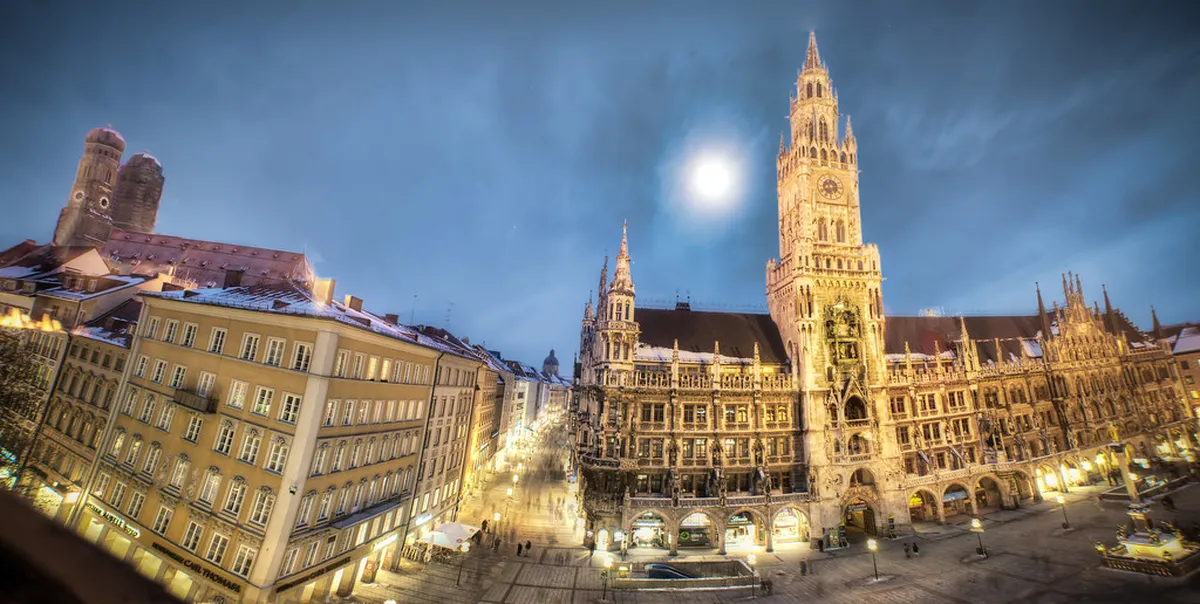
Early September is the other premier choice, offering crisp air and excellent light for photography in the Altstadt. The important caveat is that the Oktoberfest starts in the third week of September. If you plan to attend the festival, book accommodation at least six to nine months ahead. If you want to avoid it, aim for the first two weeks of the month when the city is still golden-lit but not yet overrun.
With over 1,700 hours of annual sunshine, Munich is one of Germany's sunniest cities. The sunniest months are June, July, and August, though summer also brings the most rainfall, typically in the form of short, heavy afternoon thunderstorms that clear quickly.
Munich Climate and Weather Overview
Munich sits at roughly 520 metres above sea level on the edge of the Bavarian plateau. The nearby Alps force cold air into the city in winter and generate the Föhn — a warm, dry downslope wind that can raise temperatures by 10°C in a matter of hours and offer crystal-clear mountain panoramas from the city's rooftops. The Föhn occurs most often in spring and autumn and is worth knowing about: it makes March or October days feel far more pleasant than the calendar suggests. For detailed Bavaria's climate information, the official Germany.Travel portal provides comprehensive seasonal breakdowns.
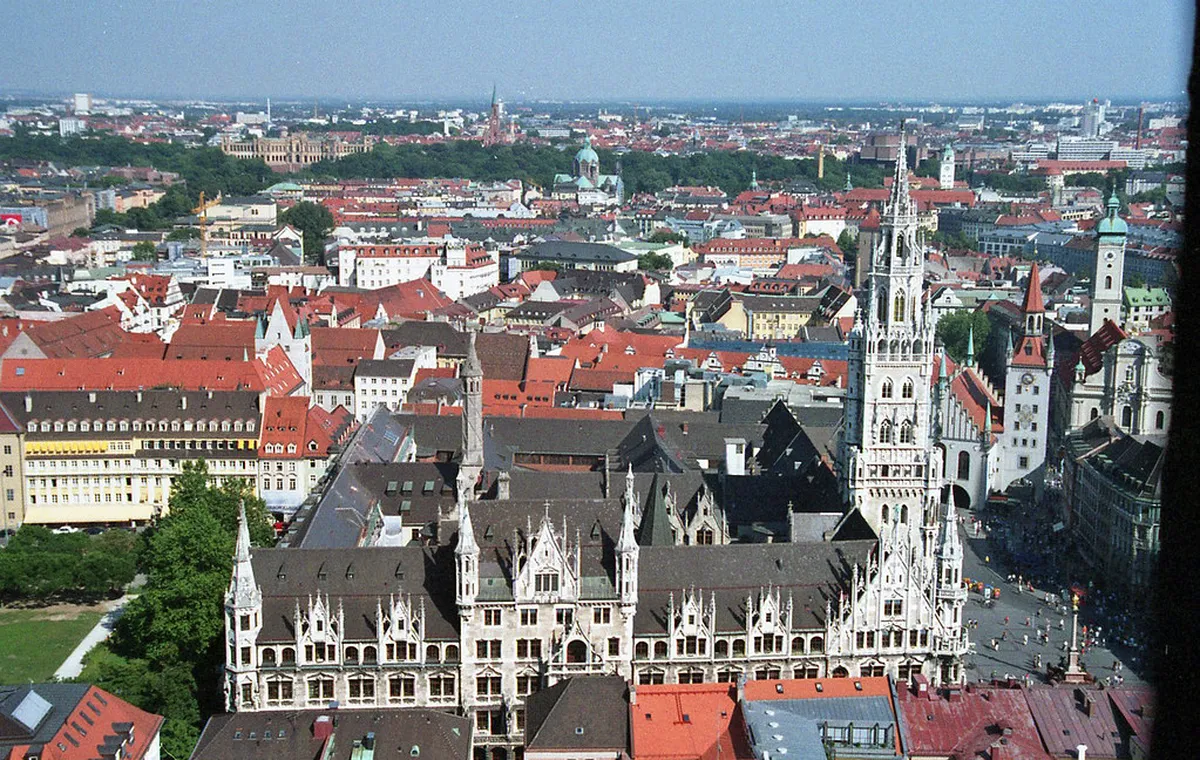
Average highs across the year range from around 4°C / 39°F in January to 24°C / 75°F in July. Rain is spread fairly evenly, with 8 to 11 wet days per month, but June through August see higher precipitation totals. Winters can bring real cold — January lows regularly drop below −3°C / 27°F — and snow is common from December to February.
| Season | Avg High | Avg Low | Rain Days/Month | Crowds | Hotel Prices |
|---|---|---|---|---|---|
| Jan–Feb | 4–5°C / 39–41°F | −3–−1°C / 27–30°F | 9–10 | Low | Low |
| Mar–May | 10–18°C / 50–64°F | 1–8°C / 34–46°F | 9–11 | Moderate | Mid |
| Jun–Aug | 22–24°C / 72–75°F | 12–14°C / 54–57°F | 11–12 | High | High |
| Sept–Oct | 17–19°C / 63–66°F | 7–10°C / 45–50°F | 8–9 | Peak (Sept) | Very High (Sept) |
| Nov–Dec | 5–8°C / 41–46°F | −1–2°C / 30–36°F | 9–11 | Moderate (Dec) | Mid–High (Dec) |
Spring in Munich: March, April, and May
Spring is the season where Munich gradually wakes up, and it is one of the city's most rewarding times to visit. March kicks off with the Starkbierfest strong-beer festival at the Paulaner Nockherberg — a local institution that draws far fewer tourists than Oktoberfest while serving beers with alcohol content above 7%. The atmosphere is warm and neighbourhood-focused, more Bavarian locals than international visitors.
April brings the Auer Dult traditional fair at the Mariahilfplatz and the Frühlingsfest (spring festival) on the Theresienwiese — the same fairground as Oktoberfest, but quieter, cheaper, and easier to navigate. The Frühlingsfest runs for roughly three weeks in late April and early May. Beer tents are open, the fairground rides are running, and central hotel rooms cost a fraction of what they do in September. For anyone who wants the authentic beer-tent experience without the Oktoberfest price surge or crowds, Frühlingsfest is the best-kept timing secret in Munich.
By May, the beer gardens open their outdoor seating in earnest. Temperatures push into the high teens and low twenties. The Englischer Garten is in full bloom and the Eisbach wave at the park's southern edge draws surfers every day. This is an excellent month for day trips to Alpine lakes like Starnberger See and Chiemsee, which are still quiet before summer holidays begin.
Late April and May are Munich's best-kept secret for budget-conscious travellers. The Frühlingsfest (Spring Festival) on the Theresienwiese offers the same beer-tent authenticity as Oktoberfest at a fraction of the cost and crowd size, with hotel rates 50–70% lower than autumn. The Englischer Garten and lake day trips are also hitting their stride just as summer prices haven't yet kicked in — ideal for the shoulder-season sweet spot.
The Streets Are Alive: Summer in Munich
Summer is Munich's most sociable season. The city bursts into outdoor life from June through August, with beer gardens staying open until 23:00 on warm nights. Locals swim in the Isar river at designated bathing areas, and the lakes surrounding Munich — Ammersee, Starnberger See, Tegernsee — become weekend destinations for the whole city.
June brings the Filmfest München, one of Germany's most important film festivals, and the Tollwood Summer Festival in the Olympiapark, which combines world music, food stalls, and circus arts across several weeks. July is the hottest month, with temperatures occasionally reaching 30°C / 86°F, and the Olympiapark's Sommernachtstraum event closes out the month with fireworks over the lake. August adds open-air cinema screenings at multiple locations across the city.
The trade-off is price and crowds. July and August are the most expensive months for flights and hotels outside of Oktoberfest. Older Bavarian guesthouses rarely have air conditioning, so check room descriptions carefully if heat is a concern for you. Afternoon thunderstorms arrive reliably in June and July, typically lasting 30–60 minutes before clearing.
Celebrate with the World: Munich in Autumn
Autumn is Munich's most famous season, and Oktoberfest is the reason. The festival opens on the third Saturday of September and runs for 16 to 17 days, ending on the first Sunday of October (or 3 October if that falls on a Monday). In 2026 it opens on 19 September. Roughly six million visitors pour into the city during those weeks. For exact dates and ticket details, consult Oktoberfest's official site. Book your accommodation now if you have not already — central hotels sell out by March for the festival period, and prices during the opening weekend can reach four to five times the off-season rate.
Late October is a dramatically different experience. The crowds drain away, autumn foliage peaks in the Englischer Garten and along the Isar, and daytime temperatures of 10–14°C / 50–57°F make long walks comfortable. This is a strong window for a day trip to the Bavarian Alps — the valley colours are exceptional and cable cars are operating without the summer queues. The city's Kulturherbst programme also runs through October, filling theatres, galleries, and opera houses with events timed for this quieter shoulder period.
November is the weakest month overall — cool, grey, and between the main visitor seasons — but it serves as the gateway to winter. The first Christmas markets begin opening in the last week of November.
If you are intent on experiencing Oktoberfest in September, accommodation must be booked 6–10 months in advance — central Munich hotels sell out by March. Prices during opening weekend (19–20 September 2026) often reach €200–300+ per night for basic rooms, compared to €60–100 in shoulder months. If you want the festival atmosphere without the premium price tag, the Frühlingsfest in late April/early May is a far more affordable alternative with nearly identical beer-tent traditions.
Snuggle Up and Enjoy: Winter in Munich
Winter transforms Munich's Altstadt into one of Europe's most photogenic seasonal settings. The Christmas markets open in late November and run until 24 December, with the market on the Marienplatz being the most central and the one at Schwabing's Münchner Freiheit being a favourite with locals. Both operate daily from around 10:00 to 21:00. For the official calendar and Altstadt updates, check Munich's official tourism portal. Mulled wine (Glühwein) costs around €4–5 a mug, with a €2–3 deposit on the cup.
Temperatures from December to February regularly sit below freezing, so thermal layers and waterproof boots are non-negotiable. On the positive side, hotel rates in January and February are the lowest of the year — often 40–60% cheaper than peak summer rates. Museums such as the Deutsches Museum, the three Pinakothek galleries, and the BMW Museum are far less crowded and offer half-day itineraries that feel genuinely unhurried.
February brings Fasching (Karneval), Bavaria's carnival season. The highlight is the dance of the market women at the Viktualienmarkt on Shrove Tuesday — a unique local tradition dating back to the 19th century, free to watch, and genuinely unlike anything you will see at other European carnivals. Winter also opens access to nearby ski resorts via the Bayerische Regiobahn, with Garmisch-Partenkirchen reachable in under 90 minutes from Munich Hauptbahnhof.
What to Know About Low-Season Closures
January and February offer the most affordable Munich visit, but some things are reduced or closed. Traditional beer garden outdoor seating closes once the frost arrives in November and does not reopen until late March or early April. Outdoor kiosks at parks and some smaller neighbourhood restaurants reduce hours or close entirely during the first two weeks of January. Check listings for public holiday closures on New Year's Day and Epiphany (6 January), when many attractions operate on limited hours.
Alpine day trips need extra planning in low season. Ferries on Starnberger See and Chiemsee run on restricted winter timetables from November through March. Some sections of the Nymphenburg Palace gardens close for winter maintenance. Always confirm that the Neuschwanstein Castle shuttle bus is operating if snow is forecast — the road can close during heavy snowfall.
What to Pack by Season
Packing for Munich requires versatility. Even in summer, a light jacket is essential for beer garden evenings that drop to 15°C after sunset. Winter demands proper thermal layers and waterproof boots for slushy city streets. A compact umbrella is genuinely useful year-round given Munich's 8–12 wet days per month.
- Spring (March–May): light layers, waterproof jacket, comfortable walking shoes, sun cream for clear Föhn days
- Summer (June–August): breathable clothes, sunglasses, sun cream, a light rain layer for afternoon storms
- Autumn (September–October): mid-layer fleece or sweater, waterproof jacket; Tracht is optional but fun for Oktoberfest
- Winter (November–February): heavy insulated coat, gloves, scarf, thermal base layers, waterproof boots
If you are attending events in Munich in September or December, pack one smart-casual outfit for restaurant evenings — some traditional Bavarian restaurants have an unwritten dress code that leans toward smart rather than tourist-casual.
Frequently Asked Questions
When is the cheapest time to visit Munich?
The cheapest months are January and February after the holiday rush. You will find significantly lower hotel rates and fewer tourists at major attractions. Just be prepared for cold temperatures and shorter daylight hours.
Is October a good time to visit Munich?
Early October is vibrant but very expensive due to the end of Oktoberfest. Late October is much quieter and offers beautiful autumn scenery. It is a great time for hiking in the nearby Bavarian Alps.
How far in advance should I book for Oktoberfest?
You should book your accommodation at least 6 to 10 months in advance. Hotels fill up quickly and prices rise dramatically as the festival dates approach. Many central locations are fully booked by early spring.
Munich rewards visitors in every season, but the timing decision matters more here than in almost any other European city because of how dramatically prices and crowds swing around the major festivals. June is the most balanced month for a first visit. September before Oktoberfest and late October after it are strong alternatives. For more help deciding, see the full Munich's weather month by month breakdown and the complete our complete Munich guide guide.
You might also like

Continue reading
More guides you'll find useful