

10 Best Things to Do in the Bavarian Alps from Munich (2026)
Discover the best of the Bavarian Alps from Munich. Our guide covers Neuschwanstein, Zugspitze, and hidden lakes with 2026 pricing and transport tips.
On this page
10 Incredible Ways to Experience the Bavarian Alps from Munich
The jagged peaks of the Bavarian Alps rise just 60 to 90 minutes south of Munich by regional train, offering everything from Germany's highest summit to crystalline glacier lakes and medieval castle towns. This guide covers the most rewarding day trips from the city, with 2026 transport details, ticket prices, and honest trade-offs between each destination. Whether you have one day or a full week, the Alps south of Munich are one of Europe's most accessible mountain escapes.
Knowing the when to visit Munich shapes your Alps strategy significantly. Snow lingers on high-altitude trails until late June, and cable cars occasionally close for maintenance in November. Plan summer visits midweek to avoid the worst crowds at Neuschwanstein and Zugspitze. Mountain weather changes fast — always check a summit-specific forecast like Bergfex the night before, not a standard phone app.
Rent a Car, Opt for Public Transport, or Take Tours?
All major Alpine destinations on this list are reachable by regional train from Munich Hauptbahnhof without complicated transfers. The Bayern Ticket (€32 for one person, plus €10 per additional traveler, up to five people) covers unlimited regional train travel in Bavaria for one day. That makes it dramatically cheaper for groups: three people pay €52 total versus €17–22 per person individually. The Deutschlandticket (€58/month) is the better deal for solo travelers who plan multiple trips across the month.
A rental car opens up trailheads that buses rarely serve, such as the remote Ammergau valleys and the Hintersee lake near Berchtesgaden. Be realistic about parking: popular spots like Eibsee and Neuschwanstein fill up before 09:00 on summer weekends, and parking fees run €10–€15 per day. Driving between destinations is faster on paper but the A8 and A95 motorways can be gridlocked on sunny Saturdays. For the destinations in this guide, trains beat cars unless you are combining two very distant areas in one day.
Guided tours make the most sense for the Neuschwanstein–Linderhof combination, which requires awkward bus connections if done independently, and for the Eagle's Nest at Berchtesgaden, where the mandatory shuttle bus is easier to navigate with a group. Most tours depart from Karlsplatz, about 10 minutes walk from Munich Hauptbahnhof. They typically include skip-the-line castle tickets, which saves up to 2 hours of queuing in July and August.
Exploring Bavaria's Day Trips by Train
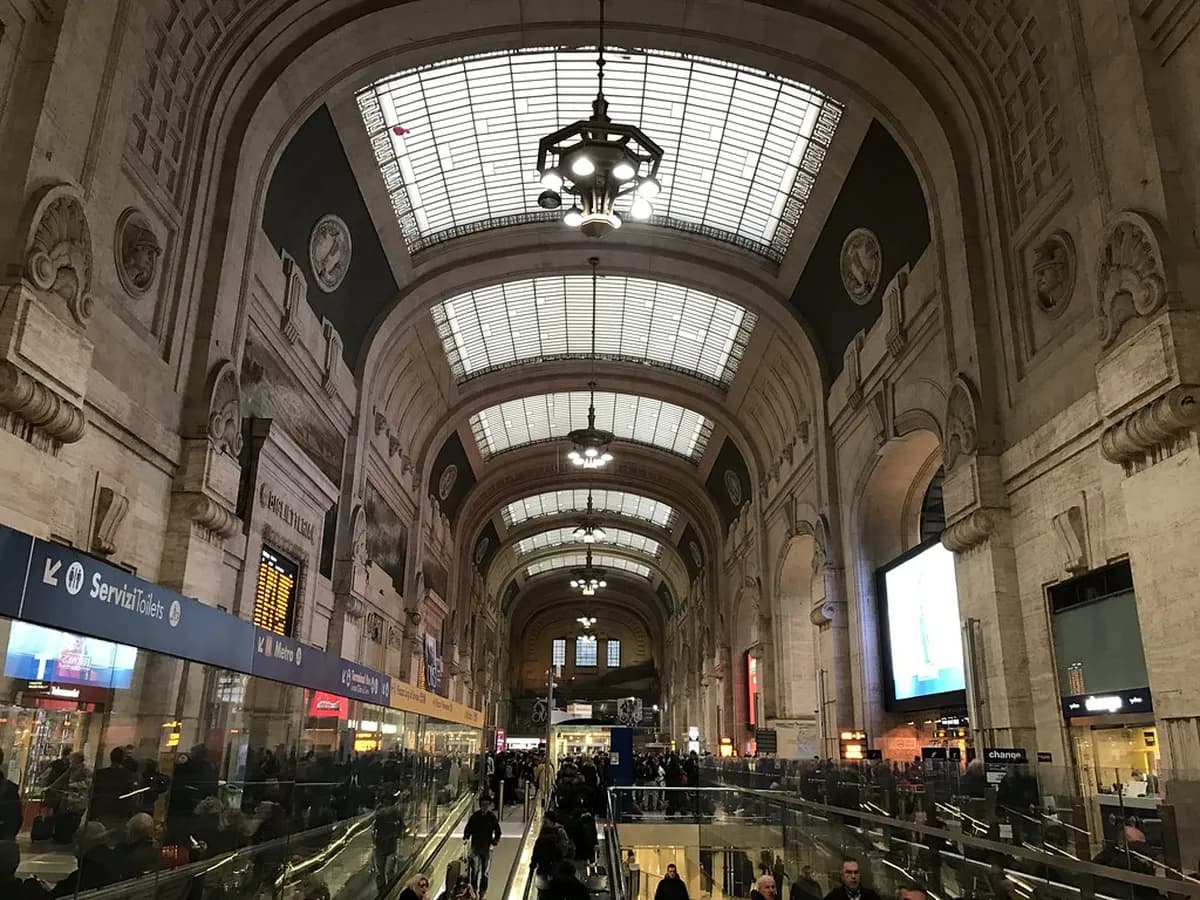
Munich Hauptbahnhof is the gateway to the Alps, with platforms dedicated to regional trains heading south. The main lines you need are RB 6 toward Garmisch-Partenkirchen and Mittenwald, BRB RB68 toward Füssen and Neuschwanstein, BRB RB55 toward Bayerischzell for Wendelstein, and RB 61 toward Berchtesgaden via Salzburg. For a detailed look at logistics, see our Munich to Neuschwanstein day trip guide.
Use the DB Navigator app or the Deutsche Bahn website to check live schedules before you leave. Deutsche Bahn's punctuality record is mixed on regional lines, so allow a 15-minute buffer if you have a connecting bus at the other end. Trains on Sunday sometimes run on modified timetables with detours — always double-check the night before. On the Garmisch line, sit on the left side of the train for views of Starnberger See as the city fades behind you.
Most mountain stations have luggage lockers for €2–€5, freeing you to hike unburdened. Bicycles require a separate bike supplement ticket on regional trains. Mountain huts are almost exclusively cash-only, and Euronet ATMs in small villages charge €6–€8 per withdrawal — carry at least €40 in cash before you leave Munich. Village pharmacies and gear shops often close for a three-hour lunch break and may be closed entirely on Sundays.
Füssen and Neuschwanstein — Disney's Fairytale Castle
Füssen is an 8th-century town in the Allgäu region, sitting on the Austrian border about 2.5 hours from Munich by the direct BRB RB68 train. The surrounding area packs in two castles, a pilgrimage church, and Tegelberg mountain within a few kilometers of each other. Most visitors focus only on Neuschwanstein and miss Hohenschwangau Castle directly below it — also worth the €21 adult ticket for its original 19th-century interiors and the view of Neuschwanstein from the terrace.
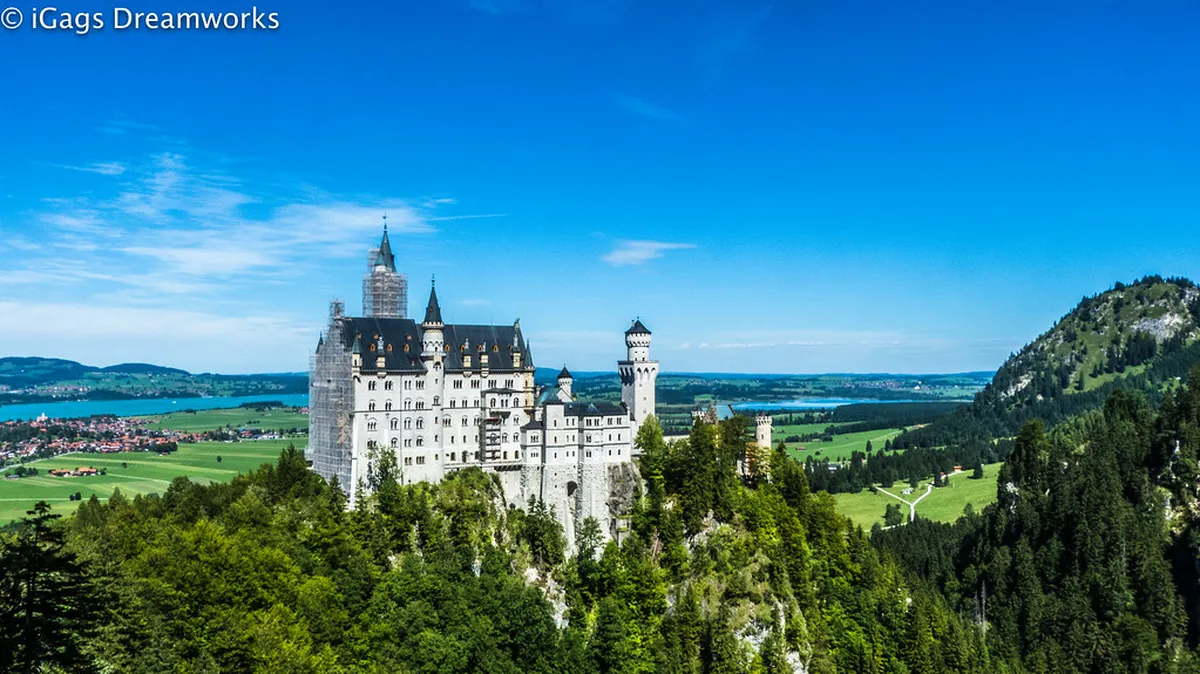
Pre-booking Neuschwanstein tickets online is non-negotiable in summer 2026. Walk-up tickets frequently sell out by mid-morning in July and August. The guided tour costs €18 per adult and takes exactly 35 minutes inside the palace — you cannot visit independently. Walk to Marienbrücke bridge after your tour for the famous castle-over-gorge photograph, but arrive before 10:00 to beat the crowds that gather there by late morning.
If you have time after the castle, drive or cycle to Wieskirche, the UNESCO-listed Rococo pilgrimage church about 30 km north of Füssen. It's free to enter and consistently uncrowded. Linderhof Palace is another 45-minute drive from Füssen and offers a strikingly different experience — King Ludwig II's smallest palace has the most extravagant interior, with a working 25-meter fountain that fires every hour on the hour during summer.
Garmisch-Partenkirchen — Zugspitze and the Gorges
Garmisch-Partenkirchen is the main hub for the Wetterstein Alps, reached in 1 hour 15 minutes to 1.5 hours by non-stop RB 6, RB 60, or RB 61 from Munich Hauptbahnhof. It has a split personality: Garmisch is the more modern ski-resort side, while Partenkirchen retains the older Bavarian streets with painted Lüftlmalerei facades. The town makes a strong overnight base if you want to hike and also visit Zugspitze without rushing.
The Partnachklamm gorge is one of the most underrated half-day hikes in Bavaria. The 700-meter canyon carved through reddish limestone by a rushing torrent costs €10 per adult (open 08:00–20:00 in summer). Bring a waterproof jacket regardless of the forecast — the mist inside the gorge will soak you in minutes. From the gorge exit, a trail climbs into high alpine meadows with unobstructed views of the Zugspitze massif. The full loop back to town takes 3–4 hours and gains about 500 meters of elevation.
For a more challenging experience, the Alpspitz Ferrata (via ferrata) is rated one of the finest in Germany. It starts at the Osterfelderkopf cable car station (€30 round trip) and follows iron rungs and cables along exposed ridges for 2–3 hours before emerging at the summit cross. You need a harness and via ferrata set — rentable in town for around €20. This is categorized C/D difficulty and not suitable for beginners, but for those with experience, it offers a taste of technical alpine terrain without committing to a full mountaineering route.
Zugspitze — Germany's Highest Peak
At 2,962 meters, the Zugspitze offers a 360-degree panorama spanning Germany, Austria, Switzerland, and Italy on clear days. The round-trip ticket for the cable car (Eibsee-Seilbahn) or the cogwheel Zugspitzbahn train costs around €72 per adult in 2026, with the first ascent at 08:30. Check the summit webcam before you buy — on cloudy days, the experience is essentially standing inside a very expensive cloud. If the summit is socked in, redirect to Partnachklamm instead.
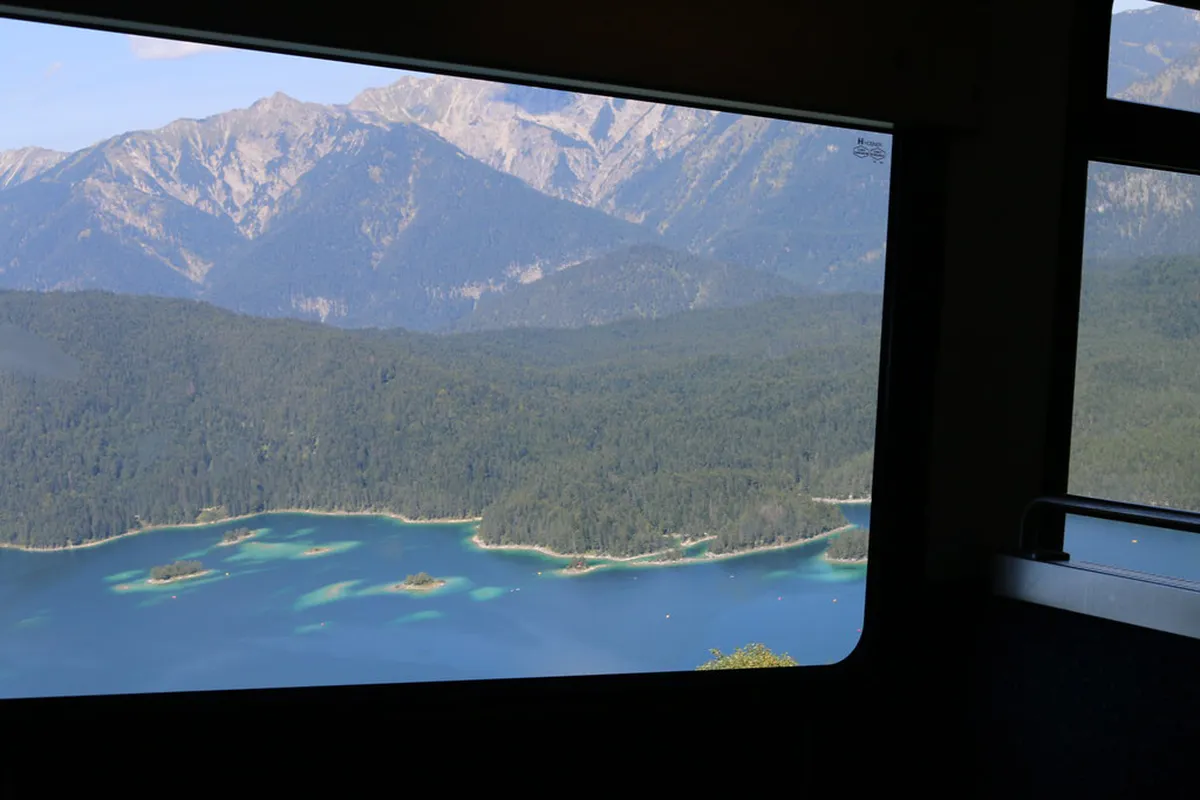
The cogwheel train option has an advantage most visitors don't know: it stops at Eibsee station midway, letting you combine the lake and the summit in one ticket without backtracking to Garmisch. Take the train up, spend an hour at Eibsee, ride the cable car from Eibsee to the summit, then descend by cable car back to Eibsee and walk the lake loop before the return train. This route is more efficient than treating Zugspitze and Eibsee as two separate days. Allow a full day and start before 09:00.
The cogwheel train (Zugspitzbahn) combines with the cable car for a single-ticket loop: this dual-transport combo avoids retracing your steps and lets you see both the Eibsee glacier lake and the summit in one day. Unlike standalone cable-car ascents, the train approach grants you an intermediate stop to hike the lakeside.
At the summit, visit the small onion-domed chapel, have a beer at the highest beer garden in Germany, and cross the marker at the German–Austrian border. The Panorama 962 restaurant at the top serves warm food year-round, though prices are predictably elevated. Bring a windproof layer even in summer — summit temperatures regularly run 15–20°C colder than Garmisch at the valley floor.
Bayern Ticket group math applies here: if you're traveling with three or more people, the Bayern Ticket (€32 + €10 per extra person, max five) covers your train journey from Munich to Garmisch-Partenkirchen. Three people pay €52 total for round-trip transport, then split the €72 cable-car cost among you. For a group of four paying together, that's just €13 per person for transport plus €18 each for the cable car—significantly cheaper than individual tickets.
Eibsee — The Maldives of Bavaria
Eibsee sits at the base of Zugspitze near the village of Grainau, and its glacier-fed emerald waters are genuinely unlike any lake in central Europe. The 7.5-kilometer loop trail around the lake is flat and suitable for families with strollers, taking about 2–2.5 hours at a relaxed pace. Access to the lake shore is free. Eight small wooded islands break the surface, and on windless mornings, the Zugspitze reflects perfectly in the water from the lake's eastern end.
To reach Eibsee without the Zugspitze ticket, take RB 6 from Munich to Garmisch-Partenkirchen and then Bus 9840 from the stop across the street (about 40 minutes total from Garmisch). You can also take the Zugspitzbahn cogwheel train to the Eibsee stop. Paddleboat rental at the Eibsee Pavilion costs €15–€20 per hour, and the EIBSEE restaurant has a lakeside terrace that gets busy after 12:00. Walk counterclockwise from the hotel for the quieter northern shore and the best Zugspitze photo angles.
Swimming is possible from late June through August when water temperatures reach about 22°C. The lake is much less crowded on weekday mornings and on days when mountain weather is patchy — since Zugspitze visitors stay away, you often have large sections of the shore to yourself. Autumn is spectacular here, with golden larches framing the turquoise water against the grey limestone faces above.
Mittenwald — Postcard-Perfect Bavarian Village
Mittenwald sits 40 km from Innsbruck on the Austrian border, reached by RB 6 from Munich in about 2 hours. The village has been a center of violin-making since the 17th century, and a giant violin monument stands at its center near the Matthias-Klotz-Straße. The painted Lüftlmalerei house frescoes here are among the finest examples in Bavaria — walk the Dorfstraße slowly and look up at the facades rather than straight ahead.
The Karwendel Cable Car (Karwendelbahn) lifts you to 2,244 meters for panoramic views over the Inn Valley into Austria. A return ticket costs €35 per adult. From the top station, a 20-minute walk leads to the Westliche Karwendelspitze summit cross at 2,385 meters with views that extend to the Wetterstein range on clear days. The cable car operates from late May to November and runs its last descent at 17:00 — don't miss it.
For hikers, the trail to the twin lakes Lautersee and Ferchensee takes about 2 hours from the village center and gains only 300 meters of elevation. Both lakes have guesthouses serving Kaffee und Kuchen and are calm enough for paddleboating. A harder option is the Leutascher Geisterklamm gorge on the Austrian side of the border — about 5 km from Mittenwald on foot or by bus — which leads through a canyon to a 22-meter waterfall and a narrow suspension bridge. The gorge is open summer only.
Wendelstein — The Bavarian Sky Stop
Wendelstein at 1,838 meters is Germany's second-tallest accessible peak and one of the least crowded major summits near Munich. The mountain has its own personality: a tiny domed observatory, a Romanesque summit chapel, and a restaurant founded in 1883. On clear days, the 360-degree view sweeps from the Zugspitze massif to the Chiemgau Alps and well into Austria. It is consistently less crowded than Zugspitze despite offering comparable panoramas.
There are three ways up. For the cogwheel train, take BRB RB54 from Munich Hauptbahnhof to Brannenburg (about 1 hour), then the Wendelsteinbahn rack railway, which opened in 1912 and is itself a heritage experience. For the cable car (Wendelsteinbahn Seilbahn), take BRB RB55 to Bayrischzell-Osterhofen. For hiking, take BRB RB55 to Bayerischzell and follow the 3.5-hour, 1,100-meter ascent trail. A return ticket on the cogwheel train or cable car costs approximately €42 per adult.
The summit gets misty frequently — the key planning tip that separates a memorable visit from a wasted trip is to check conditions 2–3 days ahead using Bergfex rather than a general weather app. Temperatures at the summit run 10–15°C colder than at the valley floor. The Wendelsteinhaus restaurant serves full hot meals and traditional Bavarian specialties on its sunny terrace. There is a small children's playground at the summit station, making this one of the easier high-altitude days for families traveling with young children.
Berchtesgaden, Königssee, and the Eagle's Nest
Berchtesgaden National Park is the most dramatic landscape in this guide, sitting close to the Austrian border about 2.5 hours from Munich. The easiest route is RB 61 to Berchtesgaden via Salzburg, then local Bus 841 to the Königssee boat dock. The park surrounds a fjord-like lake flanked by sheer 2,700-meter limestone walls — the combination of dark green water, vertical rock, and the onion-domed St. Bartholomew's Church is unlike anything else in Germany.
Electric boats depart for St. Bartholomew's Church every 15–30 minutes from 08:00, with return tickets costing about €22 per adult. The boatman traditionally blows a trumpet to demonstrate the echo off the cliffs — a genuine tradition, not a tourist gimmick. Disembark at Salet rather than St. Bartholomew's and walk the additional 15 minutes to Obersee, a smaller hidden lake that most day-trippers skip entirely. The Obersee scenery, including the Röthbach waterfall (Germany's tallest at 470 meters), is consistently more impressive than the more-visited main lake stop.
The Eagle's Nest (Kehlsteinhaus) at 1,834 meters is a 15-minute bus and elevator ride from Berchtesgaden's Documentation Centre. The mandatory bus costs approximately €31 round trip and operates mid-May through October. The history is unavoidably dark — this was Hitler's 50th birthday gift — but the building is now a restaurant, and the mountain setting is extraordinary regardless of the historical associations. Book your return bus slot immediately upon arrival at the top, as afternoon slots fill within minutes during high season.
Tegernsee and the Bavarian Lake Culture
Tegernsee is the Bavarian Alps destination that feels most lived-in rather than tourist-facing. The lake is the weekend retreat for Munich's professional class, with sailing clubs, lakeside swimming platforms, and the famous Bräustüberl brewery inside a former monastery in the town of Tegernsee. A one-hour direct train from Munich Hauptbahnhof makes it one of the most accessible Alpine lakes. A Masskrug (liter of beer) at the Bräustüberl costs around €10 in 2026.
Beyond the beer hall, the hiking above the lake is underrated. The trail from Tegernsee town to the Neureuth hut takes about 90 minutes uphill and offers a bird's-eye view of the lake and the surrounding ring of peaks. The hut serves traditional Brotzeit — bread, cheese, and speck ham — and is far less crowded than the famous huts around Garmisch. Descend to Rottach-Egern on the southern shore for a different perspective and catch the train back from there.
The villages around the lake — Bad Wiessee and Kreuth — have thermal baths open year-round, making Tegernsee a genuine all-season destination unlike the more weather-dependent summits. In winter, the lake occasionally freezes solid enough for ice skating, a spectacle that draws locals from across Bavaria. The the best day trips from the city guide covers several alternative lake options including Chiemsee and Starnberger See for comparison.
Practical Planning Tips for the Bavarian Alps in 2026
The Bayern Ticket group math deserves repeating because it changes how you should travel. A solo traveler pays €32 per day. A group of five pays €72 total — €14.40 each — less than many single-destination cable car discounts. If you are traveling with friends, pooling for the Bayern Ticket and picking one region per day is the most cost-efficient approach available for Alps day trips from Munich.
Mountain huts and many village restaurants accept cash only. Withdraw at least €50 before you leave Munich. The highest-denomination note most huts can break is a €20 bill. Public toilets at train stations and mountain huts typically cost €0.50–€1.00 — keep small coins available. Sunscreen is essential above 1,500 meters even on overcast days; UV intensity at altitude is significantly higher than in the city.
Pack layers regardless of the forecast. The German saying applies literally here: there is no bad weather, only bad clothing. A waterproof jacket, a fleece layer, and sturdy shoes are sufficient for most trails in this guide. Summit temperatures run 15–20°C below valley temperatures, so what begins as a warm July morning in Munich can mean near-freezing conditions at Zugspitze. Check the our complete Munich guide guide for city-side planning if your weather window closes for mountain visits.
| Alpine Destination | Travel Time from Munich | Primary Highlight | Best For |
|---|---|---|---|
| Neuschwanstein (Füssen) | 2.5 hours by train | Fairytale castle with 19th-century interiors | Castle lovers, photographers |
| Zugspitze (Garmisch) | 1.5 hours to base + cable car/train | Germany's highest peak, 360° panorama | Summit baggers, panoramic views |
| Eibsee Lake | 1.5 hours to Garmisch + 40 min bus | Turquoise glacier-fed lake, flat loop trail | Swimmers, photographers, families |
| Mittenwald | 2 hours by train | Lüftlmalerei painted facades, Austrian border | Village walkers, art enthusiasts |
| Wendelstein | 1 hour by train + 1 hour cogwheel train | 1,838m summit, heritage railway, chapel | Hikers wanting fewer crowds |
| Königssee (Berchtesgaden) | 2.5 hours via Salzburg | Fjord-like lake, St. Bartholomew's Church | Boating, dramatic alpine scenery |
| Tegernsee | 1 hour direct train | Bräustüberl brewery, thermal baths | Relaxation, beer culture, all-season |
Frequently Asked Questions
Can I see the Bavarian Alps in one day from Munich?
Yes, you can easily reach major spots like Neuschwanstein or Garmisch-Partenkirchen in under two hours. Most regional trains run hourly, making a day trip highly feasible. Focus on one specific area to avoid spending your entire day in transit.
Is the Bayern Ticket valid for the Zugspitze cable car?
No, the Bayern Ticket only covers the train journey to Garmisch-Partenkirchen. You must purchase a separate ticket for the Zugspitze cable car or cogwheel train. However, showing your train ticket may occasionally provide a small discount at certain local attractions.
What is the best month to visit the Bavarian Alps for hiking?
Late June through September is ideal for hiking as the snow has usually melted from high-altitude trails. July and August offer the best weather but also the largest crowds. Check our blog for seasonal trail updates and safety tips.
The Bavarian Alps from Munich offer a world of adventure just a short train ride away from the city's beer halls. By choosing one or two key sights and planning for the weather, you can experience the best of Germany's natural beauty. Whether you are standing on the Zugspitze or wandering through Mittenwald, the mountains will leave a lasting impression on your trip.
Don't forget to pack your sense of wonder and a pair of comfortable shoes for the journey south. The peaks are waiting, and with this guide, you are ready to navigate the Alps like a seasoned local.
You might also like


Continue reading
More guides you'll find useful


