10 Best Munich Nightlife Experiences (2026 Guide)
Discover the best of Munich nightlife with top picks for clubs, beer halls, and cultural evenings. Plan your perfect night out in 2026.
On this page
10 Unforgettable Munich Nightlife Experiences for 2026
Munich's after-dark scene is one of Germany's most underrated. Berlin gets the international headlines, but Munich has its own deeply rooted club culture, a bar scene anchored in genuinely distinct neighborhoods, and a beer hall tradition that operates on its own set of rules. This guide covers the real shape of a Munich night in 2026 — from which neighborhood to pick for your mood, to the clubs that define the city's electronic music identity, to the practical transit and timing details that separate a good night from a wasted one.
One thing to know upfront: Munich nights start late. Clubs rarely fill before 01:00 and peak between 02:00 and 04:00. Plan accordingly, especially if you are coming from a beer hall earlier in the evening.
Picking Your Neighborhood: Where Munich Nights Actually Happen
Munich's nightlife is spread across several distinct areas, and choosing the right one for your mood is the most important decision you will make. Covering multiple districts in a single night rarely works well — the city is large enough that transit between areas eats time and momentum. Pick one zone and let the night build there.
Glockenbachviertel is the city's most consistently social district after dark. It runs south of Sendlinger Tor and is dense with independent bars, terrace seating, and a relaxed but lively atmosphere. The LGBTQ+ scene is concentrated here, but the overall mood is open and mixed. Fraunhoferstraße is the central artery — walk it slowly and you will find your spot without much effort. This is where locals go when they want a social night without committing to a club. For detailed neighbourhood history and current venue listings, Munich's official tourism site maintains regularly updated information on the district.
Gärtnerplatz sits just east of Glockenbachviertel and functions as its calmer neighbour. The square itself is lined with bars and restaurants that stay lively until late. In summer, the steps and surrounding streets fill with people drinking outside, making it one of Munich's most atmospheric evening spots. It blends well with a Glockenbach crawl if you start early.
Schwabing along Leopoldstraße attracts a different crowd — slightly older, more international, with cocktail bars and upscale lounges rather than underground clubs. It is worth knowing about if you want a sophisticated evening, but it is not where the city's serious clubbers go. Altstadt around Marienplatz is tourist-heavy at night; iconic beer halls like Hofbräuhaus are worth doing once, but the area empties of locals by 22:00. Start there if you want the classic Bavarian opener, then move on.
Harry Klein and the Core of Munich's Club Scene
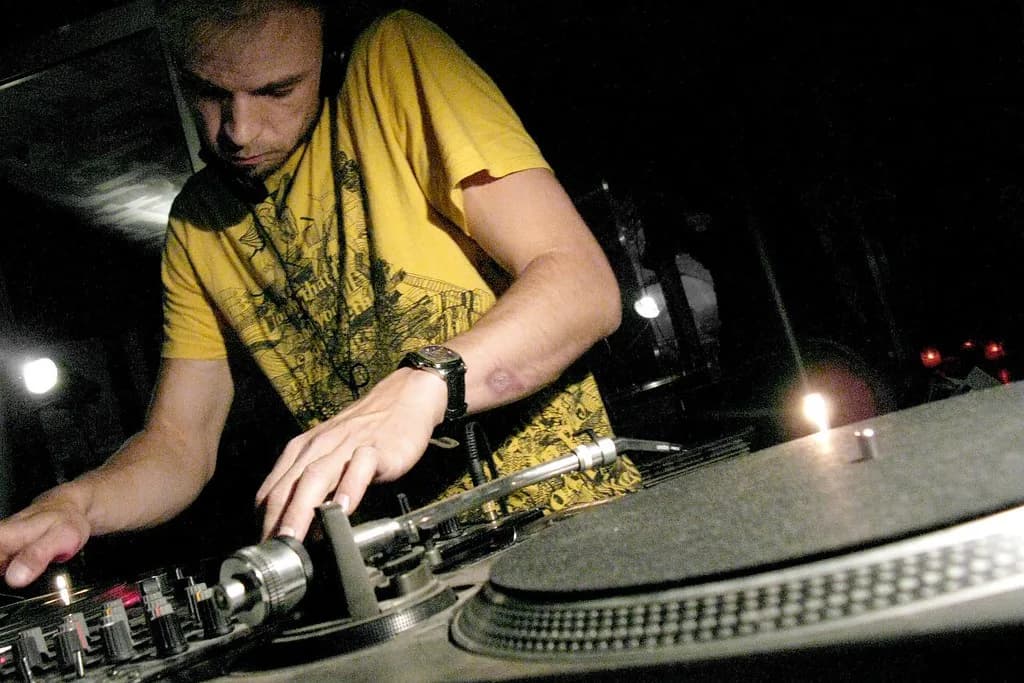
Harry Klein is Munich's most important club. That is not a casual claim — it is consistent across every serious account of the city's electronic music culture. The venue is small, deliberately so, which means the connection between DJ and dancefloor is unusually tight. The sound system is exceptional. Bookings lean toward techno and house, with guests including Solomun, Richie Hawtin, and Sven Väth at various points in the club's history. It sits near Sendlinger Tor, which also makes it a natural anchor for a Glockenbachviertel night. Doors open around 23:00 but do not arrive before 01:00 if you want any energy on the floor. Entry runs €12–18 depending on the night.
Blitz Club is the other venue that Munich's club community points to first. It is housed in a bunker-like space with a minimalistic industrial aesthetic and one of the best sound systems in the city. Blitz is where you go for underground techno — Tale Of Us, KiNK, Pan-Pot, Dixon, and Ben Klock have all played here. It feels serious in the best way: the focus is entirely on the music, not the decor or the status. Like Harry Klein, it rewards patience — arriving close to midnight often means standing in a near-empty room.
Rote Sonne rounds out the triumvirate that defines Munich club culture. Its red interior is distinctive, and its booking policy has consistently favoured electronic legends — Jeff Mills and Nina Kraviz among them. The crowd skews knowledgeable and the energy is high once the room fills. Pacha Munich operates at the other end of the spectrum: international DJs, a polished interior, and a more mainstream house and commercial electronic sound. John Summit and Fatboy Slim have played here. It is a legitimate night out if you want the Ibiza-style club experience rather than underground techno. Entry is €15–25 and dress code is enforced.
For outdoor clubbing, Bahnwärter Thiel is the most distinctive option — an open-air club built in a disused railway yard, with art installations and a relaxed atmosphere that differs significantly from the indoor venues. Marcel Dettmann and Ellen Allien have played there. It operates seasonally and suits those who want something less intense than the city's basement clubs. Check their schedule in advance as events are not nightly.
Munich's top clubs like Harry Klein and Blitz don't fill until after 01:00, with peak energy between 02:00 and 04:00. Arriving before midnight means standing in an empty room — the sweet spot for entry is 01:00–02:00 if you want to experience the actual nightlife scene.
Werksviertel-Mitte: Munich's East Side Night District
Most nightlife guides cover Glockenbachviertel and the city-centre clubs but skip the east side entirely. Werksviertel-Mitte, a repurposed industrial compound near Ostbahnhof, is worth knowing about. The site is a genuine quarter — multiple venues, bars, food options, and event spaces occupying former factory buildings across a single walkable area. Unlike individual clubs elsewhere in the city, Werksviertel gives you flexibility: you can move between spaces in the same compound without committing to one venue all night.
The area includes permanent bars and restaurants alongside club nights that change by the week. The industrial architecture — exposed metalwork, converted warehouse interiors — creates a different atmosphere from the polished Altstadt venues. It is particularly good for mixed groups where some people want to dance and others just want to drink and talk. Take the S-Bahn or U-Bahn to Ostbahnhof and walk five minutes north. The compound is well-signposted and active from 20:00 onward on weekends.
The Kultfabrik and Optimolwerke, adjacent to Werksviertel, were Munich's original post-industrial party district for years. The area has shifted as some venues have closed and the Werksviertel development has expanded, but it still draws weekend crowds. Worth investigating before you go to check what is currently running.
Beer Halls and Beer Gardens: How the Evening Starts
For most visitors, Munich's nightlife begins in a beer hall or beer garden, and this is entirely the right instinct. These venues set the tone for the evening in a way that nothing else in the city does. The key is choosing the right one for the atmosphere you want and understanding when they close — which is earlier than most people expect. Munich's tourism authority provides detailed listings and opening hours for all major beer halls and gardens.
The Munich's beer gardens each have distinct characters. Hofbräuhaus is the most famous and the most tourist-dense; expect oompah music, communal benches, and a liter of Hofbräu Original for around €11–13. It closes around 23:30. The Chinese Tower beer garden in the Englischer Garten is larger and more local-feeling, especially on warm evenings, and typically closes around 22:00–23:00 depending on the season. For something closer to the Glockenbach area and better suited to a late start, look at smaller Wirtshäuser (taverns) in the district that serve food and beer until midnight.
Beer gardens do not serve past their licensed hours and many stop food service by 21:00 even if they stay open for drinks. Build your evening around this reality: start at a beer garden or beer hall by 18:00–19:00, eat there, then move to the bar or club district from 21:00 onward. Trying to eat at a beer hall and reach a club by midnight only works if you leave by 22:30 at the latest.
Evening Culture: Opera, Jazz, and Alternative Venues
Munich's cultural evening scene is genuinely strong and offers a different kind of night entirely. The Bayerische Staatsoper (Bavarian State Opera) at Nationaltheater is world-class — performances run most evenings from September through July, with standing room tickets available from €10 on the day of performance if you queue at the box office from 16:00. Full seats start around €30 and go considerably higher. Dress code is observed; smart attire is expected for premium seats.
For jazz, Jazzclub Unterfahrt in Haidhausen is one of the best clubs of its kind in Europe. Concerts start at 21:00, tickets run €20–30, and the room holds roughly 200 people — arrive by 20:30 if you want a seat. The programming covers serious jazz with both local and international acts. It is a reliable anchor for an evening in the Haidhausen or Max-Weber-Platz area, which has good restaurant and bar options nearby.
Muffatwerk along the Isar is a cultural centre that schedules concerts, club nights, and events across multiple rooms. Its programming is eclectic — electronic acts, indie bands, world music — and the Isar riverside location gives it a particular atmosphere in summer. Zenith – Die Kulturhalle handles larger acts and big club nights, with Boris Brejcha and Paul Kalkbrenner among past bookings. Check their calendar before any visit as the programme varies enormously week to week. See our complete Munich guide for a broader overview of the city's cultural venues.
Timing and Late-Night Transit: What You Actually Need to Know
Munich's MVV public transport runs U-Bahn and S-Bahn lines until approximately 01:00–02:00 on weekdays and continuously through Friday and Saturday nights on most lines. From around 01:00 on weekdays, night buses (Nachtlinien) take over and cover all major districts including Glockenbachviertel, the Altstadt, Schwabing, and Ostbahnhof. The MVGO app shows real-time departures and night bus routes — download it before you go out so you are not figuring it out at 03:00.
One practical detail: clubs in Munich have a well-established culture of not admitting new guests after 04:00 or 05:00, and some close their doors to new arrivals considerably earlier. If you are planning a proper club night, arriving at 23:00 typically means standing in a quiet room for two hours. The sweet spot for entry is 01:00–02:00. This is counterintuitive if you are coming from a city with earlier closing times, but arriving at midnight at Harry Klein or Blitz Club and being the tenth person in the room is a common first-timer mistake.
If you miss the last S-Bahn and night buses are infrequent from your location, taxis and rideshare (Uber operates in Munich) are reliable. The central city is compact enough that a taxi from Glockenbachviertel to most accommodation areas costs €10–18. Prices increase after 22:00 on the meter but not by an extreme amount.
Munich's Nachtlinien (night buses) operate throughout the night and cover all major nightlife districts including Glockenbachviertel, Altstadt, Schwabing, and Ostbahnhof when U-Bahn and S-Bahn stop around 01:00–02:00. Download the MVGO app to check real-time departures and plan your journey home in advance.
Late-Night Food in Munich
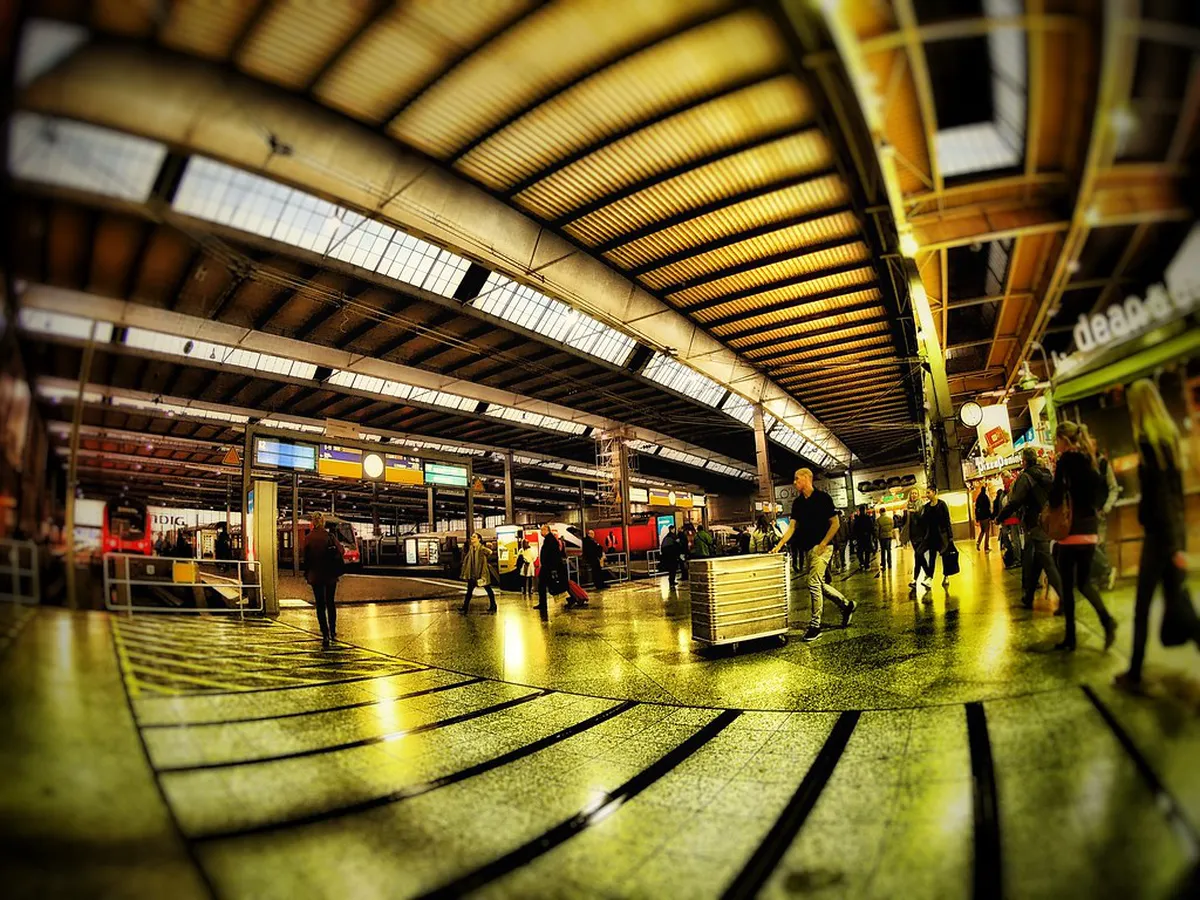
Munich is not Amsterdam or Barcelona for late-night eating, but there are reliable options once the beer halls close. Around Hauptbahnhof (central station), a cluster of döner kebab shops, pizza places, and late-night snack bars stay open past 02:00 most nights and until 04:00–05:00 on weekends. The quality varies, but the options at and around Bayerstraße just outside the station are consistently open late. Budget €6–12 for a proper post-club meal here.
Sendlinger Tor and the surrounding streets also have late options, particularly convenient if you are coming out of Glockenbachviertel. The U-Bahn interchange there makes it a natural stopping point. Larger clubs sometimes have a snack bar inside, but these tend to charge more and offer less. For a proper sit-down meal late at night, options are genuinely limited — plan dinner before 21:00 if you want choice. See where to eat in Munich for pre-evening dining options worth booking ahead.
Practical Notes Before You Go
Cash is still used at many Munich clubs and smaller bars. While card payments are increasingly accepted, several Glockenbachviertel bars and some clubs operate cash-only at the door or at the bar. Withdraw €50–80 before a club night to avoid ATM queues at 02:00. ATMs around Marienplatz and Hauptbahnhof are the most reliable late at night.
Door policies at serious clubs (Harry Klein, Blitz, Rote Sonne) are real. Arriving in a large group, being visibly very drunk, or wearing sportswear are reliable ways to be turned away. The venues are not hostile — they simply have a community of regulars and they protect the atmosphere. A smaller group, reasonable dress, and composed behaviour at the door resolves most situations. Booking guest list through the venue's website or a ticketing platform like Xceed removes door uncertainty entirely and sometimes reduces the entry price.
Most clubs in Munich are non-smoking indoors, but many have outdoor smoking areas. Cloakrooms charge €2–3 and are effectively mandatory at most venues in winter. ID checks are routine — carry your passport or national ID. The legal drinking age in Germany is 16 for beer and wine and 18 for spirits; clubs are 18+ universally.
Frequently Asked Questions
Is Munich nightlife expensive for visitors?
Munich nightlife can range from affordable to expensive, depending on your choices. Beer halls offer reasonably priced drinks, typically €10-€12 per liter. Clubs usually have entry fees of €12-€25, with cocktails costing €14-€18.
What is the dress code for Munich clubs?
Most Munich clubs, especially mainstream ones, prefer smart casual attire; avoid sportswear or overly casual clothes. Upscale venues like Pacha may have stricter dress codes, so dressing a bit more formally is advisable. Smaller, alternative clubs are often more relaxed.
Is Munich nightlife safe for tourists?
Munich is generally a very safe city, even at night. However, like any major city, it's wise to be aware of your surroundings, especially in crowded areas or when walking alone late. Use licensed taxis or reliable public transport for safety.
How late does public transport run in Munich?
Munich's public transport, including U-Bahn and S-Bahn, runs until around 1 AM on weekdays and later on weekends, often until 2 AM or 3 AM. Night buses also operate throughout the city after the trains stop, ensuring you can always get home.
Can I find non-alcoholic options in Munich's nightlife?
Yes, most bars and clubs in Munich offer a good selection of non-alcoholic beverages, including soft drinks, juices, and alcohol-free beers. Many cocktail bars also create delicious mocktails. You will have plenty of choices for a fun, alcohol-free night.
Munich's nightlife rewards the patient and the curious. It is not a city that performs for you from the moment you step out — it takes a little orientation, the right neighbourhood, and an understanding that the best of it starts well past midnight. Whether you are after the focused intensity of Harry Klein, the loose social energy of Glockenbachviertel, an evening under the Bayerische Staatsoper's ceiling, or the industrial compound sprawl of Werksviertel, the city has a version of a great night for almost every preference. Plan the timing carefully, carry some cash, and leave the big tourist beer hall crawl for the start of the evening rather than the whole of it.
You might also like
Continue reading
More guides you'll find useful