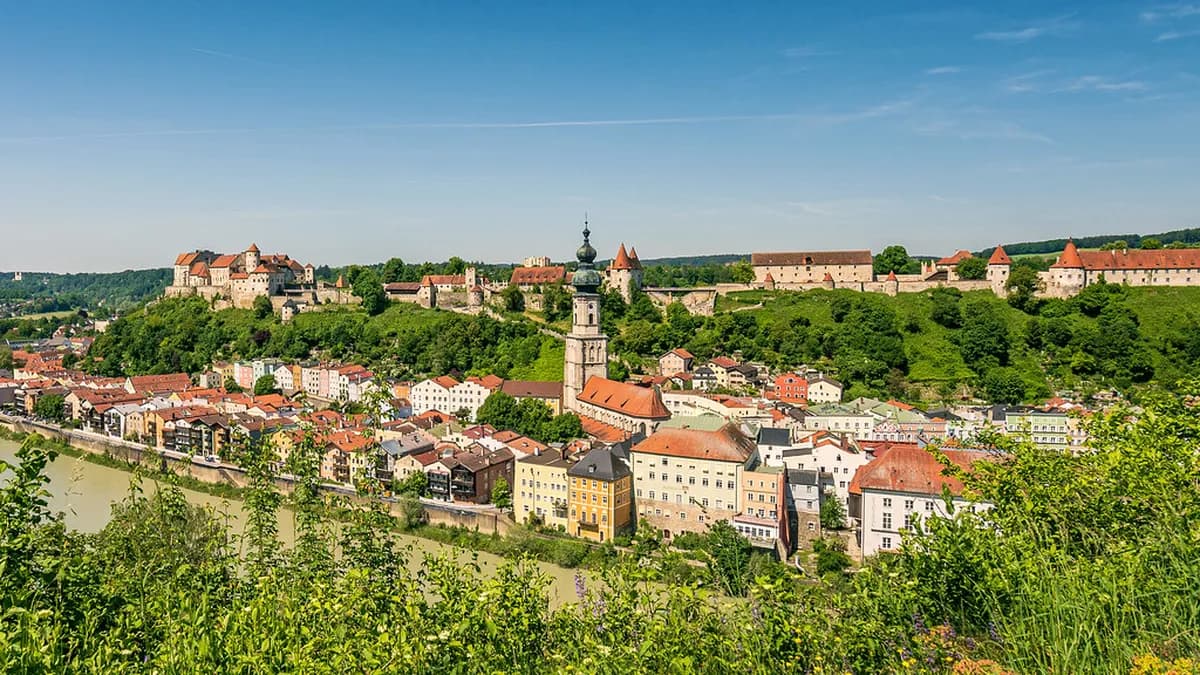
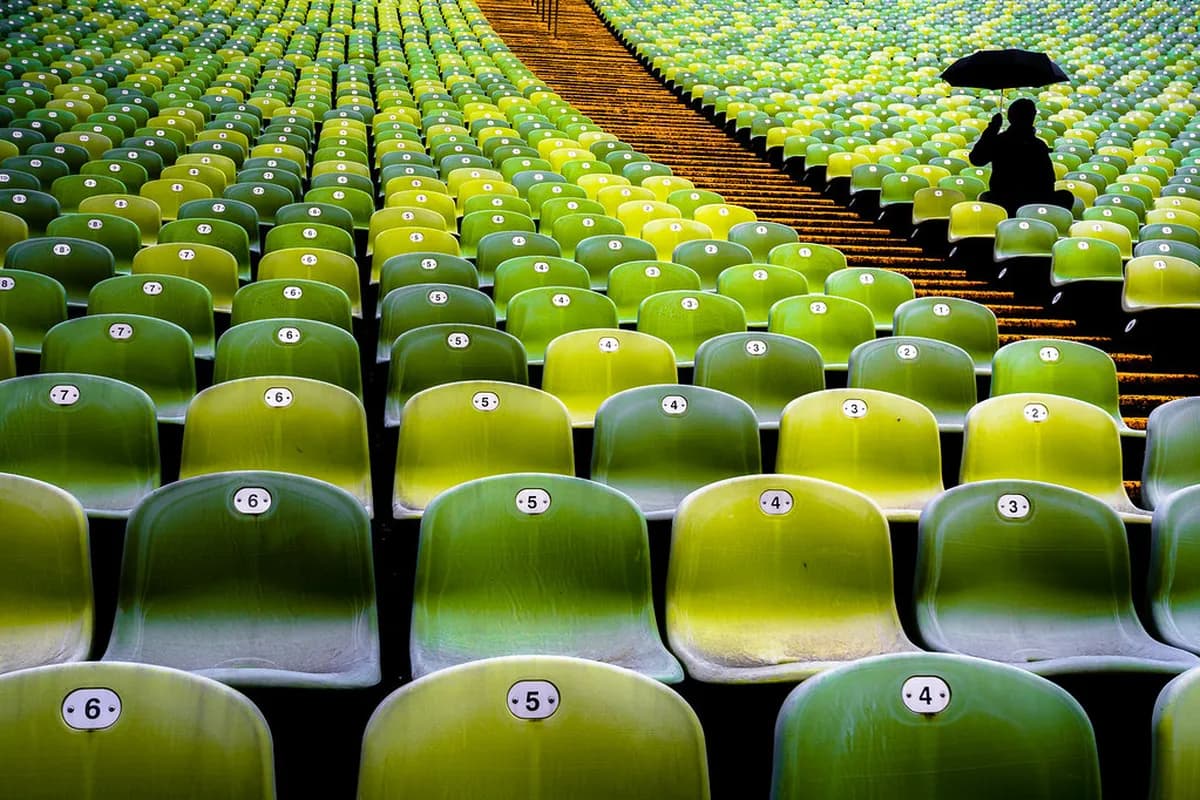
How Many Days In Munich: The Ultimate 3-Day Travel Guide
Wondering how many days in munich are enough? Plan your trip with this 3-day itinerary, neighborhood guides, and expert tips for first-time visitors.
On this page
How Many Days In Munich: A Complete 3-Day Itinerary
Deciding how many days in Munich you actually need depends on your pace, your interests, and whether you plan to add day trips into Bavaria. Most visitors fall into one of three camps: a quick city break of one or two days, a well-rounded three-day stay that covers the classics, or a longer four-to-five-day trip that folds in Neuschwanstein or the Alps. This guide cuts through the debate with concrete day-by-day plans for each scenario.
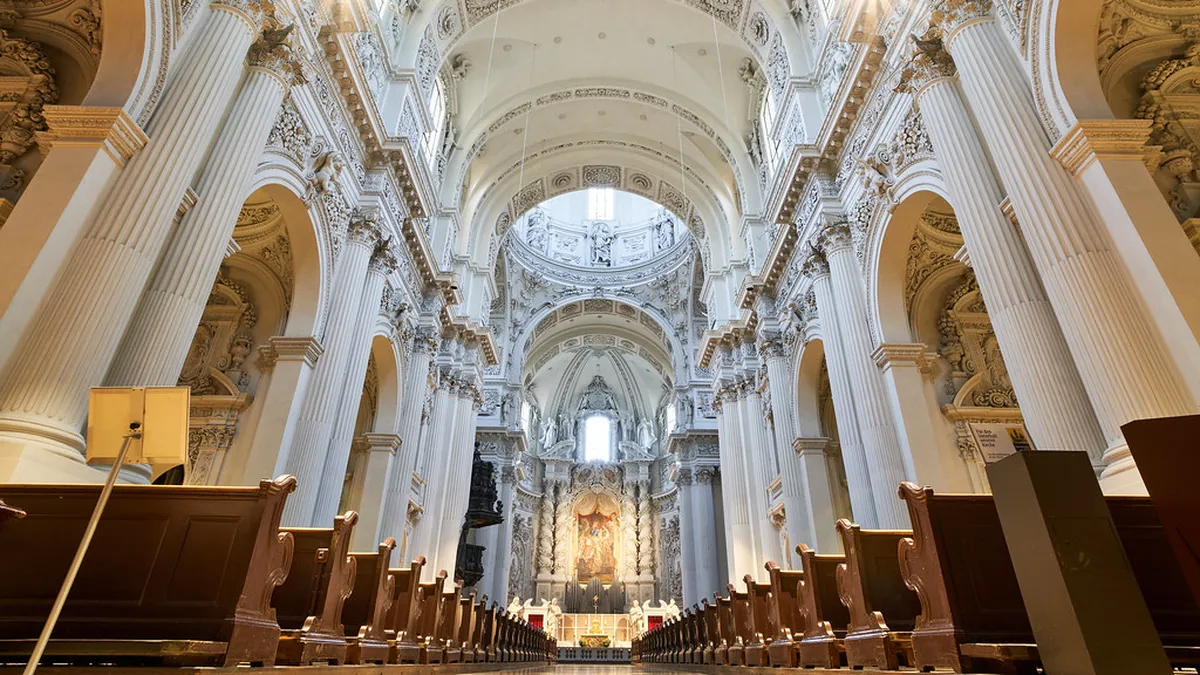
Munich is Bavaria's capital and one of the most visited cities in Germany, yet it rewards slow exploration. The city's neighborhoods have distinct characters, the museum quarter alone could absorb two full days, and the public transit system makes it genuinely easy to move between areas without a car. This article was refreshed in 2026 to reflect current entry prices and transit costs.
How many days do you need in Munich?
Three full days is the consensus answer for first-time visitors who want to see Munich's major highlights without feeling rushed. You can cover the Altstadt, at least two Pinakothek museums, the English Garden, Nymphenburg Palace, and BMW Welt in that timeframe. Two days is possible but tight — you will have to skip one of the palace visits or the museum quarter entirely.
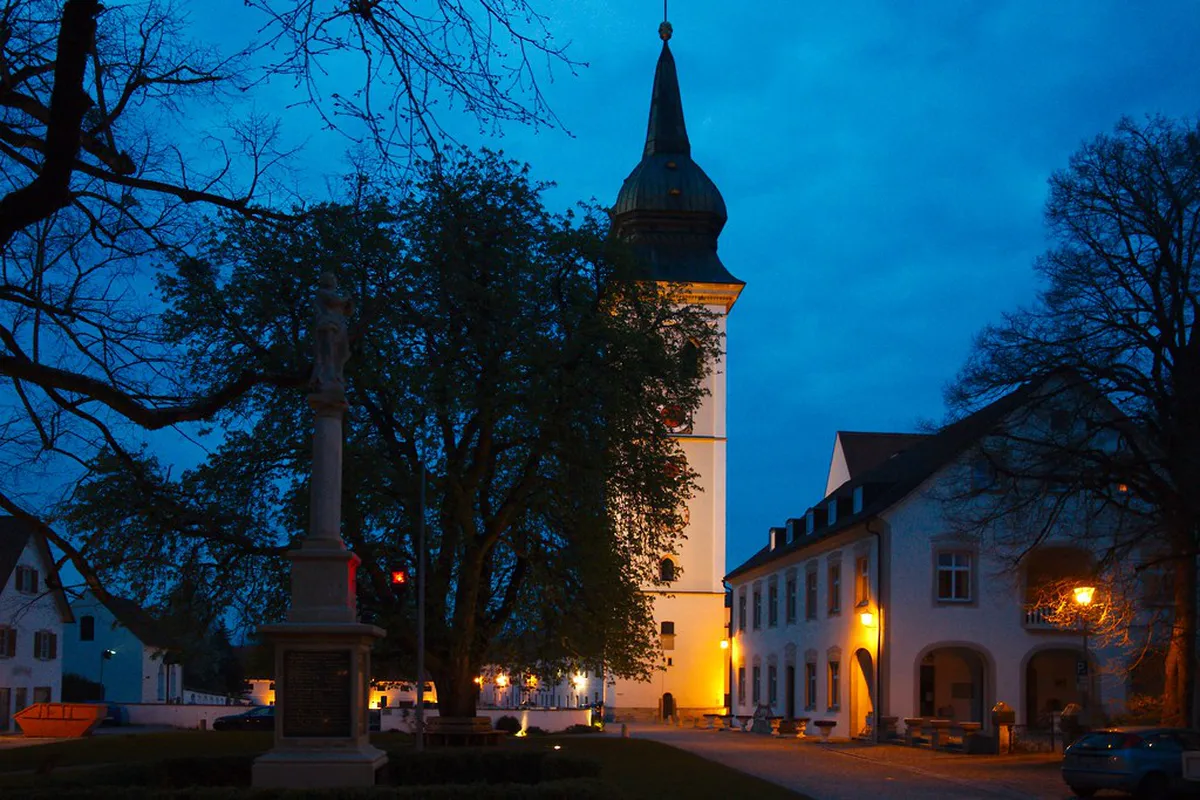
If you plan to add a day trip from Munich to Neuschwanstein or Salzburg, budget four or five days total. One day in the city is worth doing if you are transiting through, but expect to see only the Old Town core. For context, a local would typically suggest at least three days to have any real feel for the city's pace — the Bavarian Gemütlichkeit culture requires sitting down in a beer garden rather than ticking off sights.
- 1 day: Marienplatz, Residenz, Viktualienmarkt, one beer hall. Walkable, no transit needed.
- 2 days: Add English Garden, one Pinakothek museum, and a neighborhood exploration.
- 3 days: Full classic itinerary — Altstadt, art quarter, Nymphenburg Palace, BMW Welt, Olympic Park.
- 4–5 days: Add one or two day trips, or slow down and go deeper into neighborhoods like Haidhausen or Giesing.
If you have a fourth day and want to add a Bavaria day trip, Neuschwanstein Castle is the most famous choice, but book timed entry 3–4 weeks ahead in summer. Salzburg is a great alternative if castles don't excite you — it's reachable in under two hours by regional train and has a completely different character from Munich.
One day in Munich: what to prioritize
With only 24 hours, stay almost entirely within the Altstadt. Start at Marienplatz by 09:00 to catch the Glockenspiel performance at 11:00 before the square fills with tour groups. Walk south to the Viktualienmarkt for a mid-morning snack — a Semmel with Leberkäse costs around €3–4 and gives you a quick taste of Bavarian food culture without the expense of a sit-down meal.
After Marienplatz, visit the Munich Residenz, the sprawling palace complex where Bavarian rulers lived for four centuries. Entry to the Residenzmuseum costs €9 for adults in 2026; the treasury is an additional €9, or €14 combined. Wrap the day with an evening at the Hofbräuhaus or, for a less touristy alternative, the Augustiner Stammhaus on Neuhauser Strasse. See the full one day in the city for a timed walkthrough.
Two-day Munich itinerary
Two days lets you see the Old Town properly and add one major northern attraction. Use the first day for the Altstadt circuit: Marienplatz, the Residenz, Asamkirche (a tiny baroque gem wedged between shops near Sendlinger Tor), and the Viktualienmarkt. End Day 1 at a classic beer hall — the Augustiner Braustuben near the Hackerbrücke charges around €7 for a Maß, noticeably cheaper than the Hofbräuhaus at €13–14.
On Day 2, take the U-Bahn to the English Garden. Rent a bike at the southern entrance for around €15 for three hours — the park is 3.7km long and walking the whole thing is impractical in a single afternoon. See the Eisbach wave surfers at the Prinzregentenstrasse entrance, then cycle north to the Chinesischer Turm beer garden for lunch. The afternoon is flexible: choose between the Alte Pinakothek (Old Masters, €7 on Sundays) or a neighborhood walk in Maxvorstadt or Schwabing. The Angel of Peace (Friedensengel) near the Isar makes a good sunset stop before dinner.
The perfect 3-day Munich itinerary
Three days is enough to cover all the city's major landmark areas without doubling back. The key is organizing by geography: Day 1 in the Altstadt, Day 2 in the northern arc from Maxvorstadt through the English Garden to Schwabing, and Day 3 in the west for Nymphenburg and the Olympic Park area.
Day 1 — Old Town and Royal Heritage. Begin at Marienplatz at 09:00. Climb St. Peter's Tower (€5) for a view over the city before the crowds arrive. Spend the late morning in the Residenz, then lunch at Viktualienmarkt. The afternoon works well for the Asamkirche and a stroll along Maximilianstrasse. Evening at Hofbräuhaus (Platzl 9) or Augustiner Stammhaus (Neuhauser Str. 27).
Day 2 — Art Quarter and English Garden. Take the U-Bahn to Universität station. The Pinakothek der Moderne and Alte Pinakothek are a five-minute walk apart — choose one or do both if art is your priority. The English Garden takes the afternoon, with the Eisbach surfers and Chinesischer Turm beer garden as anchors. Walk east along the Isar at sunset to the Friedensengel for the best free viewpoint in the city. Dinner in Schwabing or Haidhausen.
Day 3 — Palaces and Modern Engineering. Take Tram 17 to Nymphenburg Palace, arriving by 09:30 before coach tours. The palace interior, carriage museum, and gardens together take three to four hours. After lunch, take the U3 to Olympiazentrum for BMW Welt (free entry) and the BMW Museum (€10). Finish at the Olympic Tower for a panoramic sunset view — the elevator costs €9 but the sightline over the Alps on a clear day is worth it.
- Day 1: Altstadt — entirely walkable, no transit needed
- Day 2: Use U-Bahn (Universität) + walk through the English Garden
- Day 3: Tram 17 to Nymphenburg, then U3 to Olympiazentrum
For a more detailed breakdown of the third-day loop, see the a three-day Munich plan guide, which includes timed entry slots and backup options for rainy weather.
| Duration | What you'll see | Best for |
|---|---|---|
| 1 day | Marienplatz, Residenz, Viktualienmarkt, one beer hall | Transit passengers or ultra-quick city breaks |
| 2 days | Altstadt + English Garden + one Pinakothek museum | Tight schedules; misses palaces and Olympic Park |
| 3 days | Altstadt, art quarter, Nymphenburg Palace, BMW Welt, English Garden | First-time visitors (the consensus sweet spot) |
| 4–5 days | Above + one or two day trips OR deeper neighborhood exploration | Collectors of experiences; Neuschwanstein/Salzburg enthusiasts |
Should you add a day trip from Munich?
If you have four or five days in Bavaria, at least one day trip is worth building in. Neuschwanstein Castle is the headline option: the train from Munich Hauptbahnhof to Füssen takes about two hours, and you should book castle entry at least three to four weeks in advance — timed tickets sell out fast in summer 2026. The the best day trips from the city guide covers the journey in full, including the less-visited Hohenschwangau castle on the same hill.
Salzburg is a strong second choice, reachable in under two hours by regional train. The Old Town is compact and walkable, and the combination of Mozart's birthplace and the fortress makes it a very different experience from Munich. Dachau Memorial Site is a 35-minute S-Bahn ride on the S2 line and requires half a day — it is a sobering but historically significant visit that many travelers feel is essential context for understanding 20th-century Germany.
Transit and ticketing: the practical decision most guides skip
Munich's MVG public transit is excellent and covers the whole city by U-Bahn, S-Bahn, tram, and bus. Where most guides fall short is in explaining which ticket actually makes sense for a short visit. A single trip costs €3.90 within the inner zones, which adds up fast. A group day ticket (Gruppen-Tageskarte) covers up to five people on one ticket for €17.80 — that makes it cheaper than two single adult day tickets (€9.20 each) the moment you are traveling with even one other person.
Download the MVG Fahrinfo München app before you arrive: you can buy tickets directly in the app and validate them digitally, which avoids hunting for platform ticket machines. Importantly, you must validate your ticket before boarding — inspectors work plain-clothes and fines run €60. The airport (Munich Airport MUC) sits in Zone 5, which requires a separate fare of €13.60 one-way from the city centre unless you have the full network day ticket at €16.80.
The group day ticket (Gruppen-Tageskarte) at €17.80 covers up to five people on one ticket and is cheaper than two individual adult day tickets (€9.20 each). If you're traveling with a partner, this is the smartest choice. Validate before boarding — plain-clothes inspectors are common and fines are steep.
Things to know before going to Munich
Almost all shops and supermarkets close on Sundays in Munich, including large supermarkets inside shopping centres. Plan your grocery runs and any souvenir shopping for Saturday or a weekday. Restaurants, museums, beer gardens, and attractions are open as normal, but the city shifts to a noticeably quieter retail mode on Sundays.
Cash is still widely preferred at traditional beer gardens and smaller cafes. Most large restaurants and shops accept cards, but bring at least €30–50 in cash per person for beer garden visits and market snacks. A Maß (one-litre stein) costs €7–€14 depending on the venue: the Augustiner Braustuben near Hackerbrücke is the cheapest end; the Hofbräuhaus is the priciest. Food mains typically run €15–€25. A pretzel from a market stall costs €2–3. The our complete Munich guide guide has a budget breakdown by category.
Museums are often free or discounted on specific days. The Alte Pinakothek charges just €1 on Sundays. The Deutsches Museum and the three Pinakothek galleries offer a combined ticket that saves around €8 versus individual entry. Book timed entry for popular venues at least a week ahead in summer.
Best areas to stay in Munich
The Altstadt-Lehel district puts you within walking distance of almost every major first-day attraction, but hotel prices here are the highest in the city — expect €150–€250 per night for a mid-range double in 2026. Staying near Hauptbahnhof (Central Station) is the practical alternative: it costs less, and you have direct U-Bahn and S-Bahn access to every part of the city within minutes. The station neighborhood has improved significantly in recent years and is no longer the rough area it had a reputation for a decade ago.
Maxvorstadt is the university district and the best base if museums are your priority — the Pinakothek cluster is walkable. Gärtnerplatzviertel suits travelers who want a boutique atmosphere with independent bars and cafes. Haidhausen, on the east bank of the Isar, is quieter and greener, with good S-Bahn connections; it is the most popular area among families and repeat visitors. For the full neighborhood-by-neighborhood comparison, see the where to stay in Munich guide.
Book in advance: what to reserve before you arrive
Munich is a high-demand destination and several key experiences require advance booking to avoid disappointment. Neuschwanstein Castle timed entry tickets sell out three to six weeks ahead in July and August — book via the official Ticket Center Hohenschwangau website, not third-party resellers. The Munich Residenz treasury and state rooms are less pressured but still benefit from booking a few days ahead in peak season.
The Oktoberfest guide explains the tent reservation process in detail: most major beer tents release their 2026 table bookings in January, and the prime Saturday evening slots are gone within days. If you are visiting in late September without a tent reservation, plan to arrive at the grounds before 09:00 — the tents fill to capacity by midday on weekends. For day trips, guided tours to Dachau Memorial fill up two weeks in advance during summer and school holidays.
Frequently Asked Questions
Is 2 days in Munich enough for first-timers?
Two days allows you to see the Old Town and one major museum. It is a tight schedule but works for a quick city break. You will likely miss the further palaces and day trips.
How many days in Munich are enough? Answers by a local
A local would suggest 3 to 4 days to truly experience the culture. This time allows for beer garden visits and exploring diverse neighborhoods like Haidhausen. It prevents the feeling of rushing through history.
What is the best month to visit Munich?
May and September offer the best weather for outdoor activities. September is very busy due to Oktoberfest, so book well in advance. December is magical for the traditional Christmas markets.
Determining how many days in Munich you need comes down to pace and priorities: three days covers the classic city highlights, while four or five days allows you to slow down and add day trips into Bavaria. Start with the Altstadt, work outward by neighborhood, and build transit into your planning from day one. Don't forget to share your plans on WhatsApp with your travel partners to coordinate bookings early.
Munich rewards those who sit with it rather than sprint through it. A beer garden afternoon, a Sunday walk along the Isar, or an unplanned detour into Haidhausen's backstreets will stay with you longer than any timed museum visit. Three days is a very good start — come back and you will find a city that still surprises you.
You might also like


Continue reading
More guides you'll find useful