3 Days in Munich: The Ultimate First-Timer Itinerary
Plan 3 days in Munich with this expert guide. Includes Old Town classics, royal palaces, beer gardens, and practical booking tips for first-timers.
On this page
The Perfect 3-Day Munich Itinerary
Munich serves as the soulful heart of Bavaria, blending deep-rooted traditions with a sleek, modern lifestyle. This 3-day Munich itinerary groups sights by neighbourhood so you spend less time on transit and more time actually exploring. The plan is designed for first-time visitors who want a balance of history, art, and beer garden culture, updated for 2026 with current entry prices and transport tips. Three days is genuinely enough to cover the highlights without feeling rushed.
Whether you are here for the world-famous museums or the legendary breweries, the key is structure. Day 1 stays in the compact Altstadt, Day 2 heads north to palaces and the Olympic complex, and Day 3 follows the Isar river into Munich's more local neighbourhoods. Prepare for royal opulence, river surfers, and the relaxed Gemütlichkeit that makes Munich unlike any other German city.
3 Days in Munich At a Glance
This high-level overview helps you visualize the flow before you commit to anything. Each day is themed to keep walking distances manageable and experiences varied. Staying in the Altstadt or near the Hauptbahnhof puts you within walking distance of Day 1 and easy tram/U-Bahn reach of Days 2 and 3. Check our guide on where to stay in Munich for specific neighbourhood breakdowns and hotel picks.
| Day | Focus | Key stops |
|---|---|---|
| Day 1 | Old Town & Royal Heritage | Marienplatz, Glockenspiel (11:00), Peterskirche tower, Viktualienmarkt, Residenz & Treasury (€9 combo), Augustiner beer hall |
| Day 2 | Palaces & Green Spaces | Nymphenburg Palace (€15, Tram 17), Hirschgarten beer garden, Olympiapark, BMW Welt (free), Olympiaberg sunset (or Olympia Tower €13) |
| Day 3 | Local Life & Neighbourhoods | Isar river walk (Friedensengel to Deutsches Museum), Eisbachwelle surfers, English Garden/Chinesischer Turm, Glockenbachviertel, Haidhausen or Werksviertel-Mitte |
All three days are designed for self-guided exploration with no mandatory paid tours. Optional upgrades, such as the Olympia Tower or a guided Residenz tour, are noted in each section where they add genuine value.
Day 1: Munich Old Town & Around
Start at Marienplatz, the central square where Munich's history comes alive. Arrive by 10:45 AM to catch the famous Glockenspiel carillon show at 11:00 AM — the mechanical figures re-enact two stories from the 16th century and run for about 12 minutes. Walking through the Marienplatz and Old Town area after the show reveals hidden courtyards, Gothic spires, and the Frauenkirche with its iconic twin onion domes. Climb the stairs of St. Peter's Church (Peterskirche) for the best panoramic view of the city's red-tiled roofs — tower entry costs €5 and the view repays it immediately.
Before the museums, start your morning the Bavarian way with a Weißwurst Frühstück. This traditional breakfast — white sausages with sweet mustard, a pretzel, and a small wheat beer — must always be eaten before noon (it is genuinely a local rule, not a tourist gimmick). Café Glockenspiel on Marienplatz 28 has the best window views over the square, while Schneider Bräuhaus on Tal 7 has better beer and less tourist markup. Budget around €10–€15 per person for this meal.
For lunch, the Viktualienmarkt is steps from Marienplatz and has been an open-air food market since the early 1800s. Stalls run Monday to Saturday, 08:00–18:00, and are closed Sundays. Grab cheeses, cured meats, and a beer garden table for around €15–€20. Spend your afternoon at the Residenz, the former royal palace of the Bavarian monarchs — the Treasury alone takes 90 minutes. End at the Augustiner Klosterwirt on Augustinerstraße 1 for traditional Bavarian dinner; it is less crowded than the Hofbräuhaus and the food is better. Expect around €12 for a half-litre of beer and €20 for a pork roast main.
- Morning (09:00–12:30): Marienplatz, Glockenspiel, Peterskirche tower, Bavarian breakfast
- Afternoon (13:00–17:30): Viktualienmarkt, Residenz and Treasury (€9 combo ticket)
- Evening (18:30–late): Beer hall dinner in the Altstadt
- Logistics: Entirely walkable — no transport needed all day
Day 2: North Munich
The second day heads north to see a completely different side of the city: royal summer palaces, the world's largest beer garden, and the Olympic complex. Start at Nymphenburg Palace, which opens daily at 09:00. Take Tram 17 from the Hauptbahnhof directly to the palace gates — the ride is about 20 minutes. Admission to the palace and its four on-site museums costs around €15 in summer; the vast formal gardens are free year-round. The palace width exceeds that of Versailles, and King Ludwig II — who later built Neuschwanstein — was born here.
For lunch, walk or take the tram to Hirschgarten, the largest beer garden in Bavaria with over 8,000 seats. What makes it unusual is the actual herd of deer grazing in an enclosure beside the tables — the name translates literally as "deer garden." A half-litre of beer costs around €5 and a classic Obatzda (Bavarian cheese spread with pretzels) runs about €7. It is easy to linger here for two hours, so factor that into your afternoon timeline.
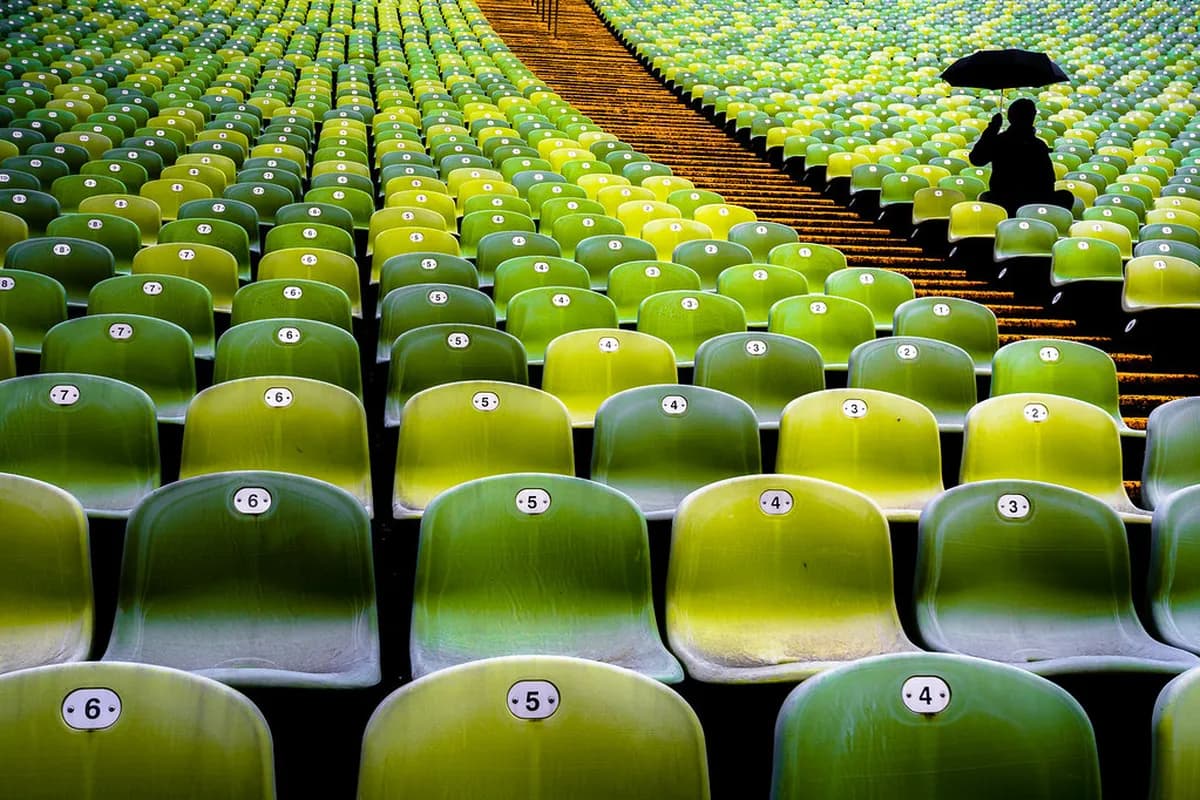
From Hirschgarten, public transport connects you north to Olympiapark within 15 minutes. The park was built for the 1972 Summer Olympics and still hosts major concerts in its stadium. BMW Welt is free to enter and worth an hour for the architecture alone; the BMW Museum next door costs €10 and is closed Mondays. End the afternoon at Olympiaberg, a free grass hill with a sweeping view over the park, the city, and — on clear days — the Alps. The paid Olympia Tower is the higher-altitude alternative at around €13. Head back into town via U-Bahn U3 and explore Maxvorstadt in the evening, where most restaurants cater to the student population rather than tourists.
- Morning (09:00–12:30): Nymphenburg Palace and grounds (Tram 17)
- Lunch (12:30–14:30): Hirschgarten beer garden
- Afternoon (15:00–18:00): Olympiapark, BMW Welt, Olympiaberg sunset
- Evening (19:00–late): Dinner in Maxvorstadt
- Logistics: Tram 17 to Nymphenburg; U3 back from Olympiapark
Day 3: Offbeat Munich
The third day trades landmarks for local neighbourhoods. Start with a walk along the Isar river — Munich's actual soul. Begin at the Friedensengel (Angel of Peace), a gold-topped monument on a high terrace, and walk south toward the Deutsches Museum. The walk takes about 30 minutes at a steady pace, considerably longer with stops. En route you pass the Maximilianeum (home of the Bavarian State Parliament), the ornate St Lukas Church, and the Art Nouveau Müller'sches Volksbad public pool. In summer the riverbanks fill with picnickers and swimmers; in winter the path is the preserve of committed runners.
For late morning, circle back to the southern entrance of the Englischer Garten to watch the Eisbachwelle surfers. This standing wave at the edge of the park runs year-round and draws a small crowd of spectators at almost any hour. Walk north through the park to the Chinese Tower beer garden (Chinesischer Turm) for a mid-morning coffee or early lunch — it opens at 10:00 on most days. The garden seats 7,000 and is one of the most famous in Munich, though the Seehaus beer garden further north has a more local crowd if you continue walking.
For the afternoon, explore the Glockenbachviertel, Munich's most vibrant inner-city neighbourhood and the heart of the city's LGBTQ+ scene. It has the best concentration of independent cafés, wine bars, and international restaurants in Munich. From there you can walk or tram to Haidhausen on the east bank of the Isar — a quaint, village-like district with Wiener Platz market square and the Hofbräukeller beer hall. For a different angle, the Werksviertel-Mitte behind Ostbahnhof station has murals, bars in shipping containers, and a genuinely creative atmosphere. Finish the evening at one of the Glockenbachviertel's cocktail bars; you can find an extensive Munich nightlife guide here for specific bar recommendations.
- Morning (09:00–12:00): Isar walk from Friedensengel to Deutsches Museum area
- Late morning (11:00–13:00): Eisbachwelle surfers, English Garden, Chinese Tower beer garden
- Afternoon (14:00–18:00): Glockenbachviertel, then Haidhausen or Werksviertel-Mitte
- Evening (19:00–late): Cocktail bars in Glockenbachviertel
- Logistics: Mostly walkable; Tram 17 or U-Bahn as needed
Transportation in Munich
Munich's public transport network covers U-Bahn (underground), S-Bahn (suburban rail), trams, and buses. The inner ring — covering the Altstadt, Maxvorstadt, Schwabing, and most Day 1–3 stops — falls within Zone M (Innenraum). A single-zone day ticket costs around €9.20 for one person in 2026; a three-day IsarCard runs around €29 and covers unlimited Zone M travel, which makes financial sense if you are using trams and U-Bahn daily. Partner tickets (for up to 5 people) are available and significantly reduce per-person cost.
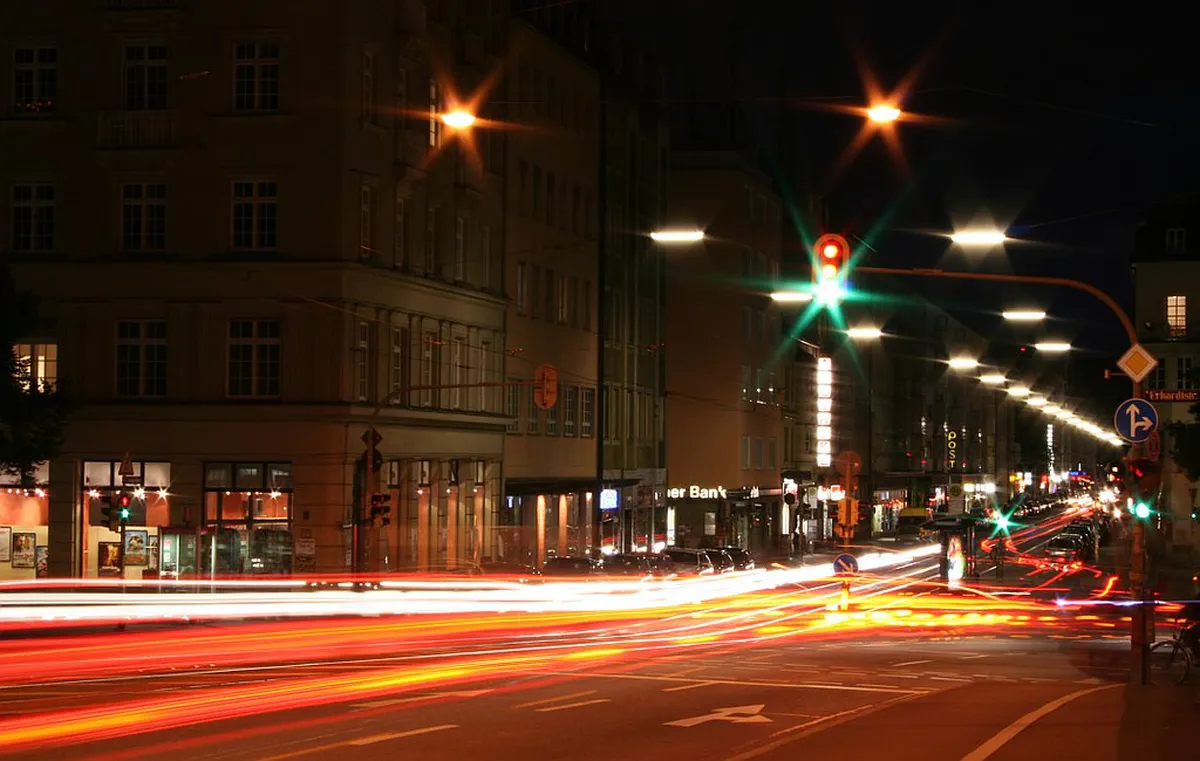
Cash is still king at many Munich restaurants, beer halls, and market stalls. A number of local S-Bahn and U-Bahn ticket machines still do not accept international credit cards, though newer MVV machines do. Carry at least €50–€80 in cash per person per day as a baseline. Walking covers most of Day 1 in the Altstadt; Tram 17 is the correct line for Nymphenburg Palace; U-Bahn U3 runs from Olympiapark back to the city centre. Airport transfers use the S1 or S8 S-Bahn lines — a single ticket from the airport to central Munich costs around €13.40.
What to Book Before You Arrive
If you plan a day trip to Neuschwanstein Castle, pre-book your timed entry ticket at least 4–6 weeks in advance during summer. The €15–€17 ticket sells out weeks ahead, and walk-up tickets are no longer reliably available at the castle box office since 2023. Book through the official ticket portal to guarantee entry.
The single most common first-timer mistake in Bavaria is arriving at Neuschwanstein Castle without a pre-booked timed entry ticket. Since 2023, walk-up tickets are no longer reliably available at the castle box office during peak season — the system moved to an online timed-entry model. If you plan a day trip to the castle, book through the official ticket portal at least 4–6 weeks ahead in summer; the €15–€17 ticket sells out weeks in advance. Our full Neuschwanstein day trip guide covers train schedules, shuttle bus logistics, and which castle viewpoint is worth the extra walk.
For the Residenz in central Munich, walk-up tickets are still available, but booking online 48 hours ahead skips the queue at peak times. If you are visiting during Oktoberfest (mid-September to early October in 2026), beer tent reservations inside the main festival grounds must be made months in advance — most tents open reservations in January for the same year. The BMW Museum benefits from pre-booking timed entry at weekends. For day trips beyond Neuschwanstein, the the best day trips from the city guide covers the Dachau Memorial (20 minutes by S-Bahn, free entry, no booking required) and Berchtesgaden's Eagle's Nest.
For the Residenz Treasury and Cuvilliés Theatre, combined tickets cost €9; each section is worth 90 minutes. Sunday is worth noting for museum visitors: most state-run Bavarian museums charge just €1 for standard admission on Sundays, including the Alte Pinakothek, Pinakothek der Moderne, and Glyptothek. Many museums are closed on Mondays, including the BMW Museum.
Most state-run Bavarian museums offer €1 admission on Sundays — a significant saving if you time your visit right. Major museums including the Alte Pinakothek, Pinakothek der Moderne, Glyptothek, and others participate in this offer. This is one of Europe's best museum hacks for budget-conscious travellers in 2026.
Adding More Days Into This 3 Days in Munich Itinerary
If you have a fourth day, Munich serves as one of Europe's best day-trip bases. A day trip to Neuschwanstein Castle is the most popular extension — about two hours by train to Füssen, then a short bus ride to the castle. Disney's Sleeping Beauty Castle was directly inspired by Neuschwanstein, and the surrounding village of Füssen is worth 30 minutes of wandering on its own. Book tickets well ahead as described above.
The Dachau Concentration Camp Memorial is 20 minutes from Munich Hauptbahnhof on the S2 S-Bahn. Entry is free, though the audio guide (around €5) significantly deepens the visit. Budget at least three hours — it is a somber but historically essential site. Berchtesgaden and the Eagle's Nest is a two-hour drive or a longer train journey and works best as a full-day organized tour. Salzburg in Austria is another option at about 90 minutes by train, and easy to combine with a short visit to Berchtesgaden in the same day.
Frequently Asked Questions
Is 3 days in Munich enough for first-timers?
Yes, three days allows you to see the Old Town, Nymphenburg Palace, and the English Garden. You will have enough time for the main museums without feeling rushed. It is the perfect duration for a city break.
What is the best way to get around Munich?
Munich has an excellent public transport network including the U-Bahn, S-Bahn, and trams. Most central sites are walkable, but a day pass is cost-effective for reaching Nymphenburg or the Olympic Park. Most lines run frequently until late at night.
Are museums in Munich closed on certain days?
Many major museums, including the BMW Museum and several art galleries, are closed on Mondays. Always check the official website before visiting. Sundays are popular because many state-run museums offer admission for just €1.
For the bigger picture, see our complete Munich guide.
Three days in Munich offers a wonderful introduction to the history and hospitality of Bavaria. From the royal halls of the Residenz to the surfers on the Eisbach, the variety is immense. Book your Neuschwanstein tickets before you fly and carry cash for the beer halls. Enjoy every pretzel along the way — Munich rewards the prepared traveller generously.
You might also like


Continue reading
More guides you'll find useful