Bmw Museum Munich Travel Guide
Plan bmw museum munich with top picks, neighborhood context, timing tips, and practical booking advice for a smoother trip.
On this page
Bmw Museum Munich
The BMW Museum Munich is one of the most visited attractions in the Bavarian capital, drawing car enthusiasts and casual tourists in equal measure. Housed in the distinctive silver "Salad Bowl" building next to Olympiapark, it tells the story of BMW from its aircraft engine origins in 1916 to today's electric future. Knowing the layout of the full campus before you arrive makes the difference between a rushed hour and a satisfying half-day out.
The BMW campus in Milbertshofen-Am Hart actually contains four distinct experiences: the paid museum, the free BMW Welt showroom, a working factory, and the four-cylinder BMW Group headquarters tower. Each serves a different purpose, and many visitors miss at least one of them by not planning ahead. This guide covers all four, with practical details on tickets, timing, and how to get there in 2026.
BMW Museum vs BMW Welt: What Is the Difference?
First-time visitors often confuse the two main buildings, which stand directly across from each other. The BMW Museum is the circular silver bowl on the south side — it requires a paid ticket (10 EUR standard, 7 EUR reduced, 24 EUR family) and covers the brand's history through 125 vehicles spanning motorcycles, racing cars, and concept prototypes. It is open Tuesday to Sunday, 10:00–18:00, and is closed on Mondays.
BMW Welt sits on the north side and is entirely free to enter. It functions as a delivery centre, events space, and brand showroom. You can walk around current production models, browse the flagship shop, and watch paying customers collect their newly built cars — a spectacle in itself. The Junior Campus inside BMW Welt runs hands-on sessions for children aged 7–13, covering topics from aerodynamics to electric motors.
The factory tower (the four-cylinder building) is the working headquarters and is not open for self-guided visits. It is, however, visible from everywhere on the campus and is one of Munich's most photographed skyline landmarks. The correct approach for a first visit is to do the museum first, then cross to BMW Welt for a free hour of browsing.
What is the BMW Museum?
The BMW Museum opened in 1973, timed to coincide with the Munich Olympics, and expanded significantly to its current 5,000 square metres in 2008. The building's circular form was designed by Karl Schwanzer, the same architect behind the four-cylinder headquarters. Its unusual shape — wider at the top than the base — creates an internal spiral ramp that carries visitors through the exhibitions without the need for stairs or elevators.
The collection is organized into thematic "houses" rather than a strict chronological timeline. Sections cover design philosophy, technology milestones, motorsport heritage, and the company's wartime history, which the museum addresses with notable transparency. A dedicated area explores BMW's shift toward electrification and hydrogen fuel cells, making the collection feel current rather than nostalgic.
Beyond the vehicles, the museum displays engines, aircraft components, and industrial machinery that many visitors overlook. These technical exhibits explain how a Bavarian aircraft engine maker pivoted to motorcycles after World War I and then to automobiles — a thread that gives the whole collection its logic. History lovers will find as much to engage with here as hardcore car fans.
What is the museum like?
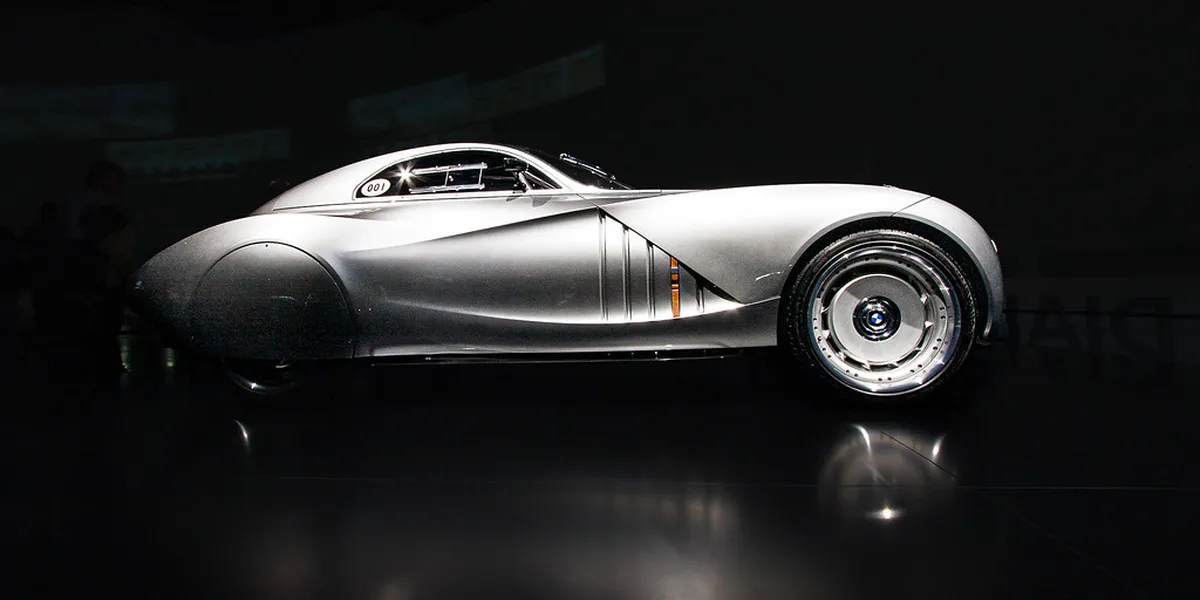
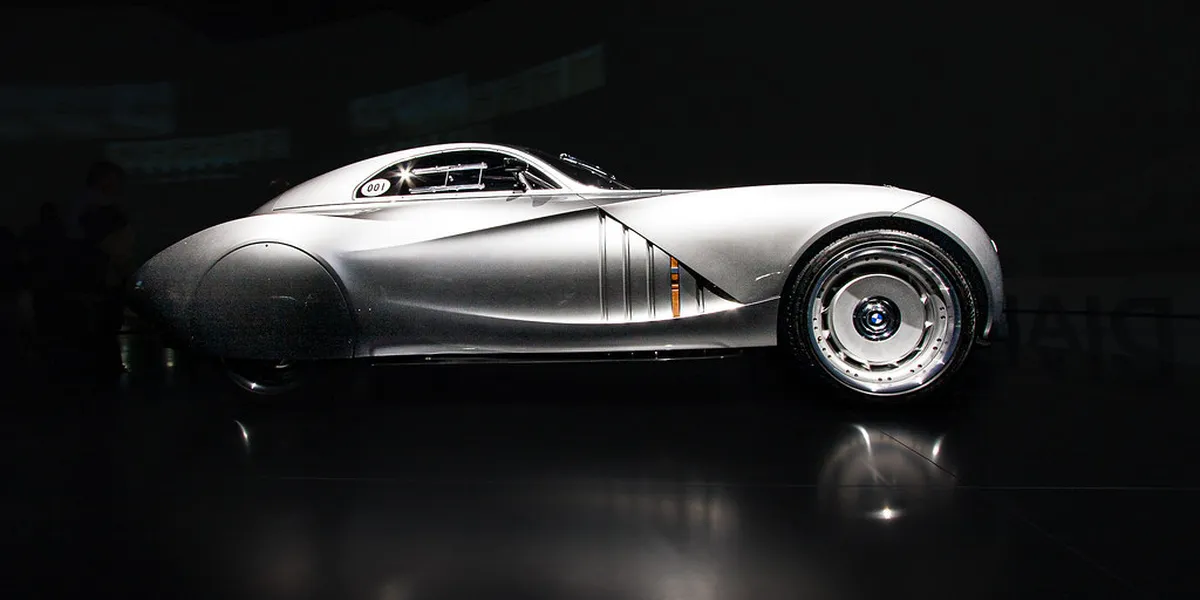
The interior atmosphere is quiet, cool, and deliberately theatrical. Strategic lighting picks out chrome bodywork and painted surfaces against a neutral white background, and the spiral ramp means every turn reveals a new display without the visual fatigue of a conventional grid-layout museum. The pacing feels natural — you can linger over a 1930s 328 roadster or press forward quickly depending on your interest level.
Interactive touchscreens sit alongside many of the exhibits, providing horsepower figures, production numbers, and engineering notes. These work well for those who want depth but can be skipped entirely without losing the thread. The Art Car collection — vehicles painted by artists including Andy Warhol, Roy Lichtenstein, and Jeff Koons — tends to stop visitors in their tracks regardless of their interest in cars. Seeing the textures and scale of Warhol's 1979 M1 in person is genuinely different from seeing it in a photograph.
The M-series heritage room draws the largest crowds. It traces the evolution of the M3 and M5 from the 1980s competition homologation specials to the present generation. Many visitors find this the most personal section of the museum, because these are cars they have either owned or aspired to own. Arriving at opening time (10:00) gives you the best chance of a clear view before tour groups arrive around 11:00. 10 Best Museums in Munich lists regularly include this site for its production quality and the depth of its permanent collection.
The BMW Plant Tour: The Experience Most Visitors Skip
A few metres north of BMW Welt, the BMW Group factory produces the 3 Series and other models on an active production line that visitors can observe from elevated walkways. Guided factory tours (Werksführung) run on weekdays in English and German, last approximately 2.5 hours, and cost around 8 EUR per adult. Minimum age is 6 years old, and children must be accompanied.
Bookings are essential — the tours sell out weeks in advance during peak summer months. The official booking page is linked from bmw-welt.com under "Tours and Events." Tours typically depart at 09:30 and 13:00, and both time slots are equally good. Visitors see the body shop, paint shop, and final assembly, and guides explain robotic processes alongside the remaining manual craftsmanship stages.
This is where the BMW campus visit transitions from a museum day into something genuinely unusual. Watching a completed car roll off a live production line next to the showroom where customers pick up those same cars is a coherent story told across three buildings in a single afternoon. If you plan to do the museum in the morning and BMW Welt after lunch, add the factory tour as the middle act — it bridges the historical and the contemporary in a way neither building does alone.
Explore the surroundings
The BMW campus sits at the northern edge of Olympiapark, Munich's 85-hectare parkland built for the 1972 Summer Games. After your museum visit, the park is a five-minute walk south and is one of the best 12 Best Things to Do in Munich for free. The Olympiastadion, the Olympic Tower (Olympiaturm), and the artificial lake are all accessible without an entry fee; the tower charges 13 EUR for the observation deck.
The park also has a beer garden, the Sea Life Munich aquarium on the eastern edge, and regular outdoor concerts at the Olympiastadion. If you are visiting in summer, check whether any events coincide with your trip — the park hosts major concerts from May through September. In winter, an outdoor ice rink operates next to the stadium.
The BMW Welt itself deserves an unhurried look even if cars don't interest you. The double-cone atrium roof, designed by Coop Himmelb(l)au, is a landmark piece of early 21st-century architecture. The ground floor showroom is arranged as a flowing landscape rather than a conventional car lot, and the EssZimmer restaurant upstairs holds two Michelin stars for those wanting a special lunch. Casual eaters will find cafes inside BMW Welt and multiple kiosks throughout Olympiapark.
Family-Friendly and Budget-Friendly Options
The BMW campus caters well to families. BMW Welt's Junior Campus runs free themed workshops for children aged 7–13 on weekends and during school holidays; sessions focus on design thinking, sustainability, and basic engineering. Registration at the Junior Campus desk on the day is usually sufficient outside peak season, but booking ahead via BMW Welt's website is advisable in July and August.

Ticket pricing at the museum is reasonable by Munich standards. Adults pay 10 EUR, reduced entry (students, seniors) costs 7 EUR, and a family ticket covering two adults and up to four children is 24 EUR. The Munich City Tour Card gives a 10% discount on museum entry. Combined with free BMW Welt entry, a family can spend a full morning on the campus for well under 40 EUR total.
Public transport keeps costs down further. The U3 line stops at Olympiazentrum, which is a two-minute walk from both the museum and BMW Welt. Journey time from Marienplatz is around 15 minutes. Parking is available in the BMW Welt car park but is expensive and unnecessary given how direct the U3 connection is. Check 9 Best Neighborhoods for hotels with strong subway access if you plan to do this excursion on your first or second morning.
- BMW Museum: 10 EUR adult / 7 EUR reduced / 24 EUR family (2 adults + up to 4 children)
- BMW Welt: free entry, daily 07:30–24:00
- BMW Plant Tour: approx. 8 EUR, weekdays, advance booking required
- Olympiaturm observation deck: 13 EUR
- Transport: U3 to Olympiazentrum, ~15 min from Marienplatz
| Venue | Cost | Time Needed | What You Get |
|---|---|---|---|
| BMW Museum | 10 EUR adult / 7 EUR reduced / 24 EUR family | 2–3 hours | 125 vehicles, motorsport heritage, Art Car collection, interactive exhibits |
| BMW Welt | Free entry | 1–2 hours | Current production models, brand showroom, EssZimmer Michelin restaurant, free Junior Campus workshops |
| BMW Plant Tour | ~8 EUR per adult | 2.5 hours | Live production line, body shop, paint shop, final assembly process |
How to Plan a Smooth BMW Attractions Day
BMW Welt is free to enter (open 07:30–24:00 daily), while the BMW Museum requires a paid ticket. Combine both for the full campus experience — the museum alone costs 10 EUR but gains you access to the paid exhibits; BMW Welt is entirely gratis and never costs extra.
Take the U3 U-Bahn line to Olympiazentrum, which is just a two-minute walk from both the museum and BMW Welt. From Marienplatz (city centre) the journey takes around 15 minutes. Parking is expensive and unnecessary — public transport is faster and more convenient.
The most efficient sequence is: museum at 10:00, factory tour at 13:00, BMW Welt from 15:30. This covers all three paid and free experiences in a single day without doubling back. If you skip the factory tour, a museum plus BMW Welt visit fits easily into a half-day, leaving the afternoon free for Olympiapark or the city centre.
Book the museum ticket online at the official BMW Welt portal before you travel. Weekend time slots, especially Saturday mornings from June through September, sell out by Wednesday of the same week in 2026. Factory tour bookings for weekday mornings in July and August typically fill two to three weeks ahead. There is no same-day online booking discount, but buying online avoids the physical queue entirely.
The museum's busiest period is 11:00–14:00, when organized coach tours arrive. Arriving at opening (10:00) or after 15:00 gives noticeably more space around the most popular exhibits. The Art Car collection and the M-series room are the two areas where congestion is most noticeable. Photography is permitted throughout both the museum and BMW Welt, and natural light in the Welt atrium is best around midday.
Frequently Asked Questions
What is the BMW Museum opening hours?
The museum is typically open from Tuesday to Sunday, between 10:00 AM and 6:00 PM. It remains closed on Mondays and certain public holidays throughout the year. Always check the official Bmw-Welt.com site for seasonal updates or special event closures before traveling.
Is the BMW Museum worth it for non-car fans?
Yes, the museum is worth visiting for its architecture and historical context alone. The design of the building and the artistic presentation of the exhibits appeal to fans of modern art and engineering. It provides a unique look at German industrial history that is fascinating even if you don't drive.
How much time should you plan for the BMW Museum?
Most visitors find that two to three hours is sufficient to see all the major exhibits. If you also plan to explore the BMW Welt and the Olympic Park, you should budget a full half-day. This allows for a relaxed pace and time for a meal at one of the onsite cafes.
For the bigger picture, see our complete Munich guide.
The BMW Museum Munich works best when treated as part of a campus day rather than a standalone museum visit. The combination of the paid museum, free BMW Welt, and an optional factory tour covers automotive history, contemporary design, and live manufacturing in a sequence that takes around six hours at a comfortable pace. Its position next to Olympiapark makes it easy to extend the day further without leaving the neighbourhood.
Book the museum and factory tour online before you travel, take the U3 to Olympiazentrum, and arrive at 10:00 to beat the tour groups. Whether you are a lifelong BMW fan or simply curious about how one of Germany's most famous brands was built, this corner of Munich delivers a day that is hard to replicate anywhere else in the country.
You might also like


Continue reading
More guides you'll find useful