10 Best Museums in Munich (2026 Travel Guide)
Discover the 10 best museums in Munich with this 2026 guide. Get expert tips on the Pinakothek, Deutsches Museum, and hidden gems for your next trip.
On this page
10 Best Museums in Munich for Art and History Lovers
Munich is one of the best cities in Europe for museum lovers, and it isn't particularly close. Thanks to centuries of Wittelsbach royal collecting, the city holds art and cultural treasures that rival London, Paris, and Rome — yet most galleries never feel dangerously crowded. Whether you are drawn to Renaissance masters, Bavarian folk culture, or cutting-edge street art, there is a world-class institution here for every taste.
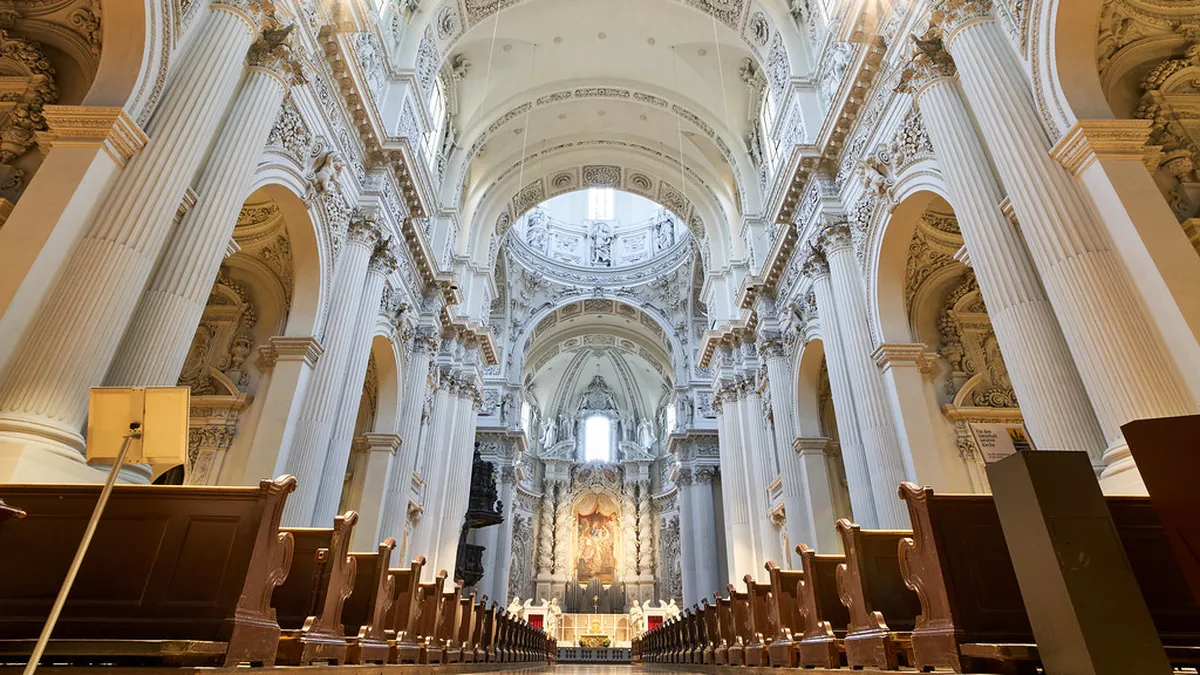
This guide covers the essential stops for a 2026 visit, with practical entry prices, opening hours, and advice on how to group visits efficiently. The city's main museum district, the Kunstareal in Maxvorstadt, puts five major galleries within a ten-minute walk of each other. That concentration makes Munich uniquely rewarding even on a short trip of two or three days.
Knowing when to visit Munich can significantly shape your museum experience. Summer weekends bring larger crowds to the most famous collections, while weekday mornings in spring or autumn offer near-empty galleries and better natural light. Plan your days around the €1 Sunday deal and the Monday closures, and you will cover a surprising amount of ground without spending a fortune.
Is Munich Worth Visiting for Museum Lovers?
The short answer is yes — emphatically. Munich has around 80 public museums and galleries, ranging from tiny specialist collections to institutions that rank among the largest in the world. The heavy hitters are concentrated tightly enough that you can visit two or three in a single day without any serious transit effort.
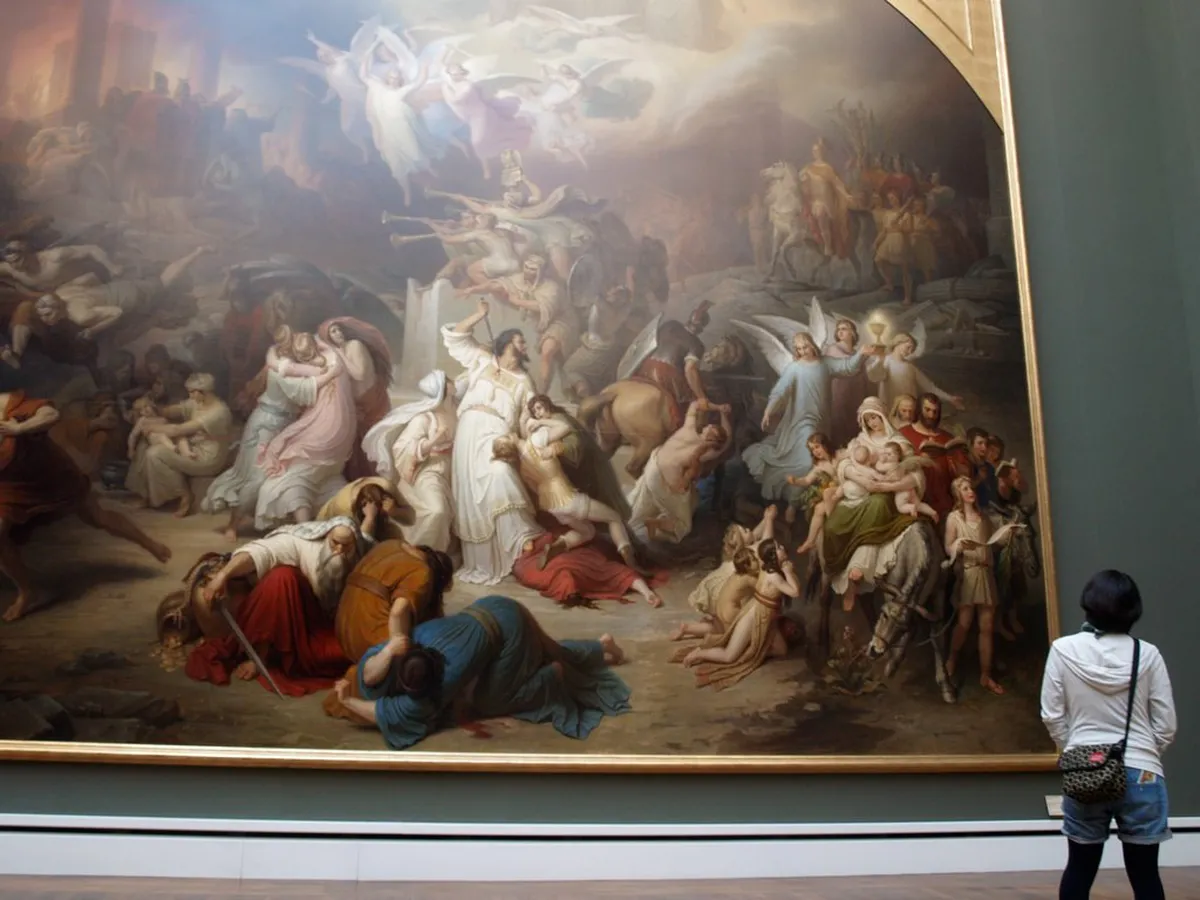
If you are weighing how many days in Munich you actually need, your museum interest is the key variable. A single afternoon at the Deutsches Museum turns into a full day once you start exploring its floors. The Kunstareal alone can absorb three solid days if you take each collection seriously.
Budget travelers should note the famous Sunday rule: all state-run Bavarian museums charge just €1 for entry on Sundays. That covers the Alte Pinakothek, Pinakothek der Moderne, Museum Brandhorst, Bavarian National Museum, and the Egyptian Museum in one very cheap afternoon circuit. The trade-off is larger crowds, so arriving by 10:00 is wise.
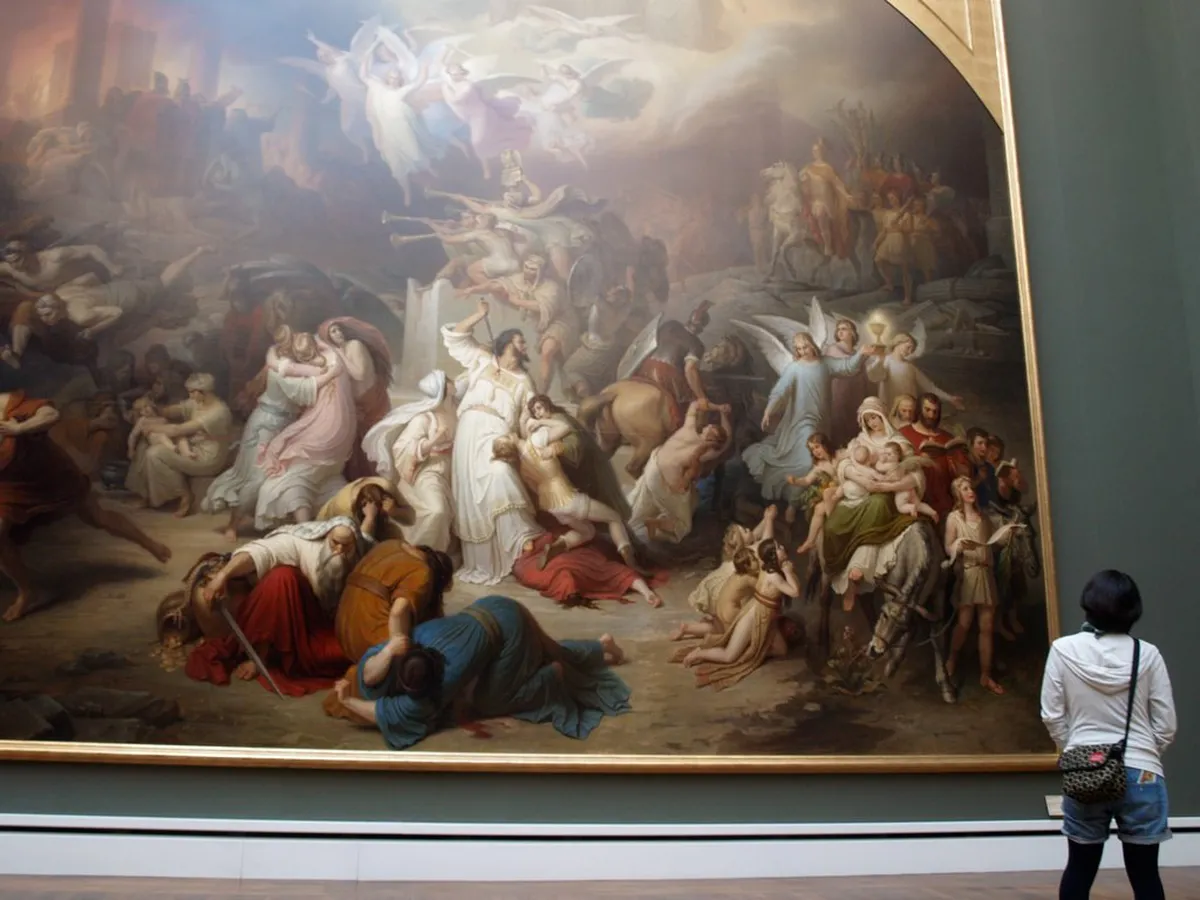
All state-run Bavarian museums cost just €1 on Sundays — a fantastic budget hack for art lovers. The Alte Pinakothek, Pinakothek der Moderne, Museum Brandhorst, Bavarian National Museum, and Egyptian Museum all participate. Arrive by 10:00 AM to avoid the largest crowds.
The Three Pinakotheken: Munich's Art Quarter Core
The Kunstareal in Maxvorstadt is anchored by three galleries that together span Western art from the 14th century to the present day. They sit within a five-minute walk of each other, which makes it easy to move between them in a single visit. Understanding what each one covers helps you decide which to prioritize based on your own taste.
The Alte Pinakothek is the oldest and most celebrated of the three, opened in 1836 to display the royal collection assembled by the Wittelsbach princes from as far back as 1528. Its 19 halls hold over 700 paintings by Leonardo da Vinci, Dürer, Rubens, Rembrandt, Titian, and Raphael — a density of masterworks that matches any museum in Europe. You can find detailed Pinakothek collection information on the official website. Standard admission is €7 (€5 reduced); on Sundays it drops to €1. The gallery opens Tuesday and Wednesday until 20:30, Thursday through Sunday until 18:00, and is closed on Mondays.
The Pinakothek der Moderne, opened in 2002, unites four collections under one striking glass-roofed building: 20th-century and contemporary fine art, graphic design, architecture, and industrial design. The design wing in the basement is a highlight in its own right, with rotating displays of iconic furniture and vehicles from the last hundred years. Tickets are €10 (€7 reduced), and the gallery participates in the €1 Sunday deal. Hours mirror the Alte Pinakothek.
One practical note for 2026: the Neue Pinakothek, which holds the Pinakotheken's 19th-century collection including works by Van Gogh, Monet, and Caspar David Friedrich, has been closed for structural renovation since 2019 with no confirmed reopening date yet announced. Key works from the collection have been redistributed — some to the Alte Pinakothek, some to the Galerie Schack on Prinzregentenstrasse. If the 19th century is your priority, check the Alte Pinakothek's current temporary rooms and the Galerie Schack before assuming the Neue Pinakothek is accessible.
The Neue Pinakothek has been closed for renovation since 2019 with no official reopening date announced yet. If you want to see 19th-century works by Van Gogh and Monet, visit the Alte Pinakothek's temporary exhibitions or the Galerie Schack on Prinzregentenstrasse instead.
Alte Pinakothek: Old Masters in Depth
Among all the museums in Munich, the Alte Pinakothek makes the strongest case for a dedicated half-day visit rather than a quick walk-through. The sheer scale of the permanent collection — 700 paintings across old master traditions from Germany, the Netherlands, and Italy — rewards a slower pace. The Rubens rooms on the upper floor are genuinely extraordinary, with large-format devotional and mythological canvases that few institutions outside of Madrid and Antwerp can match.
The gallery occupies a neo-classical building that was badly damaged in World War II and thoughtfully restored rather than rebuilt to perfection, leaving visible patches of wartime damage on the facade. Inside, the natural-light lanterns above the main galleries illuminate the paintings in a way that modern museums with controlled artificial lighting cannot replicate. For serious art tourists, this is often the single most important stop in the city.
First-time visitors should focus on the German wing (Dürer's self-portraits, Cranach, Altdorfer) and the Flemish-Dutch rooms (Rubens's 'Great Last Judgment', Rembrandt's 'Descent from the Cross') before moving to the Italian section. Budget a minimum of 90 minutes; two hours is more realistic. The museum café on the ground floor is a reasonable place to pause before heading to the Pinakothek der Moderne next door.
Deutsches Museum: The World's Largest Science Museum
The Deutsches Museum occupies its own island on the Isar river and is, by visitor numbers and floor space, the largest science and technology museum in the world. Over 1.5 million people visit each year, drawn by exhibitions covering everything from mining and marine navigation to aeronautics, chemistry, and nuclear physics. Visit the Deutsches Museum official site to plan your visit. The sheer scale makes a single visit feel both overwhelming and genuinely exciting.
Standard adult admission is approximately €15, and the museum opens daily from 09:00 to 17:00 — one of the few major Munich institutions that does not close on Mondays. Some wings are currently under a long-term renovation program that has been running since 2021; check the official website before visiting to confirm which exhibit halls are fully accessible in 2026. Despite the ongoing work, the bulk of the collection remains open.
For visitors with limited time, the basement mining exhibit is the most immersive section: a reconstructed underground shaft with real equipment that feels genuinely atmospheric rather than staged. The aeronautics hall on the upper floors houses original aircraft including a Fokker D.VII and early jet engines. Families with children tend to gravitate toward the interactive physics and chemistry demonstrations, which run on a posted schedule throughout the day. Plan on at least three hours; a full day is easy to fill.
Lenbachhaus: Home of The Blue Rider
The Städtische Galerie im Lenbachhaus holds the most important collection of Der Blaue Reiter (The Blue Rider) expressionist works in the world. Wassily Kandinsky, Franz Marc, Paul Klee, August Macke, and Gabriele Münter are all represented in depth, spanning the movement's brief but influential run between roughly 1911 and 1914. The Lenbachhaus website provides exhibition schedules and tickets. If you have any interest in early abstraction or German Expressionism, this museum is essential.
The building itself is a golden-hued Italianate villa that was once the private home of portraitist Franz von Lenbach. A large contemporary extension was added during a major renovation completed in 2013, and the contrast between the historic villa rooms and the clean modern galleries creates a pleasant rhythm as you move through the collection. Tickets are typically €10 per person, with the gallery open Tuesday until 20:00 and Wednesday through Sunday until 18:00. Mondays are closed.
Beyond the Blue Rider galleries, the Lenbachhaus also holds important installations by Joseph Beuys and usually runs at least one strong temporary exhibition in contemporary art. The historic rooms of the Lenbach villa — where the painter received Bismarck, Pope Leo XIII, and the Bavarian royal court — offer an intimate window into Munich's gilded Gründerzeit society. Plan for 90 minutes to two hours to see the permanent collection properly.
Bavarian National Museum: Seven Centuries of Cultural History
The Bayerisches Nationalmuseum on Prinzregentenstrasse is one of Munich's most underrated major institutions. Its focus is the decorative arts and cultural history of Bavaria and the broader German-speaking world, spanning seven hundred years of Wittelsbach patronage. The building itself looks like a sprawling medieval castle and palace hybrid — deliberately designed in multiple historic styles to mirror the periods housed inside.
The permanent collection covers medieval ivory carvings, Renaissance goldsmithery, Baroque sculpture, Art Nouveau applied arts, historic textiles, and an extraordinary array of Bavarian folk objects. The basement nativity scene collection is considered the largest and finest in the world, with scenes ranging from simple Tyrolean carvings to elaborate 18th-century theatrical set pieces with hundreds of figures. It sounds niche but is genuinely spectacular.
Adult admission is €7 (€6 reduced), and the museum opens Tuesday through Sunday from 10:00 to 17:00, with Thursday hours extended to 20:00. Monday is closed. The museum is popular with locals but sees far fewer international tourists than the Pinakotheken, which means it rarely feels crowded. For visitors interested in crafts, design history, or Bavarian culture specifically, this is the most rewarding stop in the city. Budget at least two hours.
Museum Brandhorst and Haus der Kunst: Contemporary Art Choices
Munich has two strong options for contemporary and modern art, and they serve noticeably different audiences. Museum Brandhorst, identifiable by its colorful multi-tonal ceramic rod facade, specializes in late 20th-century and contemporary work with a particular focus on Cy Twombly. The museum's custom-built Twombly galleries — housing the 34-canvas 'Lepanto' cycle — are among the most thoughtfully designed viewing spaces in Europe. Standard tickets are €7, with the €1 Sunday deal applying. Hours run Monday through Sunday from 10:00 to 18:00, with Thursday extended to 20:00.
Haus der Kunst, a few minutes' walk from the English Garden on Prinzregentenstrasse, is a completely different proposition. It holds no permanent collection. Instead, it runs ambitious large-scale temporary exhibitions of international contemporary art — the kind that get reviewed in international art press. The building's complicated history (it was commissioned by the Nazis in the 1930s as a showcase for "approved" German art) adds an uncomfortable but worthwhile layer of meaning to visiting it. Tickets typically cost €12 to €14 depending on the current show; late-night hours operate on Thursdays until around 22:00, and the first Thursday of each month offers free entry from 18:00 to 22:00.
If you are deciding between the two, Brandhorst rewards visitors who want a curated permanent collection with depth in a specific era. Haus der Kunst rewards visitors who follow the contemporary art world and want to see what's being shown globally right now. Both are within easy walking distance of the English Garden, so combining either with a walk through the park makes for a strong afternoon.
Munich Residence and Treasury: Royal History in the City Center
The Münchner Residenz is the former seat of the Bavarian Wittelsbach dynasty and one of the largest city palaces in Europe. Over 130 rooms are open to the public, covering ten successive building campaigns from the 14th to 19th centuries. The result is an extraordinary layering of Renaissance, Baroque, Rococo, and Neoclassical interiors, each generation of rulers adding their own stamp to the complex.
The Antiquarium, built between 1568 and 1571, is the oldest room in the complex and arguably the most impressive interior in Munich: a barrel-vaulted Renaissance hall over 60 metres long, its ceiling and walls covered entirely in fresco. The Cuvilliés Theatre within the same complex is a gem of Rococo design, restored after wartime destruction using the original carved boxes that had been stored for safety.
A combined ticket for the Residence Museum and the Treasury costs around €15 per adult. Do not skip the Treasury — the Schatzkammer contains the Bavarian crown jewels, Wittelsbach regalia, ivory masterworks, and medieval goldsmithery accumulated over five centuries of dynastic rule. Opening hours are daily from 09:00 to 18:00 in summer. The Residence is located directly in the city center near Marienplatz, making it a natural pairing with a walking tour of the Old Town. Allow at least two hours for the combined visit.
BMW Museum and Nymphenburg Palace: Beyond the City Center
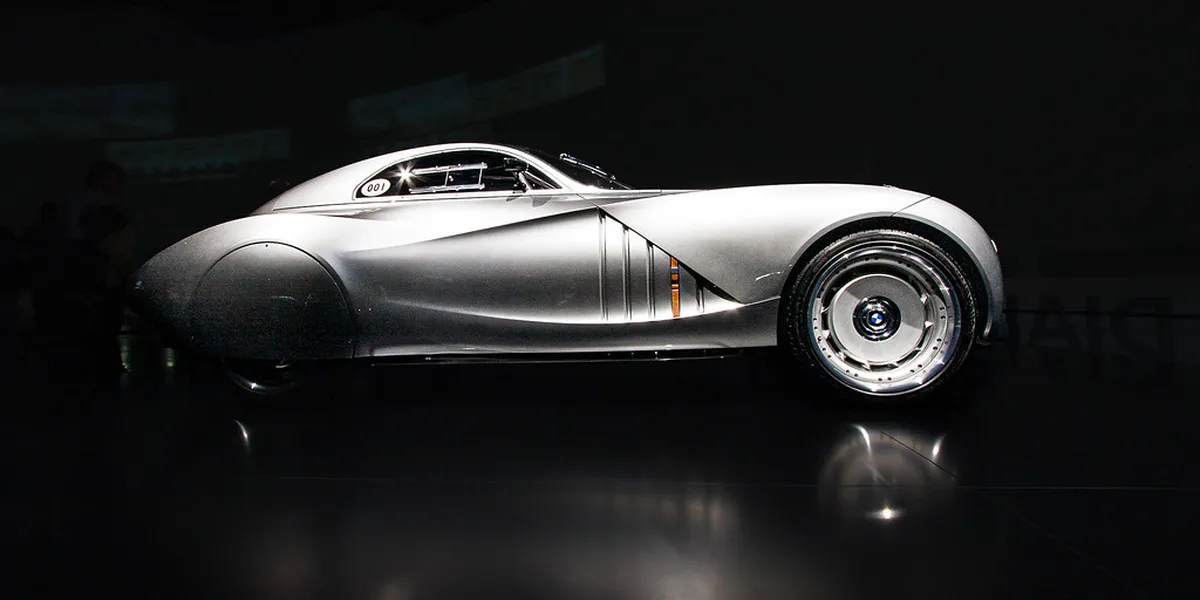
Two major sites sit outside the Kunstareal and are worth planning a dedicated half-day for. The BMW Museum and BMW Welt in Milbertshofen covers the full history of the Bavarian motor company through vehicles, design models, and archival material. The museum costs around €10, while the adjacent BMW Welt delivery and events center is free to enter. Architecture and design enthusiasts will find the buildings themselves as interesting as the exhibits. The adjacent Olympiapark makes a natural extension to a full-day visit in that part of the city.
Nymphenburg Palace on the western edge of Munich combines a royal palace with an extensive park and several subsidiary museums. The palace itself houses the Gallery of Beauties commissioned by King Ludwig I, while the outbuildings contain collections of Nymphenburg porcelain, royal carriages, and hunting equipment. A combined ticket for the palace and museums costs approximately €15 in summer. The park is free to walk year-round and provides a pleasant counterpoint to the dense museum district visits downtown.
How to Plan a Smooth Munich Museum Day
Group your visits by neighborhood to save transit time. The Alte Pinakothek, Pinakothek der Moderne, Museum Brandhorst, and Lenbachhaus are all within a ten-minute walk of each other in Maxvorstadt. The Bavarian National Museum and Haus der Kunst are a short walk east along Prinzregentenstrasse. Plan the Deutsches Museum and the Residence as separate half-days given their size and central-island or city-center locations respectively.
The €1 Sunday deal at state-run museums (Pinakotheken, Brandhorst, Bavarian National Museum, Egyptian Museum) is the single best money-saving tool available to independent visitors in 2026. Sunday crowds are noticeably heavier than weekdays but rarely unbearable before noon. If you plan to visit more than four museums during a stay of three or more days, compare the Munich City Tour Card and the Turbopass against your actual itinerary — they bundle public transit with museum entry but only deliver savings above a certain visit threshold.
Most major museums close on Mondays. The clear exceptions are the Deutsches Museum (open daily) and Haus der Kunst (open daily). Save Monday for outdoor sites, the English Garden, or the city center. Check the Munich public transport guide for the U-Bahn and tram lines serving each district before you go — the Kunstareal is one stop from the Hauptbahnhof on the U2 line. Most museums offer coin-operated lockers, so you can leave coats and bags securely rather than carrying them through the galleries.
| Museum | Focus | Adult Price | Hours |
|---|---|---|---|
| Alte Pinakothek | Old Masters (14th–18th century) | €7 (€1 Sunday) | Tue–Wed 10–20:30, Thu–Sun 10–18:00, Closed Mon |
| Pinakothek der Moderne | Modern & contemporary art, design, architecture | €10 (€1 Sunday) | Tue–Wed 10–20:30, Thu–Sun 10–18:00, Closed Mon |
| Deutsches Museum | Science, technology, industry | €15 | Daily 09:00–17:00 |
| Lenbachhaus | The Blue Rider & contemporary art | €10 | Tue 10–20:00, Wed–Sun 10–18:00, Closed Mon |
| Bavarian National Museum | Decorative arts, cultural history | €7 (€1 Sunday) | Tue–Sun 10–17:00 (Thu until 20:00), Closed Mon |
| Museum Brandhorst | Late 20th-century & contemporary art | €7 (€1 Sunday) | Mon–Sun 10–18:00 (Thu until 20:00) |
| Munich Residence & Treasury | Royal palace, crown jewels | €15 | Daily 09:00–18:00 |
Frequently Asked Questions
Which Munich museums are free on Sundays?
While not entirely free, many state-run museums like the Pinakotheks and the Bavarian National Museum cost only €1 on Sundays. This is a fantastic way to save money, though you should expect larger crowds. Always check the official museum website to confirm participation before heading out.
Are museums in Munich closed on Mondays?
Yes, most major museums in Munich are closed on Mondays as part of a long-standing local tradition. Notable exceptions include the BMW Museum and the Deutsches Museum, which typically remain open seven days a week. It is wise to plan outdoor activities or shopping for your Monday itinerary.
How much time do I need for the Deutsches Museum?
You should plan for at least 3 to 4 hours to see the highlights of the Deutsches Museum. Given its status as the world's largest science museum, a full day is required to see everything in detail. Wear comfortable walking shoes as the exhibits span several floors and long corridors.
Munich's museums are strongest when visited as a curated circuit rather than a checklist. The Kunstareal core — Alte Pinakothek, Pinakothek der Moderne, Lenbachhaus, and Museum Brandhorst — gives you a coherent arc from old masters to contemporary work in a single walkable afternoon. Add the Bavarian National Museum and the Residence Treasury for the city's cultural and royal history, and the Deutsches Museum for a complete change of pace. That leaves the BMW Museum and Nymphenburg for a second day or a longer stay.
For more to do across the city, the Munich things to do guide covers the full range of neighborhoods, gardens, and day trips beyond the museum district. Enjoy the collections.
You might also like


Continue reading
More guides you'll find useful