3 Days in Berlin Itinerary: The Ultimate Local Guide
Discover the best 3 days in Berlin itinerary. Includes a day-by-day plan for Mitte, East Berlin, and West Berlin with local tips for first-timers.
On this page
The Perfect 3-Day Berlin Itinerary
Berlin rewards the traveler who arrives with a plan. This 3 days in Berlin itinerary groups the city's most important neighborhoods into three focused days — Mitte's historic core on Day 1, Cold War East Berlin on Day 2, and West Berlin on Day 3. Each day is walkable within its zone, which keeps transit time low and leaves more hours for the actual sites.
The city is large — roughly nine times the size of Paris — so trying to mix neighborhoods each day leads to exhaustion and missed context. Staying in one area per day changes the experience entirely. You absorb the character of each district rather than rushing between unrelated landmarks.
Use this first-timers guide to Berlin alongside the day-by-day plan below. It covers the practical side — when to go, what to wear, how much cash to carry — so this article can focus on the itinerary itself.
Berlin Planning Cheatsheet: What to Book Before You Arrive
Several of Berlin's most popular sites require advance reservations. Turning up without one means standing outside a closed gate — a common and entirely avoidable mistake. The Reichstag dome is the most critical: registration is free on the Bundestag website but slots fill 2–3 weeks ahead in summer and school holiday periods. There is a small allocation of same-day tickets, but they are issued at least two hours before the session begins, which makes planning around them unreliable.
Museum Island also benefits from pre-booking. The Pergamon Museum is under partial renovation through 2027, with its main hall closed but the permanent collection accessible via a temporary extension. Check current status before you go. The Neues Museum (home to the Nefertiti bust) and the Alte Nationalgalerie remain fully open and are the two strongest options for a 2026 visit.
The TV Tower restaurant revolves once per hour and seats fill fast at sunset. Book at least 3–4 weeks ahead for an evening slot, or arrive at opening (10:00) for shorter queues at the observation deck. If you want to dine at Käfer, the rooftop restaurant above the Reichstag dome, book separately — it operates independently from the dome registration.
- Reichstag dome: free, mandatory registration at bundestag.de — book 2–3 weeks ahead
- Pergamon Museum: timed entry tickets at smb.museum — check renovation status first
- TV Tower (Fernsehturm): observation deck tickets at tv-turm.de — prebook for sunset
- Berliner Unterwelten underground tours: sell out a week ahead — book online
- Charlottenburg Palace: timed slots during peak season, walk-in fine in shoulder season
Museum Pass vs. Berlin Welcome Card: Which One Saves You More
Most Berlin itinerary guides mention the Berlin Welcome Card and leave it there. The decision is actually more nuanced, and picking the wrong option costs real money over three days.
The Berlin Welcome Card (72-hour version, around €36 in 2026) covers unlimited public transport in zones AB and gives 25–50% discounts at roughly 200 attractions and restaurants. It makes sense if you plan to use the U-Bahn or S-Bahn several times daily and spread your museum visits across multiple neighborhoods. The transport savings alone often cover most of the card's cost.
The Museum Island Pass (Bereichskarte Museumsinsel, around €29) gives unlimited entry to all five Museum Island institutions across three consecutive days. If you intend to spend a full afternoon on Museum Island — and most visitors do, because the Neues Museum alone takes 2–3 hours — this pass pays for itself immediately. Single adult entry to the Neues Museum is €12; the Alte Nationalgalerie is €10. Two visits already cover the pass price. The catch is that it only covers Museum Island; it provides no transport benefit.
The practical recommendation for a 3-day visit: buy the Berlin Welcome Card if your itinerary spreads across the city, or buy the Museum Island Pass separately if you plan to spend significant time on the island and are staying close enough to Mitte to walk between most Day 1 sites. Do not assume you need both — for most first-timers, the Welcome Card alone is the cleaner choice.
The Pergamon Museum's main hall (the namesake Pergamon Altar) remains closed through 2027 under renovation. Check the Stiftung Preußischer Kulturbesitz (smb.museum) website before booking to confirm which sections are open during your visit.
Is 3 Days in Berlin Enough for First-Timers?
Three days is a realistic and satisfying introduction to Berlin if you use the time strategically. You can cover the major landmarks in Mitte, the key Cold War sites in East Berlin, and the main draw of West Berlin's Charlottenburg district. What you will not have time for is depth — spontaneous detours, prolonged museum visits, or sitting in a park cafe for an afternoon.
The honest answer is that Berlin gives back proportionally to the time you invest. A week reveals the city in a way three days cannot. But three focused days will leave you with a clear sense of the city's history, its distinct east/west character, and enough energy to want to return. That is the right outcome for a first visit.
If you want more guidance on whether to extend, read the how many days in Berlin guide. It compares 3-day, 5-day, and 7-day options with honest trade-offs at each length.
Where to Stay in Berlin for Three Days
Mitte is the default recommendation for first-time visitors and it earns that status. Staying here puts the Brandenburg Gate, Museum Island, and Checkpoint Charlie within a 20-minute walk in most directions. The tradeoff is price — Mitte hotels run roughly €150–400 per night for mid-range to upscale properties — and a touristy atmosphere that feels less like the Berlin locals actually inhabit.
Prenzlauer Berg is the strongest alternative for travelers who want residential character without sacrificing central access. It is quiet, leafy, and well-connected via the U2 and S-Bahn. A mid-range stay here runs €100–200 per night and the cafe and restaurant scene is excellent for evening meals after a full day of sightseeing.
Kreuzberg suits travelers drawn to nightlife, street food, and a multicultural atmosphere. The eastern part along Oranienstrasse is louder and more energetic; the western side near Chamissoplatz is more settled and walkable. Charlottenburg works best for Day 3 if you want to be on foot for that neighborhood from the start — rates are competitive with Mitte and the streets are noticeably quieter. See the full neighborhoods guide for hotel-level recommendations per area.
Day 1: Mitte and the Historic Heart
Start at the Reichstag at 09:00, before the tour groups arrive. The glass dome designed by Sir Norman Foster offers unobstructed 360-degree views over the government quarter and the Tiergarten. Remember: you need a pre-booked registration slot. After the dome, walk three minutes east to the Brandenburg Gate at Pariser Platz. Arrive early here too — by 10:30 the square becomes congested. The gate looks best from the Tiergarten side in morning light.
From the gate, walk south five minutes to the Memorial to the Murdered Jews of Europe. The 2,711 concrete stelae on an undulating surface produce a genuine sense of disorientation. The underground information center is worth 45 minutes of your time — it puts names and faces to the statistics. Treat the memorial as a place of quiet reflection; the stone blocks are not for climbing regardless of what other visitors do.
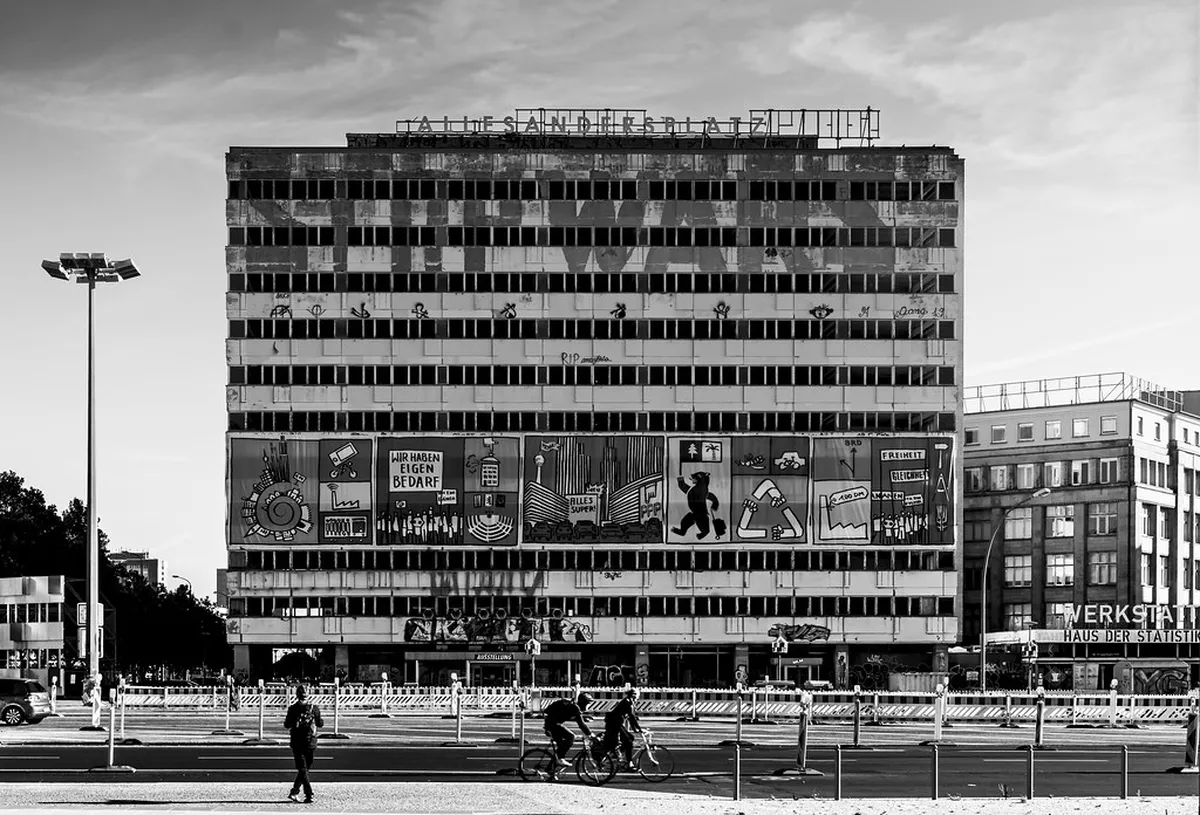
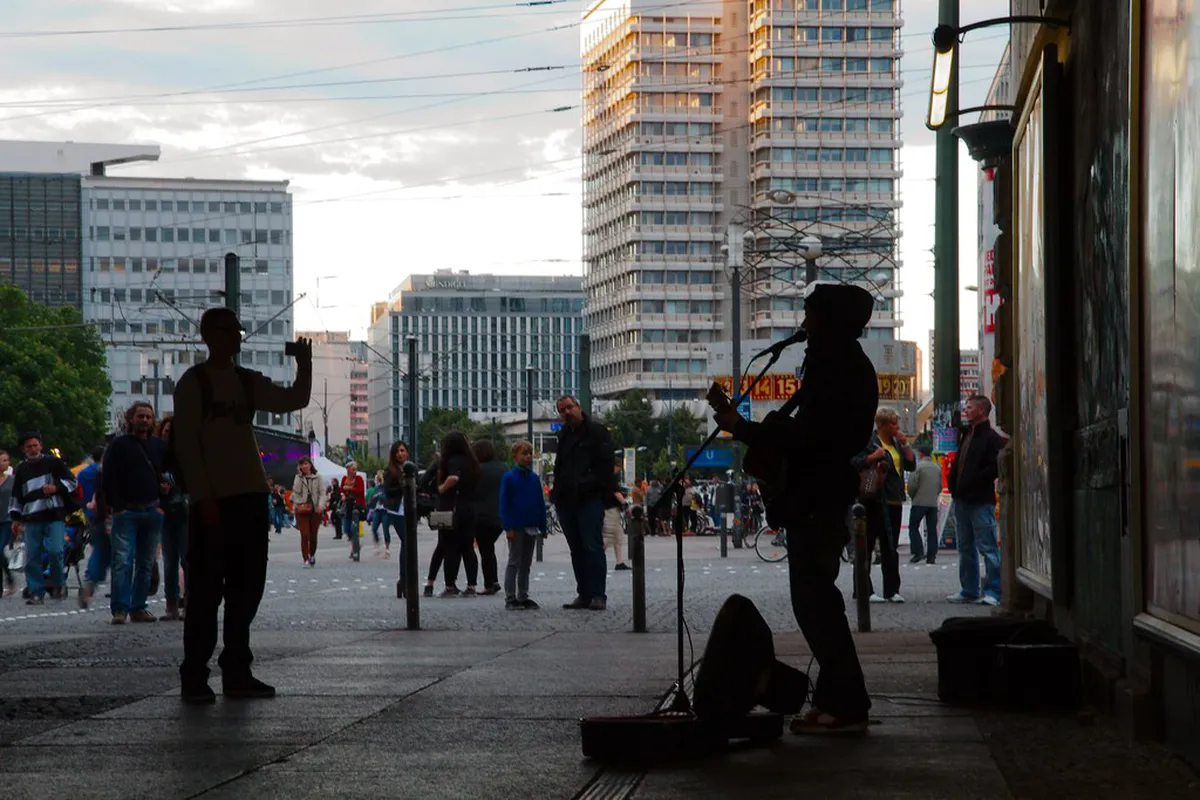
After lunch near Unter den Linden, spend the afternoon on Museum Island. The Neues Museum is the strongest single-visit option — it holds the ancient Egyptian collection including the Nefertiti bust — and the Alte Nationalgalerie covers 19th-century European painting in an elegant neoclassical building. Budget 2–3 hours for both. End the day at Alexanderplatz and the Fernsehturm (TV Tower) for evening views over the city. The tower closes at 24:00 so there is no rush.
Day 1 logistics: the entire morning route from Reichstag to Museum Island is walkable. Comfortable shoes are essential. Most of the historic center is pedestrianized or has wide footpaths. Keep an eye on Sunday and Monday schedules — many shops are closed Sundays and some galleries close Mondays, so Day 1 is better suited to Tuesday through Saturday.
The Memorial to the Murdered Jews of Europe charges no admission to enter the above-ground stelae field, but the underground information center is ticketed at €5. The information center is only accessible 10:00–18:00 and closed Mondays. Plan the timing carefully if you visit on a weekend.
Day 2: East Berlin and Cold War History
Begin at the East Side Gallery in Friedrichshain. The 1.3 km stretch of original Berlin Wall carries murals painted by artists from 21 countries after reunification in 1990. Walk it west to east, from the Ostbahnhof end toward the Oberbaumbrücke. The famous "Fraternal Kiss" mural (Dmitri Vrubel's painting of Brezhnev and Honecker) is toward the western end. Budget an hour to walk the full length and photograph the work.
Cross the Oberbaumbrücke and take the U-Bahn to Checkpoint Charlie. The checkpoint itself — a reconstructed guardhouse with tourist actors in period uniforms — is a commercial disappointment that every visitor still stops at. Skip the paid photo with the actors and spend your time at the Topography of Terror instead, a five-minute walk away. This free open-air museum sits on the excavated foundations of the SS and Gestapo headquarters. The outdoor exhibition documents the systematic apparatus of Nazi terror with primary source photographs and documents. It is more disturbing and more informative than Checkpoint Charlie and almost always less crowded.
For a harder Cold War experience, the Berlin Story Bunker on Schöneberger Strasse is worth the detour. It operates inside an actual WWII-era flak tower and takes visitors through the Nazi period and GDR era with full-scale reconstructions and original artifacts. Entry runs around €15 and the guided tour lasts 90 minutes. This is the site the brief's brief identifies as the "more impactful" Cold War experience — and it is right. Most travelers skip it entirely.
End Day 2 in Kreuzberg. Oranienstrasse runs west from Heinrichplatz and concentrates the neighborhood's best street food, independent bars, and record shops into about 600 meters. The Turkish and Middle Eastern food options here — doner, falafel, baklava — are better and cheaper than anything near the tourist sites in Mitte. Dinner and a drink here costs under €20 per person without trying.
Day 3: West Berlin and Local Neighborhoods
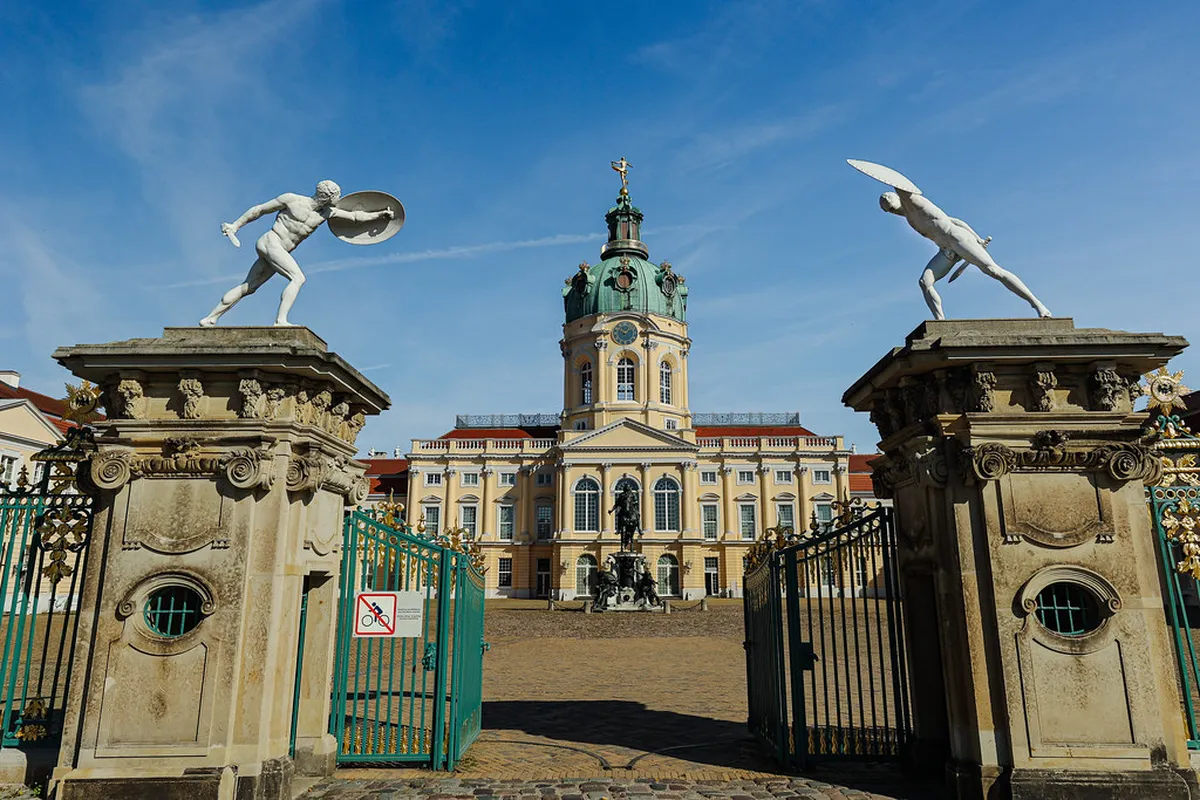
Charlottenburg Palace (Schloss Charlottenburg) opens at 10:00 and is the right way to start the day. The main building (Altes Schloss) charges €12 per adult for the state apartments. The Baroque gardens behind the palace are free to enter at any time and are worth 30–45 minutes on a clear morning. The palace itself is the largest in Berlin and gives a clear sense of how the city looked before the 20th century reshaped it.
From the palace, walk or take Bus 109 down to the Kurfürstendamm (Ku'damm). This is West Berlin's main commercial boulevard — the equivalent of East Berlin's Karl-Marx-Allee, but capitalist in character. The Kaiser Wilhelm Memorial Church at the western end of the boulevard is a deliberate ruin: the bombed-out original tower has been left standing next to its modern replacement as a permanent anti-war statement. It is free to enter and takes about 20 minutes.
KaDeWe (Kaufhaus des Westens) on Wittenbergplatz is Europe's second-largest department store. The food hall on the sixth floor is the main draw — the selection of German cheeses, cured meats, and pastries is extensive. Even if you do not buy anything, it is worth 30 minutes of browsing. The building dates to 1905 and the interior has been partially restored after a 2019 fire that damaged part of the upper floors.
Close out the trip with a walk through the Tiergarten in the late afternoon. The park connects naturally between Charlottenburg and Mitte and gives a low-effort, high-quality ending to the three days. The Siegessäule (Victory Column) in the center of the park costs €4 to climb and the view takes in the government quarter and the park canopy simultaneously. The park is flat, well-lit, and busy with locals cycling and running — which, after three days of concentrated tourism, feels like exactly the right pace.
| Day | Main Area | Key Sites | Transport | Time Budget |
|---|---|---|---|---|
| Day 1 | Mitte | Reichstag dome, Brandenburg Gate, Memorial to Murdered Jews, Museum Island, TV Tower | Mostly walking (comfortable shoes) | 09:00–24:00 (full day) |
| Day 2 | East Berlin (Friedrichshain, Mitte, Kreuzberg) | East Side Gallery, Checkpoint Charlie, Topography of Terror, Berlin Story Bunker, Kreuzberg nightlife | U1 and U-Bahn (zone AB) | 09:00–23:00 |
| Day 3 | West Berlin (Charlottenburg, Ku'damm, Tiergarten) | Charlottenburg Palace, Kaiser Wilhelm Church, KaDeWe, Tiergarten, Siegessäule | Bus 109 + walking (flat terrain) | 10:00–18:00 |
Transport: Getting Around Berlin
Berlin's public transport network covers the city through four systems: the U-Bahn (underground metro, 10 lines), the S-Bahn (elevated overground rail), trams (mainly in East Berlin), and buses. For most tourist routes, the U-Bahn and S-Bahn are the fastest options. Trains run every 5–10 minutes during the day and the network spans the entire inner city. On weekends, the U-Bahn and S-Bahn run through the night. On weekday nights after around 01:00, night buses (prefixed N) cover most subway routes.
The fare zone you need for all sites in this itinerary is AB, which covers the entire inner city including Charlottenburg, Friedrichshain, and Kreuzberg. A single AB ticket costs €3 (2026 rate) and is valid for 2 hours with unlimited transfers. A 24-hour day ticket for one person costs €8.80; a group day ticket for up to 5 people costs €25.50. The BVG Fahrinfo app handles ticket purchase and journey planning. Paper tickets must be validated before boarding — stamp them in the yellow machines on the platform or inside the tram.
For Day 1, most of Mitte is walkable if you are based near the center. For Day 2, the U1 connects Kreuzberg to Friedrichshain and makes the East Side Gallery–Checkpoint Charlie–Kreuzberg loop manageable without a car. For Day 3, Bus 100 and Bus 109 run scenic routes through West Berlin past key landmarks. Bikes are available from dockless hire services including Nextbike and Lime — useful for the East Side Gallery walk or the Tiergarten. Check the public transport guide for network maps and current ticket prices.
Optional Day 4: Potsdam or Sachsenhausen
If you have a fourth day, Potsdam is the most popular extension. It is a 30-minute regional train ride from Berlin Hauptbahnhof on the RE1 or S7 line (zone C, so your Berlin Welcome Card does not cover it — buy a separate Potsdam single or day ticket). Sanssouci Palace and its gardens are the main draw, with the rococo summer palace of Frederick the Great sitting atop a terraced vineyard. Entry to the palace is €14; the gardens are free. Renting a bike at the station for €10–15 makes it easy to cover the sprawling park without exhaustion.
Sachsenhausen Concentration Camp Memorial north of Berlin is the more historically significant choice for travelers focused on 20th-century history. Take the S1 to Oranienburg (45 minutes from Mitte) and walk 20 minutes from the station, or take a local bus. The memorial is free; guided tours are €4–6 and strongly recommended for context. Allow a full half-day — 4 hours minimum. The Potsdam day trip guide covers logistics for both options in detail.
For the wider city overview, see our Berlin things-to-do guide.
Frequently Asked Questions
Is the Berlin Welcome Card worth it for 3 days?
Yes, it is usually worth the cost for most visitors. It covers all public transport and offers 25-50% discounts at major sites. You save money if you visit at least two museums daily.
Do I need to book the Reichstag in advance?
Yes, you must book the Reichstag dome weeks before your visit. Registration is free but mandatory for security reasons. Slots often fill up 2-3 weeks in advance during summer.
What is the best way to get around Berlin?
The U-Bahn and S-Bahn trains are the most efficient transport methods. Buses are also great for sightseeing, especially the number 100 route. Most trains run every 5-10 minutes during the day.
Berlin is a city that rewards those who dig beneath the surface. This 3 days in Berlin itinerary covers the essential history and modern culture across Mitte, East Berlin, and the western districts. The planning cheatsheet at the top exists for one reason: avoid arriving without a Reichstag reservation. That single error derails Day 1 for more first-timers than any other oversight.
Stay flexible on the margins of each day. The best Berlin moments tend to arrive unscheduled — a courtyard stumbled into off Rosenthaler Strasse, a bakery queue that turns into a conversation, a view from a bridge at dusk. The itinerary is a structure, not a contract.
You might also like


Continue reading
More guides you'll find useful