Berlin Airport To City Centre Travel Guide
Plan berlin airport to city centre with top picks, neighborhood context, timing tips, and practical booking advice for a smoother trip.
On this page
Berlin Airport To City Centre
Arriving at Berlin Brandenburg Airport (BER) is the start of most trips to the German capital in 2026. The airport sits about 29 kilometres southeast of the city centre in the state of Brandenburg. Getting from the terminal to your hotel is straightforward once you know which option suits your time, budget, and final destination.
Berlin uses a zone-based public transport network run by the VBB (Verkehrsverbund Berlin-Brandenburg). The airport sits in Zone C, so any ticket covering zones A, B, and C will get you all the way into the city centre. This guide covers every realistic transport option, the right ticket to buy, and what to expect at both the airport and Berlin Hauptbahnhof once you arrive.
Berlin Brandenburg Airport: need to know
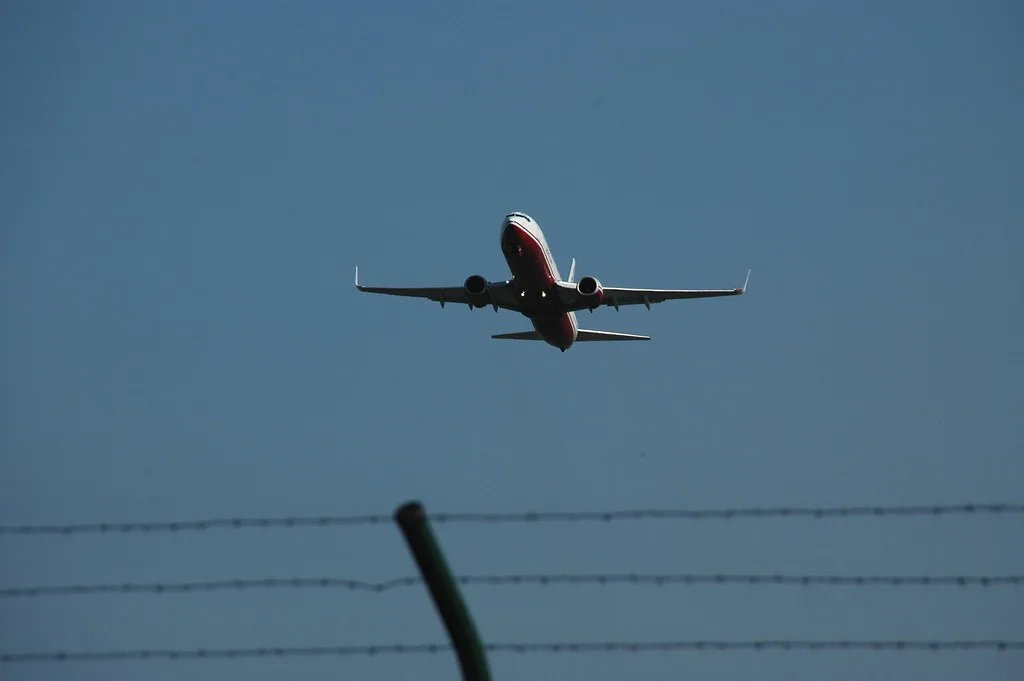
Berlin Brandenburg Airport — officially named Berlin Brandenburg "Willy Brandt" Airport — is the only commercial airport serving Berlin. It opened in November 2020 after years of delays, replacing the old Tegel and Schönefeld airports. The IATA code is BER. Airlines flying into BER in 2026 include British Airways, Ryanair, easyJet, Turkish Airlines, Delta, United, Norwegian, and Qatar Airways. Direct flights from New York and Washington D.C. land here.
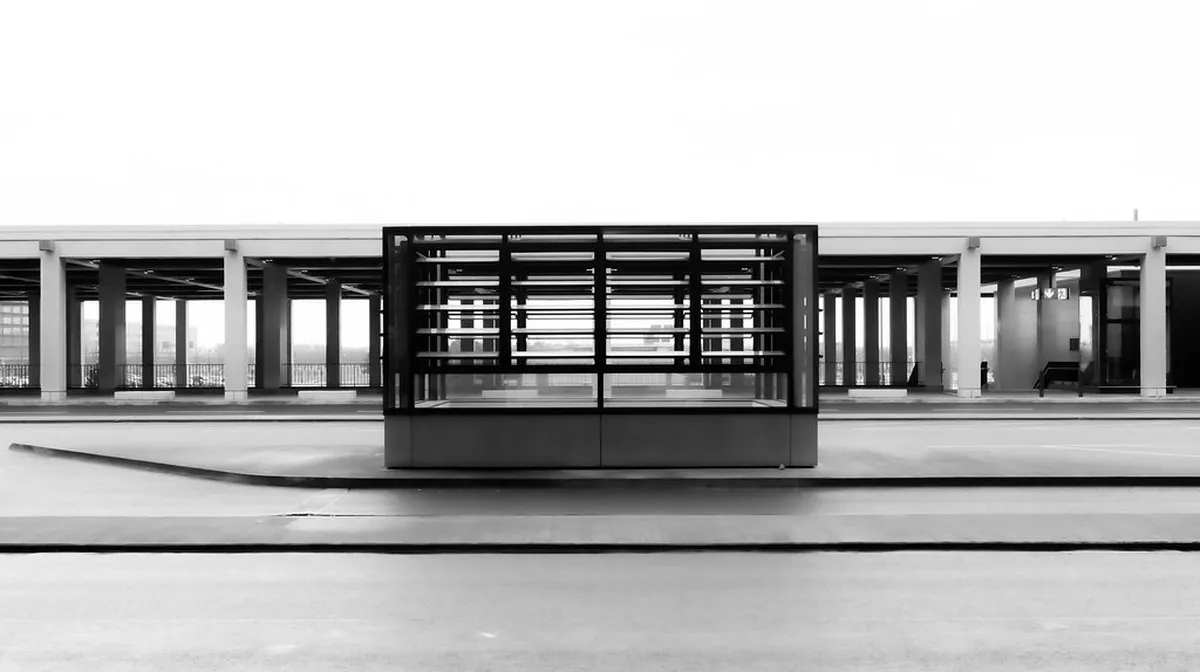
The airport is located in Schönefeld, Brandenburg, roughly 29 km from Mitte. The facility is modern and well-signed in both German and English. Free Wi-Fi is available throughout, and charging stations are placed across the departure and arrival halls. If you land disoriented, the Berlin Brandenburg Welcome Center inside Terminal 1 can answer transport questions, sell tickets, and hand out maps. Staff there speak English.
A note on the old airports: Tegel closed on 8 November 2020. Schönefeld's main terminal is now known as Terminal 5 of BER, though it no longer process passengers — it serves only as a bus and rail stop. If you see references to TXL or SXF on older travel forums, read more on Berlin Brandenburg Airport's history — both old airports are fully retired, and all flights use BER.
BER consists of two terminals
BER currently operates Terminal 1 and Terminal 2. Terminal 1 is the main building and handles the majority of flights, including most long-haul and full-service carriers. The underground train station — Flughafen BER Terminal 1-2 — sits directly beneath Terminal 1, making rail connections seamless for arrivals there.
Terminal 2 is a newer, more compact building connected to Terminal 1 by a short covered walkway. Low-cost carriers use T2 more frequently. Both terminals share the same train station access via underground passages, so the walk from T2 to the platform takes around 8 to 12 minutes. Taxi ranks are on Level E0 in front of Terminal 1. Terminal 2 does not have its own taxi rank — passengers departing by taxi must walk to T1 or use a rideshare pickup point.
Check your flight confirmation to see which terminal you are using before you travel. Boarding pass apps and airline websites show this clearly. Arriving in the wrong terminal will cost you walking time rather than transport money, since both terminals share the same station.
Berlin airport to the city centre by train
The fastest rail option is the Airport Express FEX (Flughafenexpress). It runs every 30 minutes, takes approximately 30 minutes to Berlin Hauptbahnhof, and stops at Südkreuz and Potsdamer Platz along the way. The FEX is a regional train with dedicated luggage space — the best choice if you are travelling with large bags or a tight schedule.
Regional trains RE20, RB22, RB23, RB24, and RB32 also stop at the airport station and connect to Hauptbahnhof and other city stations. Journey times are similar to the FEX. S-Bahn lines S9 and S85 offer a slower but very frequent service — roughly every 10 minutes — and stop at stations including Schönefeld, Köpenick, Ostkreuz, Ostbahnhof, Alexanderplatz, Hackescher Markt, and Friedrichstrasse before reaching Hauptbahnhof. The S9 continues on to Spandau. If your accommodation is in the eastern or central districts, the S9 may drop you closer to your door than the FEX.
Check our public transport guide for a full breakdown of Berlin's S-Bahn and U-Bahn network beyond the airport leg. All trains listed above depart from the underground station beneath Terminal 1. Buy your ticket before you board — you cannot purchase tickets on the train itself.
Ticket machines at BER accept both cash and card and have English-language options. The DB Navigator app lets you buy digitally before landing, avoiding queues entirely. All machines on Level E0 and the platforms include a dedicated airport button marked with a plane icon for instant ABC fare calculation.
| Transport Option | Travel Time | Cost (ABC) | Best For |
|---|---|---|---|
| Airport Express FEX | ~30 min | €4.40 (single) | Speed + luggage; 30-min frequency |
| S-Bahn S9 / S85 | ~40–50 min | €4.40 (single) | Frequent service; stops near east/central districts |
| Regional trains (RE20, RB22, etc.) | ~35–45 min | €4.40 (single) | Comfortable; luggage space; varied destinations |
| Express buses X7 / X71 to U7 | ~20 min + connection | €4.40 (single) | U7 corridor hotels; avoids mainline station |
| Taxi | 35–45 min (rush hour: 60 min) | €60–70 | Direct door-to-door; luggage ease; accessible vehicles on request |
| Uber / FreeNow | 35–45 min (variable) | €45–65 | Shared splits; designated pickup zone; app-based booking |
Continue your journey by S-Bahn, bus, or rail
Express buses X7 and X71 connect the airport to the U7 subway line at Rudow station. Buses run every 10 minutes and the journey to Rudow takes about 20 minutes. From Rudow you can take the U7 north toward Neukölln, Kreuzberg, Schöneberg, Charlottenburg, and Spandau. This is the best route if your hotel is along the U7 corridor and you want to avoid changing trains at a busy mainline station.
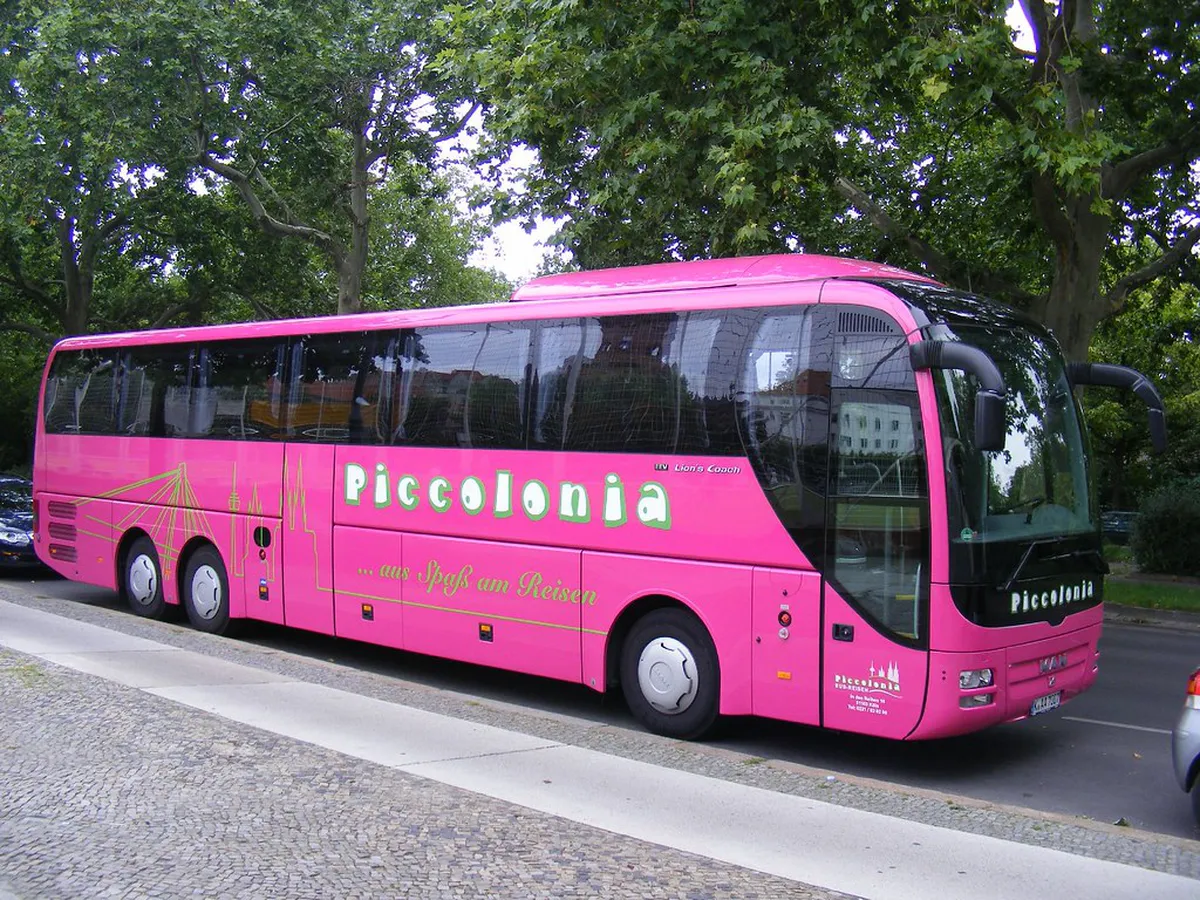
Several regular city and regional bus routes also serve the airport, though they are slower and make many stops. A luxury coach — the BER2 AirportShuttle — runs 15 times daily between Potsdam Hauptbahnhof and BER via Teltow. The journey from Potsdam takes under an hour and costs the standard Berlin BC fare plus a 6 euro surcharge (5 euro surcharge with a Deutschland-Ticket). All AirportShuttle tickets are sold by the driver. You can view the full Bus route network for every stop.
If there is a rail strike — Germany does experience periodic GDL and EVG walkouts — replacement buses (Schienenersatzverkehr, or SEV) are deployed on affected routes. The airport website and the DB Navigator app post strike updates in real time. Budget extra time if a strike is announced, as replacement buses are slower and can run infrequently.
Travelling without a validated ticket (Schwarzfahren) incurs a €60 fine in 2026 — significantly more than any ticket fare. Staff spot-check all trains regularly. If you hold a Deutschland-Ticket monthly pass, it fully covers the airport leg at no surcharge (except €5 extra for the Potsdam AirportShuttle bus only).
Vehicle options in Berlin
Taxis line up at the North and South ranks on Level E0 outside Terminal 1. All airport taxis are metered and must charge official rates — there is no haggling. Expect to pay between 60 and 70 euros for a ride to the city centre, with a journey time of 35 to 45 minutes depending on traffic. Rush hour on the A113 motorway can push that toward an hour. Passengers needing an accessible vehicle, a minivan, or a car with a child seat should speak to the APCOA representatives at the taxi ranks rather than hailing any car.
Rideshare apps including Uber and FreeNow operate at BER. Both have designated pickup zones separate from the taxi ranks — follow the signs in the arrivals hall. Fares vary with demand but typically land between 45 and 65 euros to the city centre. The apps show live wait times and allow you to split costs with travel companions.
Car rental desks from Sixt, Hertz, Europcar, and others are located in Terminal 1 on Level 0. Driving into central Berlin is feasible, but the city has a low-emission zone (Umweltzone) requiring a green sticker on your rental, and parking in Mitte or Prenzlauer Berg costs 3 to 5 euros per hour. Renting a car makes more sense if you plan day trips to Potsdam, the Spreewald, or Saxony rather than staying in the city.
- Official airport taxi: 60–70 euros, 35–45 min, accessible vehicles available at T1 ranks
- Uber / FreeNow rideshare: 45–65 euros, designated pickup zone in arrivals, book via app
- Car rental (T1 Level 0): Sixt, Hertz, Europcar — best for rural day trips, green sticker required for city centre
Getting the right ticket
BER sits in fare Zone C. To travel to the city centre — Zone A — you need a single ticket covering zones A, B, and C. In 2026 a single ABC ticket costs 4.40 euros. A day ticket (Tageskarte ABC) costs 10.60 euros and covers unlimited travel on all buses, trams, S-Bahn, U-Bahn, and regional trains within the ABC zones for the rest of the calendar day. If you plan more than two journeys on arrival day, the day ticket saves money immediately.
A critical rule that catches first-time visitors out: you cannot buy a ticket on the train. Tickets must be purchased before you board. Buy at the yellow ticket machines inside Terminal 1 on Level E0 near baggage claim, near the bus stop, and on Level U1 and U2 near the platforms. All machines have an English language option and most accept both cash and card. There is also a DB Travel Centre counter on Level U1 for more complex queries. Alternatively, download the DB Navigator app and buy your ticket digitally before you even leave the aircraft — no queuing required.
One useful shortcut in 2026: ticket machines across Berlin now include a dedicated airport button marked with a plane icon. When you use this button, the machine automatically sets the correct ABC fare based on your current location. If you are already in the city and need to buy a return ticket to BER, look for this icon to avoid accidentally buying an AB-only ticket. Validate your ticket at the yellow stamping machines on the platform before you board, or use the digital activation timestamp in the app.
Tourist multi-day tickets are also available and include the Berlin Welcome Card, which bundles unlimited transport with discounts at museums and attractions. These are worth buying if you arrive early in your trip and intend to use public transport daily. Ask at the Welcome Center in T1 or buy online before you travel to avoid queues.
Berlin central train station: need to know
Most rail services from BER terminate at or pass through Berlin Hauptbahnhof (Berlin Hbf), the central hub for long-distance, regional, and local trains. The station is a five-floor glass structure on the Spree riverbank in Mitte. From here you can transfer to U-Bahn line U5, and S-Bahn lines S3, S5, S7, S75, and S9, as well as nine bus routes and three tram routes. If your hotel is anywhere in the city, onward connections from Hbf are fast.
Within 20 minutes' walk of Hauptbahnhof you can reach the Brandenburg Gate, the Reichstag Building, the Tiergarten, and the Natural History Museum. It is a practical base for a first morning of sightseeing if your hotel is nearby. Luggage storage lockers are available inside the station for 4 to 6 euros per 24-hour period — useful if you arrive before check-in time and want to explore hands-free. Check out our guide on 20 Best Things to Do in Berlin: The Ultimate 2026 Travel Guide for how to build your first day from the Hbf area.
The station contains around 75 shops and restaurants across its levels. You can get a Berlin currywurst, a doner kebab, or a coffee without leaving the building. Each December, a Christmas market opens on Washingtonplatz between Hauptbahnhof and the Chancellery. Berlin Hbf is also the departure point for international trains to Hamburg (around 1 hr 45 min), Munich (around 4 hours), Prague (around 4 hours 30 min by fast service), Amsterdam (around 6 hours), and Warsaw (around 6 hours).
What to expect on arrival: a first-timer checklist
BER is newer and less chaotic than many European airports, but a few practical points catch first-timers out. Baggage claim at Terminal 1 is on Level E0. Once you clear customs, the train station entrance is a short walk through the terminal following signs for "S-Bahn / Regionalzug". The platforms are underground — take the escalators or lifts down from E0. Journey time from landing to a seat on the FEX is typically 20 to 30 minutes if you move directly.

Buy your ticket before you go down to the platform. There are no ticket machines on the platforms themselves, and staff do spot-check for valid tickets on all services. Fines for travelling without a validated ticket (Schwarzfahren) are 60 euros in 2026, which costs considerably more than the ABC single fare. If you hold a Deutschland-Ticket — the monthly nationwide transit pass valid on all S-Bahn and regional services — it covers the airport leg too, since BER is within the VBB network. You still need to add the 5 euro AirportShuttle surcharge for the Potsdam bus, but standard S-Bahn and regional trains are fully covered by the Deutschland-Ticket at no extra cost.
Luggage trolleys are available free of charge in the arrivals hall. The FEX and regional trains have wide vestibules designed for luggage. If you are travelling with oversized bags or a pram, the FEX is a more comfortable choice than the busier S-Bahn carriages during peak morning or evening hours. Plan your onward Berlin transport from Hauptbahnhof using the DB Navigator or the BVG app, both of which show real-time departures and platform numbers.
Frequently Asked Questions
How long does it take from Berlin Airport to the city centre?
The journey typically takes 30 to 50 minutes depending on your transport choice. The Airport Express (FEX) is the fastest rail option to Berlin Hauptbahnhof. Taxis or private transfers may take longer during peak traffic hours in the morning or late afternoon.
Which ticket do I need for the train from BER to Berlin?
You must purchase a single ticket or pass for the ABC zones. Berlin is divided into A, B, and C transport zones, and the airport is in Zone C. Ensure you validate your ticket before boarding to avoid fines while getting around Berlin.
Is Berlin safe for travelers arriving late at night?
Yes, Berlin is generally a very safe city for international travelers at all hours. Public transport runs late into the night, and stations are well-lit and monitored. For extra peace of mind, you can read our Berlin safety guide before your arrival.
Reaching the city centre from Berlin Brandenburg Airport is a simple process with many great options. Whether you prefer the speed of the express train or the comfort of a taxi, the journey is well-organized. Proper planning ensures you start your Berlin holiday on a positive and stress-free note.
Remember to buy an ABC zone ticket if you choose to use the excellent public transport system. This will give you access to all trains and buses for a single affordable price. We hope this guide helps you navigate your arrival with confidence and ease.
Berlin is a city that rewards exploration and offers something unique for every type of traveler. From historic landmarks to modern art, your journey from the airport is just the beginning. Enjoy every moment of your stay in the vibrant and historic German capital.
You might also like


Continue reading
More guides you'll find useful