Berlin Nightlife Guide: 9 Essential Clubs, Areas, and Tips
Master Berlin nightlife with our expert guide to the best techno clubs, cocktail bars, and neighborhoods. Includes door policy secrets and late-night food spots.
On this page
Berlin Nightlife Guide: 9 Essential Clubs, Areas, and Tips
Berlin's energy transforms completely once the sun sets over the Spree River. The city is famous for its wild and long nights that often stretch into Monday morning. Travelers find a sense of freedom here that few other cities can offer.
The local club scene is much more than just music and dancing. It represents a deep history of rebellion and creative expression born from one of the most dramatic events of the 20th century. Every neighborhood has its own unique rhythm and style for you to explore.
This guide covers the best neighborhoods to start your night, which clubs are worth the queue, how to give yourself the best shot at getting through the door, and where to eat at 4 AM. Prepare yourself for an unforgettable journey through the German capital.
Berlin: The City That Never Sleeps
The nightlife here operates on a schedule that surprises first-time visitors. Many clubs do not even open their doors until midnight on Friday, and the party continues without interruption until early Monday morning. There is no last-call culture — the concept simply does not exist here.
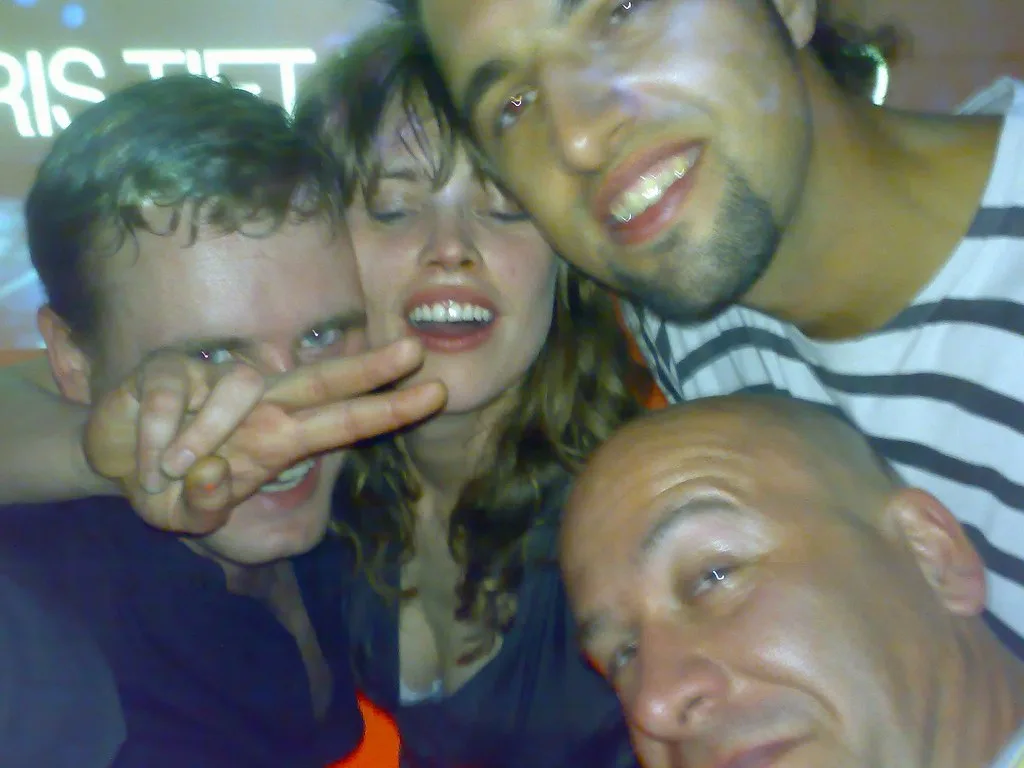
Berliners value the sanctity of the dance floor above almost anything else. This culture creates a genuinely inclusive space where people of all ages, backgrounds, and identities feel comfortable. The crowd at 6 AM on a Sunday is often just as dense as it was at 2 AM.
The city has been a global magnet for electronic music artists and fans since the early 1990s. In 2024, UNESCO formally recognised Berlin techno as part of Germany's cultural heritage — a distinction no other club scene in the world holds. Producers move here specifically to be part of this thriving community, which keeps the music fresh and the lineups unpredictable in the best possible way.
Berlin Nightlife Areas: Where to Start Your Night
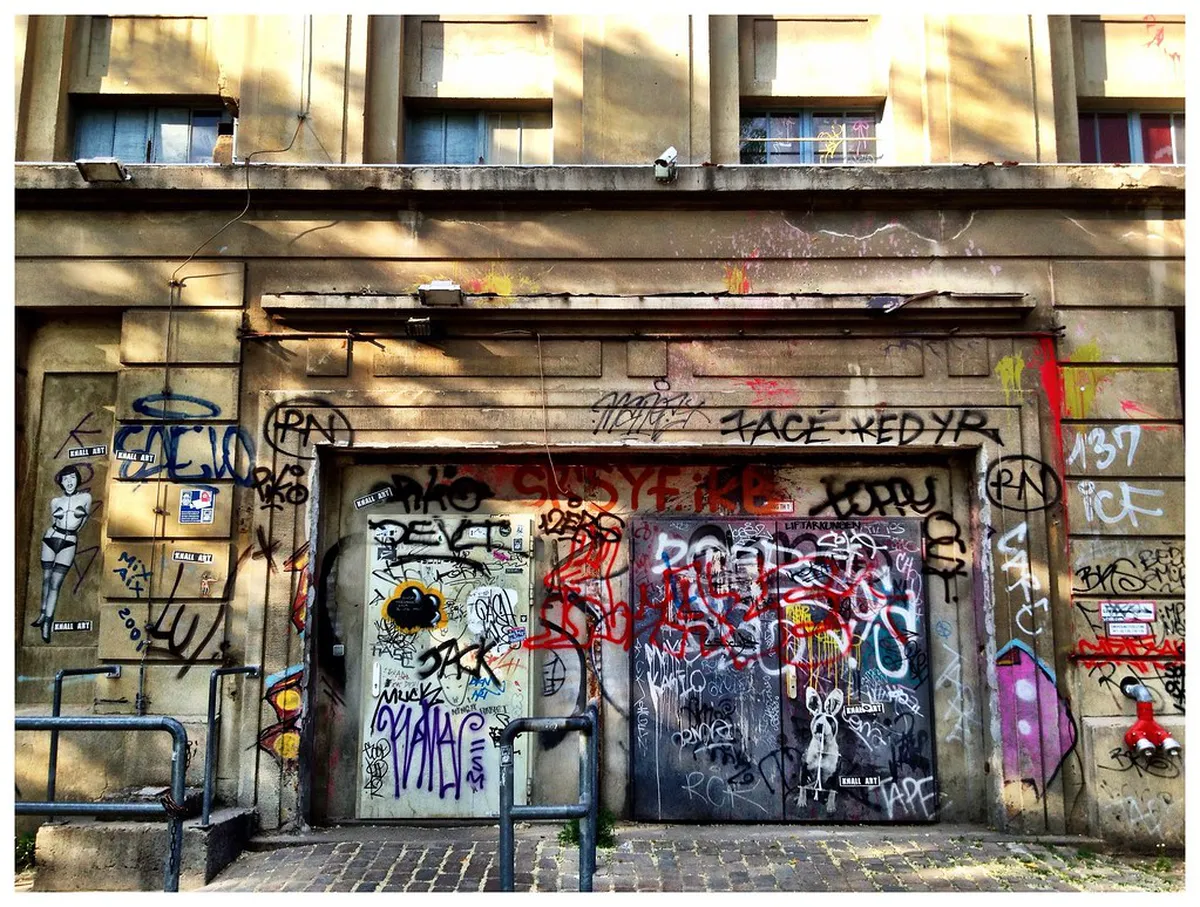
Friedrichshain is the undisputed heart of the heavy industrial club scene. The RAW-Gelände, a former train repair yard on Revaler Straße, houses several venues in various states of deliberate disrepair. Simon-Dach-Straße nearby is packed with smaller bars and a good place to start an evening before heading to a club after midnight. Berghain itself sits on the Friedrichshain-Kreuzberg border, a short walk from Ostbahnhof.
Kreuzberg offers a broader mix: punk rock bars around Görlitzer Park, world-class electronic venues closer to the canal, and the Canal der Visionaere crowd spilling onto the waterfront in summer. The streets around Schlesisches Tor stay busy until daylight. Consult a Berlin neighborhood guide to decide where to base yourself before your first night out.
Neukölln has become the go-to district for cocktail bars, natural wine spots, and smaller underground events. Weserstraße and Pannierstraße are the two main strips. The atmosphere is more intimate and conversational than the heavy techno bunkers in Friedrichshain, which makes it ideal for earlier in the evening.
Mitte and Prenzlauer Berg offer a more polished experience. Mitte has rooftop bars and higher-end lounges near Auguststraße, while Prenzlauer Berg is home to Tresor, the Prater beer garden (Berlin's oldest, dating to 1837), and several smaller clubs. If you are new to the city and want a gentler introduction to Berlin nightlife, Prenzlauer Berg is a logical starting point before venturing south into Friedrichshain.
Berlin and Techno: A Love Story
The fall of the Berlin Wall on 9 November 1989 created something no city planner could have engineered: vast, abandoned buildings in the former East, with no owners and no rules. Young people from both halves of a reunified city took over these spaces within months. Techno — imported from Detroit — provided the soundtrack. The genre fit the setting perfectly: repetitive, industrial, and free of any language barrier.
Tresor opened in 1991 in a former safe-deposit vault beneath a department store in Mitte. Its dark, low-ceilinged basement and raw concrete walls were not a design choice — they were the building's existing bones. This aesthetic became the template that Berlin clubs have copied ever since. The Detroit-Berlin connection ran deep enough that Tresor founder Dimitri Hegemann flew in acts like Underground Resistance and Jeff Mills in the club's early years.
Three decades on, the city's relationship with electronic music has only intensified. Berghain's art gallery arm, the Halle am Berghain, now shows museum-quality exhibitions. The Berlin Senate has officially listed techno as cultural heritage, which protects clubs from redevelopment pressure in the same way a concert hall would be protected. What started as squatters in a power plant is now an institution.
Berghain, KitKat, Sisyphos: Legendary Locations
Berghain is often called the world's most famous club, and the label is not undeserved. The massive former heating plant on Am Wriezener Bahnhof features a Funktion-One sound system tuned to perfection, three dance floors (the main Berghain floor for hard techno, Panorama Bar upstairs for house, and Säule on the ground level), and a no-photo policy enforced with stickers on phone cameras. The door policy is unpredictable by design — bouncers prioritise a specific energy over fashion, status, or queue position. Knowing the DJ lineup and going for it rather than as a tourist checkbox genuinely helps.
KitKatClub operates in a former theater and is famous for its uninhibited atmosphere and creative dress codes that lean toward latex, leather, and fetish wear. It is one of the few major clubs in the world where the rulebook explicitly prioritises consent and self-expression in equal measure. Entry is not guaranteed in standard club attire — read the event-specific dress code on the website before queuing.
Sisyphos feels like a sprawling adult playground rather than a nightclub. It occupies a former dog biscuit factory in Rummelsburg and features multiple dance floors, a beach area, a pizza stand, and a mini-golf course. The club routinely operates from Friday night through to Monday morning without closing its gates. Arriving Saturday afternoon rather than Saturday midnight gives you the best experience of the full complex.
The Best Clubs in Berlin: From Industrial Techno to House
Tresor remains a mandatory stop for any serious techno fan. The club relocated in 2007 to a decommissioned power plant in Mitte (Köpenicker Straße 70), and operates two distinct floors: the original Tresor basement for dark, driving techno, and Globus on the floor above for a broader electronic palette including house and electro. Entry typically costs 20–25 EUR. It is more accessible than Berghain — dress practically in dark clothes and expect a selective but not impenetrable door.
Watergate sits right on the Spree in Kreuzberg, with floor-to-ceiling windows that flood the main floor with daylight during a long night. The programming leans toward melodic house and tech-house, which makes it a good option if straight techno is not your preference. It is consistently listed among the 10 Best Bars and Clubs in Berlin for the combination of music quality and setting. Entry runs 15–20 EUR depending on the lineup.
RSO.Berlin, formerly known as Griessmuehle, occupies a former brewery in Schöneweide and has become one of the fastest-rising venues in the city since opening in 2021. It runs a custom-engineered Kirsch sound system across multiple indoor and outdoor floors, including the open-air OPAN area available from spring to autumn. Check the RSO Berlin official site for their event schedule — marathon parties here often stretch across two full days, and entry typically costs 20–30 EUR.
For deeper listening, Club der Visionaere (covered in its own section below) and the newer ÆDEN in Kreuzberg — an indoor-outdoor venue with apple trees and a jazz-to-techno programme — offer alternatives to the pure warehouse format. OXI in Friedrichshain is worth knowing if you want a smaller, more experimental crowd. Consult the Resident Advisor Berlin Club Guide for current lineups before deciding which venue fits your weekend.
| Club Name | District | Vibe & Music | Entry Cost | Door Difficulty |
|---|---|---|---|---|
| Berghain | Friedrichshain-Kreuzberg | Hard techno, industrial | 15–20 EUR | Very strict |
| Watergate | Kreuzberg | Tech-house, melodic | 15–20 EUR | Moderate |
| Tresor | Mitte | Dark techno, electro | 20–25 EUR | Selective |
| KitKatClub | Mitte | Fetish, alternative house | 18–25 EUR | Dress code-dependent |
| Sisyphos | Rummelsburg | Experimental, multi-floor | 12–18 EUR | Relaxed |
| RSO.Berlin | Schöneweide | Techno, outdoor | 20–30 EUR | Moderate |
Club der Visionaere and Riverside Hangouts
Club der Visionaere is one of the most singular spots in European club culture. The venue consists of a series of wooden decks built on a narrow canal — the Flutgraben — between the Landwehrkanal and the Spree in Alt-Treptow. The dance floor is famously tiny, shaded by a willow tree, and the resident sound is minimal techno and dub techno at low-to-moderate volume. It operates every day from May to September, afternoon through morning, and has done so continuously for over two decades.
The atmosphere is radically different from the dark techno bunkers north of the city. People arrive in the afternoon with a beer and a spot on the wooden terrace, watch boats drift past, and let the night arrive naturally. It is the correct antidote to Berghain-style intensity, and many regulars treat it as the place to start or wind down a long weekend session rather than the centrepiece of it.
In summer 2026, arrive before 16:00 on weekends if you want terrace space — the spot fills quickly once the sun appears. There is no admission charge for the terrace; you pay entry only for the covered dance floor area. The nearest U-Bahn is Schlesisches Tor (U1), about a 10-minute walk along the canal.
Door Policy and Entry Tips: How to Get Into Berlin Clubs
The Berlin door policy is not about looking fashionable. Bouncers at venues like Berghain and Watergate are filtering for what they call Vibe-Kompatibilität — whether a person's energy fits the music and crowd inside that specific room on that specific night. Arriving with a large tour group, showing up clearly drunk before midnight, or treating the queue as a social occasion all signal the wrong intent. The bouncer's job is to protect the dance floor experience for the people already inside.
Practical steps that genuinely improve your chances: know who is playing before you arrive (not just the venue name — the specific DJ); go in a group of two or three rather than five or more; arrive after 04:00 on Sunday when door scrutiny often relaxes; dress in dark, understated clothing for techno venues; and speak German if you can, even a sentence or two. At KitKat, the dress code matters more than the vibe read — go in street clothes and you will be turned away regardless of your attitude.
A few clubs in Berlin operate with a comparatively relaxed door: Sisyphos, Kater (formerly Kater Blau), and Lokschuppen at the RAW site are all significantly more accessible than Berghain. If it is your first trip to Berlin, consider building your confidence at these venues before attempting the queue on Am Wriezener Bahnhof. Berghain refusals are not personal — even Berlin regulars get turned away.
Most Berlin clubs accept cash only at the bar and entrance. Bouncers prioritize what they call Vibe-Kompatibilität (vibe compatibility) over your outfit, so genuine enthusiasm for the DJ and music matters more than expensive clothes. Always check the event lineup before showing up.
Getting Home: Berlin Public Transport After Midnight
On Friday and Saturday nights, Berlin runs its U-Bahn and S-Bahn lines continuously through the night — no last train exists on weekends. The U1, U2, U5, U6, U7, U8, and U9 all operate 24 hours on Friday-to-Saturday and Saturday-to-Sunday nights, running approximately every 15 minutes between 01:00 and 04:00. This is one of the most practical facts about the city that no competitor guide bothers to explain clearly: you do not need a taxi to get from Berghain back to your hotel at 06:00 on Sunday morning.
The S-Bahn Ringbahn (lines S41 and S42) circles the city continuously and connects all the major nightlife districts. From Treptower Park or Alt-Treptow (Club der Visionaere, RSO, Else) you take the Ringbahn to Ostkreuz, then switch to the S3, S5, S7, or S9 toward the centre. From Berghain at Ostbahnhof, the S5 and S7 run directly west toward Mitte and beyond. Journey time from most clubs to Mitte or Prenzlauer Berg is under 20 minutes.
During the week (Sunday night through Thursday), the U-Bahn stops around 01:00 and the BVG Nachtbus network takes over. Night buses run every 30 minutes and cover all major routes — routes are labelled N10 through N99. A standard single ticket costs 3.00 EUR (or use a day pass valid from 00:00). Always carry enough cash for a ticket machine; some older machines reject cards.
On weekdays, the last U-Bahn train departs around 01:00 from most central stations. After 01:00, only the BVG Night Bus (N-buses) and N-Ringbus connect the nightlife districts. Plan your return route before midnight on these nights, as waiting for the first morning bus at 05:00 can be a long wait.
Late-Night Berlin Food: Where to Eat After the Club
No night out in Berlin is complete without a visit to a Döner Kebab stand. The dish has become a staple of the city's culinary identity over many decades and is arguably Berlin's most significant contribution to German street food culture. Stands stay open until 04:00 or later in almost every major nightlife neighborhood. Check a Berlin street food guide for the most famous locations near each club district.
Currywurst is the other essential post-club snack: sliced sausage topped with curry-spiced ketchup, served with fries. Curry 36 in Kreuzberg on Mehringdamm is one of the city's most popular spots and stays open until 05:00. Two sausages with fries costs roughly 5 EUR. Burgermeister, famously housed in a converted public toilet at Schlesisches Tor U-Bahn station, serves juicy burgers until late and has earned genuine cult status among both locals and repeat visitors.
Mustafa's Gemüse Kebap on Mehringdamm is famous for its lines even in daylight hours. After midnight the queue moves faster, but expect a 15-to-20-minute wait on weekends. The reward is a grilled vegetable and chicken wrap that many consider the city's best. Many small bakeries also open from around 06:00 to serve fresh pastries and strong coffee to clubbers transitioning back into the daytime world — a distinctly Berlin ritual.
Come As You Are: Culture, Safety, and Cash in Berlin Clubs
Safety is structurally built into Berlin's club scene through the Awareness-Konzept — awareness teams that operate inside major venues. These staff members wear bright vests, are specifically trained in de-escalation and consent conversations, and can be approached by anyone who feels uncomfortable or unsafe on the dance floor. RSO.Berlin and Berghain both operate awareness teams, and the model has spread to smaller venues across the city. This Berlin.de Club Culture Overview outlines the concept in more detail.
A strict no-photo policy is enforced at virtually every reputable venue. Bouncers place stickers over phone cameras on entry — this is not optional and not up for debate. The purpose is to protect the privacy of the people on the dance floor, many of whom are there in a personal capacity that they do not wish documented. Ignoring the policy is the fastest way to be removed from a club and flagged at its door permanently.
Berlin bars and clubs operate overwhelmingly on cash — Barzahlung is not a quirk but a deliberate cultural stance. Many venues do not accept cards at all, not because their card readers are broken but because cash transactions are faster, anonymous, and free of processing fees. Carry at least 60–80 EUR in cash before you leave your hotel. Finding a working ATM at 03:00 in Kreuzberg is possible, but finding one that does not charge a 5 EUR foreign fee requires patience. Always read an Is Berlin Safe? 2026 Safety Guide & Local Tips for broader practical advice before your trip.
Frequently Asked Questions
What is the hardest club to get into in Berlin?
Berghain is widely considered the hardest club to get into due to its unpredictable door policy. Bouncers prioritize a specific vibe over fashion or status. To improve your chances, dress in dark colors and avoid large groups. Check the Best Time to Visit Berlin: Seasonal & Monthly Guide for quieter weekends.
What should I wear to a Berlin club?
Most Berlin clubs prefer a casual or alternative look rather than fancy attire. Wearing black is a safe bet for techno venues like Tresor or Berghain. Avoid wearing suits, dress shoes, or anything that looks too corporate. The goal is to look like you are there for the music.
Are Berlin clubs open every night?
While some bars are open daily, major clubs usually focus on the weekend from Friday night to Monday morning. Some venues host special mid-week parties on Wednesdays or Thursdays. Always check the specific club's website or Resident Advisor for the most accurate event schedules before heading out.
Is Berlin nightlife safe for solo travelers?
Yes, Berlin is generally very safe for solo travelers who want to experience the nightlife. Most clubs have awareness teams to ensure a respectful and secure environment for everyone. Use the well-connected public transport system to get around safely at any hour of the night.
Berlin nightlife offers an unparalleled experience for those willing to embrace its unique rules and rhythms. From the industrial halls of Friedrichshain to the cozy bars of Neukölln, there is something for everyone. The city's commitment to freedom, safety, and musical quality makes it a world-class destination in 2026 and beyond.
Remember to respect the local culture by following the no-photo policies, carrying plenty of cash, and knowing your DJ before you join a queue. Being prepared will help you focus on the music and the incredible atmosphere rather than logistics. Your night in Berlin might just be the highlight of your entire trip.
Whether you are a techno veteran or a curious newcomer, the German capital welcomes you with open arms. Put on your dancing shoes and get ready to explore the city that truly never sleeps. The dance floor is waiting.
You might also like

Continue reading
More guides you'll find useful