20 Best Berlin Neighborhoods and Insights (2026)
Discover the best Berlin neighborhoods with our 2026 guide. Compare vibes, costs, and attractions in Mitte, Kreuzberg, and more for your next trip.
On this page
20 Essential Berlin Neighborhoods and Local Insights
After living in Berlin for several years, I have learned that the city is not one single entity but a collection of distinct villages. Locals call these neighborhoods 'Kieze,' and each one offers a completely different atmosphere, from gritty techno hubs to leafy family streets. Choosing the right base is essential because Berlin is massive, and your choice will define your daily rhythm and dining options.
This guide was refreshed in 2026 to ensure all pricing and transport details remain accurate. I have walked every street mentioned here to give you the most authentic look at where the city is heading today. Whether you want the historical weight of the center or the alternative energy of the south, there is a perfect corner for you.
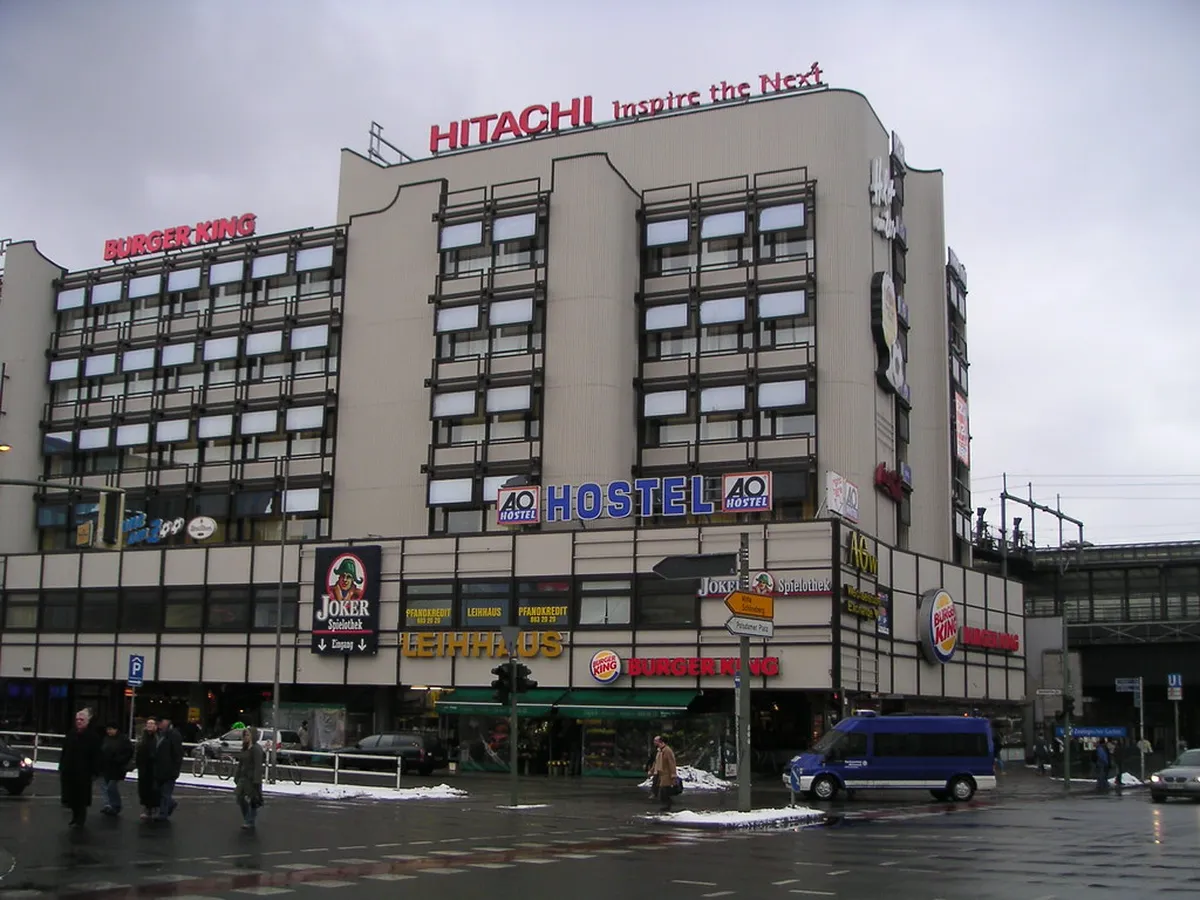
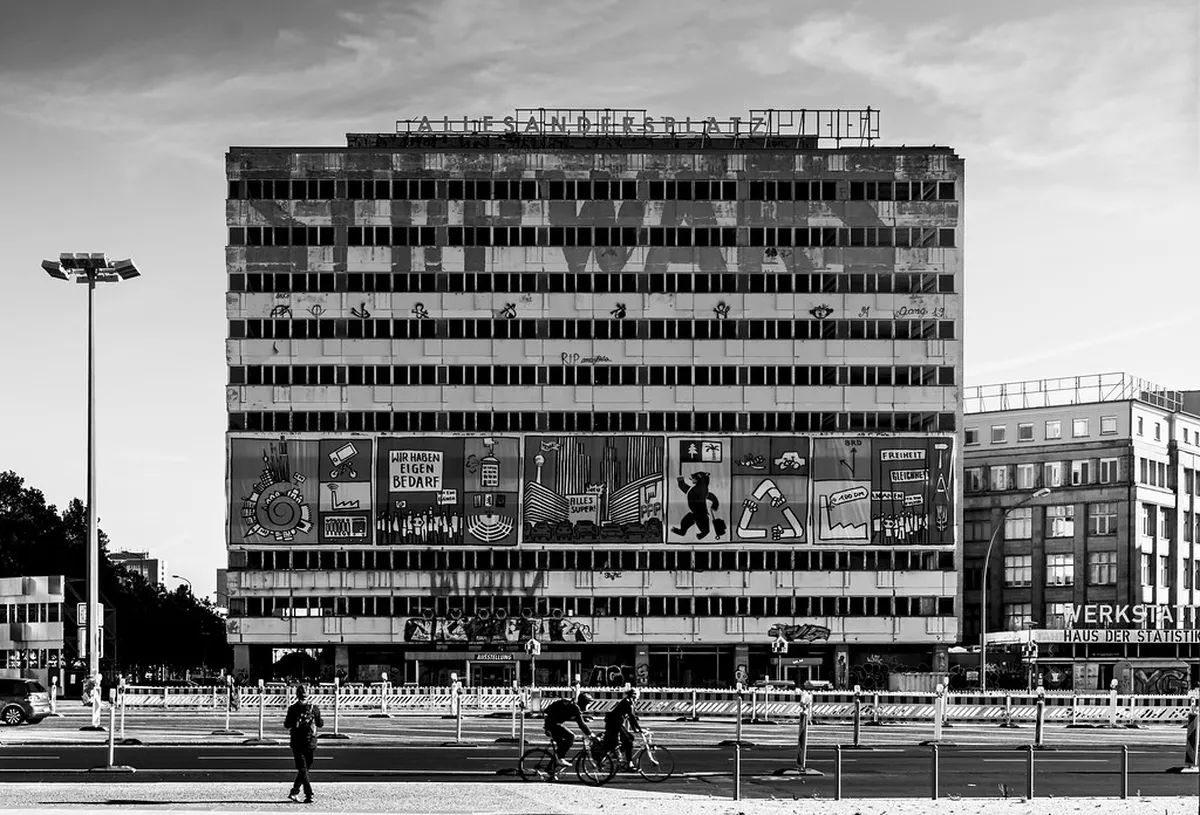
I recommend avoiding the immediate area around Alexanderplatz if you want a local feel, as it often under-delivers on charm. It serves as a busy transport hub but lacks the soul found in the smaller residential pockets of the city. Instead, use this guide to find the hidden courtyards and canal-side bars that make Berlin truly special.
Overview of Berlin's Layout
Berlin is divided into twelve main districts, but the smaller Kieze are what really matter to the people who live here. Most of the action happens within the S-Bahn Ring, a circular train line (the Ringbahn, lines S41 and S42) that marks the boundary of the inner city. For a comprehensive overview of all Berlin neighborhoods and their characteristics, the official tourism site provides detailed district guides. Staying inside this ring ensures you are never more than a short train ride away from the major sights.
The city still carries the architectural scars and stylistic differences of its Cold War division between East and West. You will notice the grand boulevards of the West contrasting with the socialist classicism and industrial grit of the East. Understanding this history helps you appreciate why where to stay in Berlin is such a debated topic among both first-timers and returning visitors.
Public transport is the lifeline of these neighborhoods, and navigating it is surprisingly simple once you learn the basics. I suggest checking our Getting Around Berlin: A Complete Guide to Public Transport & More to master the U-Bahn and S-Bahn systems. Most Kieze are best explored on foot or by bicycle to catch the subtle details of the local street art and architecture.
Quick Summary of My 6 Recommended Neighborhoods
Berlin is enormous, so I have narrowed this down to the six neighborhoods I genuinely recommend for most visitors in 2026. All of them sit inside the Ringbahn, which means excellent public transport connections in every direction. Your final choice should come down to your travel style: sightseer, partier, family, culture lover, or budget traveler.
- Mitte — Best for first-time visitors who want walkability to major landmarks.
- Prenzlauer Berg — Best for families and anyone who wants a relaxed, residential feel.
- Kreuzberg — Best for travelers who want alternative culture, great food, and some nightlife.
- Friedrichshain — Best for nightlife seekers and budget travelers with an edgy streak.
- Neukölln — Best for urban explorers who want multicultural energy and the lowest prices.
- Charlottenburg — Best for those who prefer upscale shopping, quiet streets, and West Berlin's classic character.
I have also included a section on Schöneberg as an essential seventh neighborhood for LGBTQ+ travelers and anyone seeking a quieter, historically rich base south of Mitte. The six above cover the majority of travelers, but Schöneberg earns its own deep coverage below.
Mitte — The Best Place to Explore Germany's Culture
Best for: First-time visitors, short stays of two to three days, and those who want to walk to the major sights.
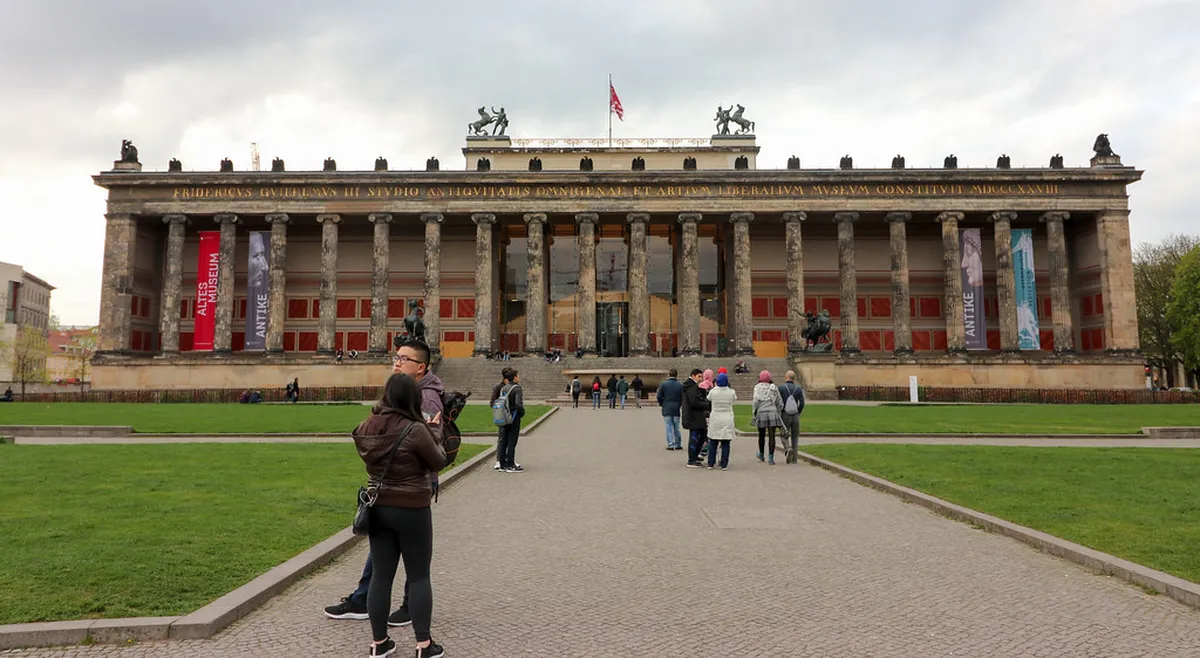
Mitte literally means "middle" in German, and it is exactly that: the geographic and cultural heart of the city. The Brandenburg Gate, the Reichstag, Museum Island, Checkpoint Charlie, Unter den Linden, and the Holocaust Memorial all sit here. The density of world-class sights is unmatched in any other district, making it the most time-efficient base if your schedule is tight.
The trade-off is atmosphere. Mitte is commercial and business-oriented, and the restaurants near the main landmarks often cater to tourists, resulting in higher prices and less authentic food. For evenings, I recommend taking the U-Bahn out to Kreuzberg or Prenzlauer Berg and returning to Mitte after a nightcap. The area around Rosenthaler Platz is the most charming pocket of Mitte, with independent cafes and boutique hotels that feel genuinely residential.
A mid-range hotel here runs €120–220 per night in 2026. Luxury options near the Brandenburg Gate, such as the Hotel Adlon Kempinski, start at €350. Budget travelers will find better value in Prenzlauer Berg or Friedrichshain, a 10–15 minute U-Bahn ride away.
Prenzlauer Berg — Charming and Laid-Back Neighborhood Vibes
Best for: Families, travelers aged 30 and over, and anyone wanting a local residential feel without sacrificing café quality.
Once a crumbling, coal-heated East Berlin district, Prenzlauer Berg has been completely transformed into a leafy, prosperous neighborhood full of restored pre-war apartments and cobbled side streets. The "Kiez" culture here is strong: residents genuinely know their neighbors, shop at the Saturday market on Kollwitzplatz, and treat street life as a daily ritual. Kollwitzstraße and Husemannstraße are the most quintessentially handsome streets in the area. The Berlin government's neighborhood guide highlights Prenzlauer Berg as one of the city's most distinctive Kiez communities.
The neighborhood earned its reputation as the stroller capital of Europe in the 2000s, when a wave of young families settled here after reunification. That cohort's children are now young adults, so the demographic is more mixed today. What has not changed is the calm pace and the quality of the food scene — independent bakeries, Vietnamese noodle shops, and Italian wine bars all coexist within a few blocks.
The Sunday flea market at Mauerpark is the main tourist draw and worth the crowds for vintage finds and outdoor karaoke. However, arrive before 11:00 if you want space to browse. For a quieter Sunday experience, the Kulturbrauerei complex hosts its own smaller market in a converted brewery courtyard that most visitors overlook. Coffee in the cafes here runs €4–5, and a dinner for two at a local restaurant is typically €40–65.
Kreuzberg — Artistic and Alternative Berlin Neighborhood
Best for: Younger travelers, food lovers, and anyone wanting the authentic counter-cultural Berlin experience without committing fully to the Friedrichshain party scene.
Kreuzberg has two distinct halves. The western section, centered around Bergmannstraße and Kreuzberg 61, is genteel: beautiful 19th-century apartments, the Marheineke Markthalle covered market, and a relatively sedate neighborhood pace. The eastern half, around Kottbusser Tor (known as SO36), is rawer, louder, and more politically charged, with protest banners and late-night bar culture that draws a predominantly young, international crowd.
The Turkish immigrant community has defined large parts of Kreuzberg since the 1960s, and the culinary result is some of the best and cheapest food in the city. A döner kebab from a proper Kreuzberg shop costs €4–6 and is a genuinely different experience from the tourist-facing versions near Mitte. Markthalle Neun hosts "Street Food Thursday" every week, where €8–12 buys small plates from around the world inside a beautiful Victorian market hall.
The Landwehr Canal towpath between Görlitzer Park and the Turkish Market is one of the best walks in the city on a warm afternoon, blending street art, canal views, and multicultural energy. It's ideal for late-afternoon exploration before dinner.
Kreuzberg also borders the Landwehr Canal, and the towpath between Görlitzer Park and the Turkish Market at Maybachufer is one of the best walks in the city on a warm afternoon. The Jewish Museum Berlin, designed by Daniel Libeskind, is one of Berlin's most moving cultural experiences and sits at the quieter western end of the district.
Friedrichshain — For Nightlife and a Bit of Edge
Best for: Budget travelers, nightlife seekers, and anyone who wants to stay close to the East Side Gallery and the club district.
Friedrichshain is the undisputed capital of Berlin's world-famous club scene. Berghain, arguably the most famous nightclub on earth, sits on the border with Kreuzberg. RAW-Gelände, a former railway repair yard, hosts multiple clubs and live-music venues within a sprawling outdoor complex. Entry fees for clubs typically run €15–25, and the nights start late — most serious clubbers do not arrive before 02:00.
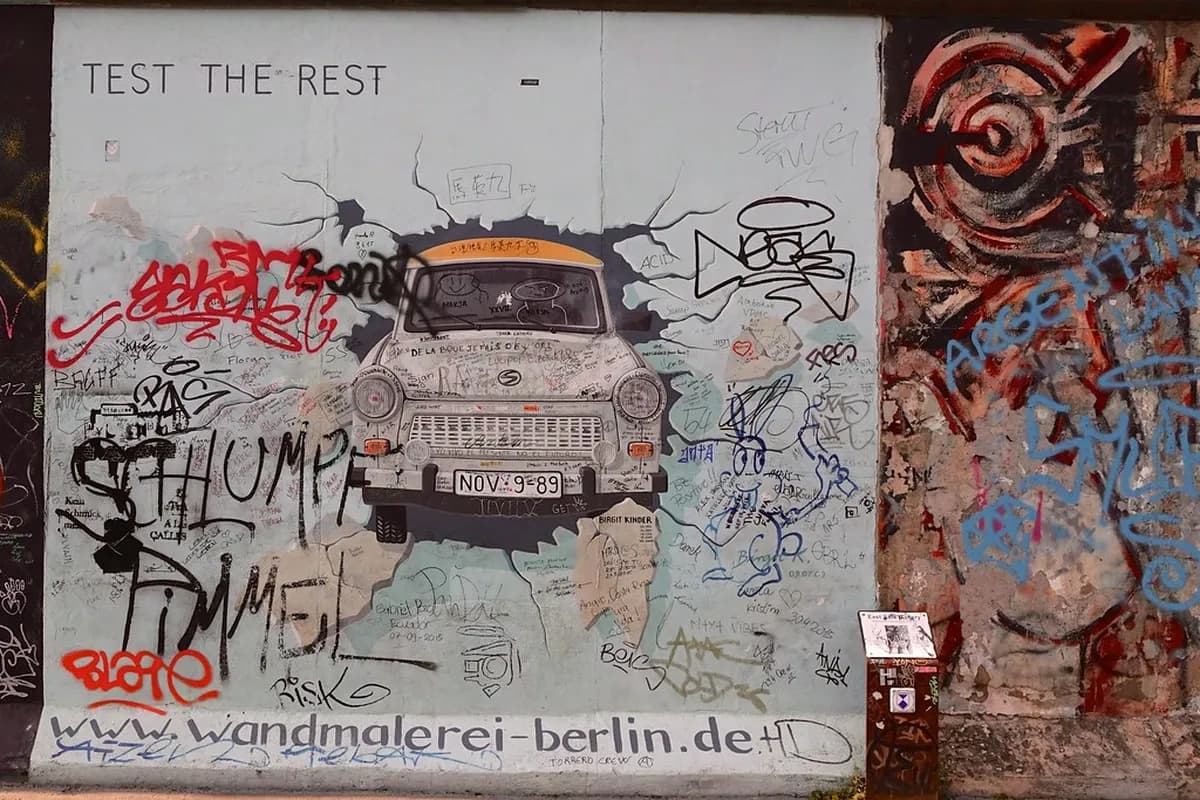
During daylight hours, the neighborhood has genuine appeal beyond the nightlife. The East Side Gallery, a 1.3-kilometre stretch of the Berlin Wall covered in murals by international artists, runs along the Spree and is free to walk at any time. Boxhagener Platz is the local living room, with a Saturday food market (09:00–15:30) and a Sunday flea market popular with locals. The surrounding streets have some of the best vegetarian and vegan restaurants in the city at very reasonable prices.
Friedrichshain's club scene is world-class but strict: Berghain has notoriously selective door policies. Casual travelers should expect rejection on a first visit. RAW-Gelände and smaller venues on Revaler Straße offer more approachable entry for those new to Berlin's club culture.
Accommodation here is Berlin's cheapest in the inner city: hostel dorms from €20, budget hotels from €65, and mid-range options from €90. If noise is a concern, choose a hotel on the quieter western streets near Warschauer Straße rather than the Revaler Straße club corridor.
Neukölln — Alternative, Multicultural, and Distinctly Berlin
Best for: Urban explorers, budget travelers, and anyone who wants to experience the Berlin that has not yet been fully smoothed by gentrification.
Neukölln is the city's most genuinely multicultural district, with large Turkish, Arab, and Eastern European communities shaping everything from the food stalls to the political graffiti on the walls. It is also where much of Berlin's creative class has relocated as Kreuzberg and Prenzlauer Berg became too expensive. The result is a neighborhood where a traditional Arabic bakery sits next to a natural wine bar and a pop-up gallery space, all within a single block.
The Weserkiez pocket, roughly the streets around Weserstraße, is the epicenter of the new-wave café and bar scene. Most bars here open at 18:00, and a 500ml local beer costs €3.50–5. It is an ideal starting point for a night out before moving to Friedrichshain's clubs. The contrast with the traditional Neukölln around Karl-Marx-Straße — döner shops, discount stores, and busy fruit markets — is sharp and entirely authentic.
The former Tempelhof Airport, now the vast open-air Tempelhofer Feld, borders Neukölln and Schillerkiez. This 386-hectare park is one of the most unusual urban spaces in Europe: Berliners skate, cycle, barbecue, and fly kites on a former runway. There are no fences, no entry fees, and no scheduled events — just an enormous flat expanse that locals have made entirely their own. It is the single best free afternoon activity in the city.
Charlottenburg — Wealthy and Pleasant, but a Bit Generic
Best for: Travelers who prefer upscale hotels, luxury shopping, and a quieter pace with reliable public transport connections to the center.
Charlottenburg was an independent city before being absorbed into Greater Berlin in 1920, and it still carries a distinct sense of self-contained elegance. The Kurfürstendamm boulevard is the main shopping artery, lined with international luxury brands, but the more interesting cultural scene runs along Kantstraße, which parallels it a block north. Kantstraße has developed into one of the best stretches for pan-Asian cuisine in Germany: Taiwanese bubble tea, Vietnamese pho, Japanese ramen, and Shanghai dumplings all within a ten-minute walk.
Charlottenburg Palace is the district's headline sight, a Baroque royal residence with formal gardens that are free to enter. The palace interior costs €19 per adult in 2026 and is worth two hours if you have an interest in Hohenzollern history. The nearby Berggruen Museum houses a remarkable Picasso collection at a fraction of the queuing time you would face at comparable museums in Paris or Madrid.
The Waldorf Astoria Berlin and the Kempinski Bristol are the district's landmark luxury hotels, with rates from €300 per night. Mid-range options around Savignyplatz, a charming square surrounded by jazz venues and bookshops, run €120–180. If you are drawn to Charlottenburg but want more local colour, the streets around the Deutsche Oper station feel less commercial and more residential than the Kurfürstendamm corridor.
Schöneberg — Arguably the Best Location for LGBTQ+ Travelers
Best for: LGBTQ+ travelers, history enthusiasts, and anyone seeking a green, residential neighborhood with excellent weekend markets.
Schöneberg has been a center for queer culture since the 1920s, when cabarets like the Eldorado — a former haunt of Marlene Dietrich — defined a pre-war Berlin that was scandalously liberal by European standards. The area around Nollendorfplatz is still known as the "Rainbow Kiez," and rainbow flags, queer-owned bars, and historical plaques are visible on every block. A memorial plaque at Nollendorfstraße 17 marks the apartment where Christopher Isherwood lived and wrote the stories that became the musical Cabaret. The annual Schöneberg Pride street festival in July draws over 350,000 visitors.
Beyond its LGBTQ+ identity, Schöneberg is simply a pleasant, well-maintained neighborhood. The Winterfeldtplatz market on Saturdays is one of the best in the city for high-quality cheese, fresh flowers, and organic produce. Prices here are lower than the tourist-facing stalls at Kollwitzplatz, and the crowd is overwhelmingly local. The Urban Nation Museum, dedicated entirely to street art, is nearby and free to enter on certain days.
Schöneberg is well-connected via four U-Bahn lines at Nollendorfplatz and sits midway between the cultural density of Mitte and the green spaces of Tempelhof. It is one of the most underrated bases in the city for visitors who want a genuinely local feel without sacrificing central access.
Must-See Berlin Attractions
The most visited landmarks in Berlin are concentrated in Mitte, which is one of the strongest arguments for staying there on a first visit. The Brandenburg Gate is free to view at any time and is at its most atmospheric in the early morning before the tour groups arrive. The Reichstag dome requires a free online reservation (book at least three days in advance via the Bundestag website) but offers a 360-degree rooftop view that no other building in the city matches. For complete visitor information and attraction listings, Berlin's official tourism board provides up-to-date hours, prices, and booking details.
Museum Island, a UNESCO World Heritage Site, houses five major museums on a single island in the Spree. A day pass (Tageskarte) costs €29 per adult in 2026 and covers all five institutions. The Pergamon Museum is the most famous, though it is currently undergoing partial renovation — check the current exhibition status before visiting. The Neues Museum, with its iconic bust of Nefertiti, is open in full and consistently delivers.
Outside Mitte, the East Side Gallery in Friedrichshain (free, always open) and the Topography of Terror museum documenting SS and Gestapo history (free, open daily until 20:00) are essential stops. The Berlin Wall documentation at the Gedenkstätte Berliner Mauer on Bernauer Straße is the most complete outdoor memorial to the Wall and takes two to three hours to walk properly.
Museums, Art, and Culture in Berlin
Berlin has one of the densest concentrations of museums in Europe, with over 170 institutions across the city. Beyond Museum Island, the Kulturforum complex near Potsdamer Platz houses the Gemäldegalerie (European masters, €10 entry), the Neue Nationalgalerie (20th-century art, €14), and the Berlin Philharmonie, where standing-room tickets for world-class concerts can be purchased for as little as €10 on the day.
The East Side Gallery functions as the city's largest open-air art space: 1.3 kilometres of original murals by 118 artists from 21 countries, painted in 1990 directly onto the surviving stretch of the inner Wall. It is free, perpetually open, and genuinely moving in a way that indoor galleries rarely replicate. Walk from the Ostbahnhof end westward toward Oberbaumbrücke for the best murals, including Dmitri Vrubel's famous "My God, Help Me to Survive This Deadly Love" image of Brezhnev and Honecker.
For contemporary art, the gallery district along Auguststraße in Mitte (most spaces open Tuesday–Saturday, entry free) and the commercial galleries around Potsdamer Straße in Schöneberg represent the current pulse of the Berlin art market. Both are accessible on the same afternoon if you combine a tram from Mitte with the U-Bahn. Admission to most private galleries is free, and the openings — typically on the first Thursday of each month — are informal and open to the public.
Parks, Gardens, and Outdoor Spots in Berlin
The Tiergarten is the most manicured and formally designed of Berlin's parks, stretching 210 hectares between the Brandenburg Gate and the Zoologischer Garten station. It is best for a structured stroll, a picnic, or a morning run. The rose garden at the park's center and the Soviet War Memorial at its eastern edge are both worth a brief detour. Entry is free and the park is accessible at all hours.
The contrast with Tempelhofer Feld could not be sharper. The former Tempelhof Airport is a flat, open commons where the runways are still visible beneath the feet of cyclists, kite surfers, and community gardeners. There is no landscaping, no café, and no organized programming — which is entirely the point. Berliners fought a referendum in 2014 to prevent the city from developing it, and the victory is evident in the genuinely communal, ungoverned atmosphere. Arrive on a warm Saturday and it feels less like a park than a very large living room.
Mauerpark in Prenzlauer Berg offers a third archetype: the social, market-driven outdoor space. The park itself is modest in size, but on Sundays the combination of the flea market, buskers, and the famous open-air karaoke sessions at the amphitheater creates a concentrated energy unlike anywhere else in the city. The Spree riverfront between Oberbaumbrücke and Molecule Man sculpture in Friedrichshain is a good late-afternoon walk combining outdoor sculpture, river views, and easy access to cafes.
Family-Friendly and Budget-Friendly Options in Berlin
Prenzlauer Berg is the clear first choice for families. It has the highest concentration of playgrounds per capita of any Berlin neighborhood, excellent schools (relevant for longer stays), and an abundance of family-friendly cafes that genuinely welcome children rather than tolerating them. The LEGOLAND Discovery Centre and the natural history museum (Museum für Naturkunde), with its spectacular diplodocus skeleton, are both reachable within 20 minutes.
For families on a tight budget, Neukölln and Friedrichshain offer significantly lower accommodation costs while still being inside the Ringbahn. Meals in Neukölln can be genuinely cheap: a full falafel wrap costs €4–5, and the Turkish and Arab bakeries sell fresh pastries for under €2. The Tempelhofer Feld is a free, car-free outdoor space where children can safely cycle on the old runways for hours without paying a single euro.
Berlin has a specific policy of discounted museum entry for under-18s: most state-owned museums (including all five on Museum Island) admit children under 18 for free. This makes the city exceptionally affordable for families compared to other European capitals where child tickets routinely cost 50–75% of the adult price. The Berlin Zoo in Charlottenburg and the Tierpark in Friedrichsfelde are the two main zoo options; the Tierpark is larger, less crowded, and cheaper at €16 for adults versus €20 at the Zoo.
How to Plan a Smooth Berlin Attractions Day
The single most important transport tool in Berlin is the Ringbahn (lines S41 and S42), the circular S-Bahn line that loops around the inner city. Most visitors focus on the U-Bahn and miss the Ringbahn entirely, but it is the fastest way to connect outer neighborhoods: from Neukölln to Friedrichshain takes six minutes on the S41, versus 25 minutes by U-Bahn. If you are staying outside Mitte and planning to visit multiple districts in a single day, build your route around the Ringbahn rather than trying to cut through the center each time.
The AB zone day ticket (Tageskarte) costs €9.90 in 2026 and covers all S-Bahn, U-Bahn, tram, and bus services within zones A and B — which covers every neighborhood in this guide. Buy it from any yellow ticket machine at U-Bahn or S-Bahn stations. Validate it on the first journey; it then runs until 03:00 the following morning. The Berlin Welcome Card adds museum discounts to the transport pass and is worth calculating if you plan to visit three or more paid attractions in a single day.
Bike rental is the second-best way to move between neighborhoods, particularly for routes along the Spree or the Landwehr Canal where transport connections are sparse. The city's Nextbike station-based rental costs €1 to unlock and €0.10 per minute, with bikes available at over 200 stations across the inner city. For a full day, renting from an independent shop in Prenzlauer Berg or Kreuzberg for €12–18 is cheaper and gives you more flexibility on bike type and return time.
Exploring Berlin's Market Scene: A Culinary Adventure
The Turkish Market at Maybachufer in Neukölln is a sensory explosion of colorful textiles, fragrant spices, and lively vendors. It takes place every Tuesday and Friday from 11:00 to 18:30 along the scenic Landwehr Canal. Go on a Tuesday for fewer tourists and better prices on olives, fresh herbs, and flatbreads. The Friday market draws a larger crowd but adds more street food vendors serving gözleme and fresh-pressed pomegranate juice.
For a more curated experience, Markthalle Neun in Kreuzberg is a temple to artisanal food and sustainable production. Their "Street Food Thursday" event (17:00–22:00, every Thursday) is legendary among locals, with €8–12 buying small plates from around the world inside a beautiful 1891 market hall. Arrive before 18:00 to avoid the longest queues. The regular market on Friday mornings (12:00–18:00) and Saturday mornings (10:00–18:00) is less hectic and showcases Berlin's best small-scale producers.
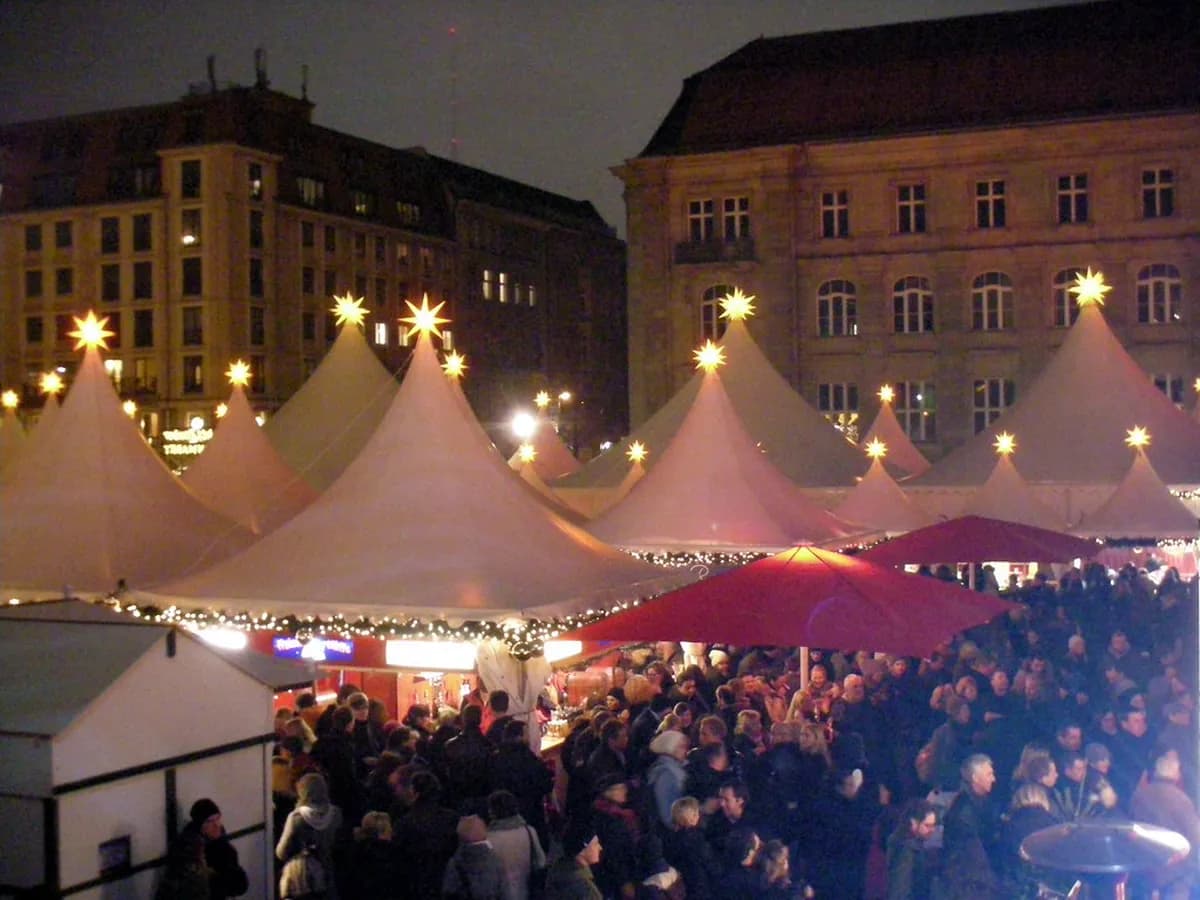
The seasonal markets deserve special mention. The Kollwitzplatz Christmas Market in Prenzlauer Berg runs from late November through December and focuses on handmade crafts rather than mass-produced gifts, making it one of the most authentic festive markets in the city. For elegance, the Gendarmenmarkt Christmas Market in Mitte charges a small entry fee (€1) but offers a spectacular backdrop of Baroque buildings. Visit our 12 Best Berlin Christmas Markets: 2026 Local Guide for the full seasonal breakdown and operating dates.
Understanding Living Costs in Different Neighborhoods
Berlin remains more affordable than London or Paris, but prices vary significantly between districts. The table below gives a practical comparison across the six main neighborhoods for everyday costs in 2026.
- Charlottenburg: Flat white €4.50–5.50, lunch €14–18, dinner for two with drinks €65–95, mid-range hotel €130–200/night.
- Mitte: Flat white €4–5, lunch €13–17, dinner for two €60–85, mid-range hotel €120–190/night.
- Prenzlauer Berg: Flat white €3.80–4.80, lunch €10–15, dinner for two €45–70, mid-range hotel €110–160/night.
- Kreuzberg: Flat white €3.50–4.50, lunch €7–13 (quality varies widely), dinner for two €40–65, budget hotel €70–120/night.
- Friedrichshain: Flat white €3–4, lunch €7–12, dinner for two €35–55, budget hotel €60–100/night.
- Neukölln: Flat white €3–4, lunch €5–10, dinner for two €30–50, budget hotel €55–90/night.
Transportation costs are fixed across the city at €9.90 for a daily AB zone ticket, so your choice of neighborhood does not affect transit spending. What it does affect is how much you spend on taxis late at night: staying in Friedrichshain or Neukölln, where the club scene is dense, means shorter (cheaper) late-night journeys home. The 18 Best Cheap Eats in Berlin: Budget Dining Guide are concentrated overwhelmingly in the southern and eastern districts, where the combination of lower rents and a diverse immigrant food scene keeps prices honest.
The Ringbahn: The Navigation Tool Most Visitors Miss
The Ringbahn — S-Bahn lines S41 (clockwise) and S42 (anticlockwise) — is the circular rail line that encircles Berlin's inner city and is hands-down the most underused tool in a tourist's navigation arsenal. Most first-time visitors default to the U-Bahn for everything, which forces almost every journey through the congested central interchange stations. The Ringbahn bypasses this entirely, connecting outer neighborhoods directly without touching Alexanderplatz or Potsdamer Platz.
In practical terms: Neukölln to Prenzlauer Berg takes 18 minutes on the Ringbahn (via Ostkreuz) versus 35 minutes on the U-Bahn. Wedding to Friedrichshain takes 14 minutes on the Ringbahn versus 30 minutes via the center. If you are basing yourself in Neukölln, Schöneberg, or Wedding and plan to visit multiple neighborhoods on the same day, mapping your route around the Ringbahn will save you 30–60 minutes of travel time daily. Key interchange stations worth knowing: Ostkreuz (east), Südkreuz (south), Westkreuz (west), and Gesundbrunnen (north).
The Ringbahn also passes through several neighborhoods not covered in the main guide but worth a stop: Wedding (raw, authentic, very cheap) and Moabit (quiet, canal-side, underrated) both have Ringbahn access via Gesundbrunnen and Westhafen respectively. If you are staying five or more days, dedicating a half-day to riding the full Ringbahn loop (about 37 minutes for the complete circuit) is one of the best ways to understand how the city is actually laid out.
Berlin Planning Cheatsheet
Use this reference list to anchor your logistics before you arrive. All prices are in EUR and current for 2026.
- Transport day pass (AB zones): €9.90. Covers S-Bahn, U-Bahn, tram, and bus from purchase until 03:00 the following day.
- Museum Island day pass: €29 per adult. Children under 18 free at all state museums.
- Reichstag dome: Free, requires online booking at least three days in advance (bundestag.de).
- East Side Gallery: Free, open 24 hours.
- Tempelhofer Feld: Free, open daily 07:00 to dusk (gates closed at night).
- Charlottenburg Palace interior: €19 adult. Gardens free.
- Bike rental: Nextbike from €0.10/minute, independent rental €12–18/day.
- Budget meal: €5–8 in Neukölln/Kreuzberg for a filling falafel or döner.
- Markthalle Neun Street Food Thursday: 17:00–22:00 every Thursday, Eisenbahnstraße 42–43, Kreuzberg.
- Turkish Market: Tuesday and Friday, 11:00–18:30, Maybachufer, Neukölln.
For full seasonal context — including the best months to visit and what to expect in each season — see our 12 Best Berlin Christmas Markets: 2026 Local Guide for winter-specific planning and the broader Berlin neighborhood hotel guide for accommodation booking tips.
Frequently Asked Questions
Which Berlin neighborhoods fit first-time visitors?
Mitte is the best choice for first-time visitors because it is central to major landmarks like the Brandenburg Gate. It offers excellent transport links and a high density of museums, making sightseeing very efficient. For a more local feel, Prenzlauer Berg is a charming and safe alternative.
Which neighborhood has the best nightlife in Berlin?
Friedrichshain is the undisputed center of Berlin's nightlife, housing world-famous clubs like Berghain and many smaller bars. Kreuzberg also offers a fantastic alternative scene with a mix of gritty dive bars and trendy cocktail spots. Both areas stay active until the very early morning hours.
Is Schöneberg the best area for LGBTQ+ travelers?
Yes, Schöneberg has been the heart of Berlin's LGBTQ+ community for over a century and offers a very welcoming atmosphere. The area around Nollendorfplatz features numerous queer-owned businesses, bars, and historical sites. It remains one of the most inclusive and vibrant neighborhoods in the city.
Berlin is a city that rewards those who venture beyond the main tourist squares to find the hidden 'Kiez' life. Whether you prefer the polished streets of the West or the creative chaos of the East, there is a neighborhood for you. I hope this guide helps you find the perfect base for your 2026 adventure in this ever-changing metropolis.
Remember that the best way to see Berlin is to get lost in its residential streets and stop for a coffee where the locals do. Every district has its own story to tell, and exploring them is the only way to truly understand the spirit of the city. Safe travels, and enjoy discovering your own favorite corner of the German capital.
You might also like


Continue reading
More guides you'll find useful