18 Best Cheap Eats in Berlin: Budget Dining Guide (2026)
Discover the 18 best cheap eats in Berlin, from €5 Sudanese falafel to secret political canteens and iconic currywurst. Plan your budget food tour today.
On this page
18 Best Cheap Eats in Berlin
Finding cheap eats in Berlin is still possible in 2026, but the city is no longer as effortlessly affordable as it was a decade ago. Döner prices have nearly doubled since 2018 and a standard sit-down lunch in Mitte can easily hit €16. The spots on this list beat that curve. They are the places locals actually return to, not once but weekly, because the price-to-quality ratio is genuinely hard to find anywhere else in Western Europe.
This guide was refreshed in June 2026 with current prices and access details. Every location has been visited by the editorial team. Before you head out, check our 20 Best Berlin Neighborhoods and Insights to plan your route efficiently. For those seeking a mix of price points, our list of the 23 Best Restaurants in Berlin: The Ultimate 2026 Foodie Guide offers more variety. Most entries here run €4 to €12 for a full plate. Anything above that line only makes the cut if the portion size justifies it.
Best Neighborhoods for Cheap Eats in Berlin
Where you eat in Berlin matters as much as what you eat. Mitte and Prenzlauer Berg have seen the steepest rent increases since 2020, and that cost gets passed to the menu. Tourist-facing spots near Checkpoint Charlie or the Brandenburg Gate routinely charge double the neighborhood rate for the same currywurst. According to Visit Berlin's official guide, the three neighborhoods that consistently deliver the best value are Kreuzberg, Neukölln, and Friedrichshain.
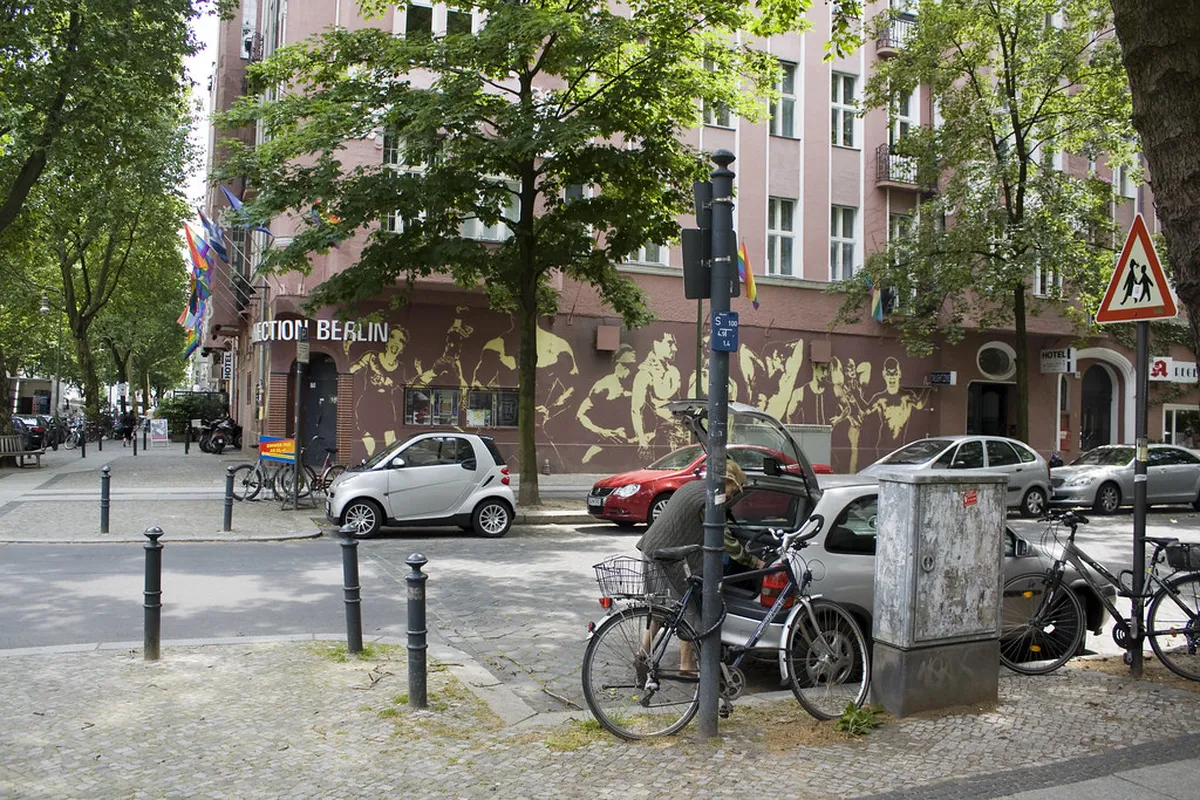
Kreuzberg is the original hub of Berlin's Turkish community and remains the best place for lahmacun, döner, and Middle Eastern street food. The stretch of Kottbusser Straße near the U8 exit has some of the cheapest baked goods in the city. Neukölln, particularly along Karl-Marx-Straße and Hasenheide, is where you find Vietnamese canteens, Sudanese wraps, and West African bakeries all within walking distance of each other. Prices here average €1 to €2 lower than in Kreuzberg for comparable food.
Friedrichshain is the pick for traditional German food on a budget. Warschauer Straße and the blocks behind Ostbahnhof have a concentration of butcher-style lunch counters, schnitzel spots, and Chinese street food that offer some of the city's best €6 to €10 plates. Mitte still has value if you know where to look — specifically the public canteens, which are detailed later in this guide — but avoid anything with a laminated menu and an outdoor promoter.
Currywurst and Döner: Berlin's Two Street Food Pillars
No guide to cheap eats in Berlin is complete without addressing these two dishes directly. Currywurst was invented in 1949 by Herta Heuwer in Charlottenburg, who combined ketchup, Worcestershire sauce, and curry powder she obtained from British soldiers to create a sauce for grilled Bratwurst. At its height, her stand was selling 10,000 servings per week. The dish became embedded in the working-class fabric of the city and has never left. Today a standard currywurst with fries costs between €5 and €8 depending on the neighborhood.
The best version on this list is Curry 61 in Mitte, open daily from 11:00 to 23:00. They offer a vegan sausage alternative and use a homemade sauce that stands apart from the bottled variety used at tourist stands. A standard portion with fries is €6 to €8. For a more established classic, Konnopke's Imbiss — operating since 1930 in Prenzlauer Berg — delivers consistently excellent currywurst without the tourist premium. Avoid the stands directly adjacent to TV Tower or Museum Island — they charge €10 to €12 for an inferior product.
Döner was developed in Berlin in 1972 by Turkish immigrant Kadir Nurman, who adapted traditional kebab into a handheld sandwich for the city's lunchtime workers. It is now more popular than currywurst in Berlin, with over 1,000 establishments selling it across the city. The stand that attracts the longest queues is Mustafa's Gemüse Kebap at Mehringdamm in Kreuzberg, open 10:00 to 02:00. Their döner (€6 to €8) is distinguished by roasted vegetables and feta cheese alongside the standard meat. The wait is typically 30 to 60 minutes. If your time is limited, Leylak on Kottbusser Straße 25 in Kreuzberg is a better call: lahmacun from €2, börek from €3.50, no queue, and the quality is genuinely on par. They open at 08:00 and serve until 22:00.
Traditional German Gems: Schnitzel and Butchers
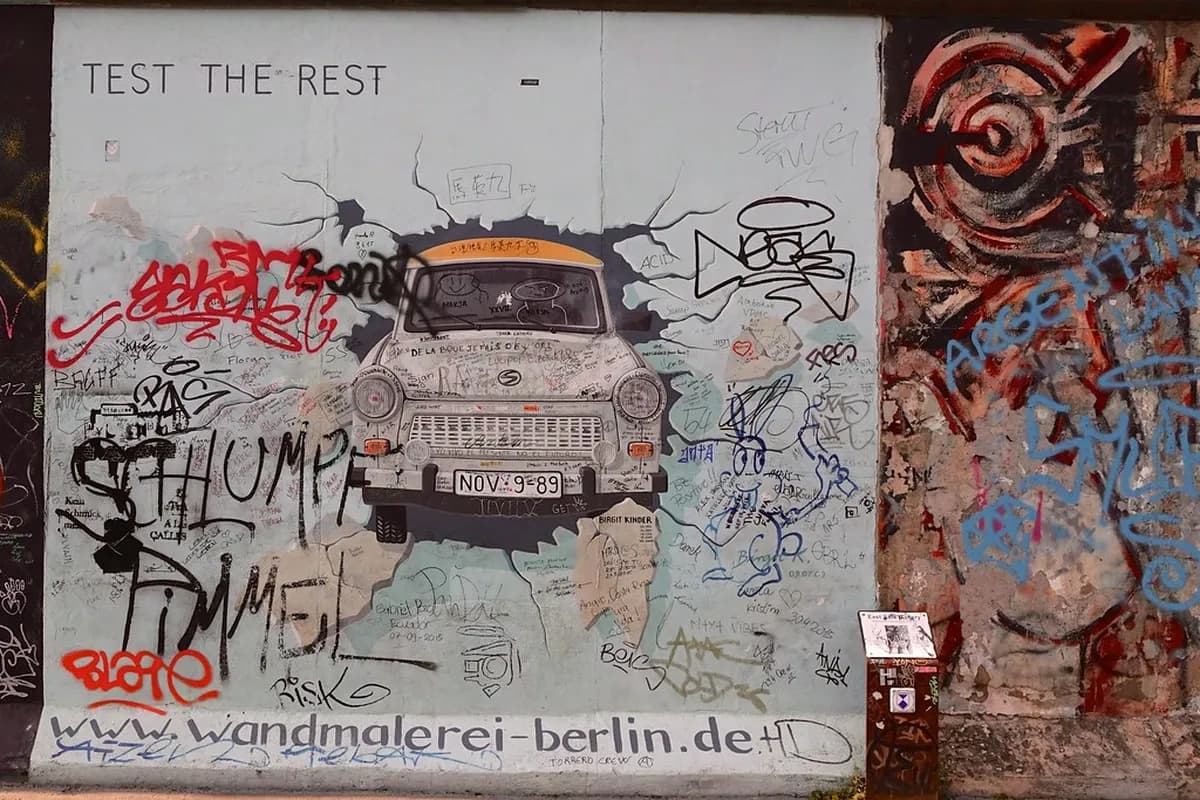
Scheers Schnitzel on Warschauer Platz 18 in Friedrichshain is the benchmark for affordable German food in Berlin. Schnitzel plates run €8 to €10 including sides. The Schnitzel mit Kartoffelsalat is the standard introduction — pork schnitzel with German potato salad — while the Jägerschnitzel adds mushroom sauce and fries. All schnitzels can be swapped for a seitan patty at no extra cost. The curry and chili sauces are homemade; ask for them when ordering. It is a two-minute walk from Warschauer Straße station, making it a natural stop before or after the East Side Gallery.
Domke Nino Fleischerei on Warschauer Straße 64 is one of the city's most underrated lunch spots. This 30-year-old butcher shop serves a full hot lunch menu every weekday from its counter — Bratwurst with Sauerkraut (€6.50), Gulasch with noodles (€8), Kasslerbraten with potatoes (€8), Eisbein with Sauerkraut (€8.50), and Rinderroulade with red cabbage (€8 to €10). The meat is sourced from the in-house butchery, which means the quality is considerably higher than a standard Imbiss. Seating is limited to a few shared tables inside and one bench outside. The hot lunch menu typically sells out by 14:00, so arrive before 13:00.
For a more casual German snack, Puffer-Imbiss near Hasenheide in Neukölln serves Kartoffelpuffer (fried potato pancakes) and Eierkuchen year-round for €3.50 each. These are dishes usually confined to Christmas markets, so finding them daily is genuinely rare. Add herb cream (Kräuterquark) for an extra €0.50 — it is the classic pairing. Ratskeller Schöneberg in the basement of Schöneberg Town Hall is the sit-down option: vaulted ceilings, heavy wooden furniture, Königsberger Klopse (meatballs in caper sauce), and plates from €8 to €14. Open weekdays from 11:00 to 15:00.
International Street Food: The Best Cheap Ethnic Eats
Sahara Imbiss in Neukölln is a staple. The Magali wrap — fried vegetables, halloumi or falafel, and a rich Sudanese peanut sauce — costs €5 to €8 and is the most frequently cited "best value" item by locals who live in the neighborhood. Open daily from 11:00 to midnight, easily reached from U7 Karl-Marx-Straße. Hamy Cafe on Hasenheide 10 in Neukölln runs every dish on its menu at €6.90, which is exceptional for the portion size and table-service format. The chicken pho, beef pho, and glass noodle salad are all consistently good. They also serve a house cocktail (banana, pineapple juice, coconut milk, white rum) for €3.20. Open from 12:00 to 23:00 daily.
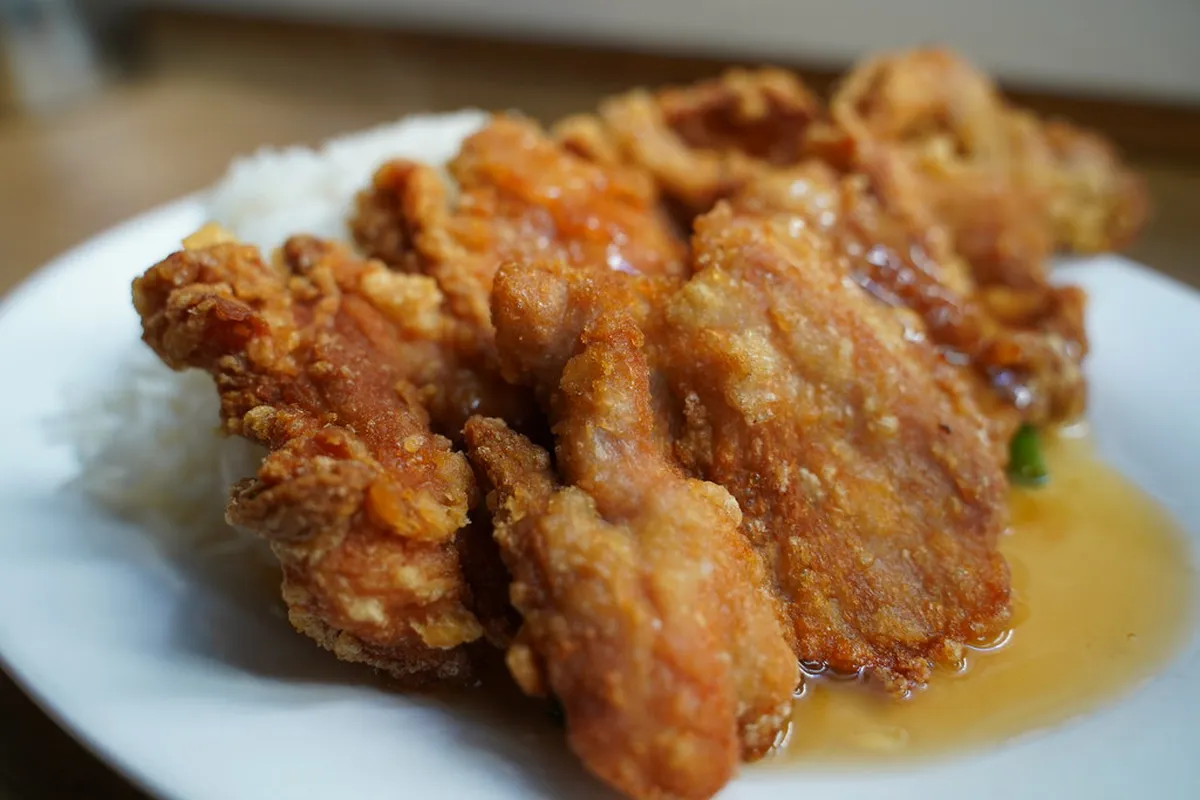
Panda Meister near Ostbahnhof at Hermann-Stöhr-Platz 9-11 serves 15 handmade Chinese dumplings for €7.50, with a choice of steamed or fried. A Baozi is €2.50. The stall operates inside the busy station precinct, making it one of the best options for travelers catching a train who want to avoid overpriced platform food. Open daily from 11:00 to 21:00. Magic John's on Oranienburger Straße 48 in Mitte offers New York-style pizza by the slice from €2.50. The truffle slice is worth the extra €1. Four garlic knots are €2. Open from 12:00 to 22:00 with later hours on weekends.
Gyros Family near Kleistpark in Schöneberg serves massive Greek portions: a pita gyros costs around €6 and full platters run €9 to €12. The tzatziki is exceptionally thick and the meat is carved fresh. Arrive mid-afternoon to avoid the lunch rush from nearby offices. Joseph Roth Diele on Potsdamer Straße in Schöneberg is the literary pick: a book-lined dining room, hearty German dishes like Spätzle and Eintopf from €9 to €15, and an atmosphere that feels entirely separate from the tourist circuit. Open from 10:00 to midnight.
Secret Public Canteens: Berlin's Best Hidden Value
Berlin has a cluster of government and institutional canteens that are technically open to the public but rarely appear on tourist itineraries. They offer subsidized prices in spaces that few visitors realize they can enter. All of them are weekday-only and lunch hours only — typically 11:30 to 14:30. Arriving after 13:30 reduces your selection significantly. All of them require cash.
Canteen Rotes Rathaus — the cafeteria inside Berlin's City Hall — is the most accessible. Enter via the main public entrance on Rathausstraße, pass through a light security check (bags scanned, ID may be requested), and you are in. Lunch plates run €6 to €9 and include a daily rotation of German standards: goulash, roast pork, potato dishes, and a vegetarian option. It is the quietest, least-crowded sit-down lunch in Mitte for the price. Open weekdays from 11:30 to 14:30.
Felleshus Canteen inside the Nordic Embassies complex on Rauchstraße in Tiergarten serves dishes from Denmark, Sweden, Norway, Iceland, and Finland. Plates run €8 to €12. Entry is open to the public — walk in through the shared cultural centre entrance, not the individual embassy doors. No appointment needed. One critical detail: embassy staff take priority at 13:00, which clears out the best dishes fast. Arrive before 12:00. The Smørrebrød changes daily and is worth timing your visit around. Berliner Ensemble Canteen inside the theatre building near Friedrichstraße (side entrance, not the main lobby) serves simple plates for €6 to €10. Ribisels Kantine Stresemann near the Topography of Terror focuses on regional and seasonal ingredients, displays the carbon footprint of each dish on the menu board, and prices specials from €7 to €11. Open Monday to Friday, 11:30 to 14:30.
Markthalle Neun and the Community Market Circuit
Markthalle Neun on Eisenbahnstraße in Kreuzberg is the most famous food market in Berlin, but it requires a strategy to eat cheaply. Most artisan stalls charge €10 to €16 per plate. The exception is Street Food Thursday, running every Thursday from 17:00 to 22:00, where smaller vendors price plates from €5 to €10. The best value at any visit is the Heisser Hobel stall, which serves Käsespatzle — handmade egg noodles with cheese, cream, and fried onions, sourced from Bavarian organic dairy. The street food portion is €6.50 and the full portion is €10. It is genuinely one of the most flavourful dishes you will find in Berlin at any price.
Thai Park at Preußen Park in Wilmersdorf operates on summer weekends (late April to early October) and offers a different kind of market eating: Thai home cooks set up on the grass and sell sticky rice, papaya salad, and savory dumplings from €3 to €8. No stall system — walk around, ask what you want, pay by dish. The informal setup means prices are lower than any Thai restaurant in the city. Bring cash, bring a blanket, and go early on Saturday for the widest selection.
Cash Only and Timing: What Most Guides Skip
Berlin is more cash-dependent than any comparable European capital. Many of the best cheap eats on this list accept only cash, and the penalty for not knowing in advance is either a wasted trip to a nearby ATM or a card surcharge. The following spots are explicitly cash-only as of 2026: Burgermeister at Schlesisches Tor, Leylak, Sahara Imbiss, Domke Nino Fleischerei, Felleshus Canteen, Rotes Rathaus Canteen, and Panda Meister. Hamy Cafe and Magic John's accept card. Always keep €20 in cash before entering neighborhoods like Neukölln and Kreuzberg where card infrastructure at small stands is minimal.
Many Spätis and street stands do not accept cards. Withdraw cash at Berliner Sparkasse ATMs (lower fees than Deutsche Bank) before heading to Kreuzberg or Neukölln. Plan for at least €30–€40 per day if relying solely on the spots in this guide.
Timing matters at three locations in particular. Burgermeister at Schlesisches Tor in Kreuzberg — a burger stand inside a beautifully restored 19th-century public toilet block — serves burgers from €7 to €11 and is open from 11:00 to 03:00. The queue is almost always present, but arriving at 11:00 on a weekday cuts your wait from 45 minutes to under 10. The late-night crowd after 22:00 also thins out relative to the post-dinner peak between 19:00 and 21:00. Domke Nino sells out its hot dishes by 14:00 — set your visit for 12:30 at the latest. The Rotes Rathaus canteen clears its best options by 13:15.
One underused budget hack that no restaurant list covers: the Späti network. Spätis (pronounced shpeh-tee) are Berlin's small neighborhood kiosks, open from early morning until 02:00 or later. For €1 to €3 you get a cold beer, a Club Mate, or a Berliner Pilsner to drink in the street or a nearby park — public drinking is legal throughout the city. Pair a Späti drink with a €2.50 Panda Meister baozi or a €2 lahmacun from Leylak and you have eaten an actual meal for under €5 total. It is the most local and cheapest dining format in Berlin, and almost no travel guide mentions it.
Visit Domke Nino and the Rotes Rathaus canteen between 12:00 and 13:00 — after 13:30, the best dishes sell out. For Burgermeister, go at 11:00 on weekdays to avoid the 45-minute queue that builds from 18:00 onwards.
Essential Tips for Finding Cheap Eats in Berlin
Always carry cash. ATMs near U-Bahn stations are convenient but often charge high fees for foreign cards — withdraw a larger amount once rather than making multiple small withdrawals. Keep a mix of coins and small bills for busy street stands where transactions need to move fast.
Take advantage of the Mittagstisch — the fixed lunch deal offered by many restaurants between 12:00 and 15:00. These typically bundle a main course with a small drink for 20 to 30 percent less than the à la carte dinner price. Budget travelers often pair these meals with 15 Best Free Things to Do in Berlin: Budget Travel Guide to keep daily costs low. Look for places where the menu is written only in German — a reliable signal that the spot caters to locals rather than tourists.
Do not overlook Berlin's Pfand (deposit) system. Bottled drinks at street stands come with a €0.08 to €0.25 deposit. Return the bottle for a refund at any stand that uses the same system. If eating in a park, leave the bottle upright beside a bin — local bottle collectors will reclaim it. Understanding how to get around Berlin helps enormously for reaching cheaper neighborhoods like Neukölln, Wedding, and Friedrichshain without losing time or money on taxis.
Is Berlin Food Still Affordable in 2026?
Compared to London, Paris, or Amsterdam, Berlin is still one of the most affordable cities in Western Europe for food. The gap has narrowed — a standard Döner that cost €3.50 in 2019 now runs €6.50 to €8 at most stands — but the volume of €5 to €10 full meals available in Kreuzberg and Neukölln has no equivalent in any comparable European capital. You can eat three varied meals a day for under €30 if you stick to the spots in this guide.
The best value in 2026 sits in two places: the southeastern residential neighborhoods (Neukölln, Friedrichshain, parts of Wedding) and the public canteens. Mitte's tourist corridor has seen the steepest price increases, but even there the institutional canteens remain a reliable loophole for anyone willing to clear a security checkpoint. Berlin's strong history of social food culture — communal kitchens, pay-what-you-want canteens, and community fridges — means ultra-low-cost eating remains genuinely available at the margins of the tourist circuit.
What to Skip: Berlin's Overrated Foodie Traps
Avoid currywurst stands directly adjacent to Checkpoint Charlie, the Brandenburg Gate, or the TV Tower. These charge €10 to €14 for a product that costs €6 two blocks away. Walking two minutes from any major landmark typically saves 30 to 40 percent on street food. The quality at tourist-facing stands is also lower — frozen fries, bottled sauce, no vegan option.
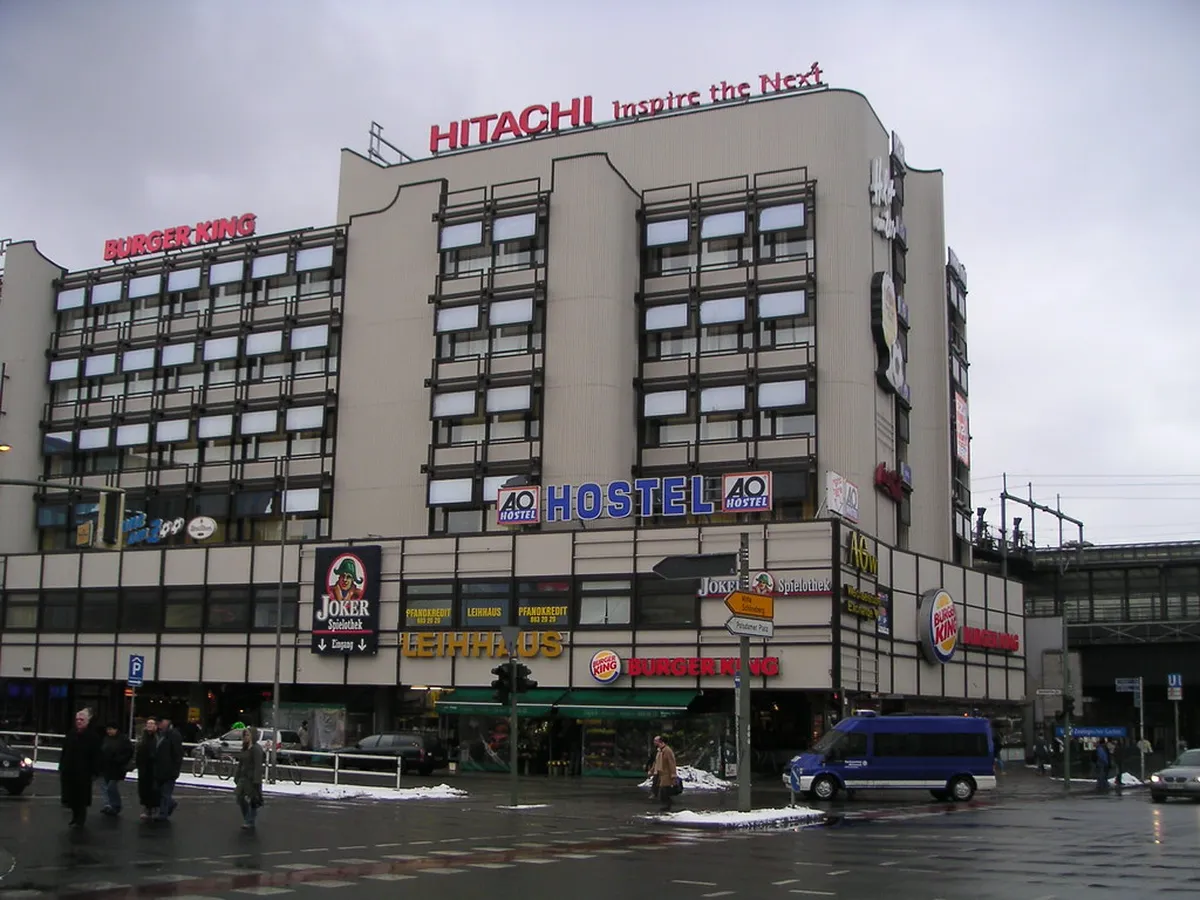
Be cautious of any restaurant with a promoter outside holding a laminated menu. These establishments almost exclusively target tourists and rarely offer authentic food. The large international chains in the Mall of Berlin are convenient but lack any local character. An Imbiss where the owner is also the cook will always beat them on price and flavor.
Finally, do not feel obligated to wait 60 minutes in line for Mustafa's Gemüse Kebap if your time is limited. While it is genuinely excellent, there are multiple stands in Kreuzberg serving a comparable Gemüse Döner without the queue. Leylak, Rüyam in Schöneberg, and K'Ups in Prenzlauer Berg are all cited by long-term Berlin residents as on the same level. Your time is worth factoring in as a real cost.
Frequently Asked Questions
What is the average price of a cheap meal in Berlin?
In 2026, a standard cheap meal like a Döner kebab or a Currywurst with fries costs between €6 and €9. If you visit a public canteen or a butcher shop for lunch, expect to pay around €8 to €12 for a larger, hearty plate including a drink.
Are Berlin canteens open to the public?
Yes, many government and embassy canteens are open to the public during specific weekday lunch hours. Places like the Rotes Rathaus and the Nordic Embassy Felleshus offer great value, though you may need to pass through a quick security check or show an ID.
Which neighborhood has the best cheap eats in Berlin?
Neukölln and Kreuzberg are widely considered the best neighborhoods for budget food due to their high density of international street food stands. You can find more information in our Berlin Welcome Card Travel Guide which often includes discounts for city-wide exploration.
Eating well in Berlin on a budget in 2026 requires knowing three things: which neighborhoods to prioritize, which canteens are technically public, and which spots only take cash. The 18 locations in this guide cover all of those angles. From Domke Nino's butcher counter in Friedrichshain to the Nordic Embassy's Smørrebrød in Tiergarten, the range of cuisines available under €12 in this city has no real competitor in Western Europe.
Whether you are here for a weekend or a month, these spots provide a practical foundation for eating like a Berliner rather than a tourist. Keep some coins in your pocket, check the weekday hours before making a long U-Bahn journey, and leave room for a Späti stop on the way home. Berlin rewards the curious eater.
You might also like



Continue reading
More guides you'll find useful