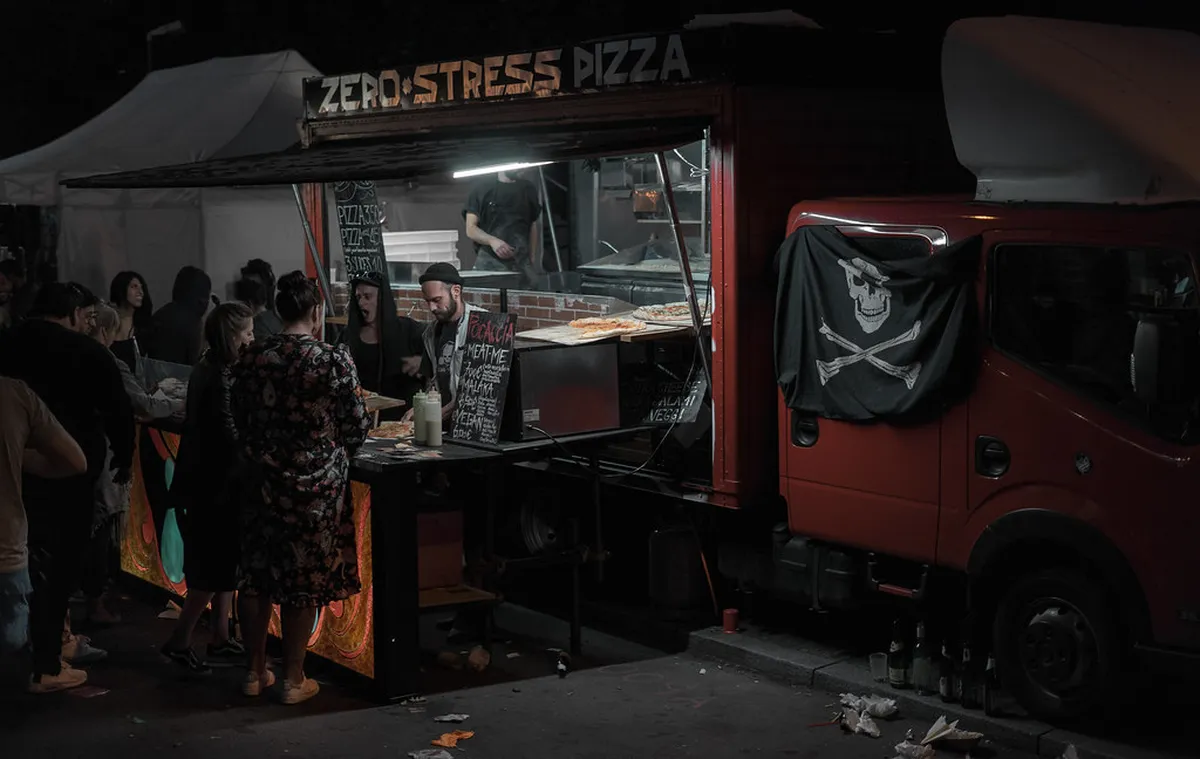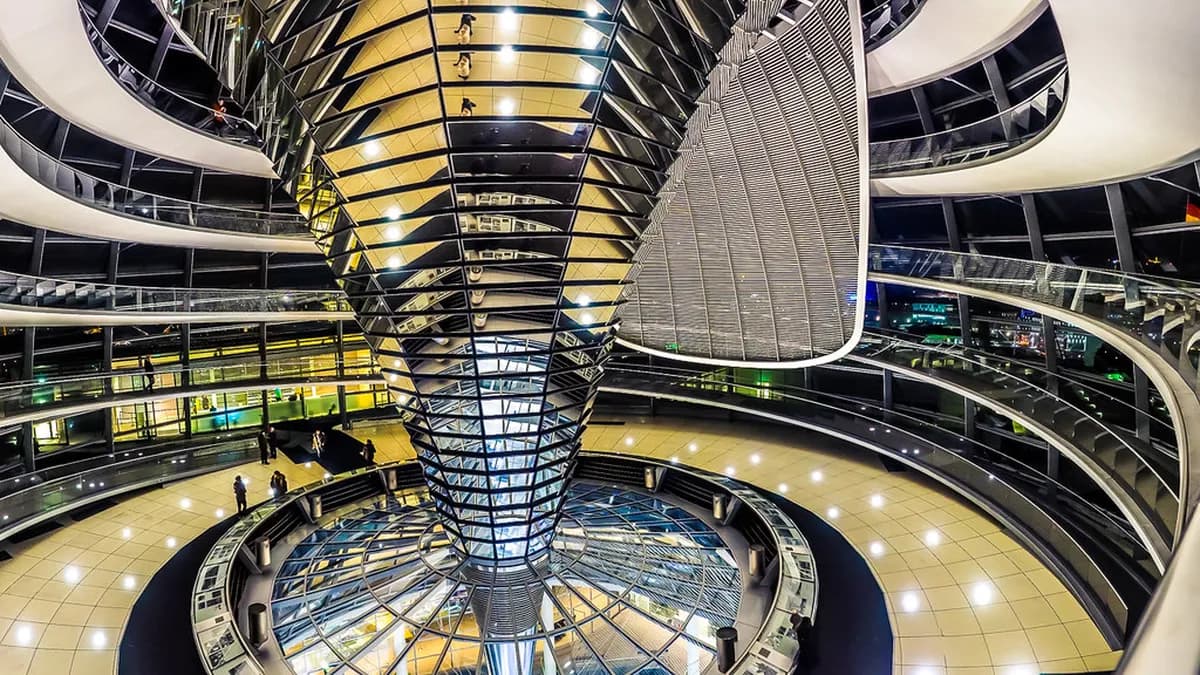
Is Berlin Safe? 2026 Safety Guide & Local Tips
Is Berlin safe for tourists? Get the latest 2026 crime stats, neighborhood safety rankings, and expert tips for solo travelers and families.
On this page
Is Berlin Safe? A Comprehensive Guide for Travelers
Berlin is widely considered one of the safest major capitals in Europe for international visitors. While its gritty aesthetic might feel intimidating, violent crime against tourists remains very rare here. Travelers usually find the city welcoming, whether they are exploring museums or enjoying the world-famous nightlife. This guide covers everything you need to stay secure while enjoying the best things to do in Berlin.
Most visitors experience a trouble-free trip by following basic common sense and local advice. The city maintains a relaxed atmosphere where people of all backgrounds generally feel comfortable. Understanding the difference between visual disorder and actual danger is key to enjoying your stay. You can focus on the history and culture once you understand how the city actually functions.
The Short Answer: Is Berlin Safe to Visit?
The short answer is a definitive yes. Berlin consistently scores better than other major European hubs in terms of personal security. Most crimes reported by tourists involve non-violent incidents like pickpocketing or bicycle theft. Walking alone at night is common and generally safe for both men and women in central areas.
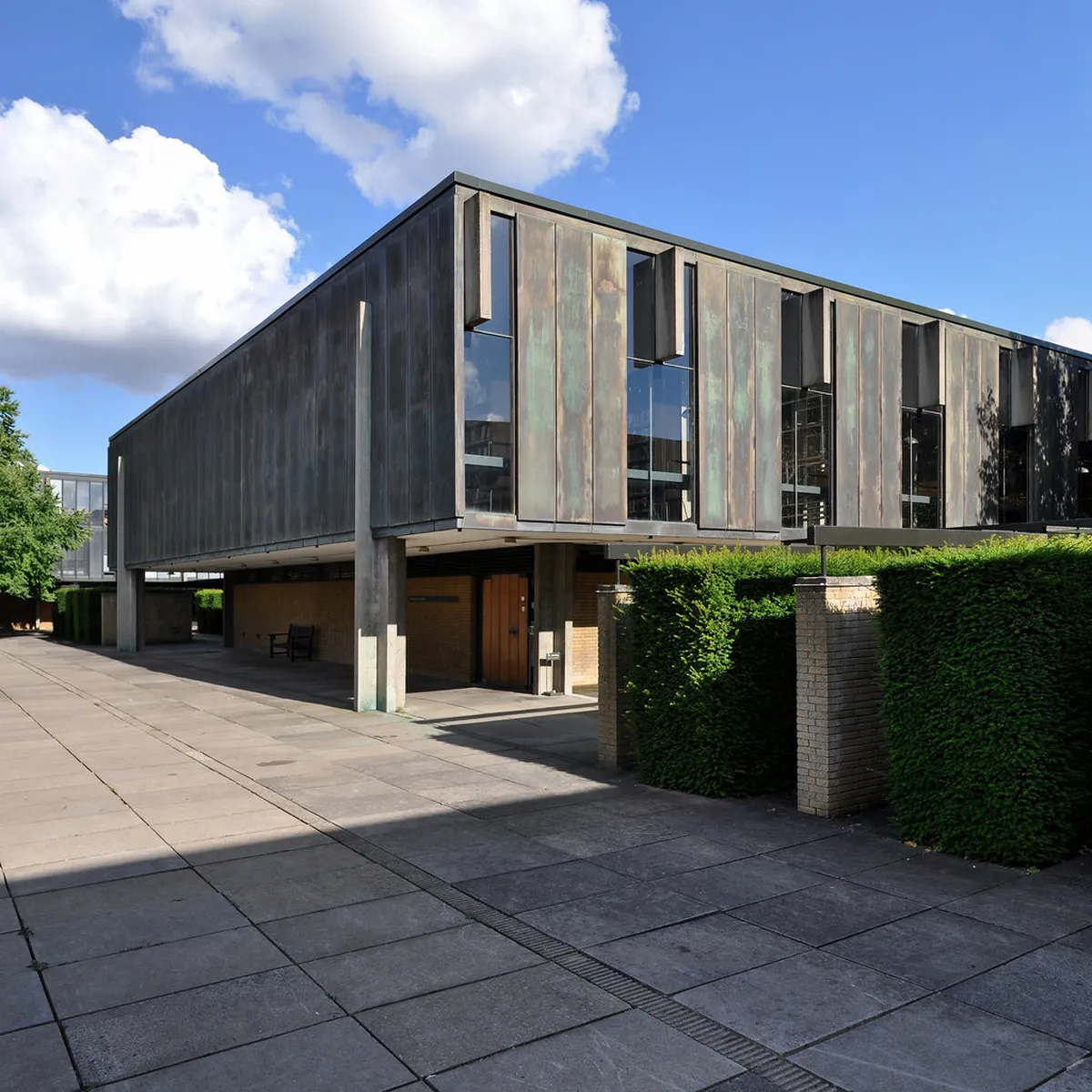
Visual elements like graffiti and street art often give the city a rougher look than it actually has. Locals take pride in this alternative vibe, which does not reflect the underlying safety levels. You will see families and elderly residents out late in many popular neighborhoods. The presence of diverse crowds contributes to a sense of safety through collective vigilance.
To put things in perspective, here is how Berlin compares to other major European capitals on standard safety indexes:
- Berlin — lower violent crime rate than London, Paris, and Rome; petty theft remains the primary concern
- London — higher knife crime and street robbery rates than Berlin
- Paris — significantly higher pickpocketing rates, especially around tourist hotspots and Metro lines
- Rome — higher bag-snatching and scam rates targeting tourists than Berlin
Safety levels remain consistent throughout the year. If you are planning a trip, checking the best time to visit Berlin can help you prepare for seasonal crowds. Larger crowds in summer can lead to a slight increase in opportunistic petty theft, but the overall risk profile does not change dramatically.
Understanding Berlin's Safety Landscape and Crime Stats
The Berlin Police Department reported over 539,000 offences across the city in 2024, which sounds alarming until you look at the breakdown. The overwhelming majority were non-violent property crimes, with theft-related offences accounting for roughly 30% of all reported incidents. Violent crimes are statistically low and rarely involve tourists who are not looking for trouble. Property crime remains the most frequent issue, concentrated in specific transit hubs and crowded shopping districts.
Compared to large American cities, Berlin has significantly lower rates of serious gun-related violence. Strict German laws mean that weapon-related incidents are extremely uncommon in public spaces. The police are generally helpful and professional when dealing with foreign visitors and expats. Most interactions with authorities occur during routine checks or at large public gatherings.
In 2026, the city's crime picture has remained stable. Pickpocketing hotspots cluster around Alexanderplatz, the Brandenburg Gate area, and busy interchange stations like Friedrichstraße and Warschauer Straße. Knowing these hotspots in advance is your single most useful piece of preparation before arriving.
Neighborhood Safety: Where to Stay and Areas to Avoid
Choosing the right district can significantly impact your experience. Mitte is the central heart of the city and is exceptionally safe for tourists and families. You might also want to explore where to stay in Berlin to find the perfect fit for your needs. Each neighborhood has its own character and safety profile.
The safest districts for visitors include Mitte, Prenzlauer Berg, Charlottenburg, Friedrichshain, and Schöneberg. These areas are well-lit at night, have a strong police presence, and are genuinely comfortable at all hours. Prenzlauer Berg in particular is overwhelmingly family-dominated, with a quiet residential feel after dark.
Kreuzberg and Neukölln are famous for nightlife but deserve a more nuanced reading. In Kreuzberg, the area around Kottbusser Tor (U-Bahn station on U1 and U8) gets rowdy after midnight with a visible drug scene — walk through without engaging and you will be fine. Görlitzer Park is the one location to avoid outright after dark: it has persistent open drug dealing and the city's police have repeatedly flagged it as a focal point for incidents. Neukölln is safe in the northern canal zone and around Sonnenallee for evening dining; the further south you move toward Karl-Marx-Straße, the calmer it becomes.
- Mitte — very safe, heavy tourist infrastructure, police visible around major monuments
- Prenzlauer Berg — family-friendly, quiet after dark, low petty crime
- Charlottenburg — upscale, well-maintained, very secure
- Friedrichshain — popular nightlife area, safe with standard awareness
- Kreuzberg — vibrant and multicultural; avoid Görlitzer Park at night
- Neukölln — higher petty crime in the north; calmer further south
- Wedding — not a tourist destination; can feel rough around Leopoldplatz at night
For those on a tight budget, many affordable stays are located in safe, residential parts of Friedrichshain or Prenzlauer Berg. Always check recent guest reviews to ensure the specific street feels comfortable for your arrival time.
Public Transport and Nightlife Safety
The public transport network in Berlin is one of the most efficient in Europe and is safe across the board. On weekends — including nights before public holidays — both the U-Bahn and S-Bahn run 24 hours, with U-Bahn trains every 15 minutes and S-Bahn trains every 30 minutes. On weeknights (Sunday through Thursday) trains stop around 01:00–01:30, and night buses marked with an "N" take over along the same routes. Reading a getting around Berlin guide will help you navigate the system confidently at any hour.
Not all U-Bahn lines feel equally comfortable at night. The U8 (running from Wittenau through Wedding, Alexanderplatz, and down to Hermannstraße) has the grittiest reputation — you may encounter individuals in visible drug use or distress at stations like Kottbusser Tor or Boddinstraße. The U1 and U2 are considerably calmer and pass through tourist-heavy areas. If you are on an unfamiliar line late at night, sit in the first carriage near the driver, keep your bag in your lap rather than on the seat beside you, and avoid falling asleep — that is when opportunistic theft happens.
On crowded U-Bahn and S-Bahn trains, keep your backpack in front of you instead of on your back, and never leave your phone or wallet within reach of pick-pockets. The moment doors open or close is when most grabs happen — stay alert and keep valuables in a front pocket during rush hours and busy evening commutes.
One thing that catches many visitors off guard: Berlin has no platform turnstiles. You can walk onto any U-Bahn or S-Bahn platform without showing a ticket. However, plainclothes inspectors check regularly, and riding without a valid validated ticket means an instant €60 fine — no exceptions, no appeals. Always stamp or scan your ticket before boarding. This is not a safety issue, but it is the most common expensive mistake tourists make on their first day.
Always validate your ticket before boarding—plainclothes inspectors check regularly, and getting caught without a valid stamped or scanned ticket results in an instant €60 fine with no exceptions. Validate your ticket immediately at a machine on the platform or inside the station before stepping onto the train.
Berlin's club scene is legendary and generally maintains a high standard of internal security. Bouncers are trained to keep the environment safe and inclusive. Drink spiking does happen at some venues — never leave your drink unattended and watch it being poured. If you use a ride-hailing app to get home, check the license plate before getting in.
Common Scams and Petty Theft Prevention
Scammers in Berlin cluster near major landmarks. The most common approach involves people with clipboards near the Brandenburg Gate or Alexanderplatz asking you to sign a petition for a fake charity. While you focus on the clipboard, an accomplice may reach into your pockets. Politely say "no" and keep walking without breaking stride.

A related trick is the friendship bracelet — someone ties a bracelet on your wrist and immediately demands payment. Do not let anyone put anything on you. Pull your hand back and walk away without engaging. Near Checkpoint Charlie, actors in uniforms offer to stamp your passport for €3–5; the stamps are meaningless and the interaction is just a money grab, not a scam per se, but worth knowing about.
Pickpockets operate in crowded areas at predictable moments. They target Alexanderplatz, Christmas markets, and the entry and exit points of busy S-Bahn and U-Bahn trains. The moment of confusion as doors open or close is when most phone and wallet grabs happen. Keep your phone in a front pocket, wear your backpack on your front in crowded carriages, and never leave your bag on a chair back at an outdoor café — cyclists and e-scooter riders have been known to grab phones and bags from table edges in seconds.
Overpriced restaurants are also worth flagging: eating directly on Alexanderplatz or Potsdamer Platz costs roughly double what you would pay two blocks away. Walk a few minutes in any direction for better food at fair prices.
Bicycle Theft in Berlin: What Visitors Need to Know
Bicycle theft is Berlin's most common crime by volume — roughly 25,000 to 30,000 bikes are stolen in the city each year, and that figure represents only the incidents that get reported. If you are renting a bike or traveling with one, this deserves more attention than a footnote in a scam section. The good news is that most theft is opportunistic, and a small amount of preparation eliminates most of the risk.
The single most effective protection is a quality U-lock (Bügelschloss). Cheap cable locks can be cut in under ten seconds and offer almost no protection. Use the U-lock to secure the frame and rear wheel to a solid, fixed structure — not a temporary fence post or a thin decorative railing. Adding a secondary cable lock to run through the front wheel and the same anchor point makes the bike significantly less attractive to a thief looking for a quick grab.
Where you park matters as much as what lock you use. Avoid leaving a bike overnight on Alexanderplatz or around Hauptbahnhof — these are the highest-volume theft locations in the city. Designated bike parking cages (Fahrradbügel) in residential side streets are considerably safer than prominent main-road railings. If you are renting from a bike-sharing service like Nextbike or TIER, return the bike to a designated station rather than leaving it street-locked; you are liable for the rental fee while the bike is out, and some tourists have paid full replacement costs after a theft.
If a rental bike is stolen, file a report immediately at the nearest police station (Polizeipräsidium) — you will need the incident report number for the rental company's insurance claim. Most staff speak enough English to handle this without difficulty.
Is Berlin Safe for Solo Travelers and Families?
Solo travelers find Berlin to be an exceptionally accommodating and safe destination. The city's social culture is very independent, so eating or exploring alone feels completely normal. Women traveling solo should take standard precautions but generally report feeling very secure, with the atmosphere more relaxed than in many other Southern European capitals. Check the Government of Canada Travel Advice for updated international safety perspectives.
Families will appreciate the abundance of green spaces and child-friendly infrastructure. Public parks are safe, clean, and often feature high-quality playgrounds for younger children. There are many fun things to do in Berlin with kids that are perfectly safe and well-organised. Public transport is stroller-friendly, with elevators at the vast majority of stations.
One practical note for families: Berlin has extensive bike lanes that run alongside pavements, and cyclists can approach fast and silently. Keep children on the pavement side and well clear of the bike lane, especially when crossing. It is one of the few genuine hazards that catches visitors off guard in an otherwise straightforward city.
The city is also very safe for LGBTQ+ travelers, with a long history of tolerance. Schöneberg is the traditional heart of the community and remains a very secure neighborhood. Hate crimes are rare, and the city actively promotes a culture of diversity and respect across almost every district.
Navigating Protests and Public Events Safely
Berlin is one of Europe's most politically active cities, and large demonstrations are a routine part of life here. In 2026, the city regularly hosts protests ranging from climate marches on Unter den Linden to labor demonstrations around the government district. These events are almost always peaceful and legally permitted, but they can cause significant public transport disruptions without much warning to visiting tourists.
The practical problem is not danger — it is getting stranded. A protest along a major route can shut down U-Bahn and S-Bahn lines for hours, with diversions that are announced in German only. Download the VBB app (Verkehrsverbund Berlin-Brandenburg) before your trip: it shows live disruptions and real-time route alternatives. The BVG app also provides live updates and works in English. Checking either app before heading to an attraction on a Saturday — when most large marches are scheduled — takes about 30 seconds and can save you considerable frustration.
If you walk into an unexpected demonstration, move to the edges, not against the crowd. Do not photograph protesters at close range without awareness of your surroundings — attention can attract unwanted confrontation at more heated gatherings. The city's emergency alert system (the NINA app) also broadcasts major disruption warnings that can give you advance notice of events affecting your area.
Emergency Contacts and Essential Services
Knowing who to call in an emergency provides peace of mind during your travels. Dial 110 for the police and 112 for fire or medical emergencies. These numbers are free to call from any phone, including those without a local SIM card. Operators usually speak English and can dispatch help to your location quickly.
Save 116 117 as well — this is the non-urgent on-call doctor service, useful if you need medical advice outside hospital hours. For the nearest open pharmacy at night, call 0800 00 22 833 (free). The pharmacy at Berlin Hauptbahnhof is open daily from 07:00 to 21:00 and is a reliable option for tourists in the city centre.
The NINA app is the official emergency warning system of the German government. It provides alerts for weather events, infrastructure disruptions, and any public safety incidents. Having it installed means you are automatically notified if anything significant happens in your area. It is free, works on both iOS and Android, and requires no registration.
Pharmacies, known as Apotheke, are easy to find throughout the city — look for the red "A" sign. One pharmacy in each district stays open 24 hours on a rotating basis. They can help with minor injuries or direct you to the nearest hospital. Germany's tap water is also clean and safe to drink directly from the tap anywhere in the city.
Practical Tips for a Trouble-Free Trip
Germany still relies heavily on cash, especially in smaller cafes, bars, and market stalls. Carrying at least €30–€50 in Euros will prevent awkward situations when the card machine is unavailable. Only use ATMs located inside bank branches to avoid potential card skimming devices. This simple habit keeps your financial data secure throughout the trip.
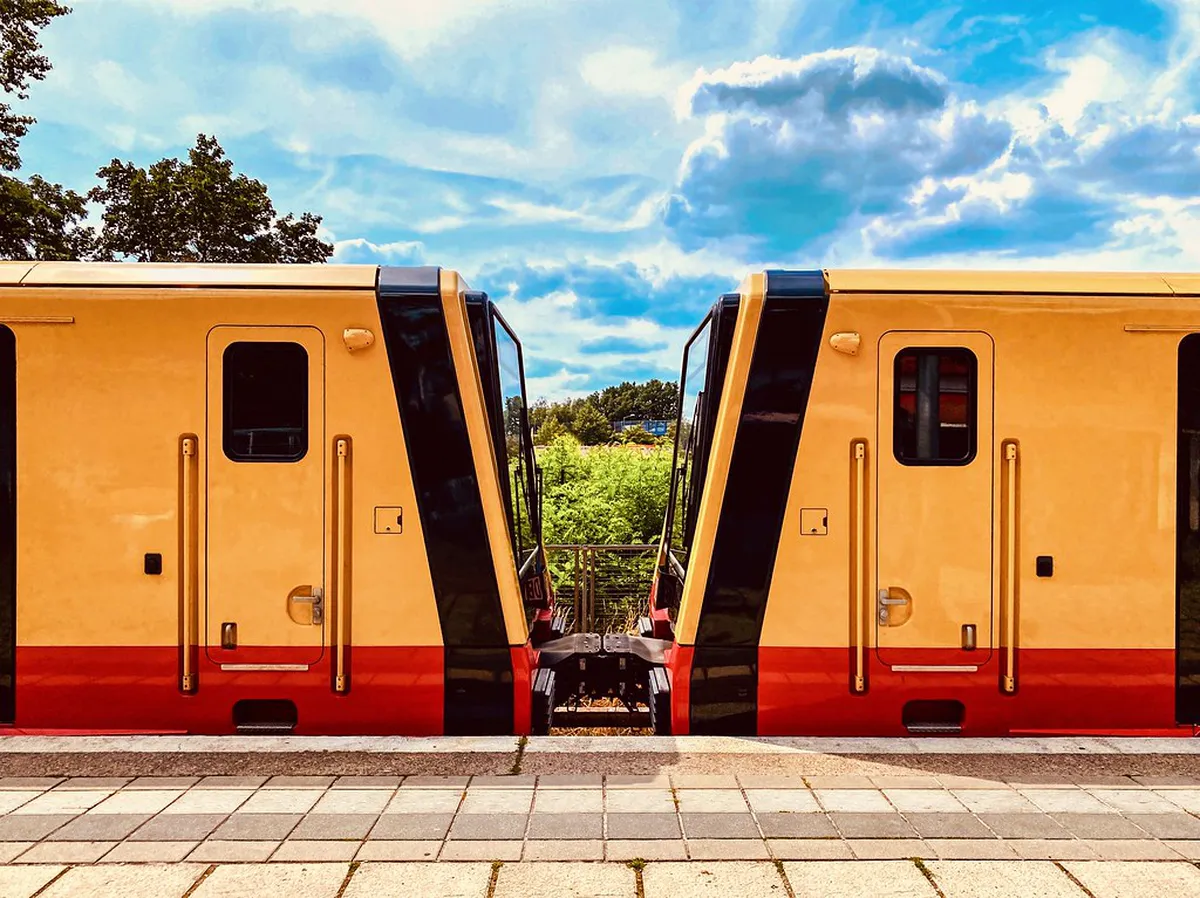
Respecting local laws is essential, including carrying a valid form of identification. You do not need to show it often, but having a passport or ID card available is technically required. If you plan to drive in the city, check the Federal Ministry for the Environment for low-emission zone regulations — many rental cars already have the required Umweltplakette sticker, but it is worth confirming before you drive inside the ring road.
Finally, tap into technology to stay one step ahead. The VBB or BVG apps handle transport. NINA handles emergency alerts. Google Maps works excellently in Berlin for walking and cycling routes. Between these three tools and a front-pocket habit for your phone, you will have covered the vast majority of situations that catch tourists off guard.
For the wider city overview, see our Berlin things-to-do guide.
For related Berlin guides, see our Getting Around Berlin: A Complete Guide to Public Transport & More and Berlin Airport To City Centre Travel Guide.
Frequently Asked Questions
Is Berlin safe for solo female travelers?
Yes, Berlin is very safe for solo female travelers. The city has a high level of public security and a culture that respects independence. Standard precautions, like staying aware in nightlife districts, are recommended. Many solo women find the city easier to navigate than other major capitals.
What are the most dangerous areas in Berlin?
Berlin does not have truly dangerous 'no-go' zones. However, areas like Alexanderplatz, Görlitzer Park, and Kottbusser Tor have higher rates of petty crime. These spots are safe during the day but require more vigilance after dark. Most issues involve non-violent activities like drug dealing or pickpocketing.
Is the Berlin U-Bahn safe at night?
The U-Bahn is generally safe at night and remains very busy on weekends. Certain lines, like the U8, may have a rougher atmosphere due to visible homelessness or drug use. If you feel uncomfortable, sit in the first carriage near the driver. Night buses are also a reliable and secure alternative.
What should I do if I get robbed in Berlin?
If you are a victim of theft, contact the police immediately by dialing 110. You should also visit a local police station to file a formal report for insurance purposes. Most officers speak English and will guide you through the process. Keep a digital copy of your passport to speed up the paperwork.
Berlin remains a safe and vibrant destination that welcomes millions of visitors every year. By staying aware of common scams, choosing safe neighborhoods, and knowing your emergency numbers, you can enjoy a stress-free trip. The city's unique mix of history and modern culture is best experienced with an open but cautious mind. Pack your bags with confidence and get ready to explore one of Europe's most fascinating cities.
You might also like


Continue reading
More guides you'll find useful