10 Best Things To Do In Berlin With Kids (2026)
Discover the best things to do in Berlin with kids, from interactive science museums and kindercafes to the best parks and a family-friendly itinerary.
On this page
10 Best Things To Do In Berlin With Kids
Berlin is one of Europe's most genuinely welcoming cities for families. The wide sidewalks, flat terrain, and efficient train system make navigating with a stroller far easier than in London or Paris. This guide covers the top activities for toddlers, school-age children, and teenagers, plus the practical logistics every parent needs before arrival.
The city balances heavy history with world-class play spaces — a combination few other capitals can match. Families who spend a little time planning their route discover that Berlin rewards the effort with days that feel effortless. Before booking, check the Best Time to Visit Berlin: Seasonal & Monthly Guide to align with outdoor festival seasons and the summer Kinderbad openings.
Iconic Berlin Landmarks for Families
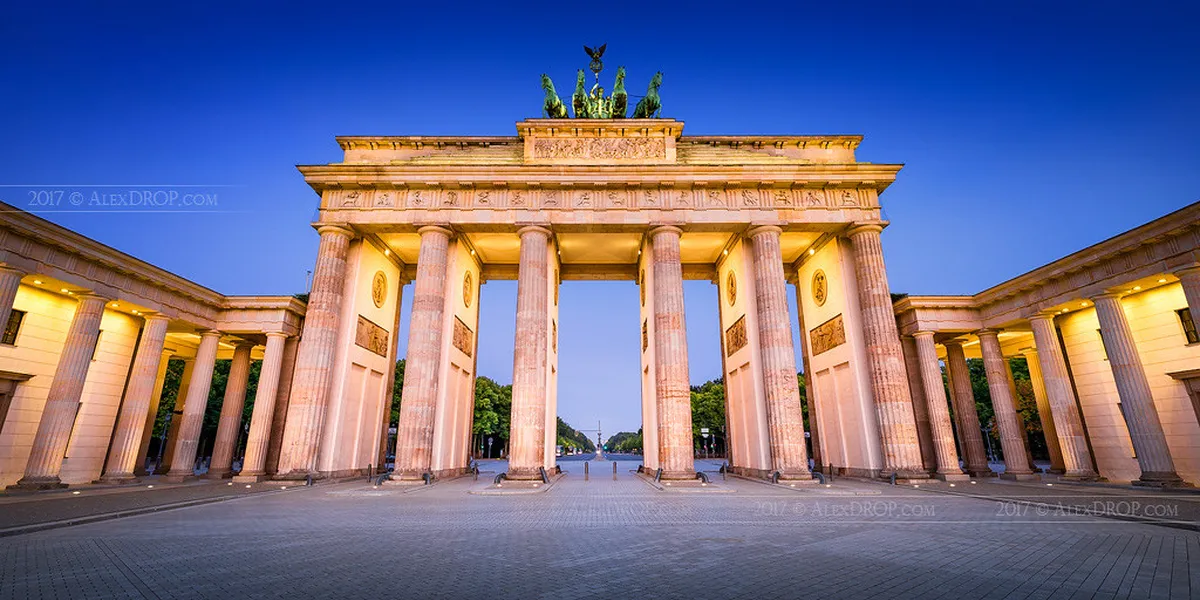
The Brandenburg Gate and Pariser Platz are the natural starting point for any Berlin family trip. Entry is free, the square is open 24 hours, and there is enough open space for kids to run without restrictions. Arrive before 09:00 to avoid the midday rush and get unobstructed family photos.
Museum Island sits a short walk away along the Spree and offers the Pergamon Museum, the Alte Nationalgalerie, and the Berlin Cathedral (Berliner Dom) in quick succession. The cathedral at Lustgarten charges €10 for adults; children under 18 enter free. The dome involves 270 steps on a narrow spiral staircase, so it is best reserved for children comfortable with heights and confined spaces.
The Berlin Wall Memorial on Bernauer Strasse is free and open-air, running for 1.4 kilometres. Children tend to be drawn to the preserved watchtower and the outdoor photography displays rather than the indoor documentation centre. Keep the conversation age-appropriate — the outdoor section is accessible to all ages, while the documentation centre is better suited to children over 10.
Museum Island museums are consolidated under a single €14–18 pass that covers multiple venues. The pass is valid for three consecutive days, so you do not need to visit all museums in one day. Purchase at the first museum or online to skip cashier queues on busy weekends.
Science Centre Spectrum and Technical Museums
The Science Centre Spectrum on Trebbiner Strasse is the single best stop in Berlin for active children aged 5 and up. More than 150 hands-on experiments cover electricity, light, and sound — all without display cases or ropes keeping kids at a distance. Plan two hours minimum; the mirror room captivates toddlers and the electricity demonstrations on the upper floor hold teenagers' attention. Admission is around €8–12 per person, and the museum closes on Mondays.
The Deutsches Technikmuseum sits directly next door and a combined ticket grants entry to both at a discount. The Technikmuseum is observational rather than hands-on — its value lies in the full-sized historic locomotives, the Rosinenbomber (Berlin Airlift aircraft) suspended over the entrance, and a vast maritime collection. It requires substantially more walking, so bring a pushchair for children under 5. Vehicle enthusiasts of any age will want a full morning here.
The practical choice: if your children need to move and touch everything, start at Spectrum. If you have vehicle-obsessed kids or teens who appreciate scale and history, lead with the Technikmuseum. Both can be done in one long day if you arrive at 09:00 and keep lunch short — the café terrace overlooks a playground at Gleisdreieck park, which serves as a useful mid-day reset.
Outdoor Play: Monbijoux Park and Hassenheide
Monbijoux Park in Mitte sits beside the Spree directly opposite Museum Island. Its dedicated children's swimming pool (Kinderbad Monbijou) opens from June through August and charges around €3.50 per person — one of the most central and affordable summer options in the city. The pool is shallow, guarded, and popular with young locals, making it a genuine neighbourhood experience rather than a tourist attraction. It does get crowded on weekday afternoons; go before noon or after 16:00 for more space.
Hassenheide Park in Neukölln offers a very different atmosphere. It is quieter, more local, and anchored by a free petting zoo where children can get close to goats, sheep, and ponies. The petting zoo accepts small donations but charges no entry fee. The park itself is open around the clock. Families staying south of Mitte will find Hassenheide the better everyday green space; those on short trips should prioritise Monbijoux for its convenience.
On warm Sundays from May through September, the Thai Park (Preußenpark) in Wilmersdorf is worth a detour. Local Thai families gather to cook and sell street food from around 11:00 onward, creating an informal outdoor market that children find fascinating. There is no entry fee and no formal structure — just blankets, food, and a crowd of local families enjoying the afternoon.
Creative Play at MachMit! Museum
MachMit! Museum for Children is housed in a converted red-brick church in Prenzlauer Berg. The name translates roughly as "Join In!" and the format delivers on that promise — children run the entire space through role-play, woodworking, printing, and pretend-play shops with working tills. Admission is around €7 per person; the museum is open Wednesday through Sunday, 10:00–18:00, and is closed Mondays and Tuesdays.
The standout feature for school-age children is the large climbing shelf that fills one end of the nave. Bring socks — shoes are forbidden in the climbing area to protect the wooden structure, and many families forget this detail. Toddlers gravitate toward the role-play section with pushchairs, dolls, and a lentil sensory bath. Older children find their niche through the mirror room, the secret door passage, and the upstairs yurt tent. Budget two hours and expect your children not to want to leave.
MachMit! is particularly strong for children between 3 and 12. Teenagers may find the play-oriented format less engaging, but families with mixed ages tend to work around it by splitting into groups for the first hour. The in-house café sells snacks and drinks — it is a useful base if you are making an afternoon of Prenzlauer Berg, which has one of the highest concentrations of kindercafes in the city.
Legoland Discovery Centre and Indoor Fun
Legoland Discovery Centre at Potsdamer Platz is the go-to rainy-day option for children aged 3 to 10. A 4D cinema, a dragon ride, a Merlin's Apprentice ride, and a Miniland model of Berlin keep younger children occupied for 2–3 hours. Tickets range from €19 to €25 depending on time slot; late afternoon slots are typically cheapest. Book online — walk-up availability is limited on weekends. Note that adults cannot enter without a child.
Sea Life Berlin on the Spree near Alexanderplatz offers a walkthrough shark tunnel and daily feeding demonstrations for rays and octopuses. Check the Sea Life Centre Berlin website for that day's feeding schedule before you go. Standard tickets cost €15–20; combination tickets with Legoland save money if you plan to do both in one day. The facility is open daily 10:00–19:00.
The Natural History Museum (Naturkundemuseum) on Invalidenstrasse is a strong alternative for dinosaur enthusiasts and is free for children under 6. A nearly complete Brachiosaurus skeleton — the largest mounted dinosaur skeleton in the world — dominates the central hall. It is measurably less crowded than the Potsdamer Platz attractions on weekday mornings and provides better value per hour for families travelling with older primary-school children.
Berlin Zoo and Tierpark Animal Encounters
Berlin Zoo in Charlottenburg is Germany's oldest zoo and holds over 20,000 animals including giant pandas. Adult tickets run €16–20; children under 3 are free. The zoo opens daily at 09:00. Enter through the Elephant Gate on Hardenbergplatz for the most atmospheric start. A separate or combination ticket is required for the adjoining aquarium, which is worth adding for a half-day visit. Best for families with children of all ages.

Tierpark Berlin in Lichtenberg, the former East Berlin, is Europe's largest landscape zoo by area. Entry costs roughly €15–18. The park stays open until 18:30 in summer and features a free electric train that circuits the grounds — a practical lifesaver for toddlers and tired legs late in the afternoon. The atmosphere is calmer and less crowded than the western zoo, with more space between enclosures. Families staying in eastern Berlin will find Tierpark the more convenient and less touristy option.
If you can only choose one, the western Berlin Zoo wins on animal variety and proximity to Charlottenburg and Tiergarten. Tierpark wins on space and a more relaxed pace. Families with three or more days can comfortably do both; those on shorter trips should prioritise the western zoo for its central location and panda draw.
Kindercafes and Family-Friendly Dining
Berlin's Eltern-Kind-Cafés (parent-child cafes) are one of the city's most practical and underused resources for visiting families. These spaces feature gated play areas, ball pits, sandpits, and soft-play corners where children play independently while parents drink coffee at proper tables. You will find the highest concentration in Prenzlauer Berg and Kreuzberg, often within walking distance of the main museums.
Café Kreuzzwerg in Kreuzberg sits five minutes from the Science Centre Spectrum and serves sandwiches, pasta, and a weekend breakfast buffet with reservations recommended. Kiezkind in Prenzlauer Berg is within walking distance of MachMit! and features a large indoor sandpit as its centrepiece. Both have highchairs and changing facilities. The house-shoe rule applies at most Berlin kindercafes: bring non-slip socks or a clean pair of indoor shoes for each child to avoid the polite but firm reminder at the door.
For a more indulgent stop, Rausch Chocolatiers on Charlottenstrasse offers a chocolate café on the upper floor overlooking Gendarmenmarkt. A hot chocolate costs around €5; the staff are accustomed to small children and highchairs are available. It is not cheap, but the combination of the square view and the ground-floor chocolate sculptures makes it a memorable half-hour stop. For wider dining options, the 23 Best Restaurants in Berlin: The Ultimate 2026 Foodie Guide guide covers family-friendly dinner spots across the main neighbourhoods.
Most Berlin kindercafes require shoes or socks indoors. The "house-shoe rule" is enforced to protect wooden floors in soft-play areas. Bring clean socks or lightweight indoor shoes for each child, or plan to purchase them at the café (typically €2–3 per pair). This is standard practice, not optional.
Getting Around Berlin with Kids
Berlin's S-Bahn and U-Bahn network covers every major attraction in this guide. Children under 6 travel free on all public transport throughout the city. Children 6–14 qualify for a reduced-rate ticket or travel free under a parent's Berlin Welcome Card (ABC zone). Most stations have lifts, though they are occasionally out of service — always check the BVG journey planner app for confirmed lift availability before heading out with a pushchair.
The Berlin Welcome Card is worth the cost if your family plans to use public transport regularly and visit three or more paid attractions. The family variant (ABC zone) covers one adult and up to three children between 6 and 14. It also unlocks 25–50% discounts at around 200 partner attractions including the Deutsches Technikmuseum, Sea Life, and several boat tours. For a detailed breakdown, the public transport guide compares the card against individual fares for a family of four across a typical three-day itinerary.
One logistics point that catches many first-time visitors: the Reichstag dome requires advance booking online at bundestag.de, typically at least one week ahead. Walk-ups are not accepted. The visit is free but the time-slot registration is mandatory. Include it in your pre-trip checklist alongside Sea Life and Legoland Discovery Centre bookings, which also benefit from advance purchase.
Where to Stay: Best Family Neighbourhoods
Prenzlauer Berg is the neighbourhood most consistently recommended by families who have visited Berlin with children. It has an exceptionally high density of playgrounds, the highest concentration of kindercafes, and calm residential streets. It is a few tram stops from central attractions and has a noticeably local, non-touristy atmosphere. Families who rent an apartment here typically find the pace of daily life — bakeries, street markets, prams on every corner — suits travelling with children better than the busy hotel districts.
Mitte is the right choice for families on short trips who want to walk to the Brandenburg Gate, Museum Island, the Berlin Cathedral, and the Kinderbad at Monbijoux Park. Accommodation runs more expensive, but the time saved on transit is meaningful when you only have two or three days. The Schulz Hotel Berlin Wall near the East Side Gallery offers good-value family rooms in a quieter eastern fringe of Mitte.
Charlottenburg suits families who are prioritising the Berlin Zoo and the western museums. The U2 line connects it to Potsdamer Platz (Legoland) and the city centre efficiently. It has a more upscale and quieter residential feel, which some families find easier to wind down in after long days. For specific hotel and apartment recommendations across all three areas, the where to stay in Berlin guide breaks down the trade-offs by budget and travel style.
Recommended 3-Day Berlin Family Itinerary
Day one is best spent getting orientated in the city centre without front-loading the major museums. Start at the Brandenburg Gate and walk along the Tiergarten edge to the Memorial to the Murdered Jews of Europe. Children often engage unexpectedly well with the concrete pillars — the sloping ground and varying heights create a natural exploratory space. Head to Potsdamer Platz after lunch for Legoland Discovery Centre, booking tickets in advance. In the evening, explore the Prenzlauer Berg kindercafe circuit for dinner.
Day two is for history and science. Start at the Deutsches Technikmuseum as early as 09:00, then cross into the adjoining Science Centre Spectrum after a picnic lunch at the Gleisdreieck playground. Both museums sit on the same block and the combined ticket reduces the cost. Reserve the late afternoon for Museum Island — the Berlin Cathedral dome is best in evening light. Check the Berlin attractions guide for current Museum Island ticket prices, which are consolidated under the museum pass.
Day three works well for outdoor and animal-focused activities. Spend the morning at Berlin Zoo, entering through the Elephant Gate. After lunch, take the S-Bahn to the East Side Gallery to walk the most intact section of the Berlin Wall — it runs about 1.3 kilometres along the Spree and is completely open-air and free. Finish at MachMit! Museum if children still have energy, or head back to Prenzlauer Berg for a final kindercafe stop. For planning a longer trip, the How Many Days in Berlin: 10 Essential Planning Guides covers four-day and five-day versions in detail.
Essential Tips for Visiting Berlin with Kids
Pack layers regardless of the season. Berlin summers are warm but rain arrives without much warning, and many parks and outdoor pools operate only in fine weather. A lightweight rain jacket folds into a daypack and prevents the scramble for shelter that derails afternoon plans. The Berlin Weather by Month: A Complete Seasonal Travel Guide guide gives monthly precipitation averages to help you plan packing lists by season.
Most museums in Berlin are closed on Mondays — including the Science Centre Spectrum and MachMit!. Plan outdoor or commercial attractions (zoo, Legoland, Sea Life) for Mondays to avoid wasted journeys. Many museums offer free or reduced entry on the last Sunday of each month; this is worth timing if you are visiting over a weekend.
Carry a small amount of cash. Some kindercafes and smaller family restaurants still do not accept cards, and public restrooms throughout the city charge around €0.50–1.00 for entry. Safety is rarely a concern, but the larger transit hubs — Alexanderplatz and Hauptbahnhof — can feel overwhelming for small children due to noise and crowd density. Keep a card with your hotel address and a working phone number in each child's pocket as a simple precaution.
Frequently Asked Questions
Is Berlin a kid-friendly city?
Yes, Berlin is exceptionally kid-friendly with numerous parks, interactive museums, and a stroller-accessible transit system. Most restaurants provide high chairs and children's menus, and kids under six travel free on public transport.
What are the best indoor activities for kids in Berlin?
The Science Centre Spectrum and MachMit! Museum are top indoor choices for rainy days. Legoland Discovery Centre at Potsdamer Platz also offers several hours of climate-controlled entertainment for younger children.
Is the Berlin Welcome Card worth it for families?
The card is often worth it if you plan to use public transport frequently and visit at least three major paid attractions. It covers one adult and up to three children, providing significant savings on entry fees.
Berlin is a city that rewards families who step off the beaten path and explore its diverse neighbourhoods. By mixing iconic history with interactive play, you can create a trip that is educational for you and genuinely fun for your kids. Pace yourself and lean on the city's green spaces and kindercafes for mid-day resets.
Whether you are climbing the climbing shelf at MachMit! or walking the East Side Gallery, the memories tend to outlast the itinerary. For more planning help, the How Many Days in Berlin: 10 Essential Planning Guides gives a full framework for structuring your visit. Safe travels and enjoy everything this vibrant German capital has to offer your family.
You might also like


Continue reading
More guides you'll find useful