17 Best Shopping Areas and Local Tips in Berlin (2026)
Discover the best shopping in Berlin with our guide to 17 top districts, from luxury boutiques on Ku'damm to vintage finds in Kreuzberg and Sunday shopping tips.
On this page
17 Best Shopping Areas and Local Tips in Berlin
Berlin is a city that prides itself on being 'poor but sexy,' a motto that reflects its diverse retail landscape. Whether you seek high-end fashion on Ku'damm or gritty vintage treasures in Kreuzberg, no two neighborhoods feel the same. This guide covers 17 distinct shopping areas so you can plan your day like a local rather than a tourist clutching a map at Alexanderplatz.
Navigating this decentralized metropolis requires a bit of planning before you set out with your shopping bags. Each neighborhood has a distinct personality, from the polished elegance of West Berlin to the rebellious spirit of the East. Knowing where to stay can make a big difference, so consider finding the best neighborhoods to stay in Berlin near your preferred shops. Most of the areas below are easily accessible via U-Bahn or S-Bahn — check the Berlin public transport guide before you head out.
Visitors should prepare for a mix of high-street brands and independent labels that you won't find anywhere else. The city is a leader in sustainable fashion, and you can discover smart and stylish fast fashion alternatives in many local concept stores. Prices vary significantly between the luxury hubs and the alternative districts, making it easy to find something at any price point.
Berlin Shopping Districts at a Glance
Berlin's retail scene is deliberately decentralized. There is no single shopping street that covers all bases — instead, the city divides into distinct pockets, each with its own vibe and price range. The table below gives you a quick reference before diving into each area.
| District | Vibe | Price Point | Best For |
|---|---|---|---|
| Ku'damm / Charlottenburg | Luxury, classic | €€€ | International brands, KaDeWe |
| Friedrichstraße | Historic, upscale | €€€ | Designer labels, Galeries Lafayette |
| Bikini Berlin | Concept, creative | €€ | Independent German designers |
| Hackescher Markt | Artisan, courtyard | €€ | Local jewellery, boutique labels |
| Prenzlauer Berg | Leafy, curated | €€ | Ethical fashion, craft markets |
| Kreuzberg | Gritty, alternative | € | Vintage, punk, streetwear |
| Neukölln | Multicultural, raw | € | Vinyl, curated vintage, food market |
| Friedrichshain | Youthful, creative | € | Sustainable boutiques, Sunday flea |
Use this as a starting point, then follow the individual sections below for precise streets, opening hours, and insider tips on each area.
Kurfürstendamm (Ku'damm)
Ku'damm is Berlin's primary luxury boulevard, a 3.5-kilometre stretch in Charlottenburg lined with the flagship stores of Gucci, Prada, and Louis Vuitton. The avenue extends into Tauentzienstraße, where you'll find the legendary KaDeWe — continental Europe's largest department store — anchoring the western end. Most stores open at 10:00 and close by 20:00, Monday through Saturday.
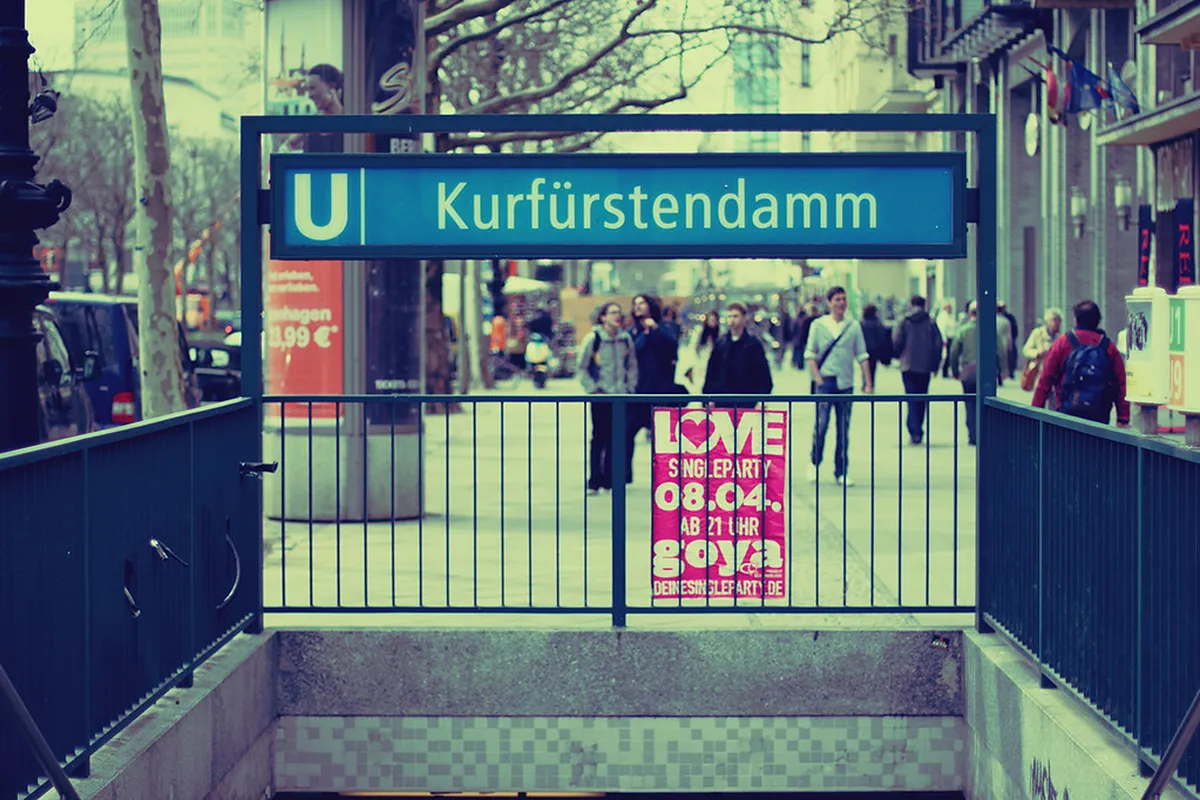
Beyond the main drag, the real appeal is in the side streets. Fasanenstraße and Bleibtreustraße hide independent boutiques, antique dealers, and art galleries in magnificent pre-war buildings. These quieter avenues offer a glimpse into Charlottenburg's refined residential character without the weekend crowds. Come on a Tuesday or Wednesday morning for the widest pavements and shortest queues at the dressing rooms.
KaDeWe's sixth-floor food hall deserves at least an hour of your time regardless of your budget. The counter-service stalls sell everything from Franconian sausage to Japanese matcha cakes, with most items priced between €5 and €20. Non-EU shoppers can pick up a Tax-Free form at the dedicated service desk on the ground floor — minimum spend for the refund is €50.01 in a single transaction.
Non-EU visitors qualify for VAT refund on single purchases over €50.01. Collect the Tax-Free form at the checkout counter (not a central desk), keep all original receipts, and present everything at airport customs before check-in. KaDeWe's dedicated ground-floor Tax-Free desk can pre-stamp paperwork to expedite your airport claim.
Bikini Berlin: Shopping with Monkeys
Located between the Zoo and the Gedächtniskirche in City West, Bikini Berlin is described as the world's first concept mall. The building is a listed 1950s structure that was gutted and reopened in 2014 with a deliberately curated tenant mix. The large glass facade on the upper floor looks directly into the baboon enclosure of Berlin Zoo — one of the more surreal shopping backdrops in Europe.
The ground floor modular pop-up boxes rotate regularly, giving space to emerging Berlin designers in fashion, jewellery, and interior design. Permanent tenants include eyewear brand Mykita and the Kantini food market, which runs from international burgers to Alpine cheese dishes. The rooftop terrace is free to access and offers a good city-west panorama alongside the zoo viewing area.
Opening hours are 10:00–20:00 Monday to Saturday. The concept has been diluted slightly in recent years as a few mainstream chain branches moved in, but the upper floor still holds a noticeably higher proportion of independent German labels than any comparable mall in the city. Reach it via S-Bahn Zoologischer Garten (S5, S7, S9) or U-Bahn Zoologischer Garten (U2).
Friedrichstraße & Unter den Linden
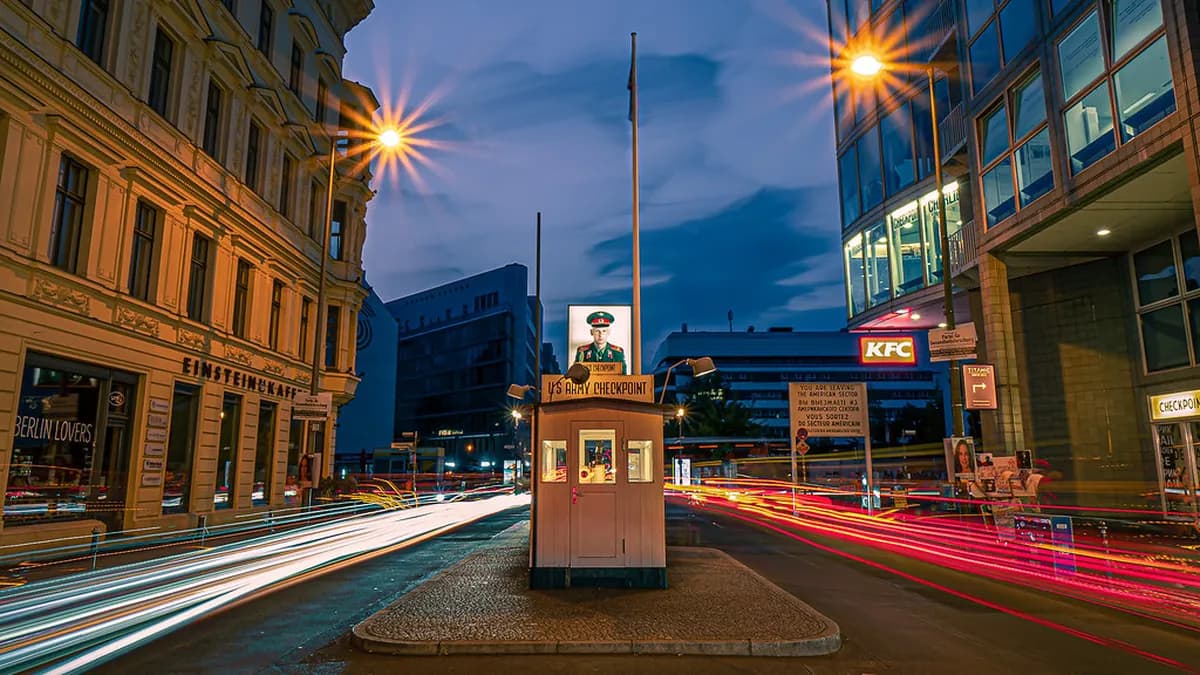
Friedrichstraße runs through the heart of Mitte and carries a weight of history unusual for a shopping street — it bisected the Cold War border at Checkpoint Charlie. Today it hosts Hugo Boss, Armani, and the stunning Galeries Lafayette, a French department store housed inside Jean Nouvel's glass-and-steel cone. The store is worth visiting for the architecture alone, and the basement food hall rivals Ku'damm for gourmet options.
The upper segment of Friedrichstraße, north of the Unter den Linden intersection, is noticeably quieter and holds a better selection of art galleries, specialist bookshops, and elegant perfumeries. If you prefer browsing without tour groups, start from Friedrichstraße S-Bahn station and walk north. Quartier 206, just off the main street, features stunning Art Deco interiors and a mix of high-end fashion and accessories.
Budget carefully here — this is firmly premium territory. Credit cards are universally accepted in the main stores, but smaller cafes on the adjacent side streets near Gendarmenmarkt still prefer cash. The area sits perfectly alongside free cultural attractions if you're also looking for free things to do in Berlin on the same day.
Prenzlauer Berg: Artisan & Design District
Once a bohemian enclave in former East Berlin, Prenzlauer Berg has become the city's heartland of local design and ethical fashion. Kastanienallee — nicknamed 'Castingallee' by locals — is lined with boutiques from Berlin designers, concept stores selling handmade homewares, and specialty shops for jewellery and children's toys. Most shops open around 11:00 and stay open until 19:00 or 20:00.
Kollwitzstraße and Oderberger Straße hold the hidden-gem layer: small vintage furniture stores, artist workshops, and handmade stationery shops. On Saturdays, the Kollwitzplatz market sets up from around 09:00, with stalls from local artisans selling ceramics, textiles, and natural cosmetics alongside organic produce. It's an ideal combination of shopping and neighbourhood atmosphere.
Prices in Prenzlauer Berg are mid-range to high-end, reflecting genuine craftsmanship over mass production. Look for 'Made in Berlin' labels as a reliable indicator of locally sourced goods. Cash is essential for market stalls and several of the smaller boutiques, which do not accept international credit cards at all.
Kreuzberg: Alternative & Vintage District
Kreuzberg is the raw centre of Berlin's counter-culture retail scene, shaped by its punk and squatter history. Oranienstraße is the main artery — a long stretch of independent record stores, anarchist bookshops, curated vintage racks, and concept stores like Hallesches Haus, which blends a general store, event space, and café under one roof. Take the U1 or U8 to Kottbusser Tor to land directly in the middle of it.
The side streets branching off from Oranienstraße and Kottbusser Tor are where genuine bargains hide. The Voo Store on Oranienstraße 24 is a high-end streetwear boutique housed in a former locksmith's courtyard — worth a look even if the price points are at the higher end for the district. Most shops here open at noon and close by 20:00, with irregular hours common among the smaller independent units.
Kreuzberg is budget-friendly overall. Second-hand stores sell authentic vintage at honest prices, and the district's residents are vocal about transparency — shops that label modern fast fashion as 'retro' get called out quickly. Cash is strongly preferred across the board. For Sunday market shopping, the Nowkoelln Flowmarkt on the Kreuzberg–Neukölln border is a less-touristy alternative to Mauerpark.
Hackescher Markt: Hidden Gems
Behind the Hackescher Markt S-Bahn station lies the Hackesche Höfe, a historic ensemble of eight interconnected courtyards that functions as Berlin's most sophisticated independent retail cluster. More than 30 shops operate here, all carefully selected — no chain branches allowed. The result is a concentration of owner-managed boutiques, jewellery workshops, fashion labels, and Berlin food producers that you won't find replicated anywhere else in the city.
Shops in the Höfe are open from 10:00 to 20:00. The first courtyard is the most visited and most photogenic (Jugendstil tile work covers the walls), but the smaller courtyards toward the back hold the more obscure and rewarding boutiques. The complex also contains an arthouse cinema, the Chamäleon Theatre, and several courtyard restaurants that make it easy to turn a shopping trip into a full afternoon.
The surrounding Scheunenviertel streets — particularly Neue Schönhauser Straße and Rosenthaler Straße — extend the boutique density well beyond the Höfe itself. Independent German designer studios and concept stores are concentrated here at mid-range to high-end prices. Prices are higher than Kreuzberg but often reflect genuine craftsmanship and limited-edition runs.
Alexanderplatz & Mitte District
Alexanderplatz is the practical retail hub of East Berlin, dominated by the Alexa shopping centre — a massive complex with over 170 stores including Zara, H&M, Primark, and a large Saturn electronics retailer. Stores here stay open until 21:00, making it the most convenient option if you need to grab something after a full day of sightseeing. The historic Galeria department store on the square itself covers everything from housewares to mid-range fashion.
The Alexa is utilitarian rather than inspiring, but it serves a clear purpose for travelers needing practical items at short notice. A short walk toward Hackescher Markt shifts the character entirely: the Scheunenviertel neighbourhood around Rosa-Luxemburg-Platz holds independent bookstores, vintage clothing shops, and quirky boutiques that represent the creative counterpoint to the mall culture of the square.
For a sharper contrast within a single afternoon, spend the morning in the Alexa for practical shopping and the afternoon exploring the courtyard boutiques of the Höfe and the concept stores of the surrounding streets. The two worlds are only 15 minutes apart on foot and represent the full spectrum of what Mitte offers.
Charlottenburg Shopping District
Separate from Ku'damm, the broader Charlottenburg district offers a more tranquil retail experience rooted in the neighbourhood's aristocratic past. Wilmersdorfer Straße is the main pedestrian zone — a long, car-free stretch of German department stores, shoe shops, and high-street chains at prices noticeably more accessible than nearby Ku'damm. It's a good area for families who want to shop without navigating heavy traffic.
The quiet side streets hold antique dealers and art galleries that specialise in specific eras — Biedermeier, Art Nouveau, Bauhaus. Many of the owners have detailed knowledge of their stock and will discuss provenance at length if you have time. It's one of the few parts of Berlin where the shopping experience genuinely overlaps with the museum experience.
Reach Charlottenburg via U-Bahn Richard-Wagner-Platz (U7) or Sophie-Charlotte-Platz (U2). Smaller shops and antique dealers often prefer cash or EC card, so carry euros even if you intend to pay by card at the larger stores.
Neukölln: Urban, Gritty, and Multicultural Finds
Neukölln is Berlin's most multicultural retail district, where Turkish and Arab community markets exist alongside a growing cluster of independent designer studios. The Türkischer Markt (Turkish Market) runs along the Maybachufer canal on Tuesdays and Fridays from around 11:00 to 18:00 — it is the most authentic and least tourist-curated food and fabric market in the city. Fresh produce, fabrics, olives, and street food stalls stretch for several hundred metres along the canal bank.
Weserstraße and Pannierstraße hold the creative layer of the neighbourhood: curated vintage clothing stores, vinyl record shops, and small art-focused boutiques run by local designers. Schillerkiez, the quieter residential pocket to the south, hosts occasional weekend craft markets that rarely appear on tourist itineraries. Prices throughout Neukölln are budget-friendly, and the atmosphere prioritises authenticity over polish.
Cash is essential here. Market vendors and most independent stores do not accept cards, and ATMs are plentiful on Karl-Marx-Straße. Use U-Bahn Hermannplatz (U7, U8) or Rathaus Neukölln (U7) as your entry points. Combine a Türkischer Markt visit with lunch by the canal — a Gözleme from one of the flatbread stalls eaten on the canal steps is a ritual for many regular visitors.
Schöneberg Commercial District
Schöneberg is where KaDeWe anchors the western end and Akazienstraße provides the neighbourhood counterpoint. Akazienstraße itself is a short, tree-lined street known for gourmet food shops, high-quality wine merchants, and a handful of independent clothing boutiques that cater to the district's discerning residential population. Most specialty stores close by 18:00 on Saturdays, so plan accordingly.
The Winterfeldtmarkt runs every Wednesday (07:00–14:00) and Saturday (08:00–16:00) on Winterfeldtplatz, a few minutes' walk from the U-Bahn station Nollendorfplatz (U1, U2, U3, U4). The Saturday market is the larger of the two and mixes organic produce with artisan food producers, flower stalls, and occasional clothing vendors. It draws a loyal local crowd rather than tour groups.
Schöneberg has historically been known for its LGBTQ+ venues and community retail, with several specialist bookshops and independent boutiques clustered around Motzstraße and Nollendorfplatz. The area provides a sophisticated shopping experience away from the main tourist routes of central Mitte, with prices reflecting the premium quality of the goods.
Friedrichshain: Creativity Around Boxhagener Platz
The streets surrounding Boxhagener Platz — 'Boxi' in local shorthand — form one of the liveliest neighbourhood retail clusters in Berlin. Krossener Straße holds Hausen, a Scandinavian design shop, while Grünberger Straße has the HHV store, selling vinyl records alongside streetwear and trainers. InterKontinental, the only bookshop in Germany specialising in African literature, is also in this cluster.
The Saturday street market and the Sunday flea market on Boxhagener Platz itself are the primary draws for visitors. The Sunday flea sells a mix of GDR-era memorabilia, handmade crafts, vintage clothing, and local art at prices that reflect genuine secondhand provenance. Arrive before 10:00 for the best selection. Most boutiques in the area are mid-range in price and stock sustainable or ethically produced goods.
Friedrichshain is easily reached via the U5 to Samariterstraße or S-Bahn Ostkreuz. Cosy cafes and bars make it straightforward to combine shopping with a meal — check the best restaurants in Berlin for options in the immediate neighbourhood. Cash is preferred at markets; most boutiques accept cards.
Potsdamer Platz & Mall of Berlin
Potsdamer Platz functions as Berlin's most modern retail hub, purpose-built after reunification on what was previously a no-man's-land between East and West. The Playce (formerly Potsdamer Platz Arkaden) and the nearby Mall of Berlin together hold several hundred stores, with hours typically running 10:00–21:00. International fashion chains, electronics retailers, and mid-range restaurants dominate the tenant mix.
The location is architecturally striking and well-suited for travelers staying in central hotels near Tiergarten, but it offers little that is specifically Berlin in character. It is most useful for practical shopping needs or for visitors who want a conventional mall experience without committing to the longer journey to Tempelhof or the Designer Outlet. Underground parking is extensive for those arriving by car.
Designer Outlet Berlin
The Designer Outlet Berlin sits in Elstal, roughly 30 kilometres west of the city centre, and offers discounts of 30–70% on major international labels including Hugo Boss, Nike, Adidas, and Tommy Hilfiger. The outlet village is open Monday to Saturday, 10:00–20:00. Reaching it requires a 30-minute journey on the RE4 regional train from Berlin Hauptbahnhof to Elstal station, from where there is a shuttle bus.
Friday mornings offer the best combination of full stock and low crowds before the weekend rush. Non-EU visitors should note that VAT refund forms are available at the individual store checkouts, not at a central desk — collect forms at each store you purchase from and present them with receipts and unused goods at the airport before departure.
Bergmannstraße: Charming Neighbourhood Flair
Bergmannstraße in Kreuzberg, between Marheinekeplatz and Mehringdamm, is a traffic-calmed street running through one of the most intact pre-war residential neighbourhoods in Berlin. The street works as a concentrated retail strip for everyday life: the Marheineke Markthalle at its centre holds delicatessen stalls, fresh produce, international specialities, and the long-established Kommedia bookshop at its entrance.
Side streets Friesenstraße and Zossener Straße add depth — Spacehall on Zossener Straße is an institution for independent electronic music and vinyl, while Picknweight on the main street charges vintage clothing by weight rather than per item, making it one of the more reliably cheap sources of genuine secondhand fashion. Berlin chocolate maker Sawade also has a storefront on Bergmannstraße for edible souvenirs.
Shopping on this street pairs naturally with a coffee or lunch stop — dozens of cafes line the route. Hours for most shops run 10:00–19:00, with the Markthalle typically closing slightly earlier. The Marheineke Markthalle is closed Sundays like all food retail in Berlin, but the street cafes remain open.
Markthalle Neun: A Meeting Place for Connoisseurs
Markthalle Neun is a 19th-century market hall near Görlitzer Bahnhof in Kreuzberg that was revived in 2011 with a new concept: around 50 stalls from small regional producers selling artisan food, vegetables, cheese, honey, bread, homemade pasta, and even truffles. The daily hall operates primarily as a food market, but the Thursday event is the main draw for visitors.
Street Food Thursday runs every Thursday from approximately 17:00 to 22:00, turning the hall into a communal dining space with stalls serving oysters, Austrian Käsespätzle, French charcuterie, empanadas, and Korean barbecue. Entry is free; budget around €12–18 for a full meal and a drink. Arrive before 18:30 to secure a seat at the communal tables — after 19:00 it fills completely.
The hall also stocks high-quality kitchen accessories, including Japanese knives and olive wood utensils, making it a reliable source for non-perishable food gifts to take home. Reach it via U-Bahn Görlitzer Bahnhof (U1). Cash is strongly preferred, though a few stalls now accept card payments.
Tempelhof & City West Retail Parks
The large-format retail parks around Tempelhof and City West serve the practical, volume-shopping needs that tourist-facing guides typically ignore. These centres hold IKEA, Bauhaus DIY, large electronics chains like MediaMarkt, and discount grocery stores. Hours are typically 10:00–20:00 Monday to Saturday. Most are accessible via S-Bahn Ring lines or bus connections within 30 minutes of central Berlin.
These parks are most useful for travelers on extended stays who need household or electronics purchases, or for those buying bulky items they want to ship home rather than carry. The crowds are almost exclusively local, the prices are consistently lower than city-centre equivalents, and there are no tourist markups on any of the goods. Visit on a Monday or Tuesday morning for the fastest in-store experience.
KaDeWe: The Iconic West Berlin Department Store
KaDeWe (Kaufhaus des Westens) on Tauentzienstraße in Schöneberg is the largest department store in continental Europe and one of Berlin's most enduring retail institutions. It opens daily at 10:00 and the building covers seven floors of fashion, accessories, cosmetics, electronics, and housewares. Luxury brands anchor the ground and first floors, with prices reflecting the premium positioning.
The sixth-floor food hall is the mandatory stop regardless of your budget. Counters sell freshly prepared sushi, French pastries, regional German cheeses, and a remarkable selection of international charcuterie. Affordable options exist alongside the premium items — a glass of house wine and a plate of snacks at one of the stand-up counters costs around €8–12. The hall is open during regular store hours and does not require a separate admission.
Non-EU visitors should collect Tax-Free forms at each purchase point rather than at a single desk — bring your passport. Reach KaDeWe via U-Bahn Wittenbergplatz (U1, U2, U3); the historic 1911 station entrance sits directly across the street from the store's main entrance on Tauentzienstraße.
Sunday Shopping: Spätis, Stations, and Flea Markets
Germany's Ladenschlussgesetz (retail closing law) means that almost all shops close on Sundays and public holidays. This surprises many international visitors but is a firmly established part of the local work-life culture. Planning your heavy shopping for Monday through Saturday is the simplest solution. However, Sunday in Berlin is far from retail-free if you know where to look.
Nearly all Berlin retail — boutiques, department stores, malls, supermarkets — is closed on Sundays except for Spätis (corner kiosks), train-station shops, and Sunday flea markets. If you're hunting for specific fashion or gifts on a weekend, schedule your main shopping for Friday or Saturday. Marheineke Markthalle and other food markets are also closed Sundays.
Spätis — Berlin's ubiquitous corner kiosks — are the exception to the Sunday rule. These small convenience stores operate under a legal exemption and stay open seven days a week, often around the clock. Every neighbourhood has several. They sell beer, soft drinks, snacks, tobacco, basic toiletries, newspapers, and an increasingly wide range of ready-to-eat food. For genuine emergency shopping on a Sunday, a Späti is your first stop. Look for any small storefront with an open door and a rotating drinks fridge visible from the pavement — there is no standard signage.
Train stations also operate under the Sunday exemption. Berlin Hauptbahnhof, Friedrichstraße, Ostbahnhof, and Zoologischer Garten all contain small malls and supermarkets that open on Sundays, typically from 08:00 to 22:00. These cover groceries, books, cosmetics, and basic clothing. For genuine shopping culture on Sundays, the flea markets are the correct answer: Mauerpark (09:00–18:00), Boxhagener Platz (09:00–16:00), and the Nowkoelln Flowmarkt (every other Sunday along the Neukölln canal) all operate weekly and represent how Berliners actually spend their Sunday mornings. Check visitBerlin.de for official Verkaufsoffene Sonntage (special shopping Sundays) dates, which occur a handful of times per year when stores open from 13:00 to 18:00.
Essential Tips for Shopping in Berlin
Cash culture is real and significant in Berlin. While major malls and department stores accept all international credit cards, the city has a notably higher proportion of cash-only businesses than comparable European capitals. Small boutiques, market vendors, most vintage shops, and many cafes display a 'Nur Barzahlung' (cash only) sign. Carrying at least €50 in cash ensures you won't be turned away from the most interesting finds.
Non-EU visitors can claim a VAT refund on purchases above €50.01 in a single store. Ask for a Tax-Free form at the checkout, keep all receipts, and present everything with your unused goods at the airport customs desk before check-in. Galeries Lafayette and KaDeWe both have dedicated Tax-Free service desks on site that can process paperwork and pre-stamp forms to speed up the airport process. Smaller stores issue standard Global Blue or Planet forms.
Opening hours across Berlin follow a broadly consistent pattern: 10:00–20:00 Monday to Saturday, with smaller boutiques often closing by 18:00 or 19:00. Large malls (Alexa, Mall of Berlin, Potsdamer Platz) stay open until 21:00. Sundays and public holidays: nearly everything closes except Spätis, train station retail, and flea markets. Use the Berlin public transport guide to plan efficient routes between districts — a single day can comfortably cover Ku'damm in the morning, Hackescher Markt in the afternoon, and Kreuzberg or Friedrichshain in the evening.
Frequently Asked Questions
What are the typical shopping hours in Berlin?
Most shops in Berlin open between 10am and 11am and close by 8pm. Large malls stay open until 9pm, while smaller boutiques in residential areas may close as early as 6pm on Saturdays. Almost all retail locations are closed on Sundays.
Can I pay with a credit card everywhere in Berlin?
Major retailers and malls accept all credit cards, but small independent shops often require cash or German debit cards. Always carry some cash when exploring neighborhoods like Neukölln or Kreuzberg. Look for signs indicating 'Nur Barzahlung' before you reach the checkout.
Where is the best place for vintage shopping in Berlin?
Kreuzberg and Neukölln are the premier districts for high-quality vintage finds. Weserstraße and Bergmannstraße offer a high density of curated second-hand stores. For budget deals, the Sunday flea markets at Mauerpark and Boxhagener Platz are the top local choices.
Berlin offers a shopping experience that is as diverse and complex as the history of the city itself. From the high-end luxury of Ku'damm to the artisanal workshops of Mitte, there is a district for every taste and budget. By planning around Sunday closures, carrying cash for independent boutiques, and knowing where the Spätis are for genuine emergencies, you can navigate the retail scene like a local. Enjoy the unique blend of modern design and historic charm that makes shopping in the German capital so memorable in 2026.
You might also like

Continue reading
More guides you'll find useful