Berlin TV Tower (Fernsehturm) Visitor Guide
Plan your visit to the Berlin TV Tower with our guide to Sphere Tim Raue dining, tickets, the "Pope's Revenge" history, and 360-degree views.
On this page
Berlin TV Tower (Fernsehturm) Visitor Guide
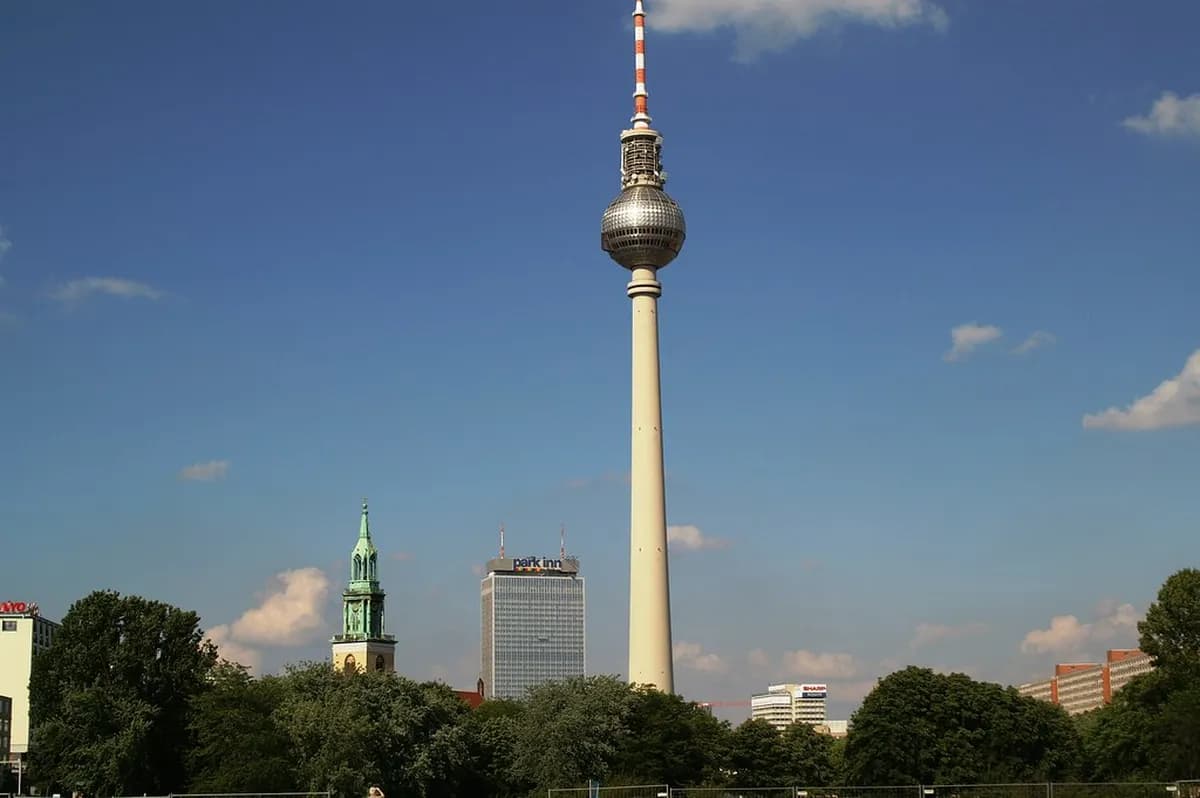
The Berlin TV Tower stands as the tallest publicly accessible building in Europe at 368 metres, rising from the centre of Alexanderplatz in Berlin-Mitte. Originally built by the East German government to project socialist power, it has since transformed into the defining symbol of a reunified city. Today it draws more than 1.3 million visitors from around 85 countries every year.
Planning your visit requires some strategy. The tower now houses a Michelin-starred revolving restaurant, a dedicated Sphere Bar, and a virtual reality history experience — none of which existed a decade ago. This guide covers all of it, from the "Pope's Revenge" physics lesson to which ticket buys you the shortest queue.
Whether this is your first day in the capital or a return trip, the Fernsehturm belongs near the top of your list. It is one of the best things to do in Berlin for first-timers and an anchor stop on any 3 days in Berlin itinerary.
The History and Symbolism of the Fernsehturm
Construction began in 1965 under GDR State Council Chairman Walter Ulbricht, who wanted a structure that would signal socialist technological supremacy to both sides of the divided city. The original plan placed the tower at Müggelberge in southeast Berlin with a modest height of 130 metres, but engineers discovered it would interfere with flight paths. After considerable political debate, the site was moved to Alexanderplatz — then the ideological heart of East Berlin — and the height was dramatically increased. The final budget overran by a factor of four.
The design team, led by architect Hermann Henselmann together with Fritz Dieter, Gunter Franke, and Werner Neumann, drew deliberate inspiration from the Soviet Sputnik satellite for the sphere. The tower was inaugurated on 3 October 1969 — just weeks before the GDR's 20th anniversary — and immediately became the most recognisable silhouette on the Berlin skyline. A detailed historical timeline of the Fernsehturm documents its full architectural evolution. It broadcasts more than 60 television and radio programmes via Deutsche Telekom's antenna to this day.
The tower was designated a monument in 1979, still under GDR rule. After reunification, its significance flipped entirely: from a symbol of socialist ambition to a symbol of a united Germany. It is now a member of the World Federation of Great Towers alongside the Eiffel Tower and the Burj Khalifa. Locals from both former sides of the border use it as a compass — its needle is visible from almost every open space in the city.
The most famous quirk in its history is known as the "Pope's Revenge." When direct sunlight hits the stainless steel panels of the sphere, they reflect a bright cross-shaped pattern visible for miles. This was entirely unintentional. Because the GDR had officially suppressed religion, the appearance of a crucifix on the state's proudest monument was deeply embarrassing. Engineers attempted to eliminate it with special paints and chemicals, but every effort failed. West Berliners named the reflection accordingly, and the cross still appears on any sunny day in 2026.
The Observation Deck: Berlin's Best 360-Degree View
Two high-speed lifts carry visitors from street level to the observation deck at 203 metres in just 40 seconds. The pressure change in your ears is noticeable during the ascent. When the doors open, the entire city is spread below you in every direction, and the sense of scale is genuinely startling.
Interactive display boards around the perimeter are set up in every viewing direction to help you identify landmarks near and far. On a clear day you can spot the Reichstag, the Brandenburg Gate, the Charité hospital tower, and on the clearest days the wind turbines of Brandenburg state some 42 kilometres away. The Tiergarten park reads as a long green strip through the urban grid — it is the most useful orientation tool in the city.
Most visitors spend 30 to 45 minutes on the deck before moving to the bar or restaurant. There is no time limit on your stay. The experience changes significantly depending on the hour: morning light is crisp and directional, afternoon is bright but flat, and evening provides the illuminated city panorama that appears on most postcards.
The observation deck is enclosed in double-glazed panels. If you're taking photos, avoid shooting with direct flash toward the windows — press your lens hood directly against the glass to eliminate reflections and window glare entirely.
Photography Tips: Avoiding Window Glare
The observation deck is enclosed in double-glazed panels, which means direct flash or shooting at an angle toward bright sky produces significant glare and ghosting in your photos. The most effective technique is to press your lens — or a rubber lens hood — directly against the glass. This eliminates the air gap between the camera and the window and removes reflections almost entirely. A dark cloth or jacket pressed around the lens works as a field substitute if you do not have a lens hood.
Circular polarising filters help but are less effective than the contact method because the glass itself introduces its own polarisation. Shoot perpendicular to the window rather than at an angle, and position yourself away from overhead lights on the deck, which create competing reflections in the panel.
For city shots, a longer focal length (85mm to 200mm equivalent) pulls distant landmarks closer and gives enough compression to show the layered Berlin skyline. Wide-angle shots from inside the sphere tend to show the window frame prominently and make the city look smaller than it is. Sunrise and sunset provide the best natural light for colour; overcast days produce soft, even tones that are actually very good for detail shots of the city grid.
Fine Dining at Sphere: The Tim Raue Experience
From 3 June 2025, Michelin-starred chef Tim Raue took over the revolving restaurant at 207 metres — four metres above the observation deck — and renamed it Sphere Tim Raue. The menu centres on Berlin and Brandenburg cuisine reinterpreted through Raue's signature balance of sweetness, acidity, and spice. Expect dishes built around regional ingredients: Brandenburg duck and pork, fresh-water fish from the surrounding lakes, and reinventions of classic Berlin street food.
The Sphere Bar, which shares the same level, offers a more casual take on the same culinary direction. Tim Raue's versions of boulettes (Berlin-style minced meat patties) and currywurst served alongside BRLO craft beer make it a genuinely local experience at an unusual altitude. You do not need a restaurant reservation to visit the Sphere Bar — your standard observation deck ticket covers access.
The restaurant floor completes one full rotation every 60 minutes, which means a standard lunch or dinner service lets you see the entire city skyline without leaving your seat. Window seats are the most sought-after reservation and fill up earliest. Book at least two to three weeks ahead for weekend dinners; summer weekend slots can go further out than that. Visit the official tv-turm.de site for current seasonal menus and live reservation availability.
Lunch tends to be brighter and better for distant views. Dinner offers the city at its most atmospheric, with landmarks illuminated against the dark. Both are valid choices depending on whether you prioritise views or atmosphere. The restaurant is located slightly above the lift exit level and involves a small flight of stairs, which is relevant for visitors with mobility needs.
Sphere Bar and the "Berlin's Odyssey" VR Attraction
The Sphere Bar is the highest bar in Berlin, sitting at 203 metres on the same level as the observation deck. It serves cocktails, local beers including BRLO craft beer, and non-alcoholic drinks. No reservation is needed. It is a practical option if the restaurant is fully booked but you still want to spend extended time at the top with a drink in hand.
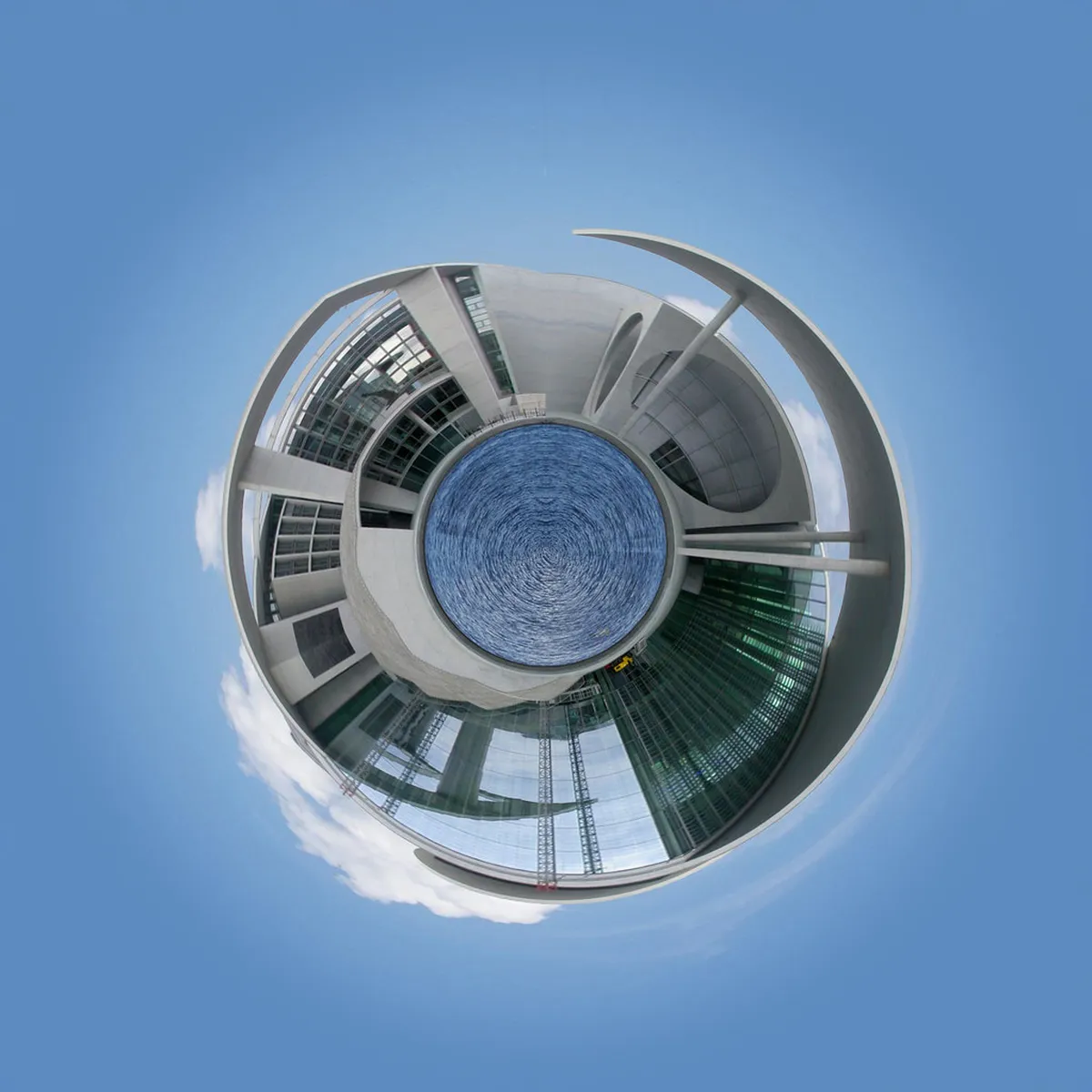
The "Berlin's Odyssey" virtual reality experience is a separate ticketed attraction. You wear a VR headset and take a 15-minute bird's-eye flight through 800 years of Berlin's history — from the medieval settlement through the Prussian era, the war years, the divided city, and reunification. The 3D reconstructions of Alexanderplatz across different eras are particularly striking given that you are standing above the actual location. This is available as an add-on ticket or as part of a bundle at booking.
The VR experience is located on the ground floor before you board the lifts, so you can do it before or after the observation deck. It is especially useful on overcast days when the view from the top is limited. History-focused visitors and those travelling with older children tend to find it the most rewarding add-on.
Ticket Types, Prices, and Booking Advice
There are three main ways to enter the tower in 2026. The standard online ticket is the cheapest entry to the observation deck and Sphere Bar. The Fast View ticket costs roughly EUR 5 to 8 more and allows you to bypass the main queue by reserving a specific time slot. During peak summer months — July and August especially — standard ticket queues can exceed one hour. For most visitors, the Fast View is worth the small premium.
A restaurant reservation at Sphere Tim Raue includes observation deck access and effectively eliminates any wait at the lifts, since diners are processed separately. This is the most seamless entry if you plan to eat there anyway. Note that restaurant access requires booking directly through the tv-turm.de reservation system, not through third-party ticket platforms.
The Berlin WelcomeCard provides a discount on standard admission. However — and this catches many visitors off guard — the WelcomeCard discount cannot be redeemed online. You must present the card at the on-site box office to receive the reduced rate. If you are already in a long queue, this is fine; if you are trying to use the Fast View lane, you will need to buy that ticket online at full price and claim the WelcomeCard discount separately for the base admission.
| Ticket Type | Approx. Price (2026) | Queue | Notes |
|---|---|---|---|
| Standard Online Ticket | EUR 20–22 | Up to 1 hour in peak season | Cheapest option; buy online to avoid box-office queue |
| Fast View Ticket | EUR 25–30 | Minimal (timed entry) | Online only; pick a specific time slot |
| Restaurant Reservation | Cost of meal | Separate fast lane | Advance booking essential; book via tv-turm.de |
| Berlin's Odyssey Bundle | EUR 30–35 | Minimal (timed) | Includes VR experience + observation deck |
| WelcomeCard Discount | Reduced rate | Box office only | Cannot be redeemed online; present card at entrance |
WelcomeCard discounts cannot be redeemed online — you must present the physical card at the on-site box office. If you're trying to use the Fast View timed-entry lane, you'll need to buy that ticket online at full price first, then claim the WelcomeCard discount separately for base admission.
How to Get to Alexanderplatz by Public Transport
Alexanderplatz is one of the most connected transit hubs in the city. You can use the getting around Berlin public transport guide for a full overview of the BVG network. For the tower specifically, the following lines all stop directly at Alexanderplatz station:
- S-Bahn: S3, S5, S7, S9
- U-Bahn: U2, U5, U8
- Tram: M4, M5, M6, and several other lines
From Berlin Hauptbahnhof, the S5 or S7 reach Alexanderplatz in under 10 minutes. From Friedrichstrasse station it is one stop on the S-Bahn. The tower is visible from the station exit, so orientation is immediate. If you are staying in Mitte, Prenzlauer Berg, or Friedrichshain, walking is a realistic option — the sphere is visible from most open streets in those neighbourhoods.
There is no on-site parking to speak of. The tower is squarely in the low-emission zone (Umweltzone) requiring a green sticker for private vehicles. Public transit is faster and avoids the parking difficulties entirely.
The Best Time to Visit: Crowds and Light
Early morning slots — the tower opens at 09:00 — offer the quietest conditions on the observation deck and the sharpest winter and spring light. Weekday mornings in May and September hit a practical sweet spot: reasonable weather, manageable crowds, and long daylight hours. July and August are the peak of tourist season; if you must visit in summer, the Fast View timed entry is not optional — it is the difference between a relaxed visit and a frustrating one.
Sunset is the most popular time to visit and produces the most striking photographs, but it is also when the deck is at maximum capacity. Book tickets for at least 60 minutes before the expected sunset time to clear security and reach the top before the light peaks. The official site shows live capacity via webcam — check it before buying a same-day ticket.
Winter visits have their own character. Christmas markets are visible from above, and the low-angled winter sun produces long shadows across the city grid that look striking from 203 metres. Fog is a genuine risk in November and December; always check the webcam before committing to a ticket. For a full seasonal breakdown, the best time to visit Berlin guide covers weather patterns month by month.
Accessibility, Security, and Visitor Rules
Security at the entrance involves a metal detector and bag scanner. Large suitcases and oversized backpacks are not permitted inside. There are no luggage lockers on-site, so plan accordingly — leave heavy bags at your hotel or at one of the luggage storage services near Alexanderplatz station. Liquids are prohibited except for essential items such as baby food or prescribed medication. These rules frequently surprise visitors, so finish any drinks before joining the entrance queue.
Wheelchair users can access the observation deck via the lifts. However, there is a safety-based limit on the number of wheelchair users permitted at one time to comply with emergency evacuation requirements. Contact the tower in advance to arrange access — the team can hold capacity for you. The Sphere Tim Raue restaurant involves a short flight of stairs between the lift exit and the dining floor and is not fully accessible for those who cannot manage steps.
Prams and strollers must be folded before entering the lifts. Sharp objects including pocket knives and scissors will be confiscated at the security check. Photography on the observation deck is freely permitted; professional tripod use requires prior arrangement. Check the VisitBerlin accessibility page for the most current 2026 guidelines on lift capacity and disability services.
Top Sights to Visit Near the Tower in Berlin-Mitte
The Museum Island is a 10-minute walk west along the Spree. This UNESCO World Heritage site groups five world-class museums — the Pergamon, Altes Museum, Bode Museum, Alte Nationalgalerie, and Neues Museum — on a single island. Plan at least half a day there if archaeology or classical art is your interest.
The Rotes Rathaus, or Red City Hall, sits directly across from the tower on Rathausstrasse. It is the working seat of the governing mayor of Berlin and is notable for its detailed terracotta frieze depicting the history of the city. The exterior is open to walk around and photograph at any time. The Neptunbrunnen fountain in the square between the Rathaus and the tower is one of the better foreground elements for tower photographs from ground level.
The Nikolaiviertel, Berlin's oldest surviving residential quarter, begins a short walk south of Alexanderplatz. Its narrow cobblestone streets and reconstructed medieval buildings house traditional German restaurants and independent shops. It is a noticeably quieter corner in an otherwise busy area. The Lustgarten on Museum Island offers a grassed open space directly in front of Berlin Cathedral — a good place to decompress after time in the tower crowds, with an unobstructed view of the sphere rising behind the cathedral dome.
Frequently Asked Questions
Is the Berlin TV Tower worth it for first-time visitors?
Yes, it is highly recommended for first-time visitors to get a layout of the city. The 360-degree views provide context for all major landmarks. It is one of the best things to do in Berlin for first-timers looking for a great photo opportunity.
How far in advance should I book the Sphere restaurant?
You should book at least two to three weeks in advance for weekend dinners. Popular time slots during the summer or holidays can fill up even earlier. Booking early ensures you get a window seat to enjoy the rotating view while you dine.
What is the "Pope's Revenge" on the TV Tower?
The "Pope's Revenge" refers to a cross-shaped light reflection on the tower's sphere. It was an accidental result of the sun hitting the stainless steel tiles. This irony amused locals since the atheist GDR government built the tower to show secular power.
How long does the TV Tower restaurant take to rotate?
The restaurant floor completes one full 360-degree rotation every 60 minutes. This slow speed ensures that diners can enjoy the changing view without feeling any motion sickness. It allows you to see the entire city skyline during a standard lunch or dinner.
Can you see the Berlin TV Tower from everywhere in the city?
Because it is 368 meters tall, you can see the tower from most open areas in Berlin. It serves as a major navigational landmark for both locals and tourists. However, tall buildings or narrow streets in some neighborhoods might occasionally block the view.
The Berlin TV Tower remains an essential stop for anyone visiting the German capital. It offers a unique blend of Cold War history and modern luxury dining. From the "Pope's Revenge" to Tim Raue's menu, there is something for everyone to enjoy.
Make sure to book your tickets in advance to make the most of your time. Whether you are there for the VR experience or the sunset views, it will be a highlight of your trip. Use this guide to navigate the crowds and find the best spots for photography.
As you look out over the city, you will see how much Berlin has changed over the decades. The tower stands as a witness to that transformation and a symbol of the future. It is a landmark that truly defines the spirit of modern Berlin.
You might also like

Continue reading
More guides you'll find useful