18 Best Day Trips From Berlin: A Local's Guide (2026)
Discover the 18 best day trips from Berlin, from the palaces of Potsdam to the canals of Spreewald. Includes train logistics, travel times, and local gems.
On this page
18 Best Day Trips From Berlin
After several years in the German capital, I have found that the best complement to Berlin's intensity is a well-timed escape into Brandenburg. The regional rail network is one of the most useful in Central Europe, putting palaces, national parks, and medieval towns within an hour or two from Hauptbahnhof. This guide covers 18 destinations I have personally visited, each chosen for ease of access and return on a single day's effort.
This guide was refreshed in June 2026 to reflect the latest Deutsche Bahn schedules, 2026 entry fees, and updated Deutschland Ticket rules. I recommend keeping the VBB Bus & Bahn app open during travel — real-time platform updates and bus replacement notices (Schienenersatzverkehr) are the difference between a smooth trip and a confusing platform scramble at a rural stop.
Best Berlin Day Trips: An Overview
The table below gives you the key facts at a glance. Travel times are from Berlin Hauptbahnhof unless noted. Train options marked RE or RB are covered by the Deutschland Ticket; ICE and IC trains require a separate fare supplement even with that pass.
| Destination | Travel Time | Transport | Highlight | Ticket Zone |
|---|---|---|---|---|
| Potsdam | 25–35 min | S7 / RE1 | Sanssouci Palace, Dutch Quarter, gardens | VBB Zone C |
| Spreewald | 60 min | RE2 to Lübbenau | UNESCO canals, kayaking, Sorbian villages | VBB Zone C |
| Saxon Switzerland | 2 h 30 min | RE1 → RE50 to Bad Schandau | Sandstone cliffs, Bastei Bridge, hiking | Extended (separate ticket) |
| Leipzig | 2 h (RE) / 1 h (ICE) | RE trains or ICE+supplement | Spinnerei galleries, music history, art scene | Extended (separate ticket) |
| Beelitz-Heilstätten | 45 min | RE7 | Treetop walk above sanatorium ruins | VBB Zone C |
| Elstal/Döberitzer Heide | 30 min | RE4 to Elstal | European bison, Przewalski horses, rewild habitat | VBB Zone C |
| Pfaueninsel | 40 min | S7 to Wannsee + ferry | Peacocks, fairytale castle, no cars allowed | VBB Zone C |
- Potsdam — 35 min by S7 or RE1 — Prussian palaces, gardens, Dutch Quarter
- Spreewald — 60 min by RE2 to Lübbenau — canals, kayaking, Sorbian villages
- Saxon Switzerland — 2 h 30 min by RE to Bad Schandau — sandstone cliffs, Bastei Bridge
- Leipzig — 60 min by ICE (supplement needed), 2 h by RE — art, music history, Spinnerei galleries
- Beelitz-Heilstätten — 45 min by RE7 — treetop walk over abandoned sanatorium ruins
- Barnimer Land — 50 min by RB27 to Wandlitz — quiet villages, no tourist crowds
- Elstal — 30 min by RE4 — bison and Przewalski horses at Döberitzer Heide
- Caputh Palace — 50 min by RE1 to Potsdam, then bus/ferry — Einstein connection, lakeside Baroque palace
- TURM ErlebnisCity — 45 min by S1 to Oranienburg — best rainy-day family option
- Schorfheide-Chorin — 50 min by RE3 — UNESCO beech forests, white-tailed eagles
- Altstadt Spandau — 25 min by U7 — Renaissance citadel inside Berlin's C-zone
- Poland Market Hohenwutzen — 1 h 10 min by train to Bad Freienwalde, then shuttle — cross-border budget market
- Bad Muskau — 2 h 30 min by RE to Cottbus, then bus — UNESCO landscape park straddling Germany-Poland
- Britzer Garten — 45 min by U6 + bus — seasonal floral displays, lake, windmill
- Chorin Monastery — 50 min by RE3 — Brick Gothic abbey ruins with summer concerts
- Pfaueninsel (Peacock Island) — 40 min by S7 to Wannsee, then bus+ferry — peacocks, fairytale castle, no cars
- Brandenburg an der Havel — 45 min by RE1 — three historic islands, Gothic churches, bronze pug hunt
- Wannsee — 30 min by S7 — Berlin's best sandy lake beach, Liebermann Villa
For destinations in the Brandenburg state covered by the VBB network (Potsdam, Spandau, Wannsee, Pfaueninsel, Britzer Garten), an ABC zone ticket or Deutschland Ticket is all you need. For destinations beyond the VBB boundary (Leipzig, Saxon Switzerland, Bad Muskau), you will need a separate DB regional or long-distance ticket.
The Deutschland Ticket (€49/month for unlimited RE and RB travel) is the best value if you plan more than four day trips. It covers the entire VBB network including all zone boundaries, eliminating the zone confusion entirely. Cancel before the 10th of the month to avoid automatic renewal.
Potsdam and Sanssouci Palace
Potsdam remains the most popular day trip from Berlin, and the reputation is fully earned. The UNESCO-listed Sanssouci Park covers 290 hectares and includes the rococo summer palace of Frederick the Great, the ornate New Palace, and the Chinese House. Palace entry costs between €14 and €22 depending on which buildings you choose, with most open daily 10:00–17:30 (closed Monday). Book time slots online at least a week ahead in June through August — same-day tickets frequently sell out before noon.
Beyond the palaces, the Dutch Quarter (Holländisches Viertel) offers handmade crafts and good coffee in 134 red-brick houses built for Dutch craftsmen in the 1730s. The Cecilienhof, where the 1945 Potsdam Conference took place, is worth the detour if you have interest in Cold War history. Budget a full 6–8 hours to avoid rushing.
How to get there: take the S7 from Alexanderplatz (35 min) or the faster RE1 from Hauptbahnhof (25 min). Both require a VBB ABC zone ticket — not the standard Berlin AB ticket. From Potsdam Hauptbahnhof, bus 695 stops directly in front of Sanssouci Park.
Spreewald Biosphere Reserve
The Spreewald is a UNESCO biosphere reserve 100 kilometres south of Berlin, threaded by more than 200 canals through ancient beech and oak forest. The town of Lübbenau is the most practical base: guided punt-boat tours depart regularly from the Großer Hafen harbour and cost around €15 per person for a two-hour circuit. Kayak and canoe rentals start at €20 for a half-day. The village of Lehde, accessible only by water, gives you the clearest sense of traditional Sorbian canal life. Check the Spreewald region's official guide for seasonal tour schedules and accommodation options.
The Spreewald's gherkins (Spreewälder Gurken) have protected regional designation — the jars you find at the harbour stalls are the real article, pickled with local dill and horseradish. They travel well in a small cool bag and make a better souvenir than anything sold in Berlin airport.
How to get there: RE2 from Berlin Ostbahnhof to Lübbenau/Spreewald, approximately 60 minutes. Covered by the Deutschland Ticket.
Saxon Switzerland National Park
Saxon Switzerland is the most visually dramatic day trip from Berlin, though the travel time demands an early start. The sandstone plateau near the Czech border produces sheer rock faces, narrow gorges, and the iconic Bastei Bridge — a stone arch spanning 76 metres above the Elbe at a height of 194 metres. Bridge access is free; the adjacent Felsenburg Neurathen ruins cost €3. The park is best visited on weekdays in May or September to avoid weekend crowds from Dresden (40 minutes away).
The Malerweg hiking trail begins in Bad Schandau and winds 112 kilometres through the best viewpoints. For a day trip, the Bastei loop from the car park at Lohmen takes around 3 hours and covers the highlights without requiring shuttle logistics. Wear proper footwear — the sandstone steps become genuinely slippery after morning mist or rain.
How to get there: RE1 from Hauptbahnhof to Dresden, then RE50 to Bad Schandau — total 2 h 30 min. Covered by the Deutschland Ticket. From Bad Schandau, bus 253 runs to the Bastei car park seasonally.
Leipzig: The "New Berlin"
Leipzig sits 190 kilometres southwest of Berlin and runs on a creative energy that feels like Berlin's earlier, less expensive decade. The Spinnerei — a former cotton mill in the Plagwitz district — now houses 11 galleries and around 100 artists' studios, with free entry during gallery weekends (first Saturday of the month). The Völkerschlachtdenkmal monument to Napoleon's 1813 defeat is one of the largest battle monuments in Europe and costs €10 to climb. St. Thomas Church, where Bach worked for 27 years, hosts regular free performances by the Thomanerchor boys' choir.
The Clara-Zetkin Park on the Sachsenbrücke bridge draws young locals in warm weather for outdoor drinking and impromptu music — it gives you a feel for Leipzig's culture that no museum visit matches. Entry to the Grassi Museum (applied arts, ethnology, musical instruments) costs €8 and justifies a 2-hour afternoon visit.
How to get there: ICE from Hauptbahnhof takes 60 min but costs extra beyond the Deutschland Ticket. Budget option: RE trains run the journey in around 2 hours and are fully covered by the ticket. Advance ICE booking typically runs €20–30; same-day can reach €50.
Beelitz-Heilstätten Treetop Walk
Beelitz-Heilstätten is a former tuberculosis sanatorium that treated patients from 1898 until Soviet forces vacated the site in 1994. A 320-metre elevated walkway now runs through the canopy above the decaying red-brick wards, giving you views of roofs half-consumed by birch trees. Adult tickets cost approximately €16 and the attraction is open 10:00–18:00 in summer. The separate "Lost Places" guided tour accesses building interiors and runs most weekend afternoons — book in advance as group sizes are capped.
Film enthusiasts may recognise the site from Roman Polanski's The Pianist (2002) and a Rammstein music video. The combination of history and atmospheric decay makes this one of the most photographically rewarding day trips near Berlin. Allow 2–3 hours for the treetop walk and grounds.
How to get there: RE7 from Hauptbahnhof to Beelitz-Heilstätten station, 45 minutes, covered by the Deutschland Ticket. The station is a 10-minute walk from the entrance.
Barnimer Land and the Dörferweg
The Barnimer Land north of Berlin is the antidote to Potsdam's popularity. The Dörferweg (Village Trail) connects a string of small agricultural settlements where the pace of life has changed little in decades. You will walk past working farms, Slavic-era churches, and lakes that see almost no foreign visitors. Exploring the area is free; budget €10–12 for lunch at a village Gasthof if you time it right.
This is specifically the right choice for anyone who finds Potsdam too crowded and prefers a quiet half-day in genuine rural Brandenburg. The landscape is flat and the trails are easy, making it accessible for walkers of all fitness levels.
How to get there: RB27 from Berlin Gesundbrunnen toward Wandlitz, approximately 50 minutes. Covered by the Deutschland Ticket.
Elstal: Wildlife at Döberitzer Heide
The Sielmanns Naturlandschaft Döberitzer Heide occupies a former Wehrmacht and Soviet military training ground west of Berlin. Rewilding over the past two decades has produced one of the most unusual wildlife habitats in Germany: European bison (Wisent) and Przewalski horses roam freely across 3,600 hectares of open heath and forest. The hiking trails are free to access; the nature information centre near the car park is open daily 10:00–17:00 in season.
The bison are typically easier to spot in early morning or late afternoon from the observation platforms near the western perimeter. Bring binoculars — the herds often graze 300–400 metres from the trail. This destination requires no booking and no crowds, which makes it a reliable choice when you want nature without logistics.
How to get there: RE4 from Hauptbahnhof to Elstal station, 30 minutes. Covered by the Deutschland Ticket. Walk 15 minutes to the reserve entrance or rent a bicycle in Elstal village.
Caputh Palace and Einstein's Summer House
Schloss Caputh is an early Baroque palace on the Templiner See lake, completed in 1662. The tiled interior is among the most intact examples of Baroque craftsmanship in Brandenburg. Entry costs approximately €10 for a guided tour, with tours running hourly from 10:00–17:00 (closed Monday). What most visitors miss is the Einstein Sommerhaus 900 metres away — a plain wooden summer house where Albert Einstein spent his summers sailing on the lake from 1929 until his forced emigration in 1933. Entry costs a small donation.
The ferry from Potsdam to Caputh runs seasonally and turns the journey into a pleasant lake crossing rather than a bus ride. It departs from the Lange Brücke landing in Potsdam and takes around 45 minutes, offering some of the best water views in the region.
How to get there: RE1 or S7 to Potsdam, then bus 601 toward Caputh (20 min) or seasonal ferry from Potsdam landing (45 min, covered by ABC zone ticket or Deutschland Ticket).
TURM ErlebnisCity: Best Family Day Trip
TURM ErlebnisCity in Oranienburg is the strongest indoor day-trip option from Berlin, particularly useful when Brandenburg's weather turns against outdoor plans. The complex houses a large water park with wave pools and slides, a sauna landscape, and a professional-grade climbing facility. Day passes covering the pool and sauna range from €15 to €28 depending on session length and age. Check the TURM ErlebnisCity official site for seasonal hours and family bundle pricing, which can reduce costs significantly for groups of three or more.
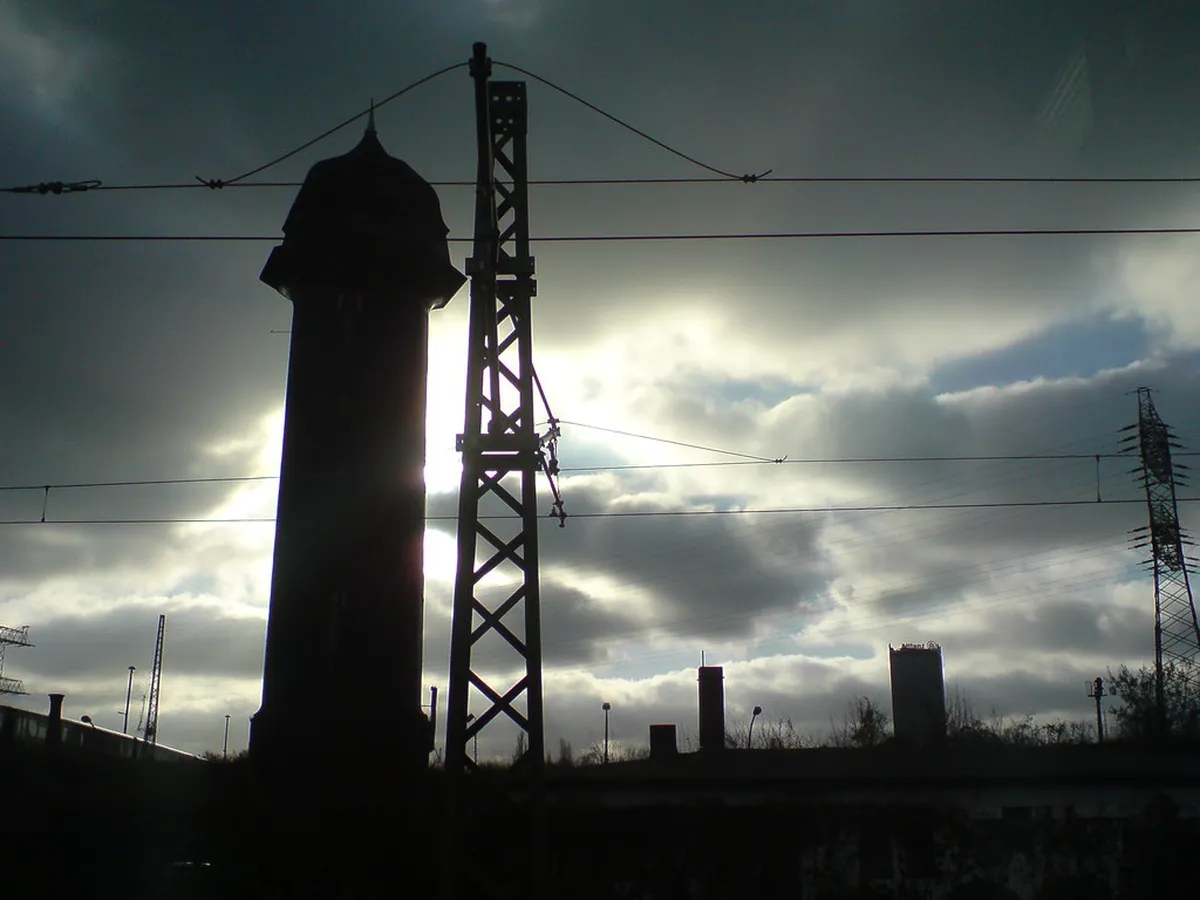
Oranienburg also contains the Sachsenhausen Concentration Camp memorial, which is free to enter and located a 15-minute walk from the station. Some visitors combine both stops — the memorial in the morning and ErlebnisCity in the afternoon — though the emotional weight of Sachsenhausen warrants careful thought before scheduling a water park immediately after. If you are travelling with kids, ErlebnisCity works well as a standalone rainy-day alternative to outdoor sightseeing.
How to get there: S1 from Friedrichstraße to Oranienburg, 45 minutes. Covered by the Deutschland Ticket or a VBB ABC zone ticket.
Biosphere Reserve Schorfheide-Chorin
Schorfheide-Chorin is a UNESCO biosphere reserve covering 1,300 square kilometres of beech forest, glacial lakes, and moorland northeast of Berlin. White-tailed eagles nest in the ancient beeches near Grimnitzsee lake — bring binoculars in spring when pairs are most visible from the shoreline trail. Hiking is free; the reserve information centre in Angermünde sells detailed trail maps for €2–4.
Chorin Monastery (Kloster Chorin) sits at the reserve's edge: a 13th-century Brick Gothic Cistercian abbey in near-complete ruin that remains one of the finest examples of the style in northern Germany. Standard admission is €7, and the grounds are open 10:00–18:00 in summer. The Chorin Musik-Sommer festival runs classical and chamber music concerts inside the abbey walls from late June through mid-August — checking the programme before your visit can turn this into an exceptional evening trip.
How to get there: RE3 from Hauptbahnhof to Chorin or Angermünde, 50 minutes. Covered by the Deutschland Ticket. From Chorin station it is a pleasant 20-minute walk through forest to the abbey.
Altstadt Spandau and the Renaissance Citadel
Spandau is technically part of Berlin but administratively and visually feels like a separate town. The Spandau Citadel (Zitadelle Spandau) is one of the best-preserved Renaissance military fortresses in Europe, built between 1559 and 1594. Entry costs €4.50, with the museum complex open 10:00–17:00 daily. The bat cellar is a genuine highlight: a controlled-access cave where you can view one of Germany's largest hibernating bat colonies through a viewing window — no appointment needed.
The Altstadt itself has a functioning medieval street grid with butcher shops, bakeries, and a Saturday market that draws local rather than tourist traffic. This makes it one of the most authentic half-day urban escapes accessible without leaving the VBB network at all.
How to get there: U7 from Berliner Straße to Rathaus Spandau, approximately 25 minutes. Within the Berlin C-zone — no additional ticket required if you have an ABC day ticket or Deutschland Ticket.
Poland Market Hohenwutzen
The Hohenwutzen market on the Polish side of the Oder river is a sprawling cross-border bazaar popular with German shoppers seeking lower-priced groceries, fresh produce, and household goods. Entry is free, but you will need cash — most vendors do not accept cards, and the shuttle bus from Bad Freienwalde costs around €3 each way and requires exact change or a small bill.
Focus your buying on practical items where the price differential is real: fresh honey from Polish beekeepers, linen tablecloths, and seasonal fruit. Avoid electronics and clothing, where quality is inconsistent and returns are impossible once you cross back into Germany. The Deutschland Ticket covers the train to Bad Freienwalde; the market itself sits across the border, so the shuttle fare is unavoidable.
How to get there: RE1 from Hauptbahnhof to Bad Freienwalde, 1 h 10 min. Covered by the Deutschland Ticket. Shuttle buses to Hohenwutzen run frequently from outside the station on market days (typically daily in summer).
Bad Muskau and Prince Pückler Park
The Muskauer Park is one of the largest English-style landscape parks in Central Europe and a UNESCO World Heritage Site since 2004. The park straddles the German-Polish border along the Neisse river — you can cross freely between the two national sections on foot bridges, which makes this genuinely a two-country excursion. Entry to the grounds is free; the Neo-Renaissance castle museum costs €8 per adult. The park is best in late spring when the rhododendron plantings are in full bloom.
A bicycle makes a significant difference here: the park covers over 800 hectares and the distance between the castle, the English cottage, and the Polish section adds up quickly on foot. Rental is available near the main car park for around €15 for a half-day. This trip demands a full day given travel time.
How to get there: RE2 from Hauptbahnhof to Cottbus (1 h 30 min, covered by Deutschland Ticket), then regional bus to Bad Muskau (1 h). Total journey approximately 2 h 30 min each way.
Green Spaces in the Southwest: Britzer Garten and Wannsee
Britzer Garten in Neukölln was created for the 1985 Federal Garden Show and has since settled into a local park with genuine character. Entry costs €3, and the windmill, lake, and rose garden are open daily from 09:00 until sunset. The tulip festival in late April draws crowds; the dahlia displays in September are equally good and far quieter. Dogs and bicycles are banned, which keeps the atmosphere calm. There is a cafe overlooking the lake, but packing a picnic is the better call.
Wannsee lake beach (Strandbad Wannsee) is Berlin's most popular sandy beach, open from May through September with entry around €5.50. The adjacent Liebermann Villa museum (€10, closed Tuesday) displays Max Liebermann's summer paintings and overlooks the same stretch of water the painter used as his subject. You can continue by public ferry F10 from Wannsee to Kladow using a standard VBB ticket — this doubles as an inexpensive boat tour without needing a separate excursion booking.
How to get there: Britzer Garten — U6 to Grenzallee, then bus. Wannsee — S7 from Alexanderplatz (30 min) or S1 from Potsdamer Platz. For other free things to do around the water, the ferry connections at Wannsee are worth exploring. Both destinations covered by standard VBB AB zone tickets.
Hiking and Nature: Pfaueninsel and Beyond
Pfaueninsel (Peacock Island) is a protected nature reserve in the Havel river, accessible only by a small ferry from Wannsee. Free-roaming peacocks and a white fairytale castle make it one of the most photogenic spots in the Berlin region. The ferry crossing costs €4 and operates from around 09:00 until 18:00 in summer. No cars and no bicycles are allowed on the island; the walking circuit takes about 90 minutes at a relaxed pace. Pack a picnic, as food options on the island are limited to a single kiosk.
For genuine hiking, the Grunewald forest on the southwest edge of the city offers 3,000 hectares of trails accessible within 30 minutes by S-Bahn. The Teufelsberg (Devil's Mountain) — a rubble hill from WWII demolition debris — rises 120 metres above the surrounding forest and is free to climb from the outside perimeter. The abandoned NSA listening station on its summit is open for guided tours on weekends at €8 per person.
How to get there: Pfaueninsel — S7 to Wannsee, then bus 218 to the ferry landing (40 min total from Alexanderplatz). Grunewald — S7 to Grunewald station (20 min). Both within the VBB AB zone.
Transport Logistics: Train vs. Car
For most day trips on this list, the regional train (RE or RB) is faster and less stressful than driving. The A10 ring road around Berlin regularly backs up during weekday commuter hours and on summer Friday afternoons. Parking in Potsdam's historic centre costs €2–3 per hour and availability is poor in peak season. Train stations in small Brandenburg towns are almost always within walking distance of the main attractions.
The Deutschland Ticket covers unlimited RE and RB travel across Germany for €49 per month. It is not valid on ICE or IC long-distance trains, which require a separate fare supplement. For Leipzig specifically, the RE option (around 2 hours) saves roughly €20–30 compared to the ICE, which is worth considering for a day trip where the travel time difference is manageable. Buy the ticket via the DB Navigator app or at any station ticket machine — subscription renews monthly and can be cancelled at any time before the 10th of the preceding month.
The VBB Bus & Bahn app is the most reliable tool for real-time platform changes in Brandenburg. Weekend track maintenance (Baustellen) frequently causes bus replacement services on RE routes, particularly on the RE1 and RE7. The app shows substitute bus stop locations, which are often not at the main station platform. For car-based trips, Elstal, Saxon Switzerland, and Schorfheide benefit most from the flexibility a vehicle provides — trailheads are sometimes 5–10 kilometres from the nearest station.
Look for the quiet carriages at the far ends of RE1 and RE2 train sets. These sections are not formally designated as "Ruhebereich" on most Brandenburg routes, but they consistently attract passengers who settle in to read or sleep. Avoiding the middle carriages near the on-board bike areas is equally effective for a more comfortable ride.
The ABC Zone Ticket: Berlin's Most Common Beginner Mistake
The single most frequent mistake first-time day-trippers from Berlin make is using a standard AB zone ticket to travel to Potsdam. Berlin's public transport divides into zones A (city centre), B (outer boroughs), and C (surrounding Brandenburg municipalities). Potsdam sits in zone C. An AB day ticket is valid only within zones A and B — stepping off the train at Potsdam Hauptbahnhof with an AB ticket puts you at risk of a €60 fine from a VBB controller, who do check regional trains regularly.
Using a Berlin AB zone ticket to travel to Potsdam (zone C) can result in a €60 fine. Controllers regularly board RE1 and S7 trains at Potsdam Hauptbahnhof. Always buy an ABC day ticket (€10.80) or use the Deutschland Ticket to cover zone C destinations — the €1 difference is much cheaper than a penalty.
The solution is simple: buy an ABC day ticket (€10.80 for one adult as of 2026) rather than the AB version (€9.80). The price difference is €1 and it unlocks Potsdam, Spandau, Oranienburg, Wannsee, Pfaueninsel, and every other C-zone destination on this list. Alternatively, the Deutschland Ticket covers the entire VBB network including zone C, so monthly subscribers have no zone boundary to worry about at all.
The same boundary applies to Brandenburg an der Havel, which requires a VBB extended zone ticket beyond C — effectively requiring a separate DB regional ticket. The Berlin public transport guide covers these zone boundaries in full, including which RE trains accept the Deutschland Ticket and where the VBB boundary ends for eastbound and southbound routes. If you are unsure at the machine, ask a DB service desk agent — they are stationed at Hauptbahnhof and Ostbahnhof and will tell you the correct ticket in under 30 seconds.
Best Time of Year for Berlin Day Trips
May through September is the strongest window for almost every destination on this list. Palace parks peak in June when roses and fountains are in full operation. Canal trips in the Spreewald are most pleasant in early June or late August, when temperatures are comfortable and summer school-holiday crowds have not yet peaked. Saxon Switzerland is best visited in May or September — summer weekends draw significant numbers from Dresden and the park's narrow gorge trails become congested.
Autumn (October and early November) suits the Schorfheide forests and the Bad Muskau gardens particularly well — the beech colours in October are exceptional and the crowds largely disappear after the school holiday period. Winter trips are viable for Spandau, Leipzig, and the Liebermann Villa, all of which have enough indoor content to justify a cold-weather visit. Ferry services to Caputh and Pfaueninsel typically suspend from November through March, so verify operating dates before planning a winter visit to either.
Christmas market season (late November through December) transforms Leipzig's city centre into one of the most atmospheric markets in eastern Germany. The TURM ErlebnisCity water park is year-round and specifically more worthwhile in the colder months when outdoor alternatives disappear. Budget travellers should note that the Deutschland Ticket is available regardless of season, making winter day trips from Berlin among the cheapest in Europe.
Frequently Asked Questions
Which day trips from Berlin are accessible by train?
Almost all major destinations, including Potsdam, Leipzig, and the Spreewald, are easily reachable via regional RE or RB trains. These departures occur frequently from Berlin Hauptbahnhof and take between 30 and 90 minutes. You can use a standard VBB ticket or the Deutschland Ticket for these routes.
Is the Deutschland Ticket valid for day trips to Poland?
The Deutschland Ticket covers regional travel up to the German border, including stations like Frankfurt (Oder) or Görlitz. For travel into Poland, such as to the Hohenwutzen market, you may need a small additional fare or a specific cross-border ticket. Always check the VBB app for the specific boundary rules.
How much time should you plan for a trip to Potsdam?
You should plan for at least 6 to 8 hours to see the main highlights of Potsdam comfortably. This allows enough time for a palace tour, a walk through the Sanssouci gardens, and a quick lunch in the Dutch Quarter. Travelers often find that a full day is necessary to avoid rushing.
Exploring the areas surrounding Berlin offers a profound look into Germany's royal past and its stunning natural landscapes. From the quiet forests of the Schorfheide to the bustling art galleries of Leipzig, there is an excursion for every interest. I encourage you to step outside the city limits and discover the diverse beauty that Brandenburg has to offer.
Planning ahead with the right transport tickets and booking palace slots early will ensure a stress-free experience. No matter which of these 18 destinations you choose, you are bound to return with a deeper appreciation for the region. Enjoy your travels through the heart of Eastern Germany and make the most of every scenic train ride.
You might also like

Continue reading
More guides you'll find useful