9 Best Areas in This Cologne Neighborhoods Guide (2026)
Discover the best areas in Cologne with our local Veedel guide. From trendy Ehrenfeld to historic Altstadt, find the perfect neighborhood for your stay.
On this page
9 Essential Sections: Cologne Neighborhoods Guide
During my fourth visit to Cologne last autumn, I finally looked past the Cathedral's shadow to find the city's real heart. Our editors have walked every district to bring you this updated cologne neighborhoods guide for your next German adventure. Last refreshed June 2026 after my most recent spring exploration of the right bank, this guide covers every essential corner.
Choosing the right base is vital because each district, or Veedel, offers a completely different atmosphere for travelers. You might prefer the historic charm of the center or the gritty, creative energy of the outlying industrial zones. Check our detailed advice on where to stay in Cologne to match your personal travel style.
Understanding Cologne’s Urban Layout and Veedel Culture
Cologne is divided by the Rhine River into the left bank and the right bank, known locally as the Schäl Sick. Most historic attractions sit on the left bank, while the right bank offers modern developments and incredible skyline views. Locals are fiercely loyal to their specific Veedel, which refers to the small neighborhood clusters that form the city.
The social life of a Veedel often revolves around the neighborhood corner pub or a traditional brewery. Sipping a small glass of beer in these spots is the best way to observe authentic local interactions and traditions. Read our cologne brewhouses and kolsch beer guide to understand this unique drinking etiquette before you go.
Understanding the urban layout helps you plan efficient days without spending too much time on public transit. Most visitors find that three distinct areas are enough to capture the full spectrum of Cologne's diverse personality. Focus on the inner rings for shopping and history, then head outward for the best dining and nightlife scenes.
9 Essential Neighborhoods in Cologne to Explore
This list highlights nine distinct districts that showcase the best of the city's history, creativity, and local lifestyle. I have grouped these into three clusters: the Historic Center, the Trendy West, and the Authentic North and South. Each area is easily reachable via the KVB tram network within fifteen to twenty minutes from the central station.
Exploring these Veedels allows you to escape the heavy crowds that often congest the area immediately surrounding the Cathedral. You will find better prices and more interesting independent shops once you step two or three stops away from the center. Prepare for plenty of walking as many of these districts feature beautiful pedestrian zones and hidden green courtyards.
The following selections represent the most vibrant parts of the city for 2026 based on recent cultural shifts. From the mural-covered walls of the west to the riverside parks of the east, there is a Veedel for everyone. Keep an eye out for local weekly markets which often serve as the beating heart of these community spaces.
- Altstadt-Nord: The Historic Soul and Cathedral District
- Altstadt serves as the historic soul of the city where the Cathedral dominates the skyline.
- Most visitors spend half a day wandering the cobblestone alleys and riverside promenades.
- Access is free though museum entry varies from $8 to $15 per person.
- Visit the cologne old town guide for more details on these things to do in Cologne.
- Check Google Search: Altstadt Cologne for the latest event schedules in the old town squares.
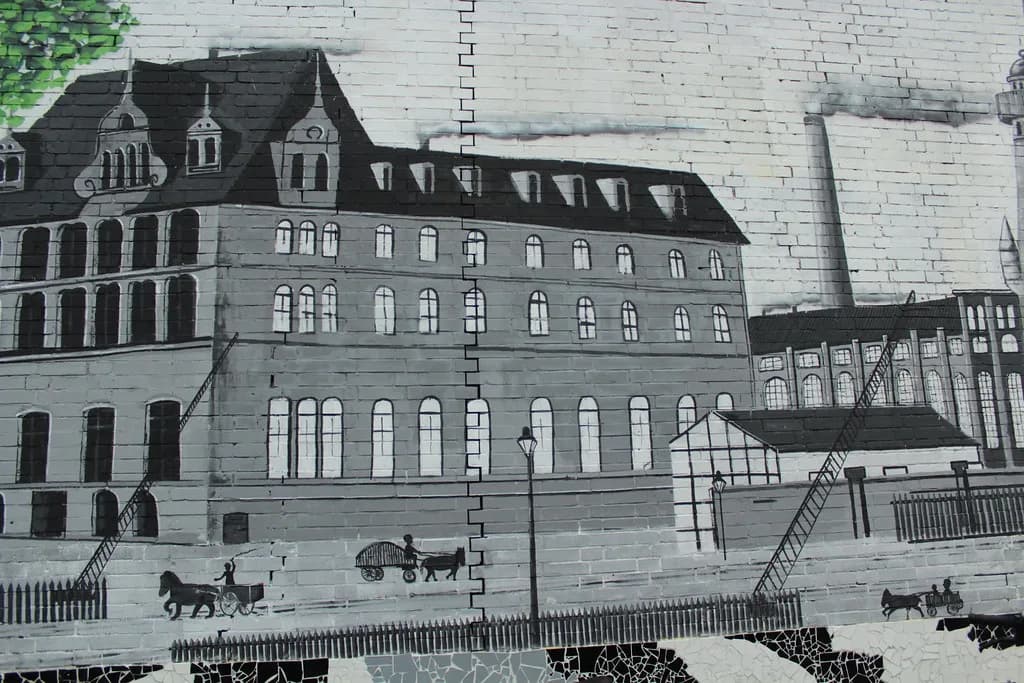
- Ehrenfeld: The Creative Hub and Street Art Capital
- Ehrenfeld is the undisputed center for street art, independent coffee shops, and multicultural dining.
- This former industrial zone now hosts the city's best clubs and alternative gallery spaces.
- Exploring the murals is free and most cafes operate daily from 9am to 6pm.
- Look for the Helios Lighthouse which remains a quirky landmark in this bustling neighborhood.
- Browse Google Search: Ehrenfeld Cologne to find current street art tour times.
- Belgisches Viertel: Trendy Nightlife and Designer Boutiques
- The Belgian Quarter attracts a stylish crowd with its high-end boutiques and popular cocktail bars.
- Streets named after Belgian cities intersect at Brüsseler Platz, the neighborhood's favorite outdoor meeting spot.
- Window shopping is free while designer items carry premium prices at local independent stores.
- Most bars stay open until 2am on weekends for a lively night out.
- Grab a beer from a local kiosk and join the locals sitting on the church steps at sunset.
- Südstadt: Traditional Vibe and Expansive Green Spaces
- Südstadt offers a perfect mix of traditional Cologne life and beautiful parks like Volksgarten.
- Families and long-term residents love this area for its relaxed pace and historic architecture.
- Public parks are free to enter and the local breweries serve lunch from 12pm daily.
- Walk through the Severinstorburg gate to experience a piece of the city's medieval history.
- Try the local specialty dishes at a brewery here for a more authentic experience than the center.
- Nippes: Authentic Markets and Local Community Feel
- Nippes feels like a self-contained village with its own daily market and bustling high street.
- It remains less touristy than other districts while offering fantastic value for food and shopping.
- The Wilhelmplatz market runs Monday through Saturday from 7am until 1pm for fresh local produce.
- Budget travelers will find many affordable bakeries and small eateries along Neusser Straße.
- Visit on a Saturday morning to see the neighborhood at its most energetic and colorful.
- Agnesviertel: Elegant Streets and Quiet Residential Charm
- Agnesviertel is known for its grand Neo-Gothic church and leafy, upscale residential boulevards.
- It provides a peaceful retreat for those who want to stay close to the center without the noise.
- The stunning St. Agnes church is free to visit during daylight hours outside of service times.
- Several cozy wine bars and bistros line the side streets for a quiet evening meal.
- Walk toward the Ebertplatz to see how the neighborhood transitions into the more modern city ring.
- Sülz and Klettenberg: Green and Serene Family Districts
- These twin neighborhoods are favorites for students and families due to their proximity to the university.
- The area features wide streets and easy access to the sprawling Beethoven Park green space.
- Exploring the parks is free and local cafes are generally open from 8am to 7pm.
- This district offers a glimpse into the everyday life of Cologne's middle class and academic community.
- Take the tram line 18 for a scenic ride through the heart of these leafy districts.
- Deutz: Right Bank Views and Modern Skyline
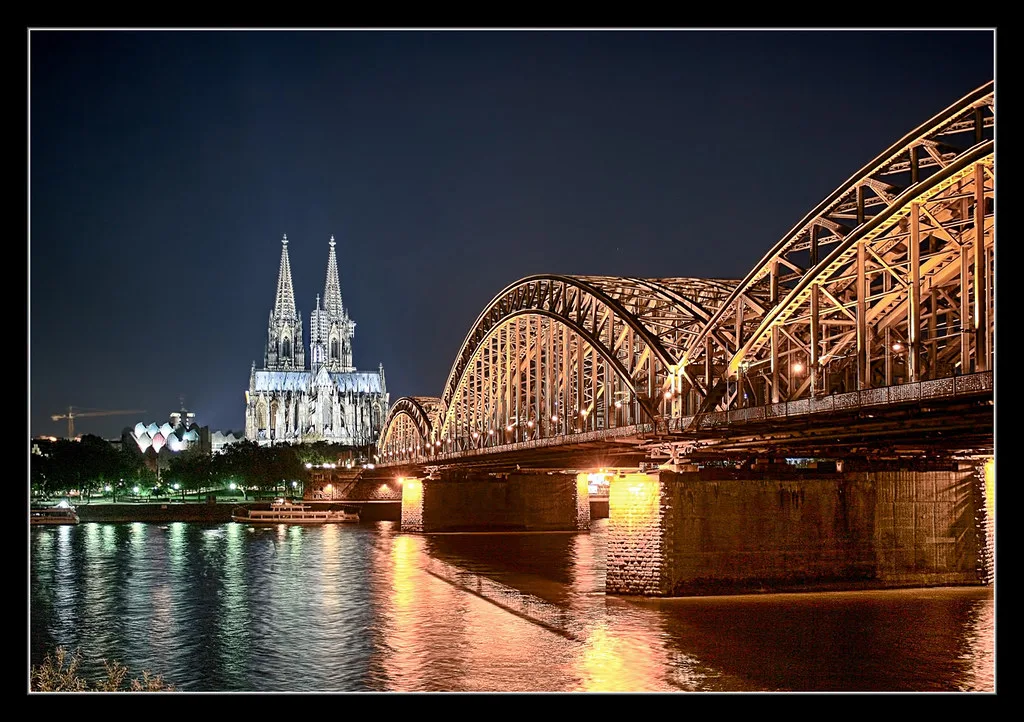
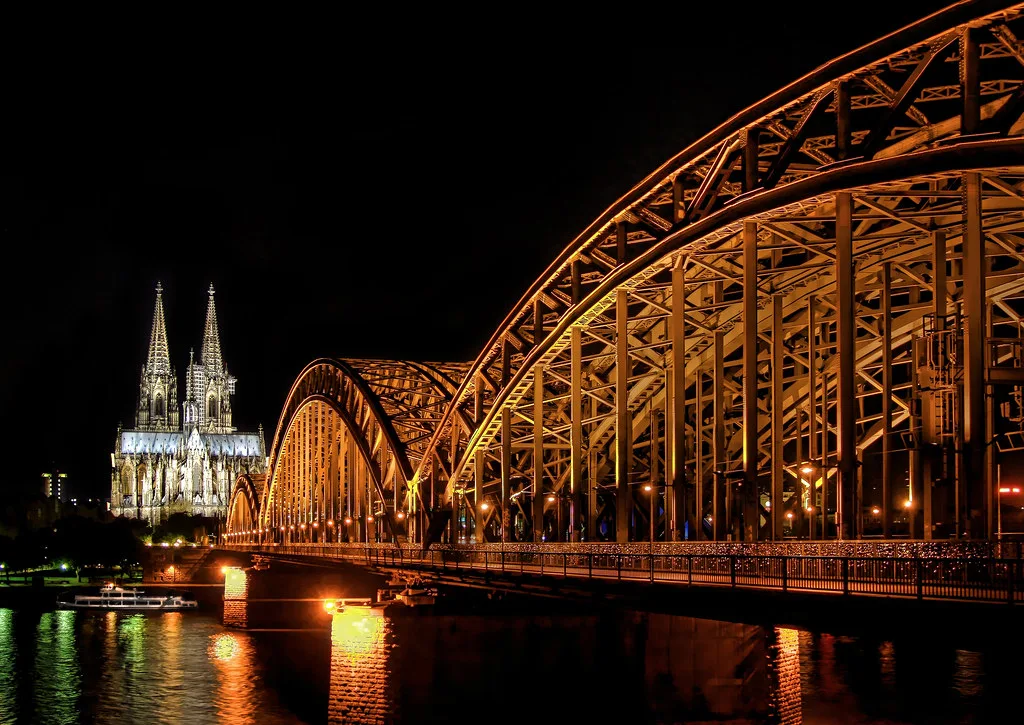
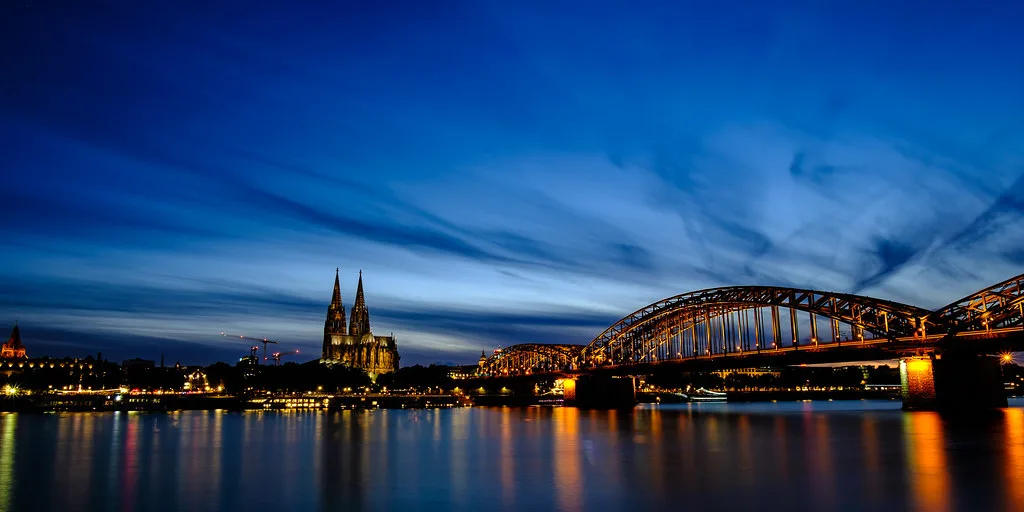
- Deutz sits directly across the river and provides the famous postcard view of the Cathedral.
- The riverside Rheinboulevard is the best place in the city to watch the sun set over the water.
- Entry to the KölnTriangle observation deck costs approximately $5 per adult for panoramic views.
- The deck is open daily from 11am to 8pm during the summer season.
- Check Google Search: Deutz Cologne for trade fair schedules as this area gets busy during conventions.
- Mülheim: Multicultural Energy and Industrial Heritage
- Mülheim is an emerging area on the right bank known for its diverse culinary scene and industrial venues.
- Keupstraße is famous throughout Germany for its incredible Turkish restaurants and jewelry shops.
- Dining costs are very reasonable with hearty meals typically ranging from $10 to $20.
- Discover hidden gems in Cologne by exploring the old brick factories now used as concert halls.
- Visit during the afternoon to enjoy the best selection of fresh baklava and traditional teas.
| Veedel | Best for | Bank |
|---|---|---|
| Altstadt-Nord | History & the Cathedral district | Left |
| Ehrenfeld | Street art, clubs & coffee | Left |
| Belgisches Viertel | Nightlife & designer boutiques | Left |
| Südstadt | Traditional life & green spaces | Left |
| Nippes | Local markets & budget food | Left |
| Agnesviertel | Quiet, elegant residential charm | Left |
| Sülz & Klettenberg | Students, families & parks | Left |
| Deutz | Skyline views & the Rheinboulevard | Right |
| Mülheim | Multicultural dining & industrial venues | Right |
Navigating Cologne’s Public Transport Network
The KVB transport system is the most efficient way to hop between the neighborhoods listed above. Trams and buses run frequently, with most major lines operating every ten minutes during the day. Consult our getting around cologne transport and kolncard guide for a full breakdown of ticket types.
Buying a KölnCard is often the smartest move for visitors planning to see multiple districts in one day. This pass provides unlimited travel and significant discounts at many museums and local attractions. Standard single tickets cost around $3.50, so the card pays for itself after just a few trips.
Single KVB tickets run about $3.50 each, so if you plan to hop between several Veedels in a day, a KölnCard usually pays for itself after just a few rides and adds museum discounts on top.
Walking remains a viable option within the inner city rings if you have comfortable shoes. Bicycle rentals are also widely available and the city has improved its bike lanes significantly in recent years. Be mindful of the tram tracks when cycling to avoid getting your wheels caught in the grooves.
What to Skip: Overrated Cologne Spots
The Hohenzollern Bridge is famous for its love locks, but it has become incredibly congested and difficult to navigate. While the view is iconic, the narrow walkways make it stressful to stop for photos during peak hours. I recommend walking across the Deutzer Brücke instead for a much better view of the entire skyline.
Dining directly on the Alter Markt or Heumarkt often results in higher prices and lower food quality. These squares are beautiful to look at, but the restaurants there cater primarily to large tour groups. Walk just five minutes into the side streets to find smaller pubs with more authentic atmosphere and better value.
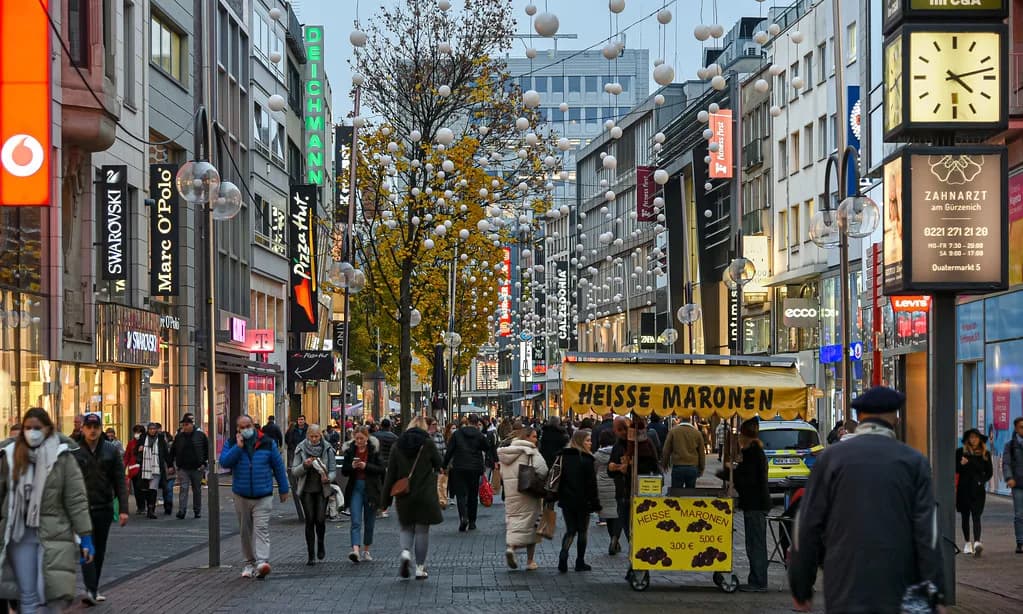
The main shopping street, Schildergasse, is one of the busiest in Europe and can feel overwhelming on Saturdays. If you dislike heavy crowds, avoid this area between 11am and 5pm on the weekend. Explore the boutiques in the Belgian Quarter for a more relaxed and unique shopping experience.
Schildergasse is one of Europe's busiest shopping streets — if you dislike crowds, steer clear between 11am and 5pm on weekends and head to the Belgian Quarter instead.
Is Cologne Worth Visiting for a Weekend?
Cologne is a fantastic weekend destination because its compact size allows you to see several Veedels quickly. Two full days give you enough time for the Cathedral, two museums, and plenty of neighborhood wandering. The city truly shines during the festive season or the chaotic energy of the spring carnival.
Timing your visit is important as the city's mood changes drastically with the weather and local festivals. Check our guide on the best time to visit Cologne to avoid unexpected closures or massive hotel price hikes. Late spring and early autumn offer the best balance of pleasant weather and manageable tourist numbers.
Ultimately, the warmth of the local people and the casual brewery culture make it a very welcoming place. It may not have the grandeur of Berlin, but its neighborhood charm is unmatched in western Germany. I highly recommend it for anyone seeking a mix of history, art, and a great beer scene.
Frequently Asked Questions
Which Cologne neighborhoods fit first-time visitors?
First-time visitors should stay in Altstadt-Nord or the Belgian Quarter for easy access to sights. These areas offer the best mix of history, dining, and transport links. You can reach the Cathedral on foot from most hotels in these districts.
Is the right bank of Cologne (Deutz) worth staying in?
Deutz is definitely worth staying in for its spectacular views of the Cathedral across the river. It is often quieter and more affordable than the left bank. You can cross the bridge to the center in just ten minutes.
How much time should you plan for exploring different Veedels?
Plan for at least two to three days to explore three or four different neighborhoods properly. This allows you to visit a museum in the morning and wander a new district in the afternoon. It prevents you from feeling rushed during your trip.
Exploring Cologne through its diverse Veedels reveals a city that is far more than just its famous Cathedral. From the street art of Ehrenfeld to the riverside charm of Deutz, each area contributes to the city's unique spirit. I hope this cologne neighborhoods guide helps you find the perfect corner of the city for your 2026 visit.
Pack comfortable walking shoes and keep an open mind as you cross the Rhine between the left and right banks. Whether you are here for the history or the nightlife, Cologne's neighborhoods will surely leave a lasting impression. Enjoy your time in one of Germany's most friendly and culturally rich urban centers.
You might also like

Continue reading
More guides you'll find useful