Getting Around Cologne: Transport and KölnCard Guide
Master Cologne's public transport with our 2026 guide. Learn about KVB tickets, the KölnCard's value, airport transfers, and local bike sharing for a seamless trip.
On this page
Getting Around Cologne: Transport and KölnCard Guide
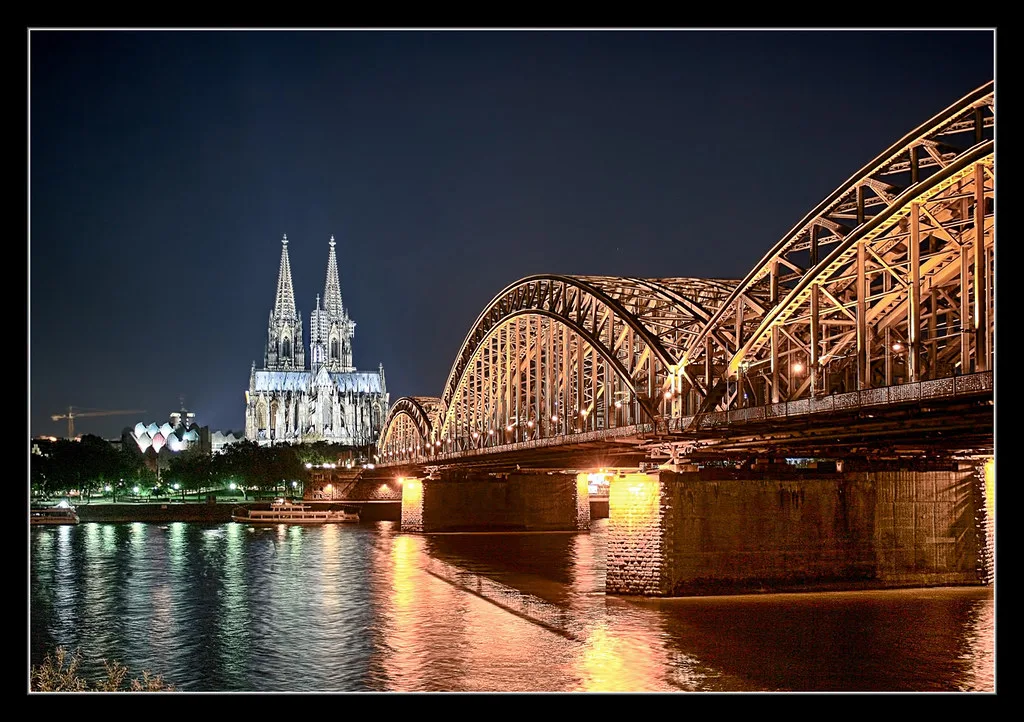
Cologne is a vibrant city where history and modern life blend seamlessly along the Rhine River. Navigating this German hub is remarkably easy thanks to a highly integrated public transport system. Most visitors arrive and immediately notice how well the city connects its famous landmarks.
Understanding the local network helps you save time and money during your stay. Whether you are heading to the cathedral or exploring trendy neighborhoods, the right pass makes a difference. Many travelers find that how to get to Cologne from the airport is their first major transport question.
This guide covers everything from tram schedules to the benefits of the local visitor card. You will learn the best ways to move through the city efficiently in 2026. Prepare for a smooth journey as we break down the local KVB network and ticket options.
Public Transport in Cologne
Cologne's extensive public transport network is managed by the Kölner Verkehrs-Betriebe, commonly known as the KVB. This system includes a mix of light rail, buses, and regional trains that cover every corner of the city. Most residents rely on these services daily because they are frequent and punctual.
The city belongs to the larger KVB - Cologne Public Transport Official Site network, which simplifies travel across the region. You can use a single ticket to transfer between different modes of transport within specific zones. Exploring things to do in Cologne becomes much easier when you master these connections.
Central Station serves as the primary hub for both local and national rail services. From here, you can reach the most popular tourist districts within minutes. The network operates late into the night, ensuring you can enjoy the city's famous hospitality without worry.
Visitors often appreciate the high frequency of departures during peak hours. Most lines run every five to ten minutes in the city center. This reliability allows for a flexible itinerary where you rarely have to wait long at a station.
Navigating Cologne: Trams, Buses, U-Bahn & S-Bahn
Cologne uses a hybrid system called the Stadtbahn, which functions as both a tram and a subway. In the city center, these trains often run underground like a traditional U-Bahn. Once they move toward the outer districts, they transition to street-level tracks.
Regional S-Bahn trains are managed by the Deutsche Bahn - National Railway and serve longer distances. These lines are perfect for reaching suburban areas or neighboring cities quickly. Choosing where to stay in Cologne best neighborhoods often depends on proximity to these vital rail links.
Local neighborhoods, known as Veedel, each have their own distinct character and transport quirks. For example, Line 1 is the main artery for reaching the trendy district of Ehrenfeld. Buses complement the rail lines by serving smaller streets and residential pockets where tracks do not reach.
Signs at every station clearly display the destination and estimated arrival time. Digital displays are common and provide real-time updates on any potential delays. Always check the direction of the train before boarding to ensure you are heading toward the correct Veedel.
Buying Tickets and Passes for KVB in Cologne
Purchasing tickets in Cologne requires some planning due to specific payment rules. Most ticket machines at tram stops only accept coins or German debit cards. International travelers often find that their credit cards are rejected by these older machines.
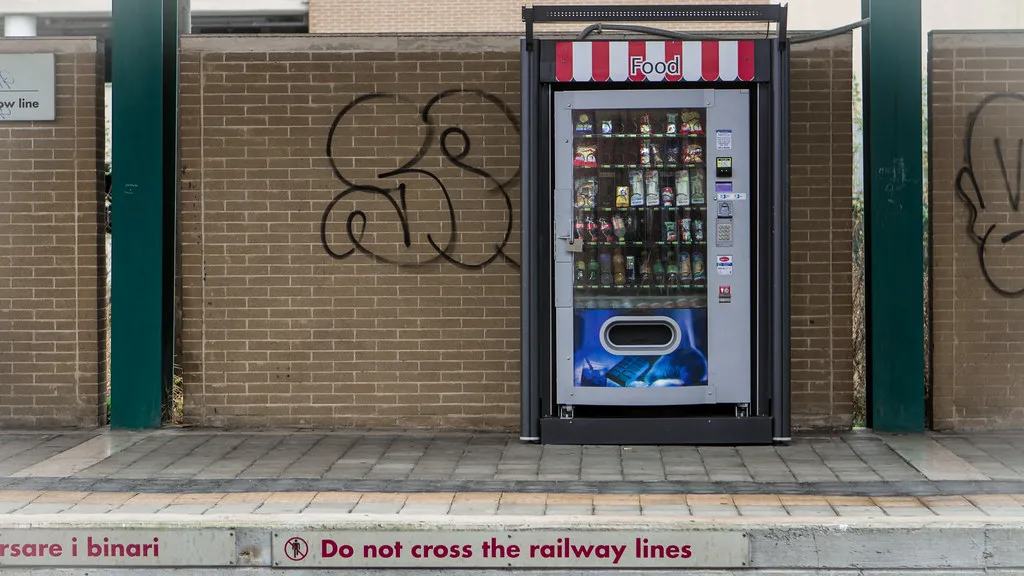
Banknotes are rarely accepted by station kiosks, so carrying spare change is a smart move. A better alternative is using the KVB app or the DB Navigator on your smartphone. These digital platforms allow for instant ticket activation using PayPal or credit cards. Before visiting the spire, read our Cologne Cathedral visiting guide for more logistics.
You must validate paper tickets before your journey begins to avoid heavy fines. Validation machines are usually located on the platforms or inside the buses and trams. Digital tickets purchased via mobile apps are validated automatically at the time of purchase.
Most ticket machines at tram stops only accept coins or German debit cards, and international credit cards are often rejected. Carry spare change or buy through the KVB app or DB Navigator to pay with a credit card or PayPal.
Short-trip tickets are available for journeys spanning only a few stops. For longer days of sightseeing, a 24-hour day ticket offers much better value. These passes allow for unlimited travel within the selected city zones until the following morning.
The KölnCard: Transport and Attraction Guide
The KölnCard is a dedicated visitor pass designed to make sightseeing more affordable. It provides free unlimited travel on all public transport within the Cologne city area. This includes trams, buses, and regional trains like the S-Bahn.
Beyond transport, the card offers significant discounts at many popular museums and tours. You can save up to 50% on entry fees at the famous Chocolate Museum Cologne guide location. Many local restaurants and shops also provide small perks for cardholders.
Cards are available for either 24 or 48 hours to suit different trip lengths. You can purchase an individual card or a group version for up to five people. The group card often pays for itself after just a few short trips and museum visits.
This pass is particularly useful for those planning a dense itinerary with multiple stops. It removes the stress of buying individual tickets for every single journey. Simply carry the card with you and show it if a ticket inspector asks for proof.
- Individual 24-Hour KölnCard
- Cost: 9.00 Euros
- Validity: 24 hours
- Transport: All KVB lines
- Discounts: Museums and tours
- Group 24-Hour KölnCard
- Cost: 19.00 Euros
- Validity: 24 hours
- Capacity: Up to 5 people
- Benefit: Huge group savings
- Individual 48-Hour KölnCard
- Cost: 18.00 Euros
- Validity: 48 hours
- Transport: Full city zone
- Usage: Ideal for weekends
| KölnCard option | Cost | Validity | Best for |
|---|---|---|---|
| Individual 24-Hour | 9.00 Euros | 24 hours | Solo traveler, single day |
| Group 24-Hour | 19.00 Euros | 24 hours | Up to 5 people |
| Individual 48-Hour | 18.00 Euros | 48 hours | Solo traveler, weekend |
Alternative Public Transport: Bike Rental
Cologne is a very bike-friendly city with flat terrain and many dedicated cycling paths. The KVB Bike Rental - Official Sharing System is the most convenient option for short rides. You can find these red and white bikes parked throughout the city center.
Renting a bike is simple through the KVB next app on your phone. The first 30 minutes are often free for those with certain public transport subscriptions. Otherwise, the rates are very affordable for a quick trip across the Rhine.
The first 30 minutes on a KVB rental bike are often free if you hold certain public transport subscriptions, making it a cheap option for short hops across the Rhine. Rent and unlock the red-and-white bikes through the KVB next app.
For a more traditional rental experience, visit the Radstation Köln - Bike Rental at Central Station. They offer a variety of bicycles including e-bikes and touring models for longer excursions. This station also provides secure parking for your own bicycle if needed.
Cycling allows you to see the city from a different perspective at your own pace. Many residents prefer biking to the tram for reaching the local parks or riverbanks. Always remember to use the designated bike lanes and follow local traffic signals.
Taxis, Ride-Sharing, and Local Travel Tips
Taxis are widely available in Cologne but are generally the most expensive way to travel. You can find taxi ranks at the central station, major hotels, and busy squares. For a more modern experience, the FreeNow app is the local favorite for booking rides.
Uber also operates in the city, providing a familiar interface for international visitors. However, ride-sharing is often slower than the tram during rush hour due to heavy traffic. Exploring the Cologne neighborhoods guide helps you decide when a car is truly necessary.
Renting a car is typically discouraged for those staying in the city center. Parking is notoriously difficult to find and can be very expensive in the Old Town. Most attractions are within walking distance or a short tram ride from each other.
Night buses take over the main routes once the regular tram service ends for the day. These lines ensure that you can return to your accommodation safely after enjoying the nightlife. Check the schedules on the KVB app to find the nearest night stop.
Frequently Asked Questions
Is the KölnCard worth it for 24 hours?
The KölnCard is excellent value if you plan to visit at least two museums and use the tram three times. It costs around 9 Euros and covers all transport. You also get significant discounts at top sites like the Chocolate Museum. One internal link: things to do in Cologne.
How do I pay for the tram in Cologne without coins?
You should download the KVB app or the DB Navigator app to pay with a credit card or PayPal. Most physical ticket machines at stations only accept coins or local debit cards. Digital tickets are more convenient and prevent issues with machine malfunctions.
Does the KölnCard cover transport to Cologne Bonn Airport?
Yes, the KölnCard covers travel to the airport as it sits within the city transport zone. You can use the S-Bahn Line 13 or regional trains to reach the terminal. This makes the card a very practical choice for your arrival or departure day.
What is the difference between the U-Bahn and S-Bahn in Cologne?
The U-Bahn is a local light rail system that stays mostly within the city limits and runs underground in the center. The S-Bahn is a regional train network that connects Cologne to nearby towns and the airport. Both systems use the same ticketing structure within the city.
Cologne offers one of the most reliable and user-friendly transport systems in Germany. From the hybrid Stadtbahn to the convenient KVB-Rad bikes, getting around is a breeze for every traveler. Using a Cologne weekend itinerary can help you maximize your time with these transport links.
The KölnCard remains the top choice for visitors wanting to combine transport with sightseeing discounts. Remember to download the local apps to avoid any issues with ticket machine payments. Enjoy your time exploring the beautiful streets and historic landmarks of this Rhine metropolis.
You might also like

Continue reading
More guides you'll find useful