Frankfurt Neighborhoods Guide: 15 Essential Areas (2026)
Discover the best areas to live and stay with our Frankfurt neighborhoods guide. Compare costs, vibes, and local secrets for Westend, Nordend, and more.
On this page
15 Essential Frankfurt Neighborhoods: The Ultimate Guide
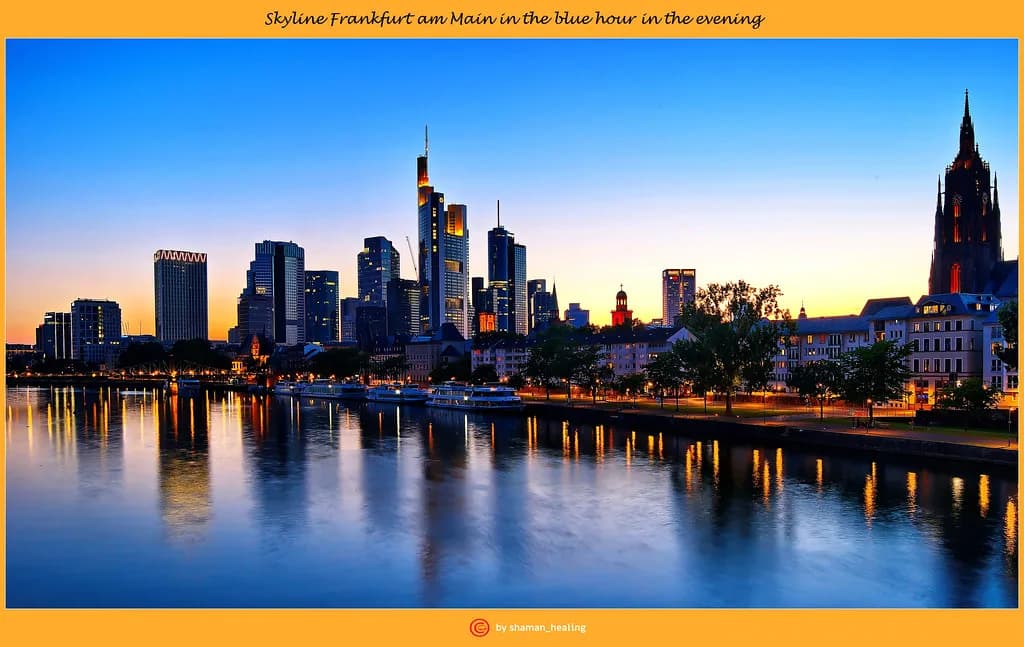
I have spent years navigating the U-Bahn lines of Frankfurt am Main to find its hidden corners. While many call it 'Mainhattan' due to the skyscrapers, locals know it is actually a global village. You can cross the entire central city by bicycle in less than thirty minutes. This proximity makes choosing the right district more about the specific 'vibe' than just the distance.
Last refreshed in January 2026, this guide reflects the latest shifts in rent and local culture. Finding a home here requires understanding the unique personality of each 'Viertel' or quarter. The market remains competitive, but knowing where to look gives you a significant advantage. We have curated this list to help you find the perfect match for your lifestyle.
Quick Facts: Frankfurt at a Glance
Frankfurt is a surprisingly compact city despite its status as a global financial powerhouse. Most residents rely on the efficient public transport guide to navigate the inner districts. The S-Bahn and U-Bahn lines converge at Hauptwache and Konstablerwache in the city center. This central hub connects the upscale residential north to the industrial-chic east.

The Main River acts as a natural divider between the historic center and the museum district. According to the Visit Frankfurt — Official Neighborhood Overviews, the city is split into 46 official districts. Most expats focus on the ten most central areas for ease of social integration. Living near a Green Belt park is a priority for many local families.
Commute times are significantly shorter here than in London or New York City. A twenty-minute train ride can take you from the quiet suburbs to the financial heart. Understanding the U-Bahn map is essential before signing any long-term rental contract. Many neighborhoods offer a self-contained village feel with their own weekly markets.
15 Essential Frankfurt Neighborhoods for Every Lifestyle
We have categorized these areas into three main clusters: Iconic Landmarks, Hidden Gems, and Food & Markets. The first group includes the wealthy Westend and the bustling Sachsenhausen museum district. Next, we explore creative pockets like the Brückenviertel and the industrial-chic Ostend. Finally, we look at student-friendly Bockenheim and the modern developments in Gallus.
Each neighborhood has its own 'Stammkneipe' or local tavern where neighbors gather. Prices for rent vary wildly even within a single street depending on the building's age. Altbau buildings with high ceilings are the most sought-after properties in the city. Check the official city portals for the most current 'Mietspiegel' or rent index.
The following list provides a comprehensive where to stay in Frankfurt breakdown for all budgets. We have included typical rent ranges and peak activity hours for each specific area. Remember that most shops close on Sundays, so neighborhood life often centers on parks. Use these profiles to narrow down your search before booking any viewings.
| Neighborhood | Typical 1-bedroom rent / month | Best for |
|---|---|---|
| Westend-Süd | €1,400–€2,800 | Prestige, financial district |
| Sachsenhausen-Süd | €900–€1,500 | Quiet streets, forest access |
| Bockenheim | €850–€1,500 | Students, multicultural value |
| Ostend | €1,300–€2,400 | Industrial-chic lofts |
| Höchst | €750–€1,300 | Budget, historic old town |
- Westend-Süd: The Prestigious Heart of the Financial District
- This district is the most exclusive area in Frankfurt, featuring stunning 19th-century villas and quiet, leafy streets.
- Expect to pay €1,400–€2,800 monthly for a one-bedroom apartment in this high-demand residential zone.
- Most local shops operate from 10am to 7pm, while the nearby Grüneburgpark remains open around the clock.
- Walk toward the Alte Oper at sunset to see the skyline glow behind the historic architecture.
- Westend-Nord: Academic Atmosphere and Lush Botanical Gardens
- Home to the Goethe University — Westend Campus History, this area blends student life with wealthy residential blocks.
- Monthly rents typically range from €1,100 to €2,200 depending on the proximity to the university campus.
- The Palmengarten botanical gardens are a major draw, opening daily from 9am to 6pm for visitors.
- Visit the campus library for a quiet place to work with excellent views of the city skyline.
- Nordend-West: Trendy Cafes and Young Professional Families
- Nordend-West is the most densely populated district, known for its vibrant cafe culture and organic supermarkets.
- A standard one-bedroom flat here costs between €1,200 and €1,900 per month on average.
- Cafes are busiest on Saturday mornings when locals gather for long brunches before visiting the weekly markets.
- Look for small wine bars tucked into the side streets for a truly local evening experience.
- Nordend-Ost: Bohemian Vibes and the Friedberger Platz
- This area is famous for its Friday evening wine market at Friedberger Platz, where thousands gather to socialize.
- Rental prices are slightly more accessible than the west side, ranging from €1,000 to €1,700 monthly.
- The market starts around 4pm every Friday and is a staple of the local social calendar.
- Arrive early if you want to snag a spot near the wine stands before the crowds arrive.
- Bornheim: The Charming Village with a Greenwich Vibe
- Bornheim feels like a self-contained town with its half-timbered houses and the bustling Berger Strasse shopping mile.
- Renters can expect to pay €950–€1,600 per month for well-maintained apartments near the U4 line.
- The local weekly market on Wednesdays and Saturdays is a must-visit for fresh regional produce.
- Try the traditional apple wine at Solzer, one of the oldest taverns in the entire district.
- Sachsenhausen-Nord: Museum Embankment and Lively Nightlife
- Located south of the river, this area hosts the world-class Museumsufer and the historic apple wine district.
- Apartments here range from €1,100 to €2,000, with higher prices for those with river views.
- Museums typically open from 10am to 6pm, while the taverns in Alt-Sachs stay open until late.
- Avoid the main tourist drag of Klappergasse if you want a more authentic dining experience.
- Sachsenhausen-Süd: Quiet Residential Streets and Forest Access
- This southern pocket is perfect for those who want easy access to the vast Frankfurt City Forest.
- One-bedroom rents are often more stable here, averaging between €900 and €1,500 per month.
- The forest trails are open 24/7 and are popular with morning runners and weekend hikers.
- Check out the Goetheturm for a panoramic view of the city from the edge of the woods.
- Brückenviertel: The Creative Designer Pocket of Sachsenhausen
- This small neighborhood is packed with independent fashion designers, craft stores, and specialty coffee shops.
- Rents are rising due to popularity, currently sitting between €1,200 and €1,800 for central units.
- Shops in this creative hub usually open later in the morning, around 11am or 12pm.
- Visit 'Bizzcut' for unique Frankfurt-themed apparel that you won't find in the larger malls.
- Bockenheim: Student Diversity and Cultural Landmarks
- Bockenheim offers a diverse, multicultural atmosphere with plenty of affordable eateries and the iconic Bockenheimer Warte.
- It is a popular spot for students, with rents ranging from €850 to €1,500 per month.
- The Leipziger Strasse shopping street is active from 9am to 8pm most weekdays.
- Eat at one of the many Middle Eastern restaurants for the best value meals in the city.
- Ostend: Industrial-Chic and the European Central Bank
- Dominated by the European Central Bank — Ostend Location, this area has transformed from industrial docks to trendy lofts.
- Modern apartments can be expensive, with monthly costs between €1,300 and €2,400 for new builds.
- The nearby Frankfurt Zoo — Bornheim/Ostend Border is open daily from 9am to 5pm.
- Walk along the Weseler Werft at night to see the illuminated skyline reflected in the water.
- Bahnhofsviertel: Gritty, Trendy, and Centrally Located
- This district near the main station is a mix of the red-light district and the city's best international food scene.
- Rents are surprisingly high for the central location, ranging from €1,000 to €1,800 monthly.
- The area is most vibrant at night when the bars and restaurants are packed with commuters.
- Stay on the main Kaiserstrasse to enjoy the architecture while avoiding the grittier side streets.
- Gallus: The Up-and-Coming Creative Hub
- Formerly a working-class industrial zone, Gallus is now home to many media agencies and modern housing projects.
- Expect to find one-bedroom apartments for €1,100–€1,700 in the renovated warehouse buildings.
- The Adlerwerke cultural center hosts various events and theater performances throughout the week.
- Check out the local bakeries on Mainzer Landstrasse for traditional German breads at lower prices.
- Europaviertel: Modern Business and New Infrastructure
- This is Frankfurt's newest district, characterized by high-rise glass buildings and very modern apartment blocks.
- Rents are premium for the new construction, typically between €1,400 and €2,200 per month.
- The Skyline Plaza shopping mall is the heart of the district, open 10am to 8pm daily.
- This area is best for those who want a turnkey apartment with no maintenance issues.
- Höchst: Historic Old Town and Industrial Heritage
- Located further west, Höchst boasts a beautiful historic center with half-timbered houses and a castle.
- Rents are significantly cheaper here, often ranging from €750 to €1,300 for a one-bedroom.
- The Höchster Schloss is open for tours and the surrounding park is perfect for quiet walks.
- Take the S-Bahn line S1 or S2 for a quick fifteen-minute commute into the city center.
- Riedberg: The Modern Family Suburb on the Hill
- Riedberg is a newly developed university and residential district popular with young families and scientists.
- Monthly rents for modern flats average between €1,200 and €1,800 with plenty of green space.
- The U8 and U9 lines provide a direct connection to the city center in about twenty minutes.
- Visit the Kätcheslachpark for excellent views of the skyline from a distance.
Common Mistakes to Avoid When Choosing a Neighborhood
Many newcomers make the mistake of prioritizing prestige over their daily commute requirements. Living in Westend sounds impressive, but if your office is in the Ostend, you may face unnecessary transfers. Check the areas to avoid guide to understand the nuances of the central station district. Safety is generally high, but some streets are significantly noisier than others at night.

Another frequent error is underestimating the importance of the 'Anmeldung' or city registration process. You cannot open a bank account or get health insurance without this official document. Ensure your landlord provides a 'Wohnungsgeberbestätigung' before you agree to move into a sub-let. Some neighborhoods have much shorter wait times at the local 'Bürgeramt' than others.
You cannot open a bank account or get health insurance without completing the Anmeldung (city registration), which requires a 'Wohnungsgeberbestätigung' from your landlord. Get this document confirmed before agreeing to move in.
Ignoring the flight path of the Frankfurt Airport is a mistake that can lead to sleepless nights. Districts like Lerchesberg or parts of Sachsenhausen can experience significant aircraft noise during peak hours. Visit a potential apartment during different times of the day to check the sound levels. Modern windows help, but you may want to keep them open during the warm summer months.
Districts like Lerchesberg and parts of Sachsenhausen sit under the Frankfurt Airport flight path and can experience significant aircraft noise at peak hours. View any apartment at different times of day to check sound levels.
Cost of Real Estate in Frankfurt Neighborhoods
The cost of real estate in Frankfurt neighborhoods has risen steadily over the last decade. Average rents in the city center now hover around €16 to €22 per square meter. New developments in the Europaviertel often command even higher prices due to their energy efficiency. You can find more data on current market trends at Germany Wander.
Comparing Frankfurt to New York and London reveals a much more affordable living standard here. While a central flat in London might cost €3,000, a similar space in Nordend is often half that. The 'village' scale of the city also means you spend less on transport and long-distance commutes. Dining out and local services also tend to be more reasonably priced than in global megacities.
Micro-neighborhood fluctuations can save you hundreds of euros every month if you look carefully. Moving just two blocks away from a major U-Bahn station can lower your rent significantly. Older buildings without elevators are often cheaper but come with higher heating costs in winter. Always factor in 'Nebenkosten' or utility charges, which can add €200–€400 to your monthly bill.
What to Skip: Overrated Areas in Frankfurt
The Europaviertel is often marketed as the future of Frankfurt, but it can feel quite sterile. It lacks the historic soul and independent shops found in older districts like Bornheim. The wind-tunnel effect between the high-rise buildings makes the streets feel cold even in spring. If you want a neighborhood with character and history, this modern development might under-deliver.
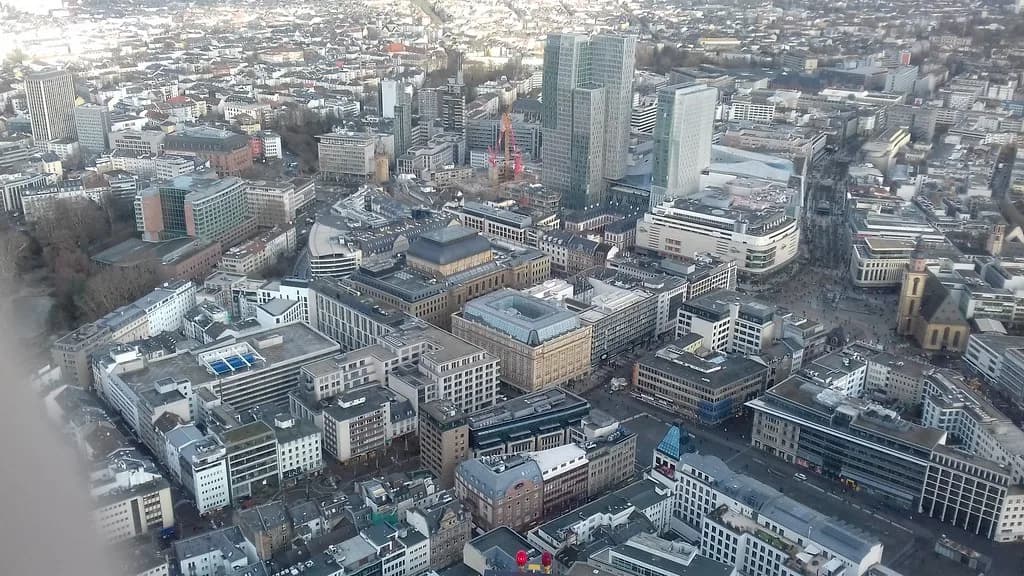
The central Zeil shopping area is another spot that can be underwhelming for long-term residents. It is extremely crowded on weekends and consists mostly of global chain stores found anywhere else. The noise and lack of green space make it a difficult place for a peaceful residential life. Most locals prefer the smaller boutiques found in the safe and trendy side streets of Nordend.
While Alt-Sachsenhausen is famous, the main tourist streets can be loud and messy on weekends. The 'Party Mile' often attracts rowdy crowds that detract from the charm of the historic taverns. For a better experience, walk a few blocks further south to find where the locals actually drink. True Frankfurt hospitality is found in the quiet back-alleys, not under the neon signs.
Frequently Asked Questions
Which areas do expats recommend in Frankfurt?
Expats typically recommend Nordend and Bornheim for their social atmosphere and English-speaking communities. Westend is the top choice for financial professionals seeking luxury, while Sachsenhausen offers a blend of culture and nightlife.
Is Frankfurt a safe city to live in?
Frankfurt is generally very safe, though the area around the central station (Bahnhofsviertel) requires more awareness at night. Most residential districts are peaceful and well-lit, making them suitable for families and solo walkers.
What is the most expensive neighborhood in Frankfurt?
Westend-Süd is consistently the most expensive neighborhood due to its historic villas and proximity to the banking district. Rent prices here often exceed €25 per square meter for premium properties.
Choosing the right district in Frankfurt is the first step toward a successful life in Germany. Whether you prefer the historic charm of Bornheim or the modern energy of the Ostend, there is a place for everyone. The city's compact size ensures that you are never truly far from the action or the greenery. Take the time to walk through these neighborhoods before making your final decision.
Frankfurt is a city that reveals its true beauty to those who look beyond the skyscrapers. We hope this guide helps you find a home that fits your budget and your personality perfectly. Enjoy your journey into the heart of the global village on the Main River.
You might also like


Continue reading
More guides you'll find useful