17 Best Things to Do in Frankfurt for First-Timers: A Complete Guide
Plan your first trip to Frankfurt with our guide to the 17 best things to do, including skyline views, historic squares, local apple wine tips, and transit advice.
On this page
17 Best Things to Do in Frankfurt for First-Timers
Frankfurt offers a unique blend of futuristic skyscrapers and charming medieval history for every traveler. This vibrant German city serves as a global financial hub while maintaining its cozy, traditional roots. Our guide helps you discover the best things to do in frankfurt for first-timers during your upcoming visit.
You can explore world-class museums, lush botanical gardens, and bustling markets within a compact city center. The city provides an excellent base for exploring the heart of Germany due to its central location. Prepare for a journey that transitions from modern banking towers to historic timber-framed houses in minutes.
Why Visit Frankfurt?
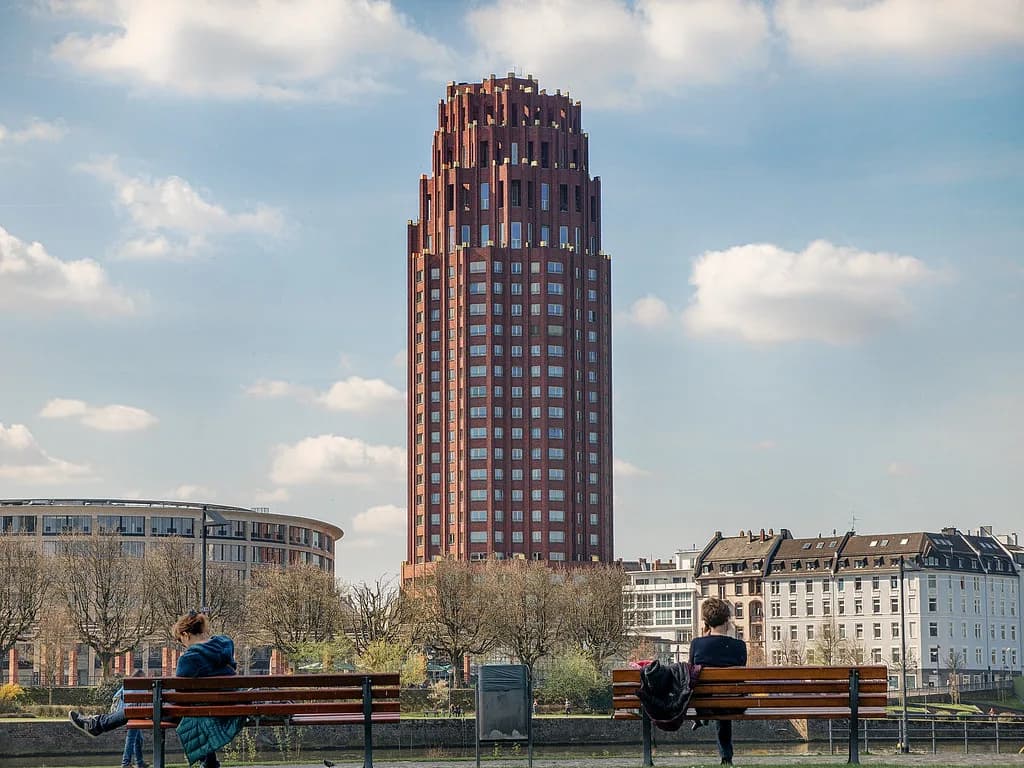
Frankfurt stands out because of its striking contrast between high-tech architecture and ancient German charm. The city earned the nickname 'Mainhattan' because of the impressive skyscrapers lining the River Main. Travelers often enjoy the diverse international food scene that reflects the city's multicultural population.
Walking through the city allows you to witness centuries of history standing right next to modern glass towers. Many visitors find the city surprisingly green with numerous parks and riverside paths for relaxing. This destination offers a sophisticated atmosphere that remains accessible and friendly for international tourists.
The central location makes it the perfect starting point for any wider German adventure or European tour. You will find a high standard of living paired with efficient public services and safe streets. Discovering the local traditions provides a deep insight into the regional culture of the Hesse state.
Best Time to Visit Frankfurt
Spring and autumn offer the most pleasant weather for exploring the city streets and outdoor attractions. April to June brings blooming flowers and mild temperatures that are ideal for long walking tours. Checking the best time to visit Frankfurt helps you avoid the most crowded periods.
Summer months provide warm sunshine and vibrant festivals along the banks of the River Main. July and August are popular for outdoor dining and enjoying the city's many public parks. Be prepared for higher accommodation prices during major international trade fairs that happen throughout the year.
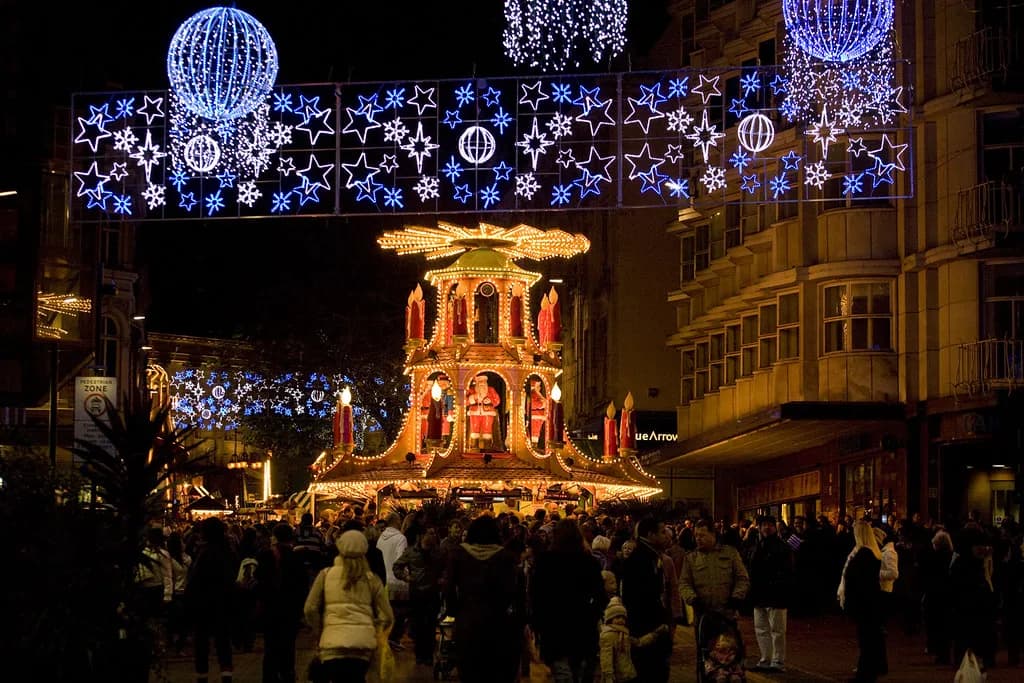
Winter transforms the city into a festive wonderland with traditional markets and seasonal lights. December is a magical time to experience the historic square filled with the scent of roasted nuts. Confirm seasonal opening times on the Frankfurt Tourism Official site before you finalize your winter plans.
How to Get Around Frankfurt
Navigating the city is simple thanks to an efficient network of trains, trams, and buses. Most visitors find that walking between major sites in the city center is also very manageable. Reviewing a getting around Frankfurt guide will save you time and stress upon arrival.
The S-Bahn and U-Bahn trains connect the airport to the heart of the city in under twenty minutes. Taxis and ride-sharing services are widely available but often cost significantly more than public transit. Bicycles are a popular local choice and many dedicated lanes make cycling safe for tourists.
Choosing the right transit pass can significantly reduce your daily travel costs while sightseeing. The Frankfurt Card offers unlimited travel and discounts on many popular museum entry fees. Travelers planning regional trips might find the Deutschland-Ticket more useful for longer distances across Germany.
Where to Stay in Frankfurt
Selecting the right neighborhood depends on your budget and what you want to see during your stay. The Altstadt area puts you within walking distance of the most famous historic landmarks and squares. Consult our guide on where to stay in Frankfurt for detailed area comparisons.
Sachsenhausen offers a more traditional vibe with narrow streets and many local apple wine taverns. Westend is a quieter residential district that features beautiful architecture and proximity to the botanical gardens. Business travelers often prefer the hotels located near the main train station for easy transport access.
Bornheim is known for its lively main street filled with shops, cafes, and a local village feel. Each district has a unique personality that caters to different types of travelers and interests. Check hotel reviews carefully to ensure your chosen location matches your expectations for noise and safety.
Römerberg and the Historic Old Town
Römerberg serves as the historic heart of the city and features iconic timber-framed buildings. This square has hosted royal coronations and festive markets for hundreds of years. The 'New Old Town' project recently reconstructed fifteen historic buildings to their original medieval glory.
Visitors can admire the Justice Fountain which stands proudly in the center of the cobbled square. The City Hall, known as the Römer, has been the seat of local government since the fifteenth century. Take a moment to explore the narrow alleys that lead away from the main square toward the river.
You can learn more about the city's past at Frankfurt’s Historical Museum located nearby. The area is especially beautiful in the evening when the historic facades are softly illuminated. Pro Tip: Visit early in the morning to enjoy the square before the tour groups arrive.
Main Tower: Skyline Views of Mainhattan
The Main Tower offers the only public observation deck that provides panoramic views of the entire city. Standing at 200 meters tall, it allows you to see the contrast between the old and new districts. You can find more details in our Main Tower and skyline guide for your visit.
High-speed elevators whisk visitors to the top in just a few seconds for a thrilling experience. The circular platform provides 360-degree views that extend to the Taunus mountains on clear days. Security checks are mandatory at the entrance so allow extra time for your visit during peak hours.
Pro Tip: Visit the Main Tower at sunset to capture the best photos of the city skyline. The changing light creates a stunning backdrop as the office towers begin to glow in the dark. Dining at the restaurant on the 53rd floor offers a luxurious way to enjoy the scenery.
Museumsufer: A World-Class Cultural Hub
The Museumsufer is a collection of over a dozen museums located along both sides of the River Main. This cultural district covers everything from film and architecture to ancient art and world cultures. Walking along the riverbank provides a scenic way to move between the different exhibition spaces.
Many of the museums are housed in beautiful historic villas that have been carefully preserved. The area hosts a massive festival every August that celebrates the city's rich artistic heritage. You can purchase a multi-museum pass if you plan to visit more than two locations in one weekend.
The German Film Museum is a favorite for families and fans of cinematic history. Art lovers should prioritize the Museum of Applied Arts for its unique design and craft collections. Check the official websites for temporary exhibitions that might coincide with your travel dates.
Palmengarten: Frankfurt’s Botanical Oasis
Palmengarten is one of the largest botanical gardens in Germany and offers a peaceful escape from the city. The gardens feature plants from across the globe housed in impressive glass and iron structures. Visitors can explore tropical rainforests and arid deserts without ever leaving the city limits.
The Tropicarium consists of several glass houses that replicate different climate zones for exotic species. Seasonal flower displays ensure that the gardens are beautiful to visit at any time of the year. Children often enjoy the small train that runs through the park during the warmer months.
You can find plenty of benches and quiet corners for a relaxing afternoon picnic. The nearby Goethe University campus adds a lively student energy to the surrounding neighborhood. Pro Tip: Check the schedule for evening concerts that often take place in the garden during summer.
Kleinmarkthalle: A Culinary Journey for Foodies
Kleinmarkthalle is an indoor market where locals shop for fresh produce, meat, and international delicacies. The bustling atmosphere provides a sensory feast with colorful stalls and enticing food aromas. It is the best place to sample traditional Frankfurt specialties in an authentic local setting.
You must try the famous 'Frankfurter Wurstchen' from one of the legendary sausage stalls. The upper floor features a wine bar where you can enjoy a glass while overlooking the market floor. Many vendors offer small samples of cheese, olives, and bread to help you decide what to buy.
The market is closed on Sundays so plan your visit for a weekday or Saturday morning. Cash is still king at many of the smaller stalls so bring some Euros with you. Pro Tip: Head to the back of the market for the best selection of regional honey and mustard.
Sachsenhausen: Traditional Apple Wine Culture
Sachsenhausen is the district south of the river famous for its historic apple wine taverns. Local residents have been enjoying this tart cider, known as Ebbelwoi, for centuries in these cozy pubs. Understanding the apple wine guide will help you order like a local.
The taverns usually feature long wooden tables where strangers sit together and share stories. You will find the atmosphere is loud, friendly, and deeply rooted in local Hessian tradition. Many of these establishments have been owned by the same families for multiple generations.
Pro Tip: Never order a beer in a traditional apple wine pub as it is considered a local faux pas. Stick to the cider or sparkling water to show respect for the establishment's heritage. The area also features beautiful cobblestone streets that are perfect for an evening stroll.
Ordering a beer in a traditional Sachsenhausen apple wine tavern is considered a local faux pas — stick to the cider (Ebbelwoi) or sparkling water to show respect for the establishment's heritage.
- How to Drink Like a Local
- The Bembel: Grey clay jug used for serving
- The Schoppen: Ribbed glass for the cider
- Sauergespritzt: Cider mixed with sparkling water
- Handkäs mit Musik: Traditional cheese side dish
Goethe House and Museum
The Goethe House is the birthplace of Johann Wolfgang von Goethe, Germany's most celebrated writer. The house has been restored to show how a wealthy family lived in the eighteenth century. Visitors can see the desk where Goethe wrote some of his most famous early works.
The adjoining museum contains a vast collection of art from the Romantic era that Goethe admired. Audio guides are available in multiple languages to explain the historical context of each room. The library and the puppet theater are highlights that provide a glimpse into his childhood.
You will find the museum located in a quiet street just a short walk from the main shopping areas. The courtyard offers a peaceful space to reflect on the literary history of the city. Pro Tip: Combine this visit with a trip to the nearby Jewish Museum for a full morning of history.
Städel Museum: Art Through the Centuries
The Städel Museum is one of the oldest and most important art museums in all of Germany. Its collection spans seven hundred years of European art history from the early fourteenth century to today. You can view masterpieces by artists like Rembrandt, Monet, and Picasso in one location.
The modern wing is an architectural marvel with a roof featuring circular skylights that illuminate the galleries. Digital guides and interactive displays help make the complex art history accessible to all visitors. Plan to spend at least three hours here to see the major highlights without feeling rushed.
Visit the Städel Museum website to check for current special exhibitions. The museum cafe is a great spot to rest and discuss your favorite pieces after your tour. Pro Tip: Buy your tickets online in advance to skip the long queues at the entrance.
Eiserner Steg: The Iconic Iron Bridge
Eiserner Steg is a nineteenth-century iron pedestrian bridge that connects the city center to Sachsenhausen. It is one of the most photographed landmarks in the city due to its industrial beauty. Thousands of 'love locks' are attached to the railings by couples from all over the world.
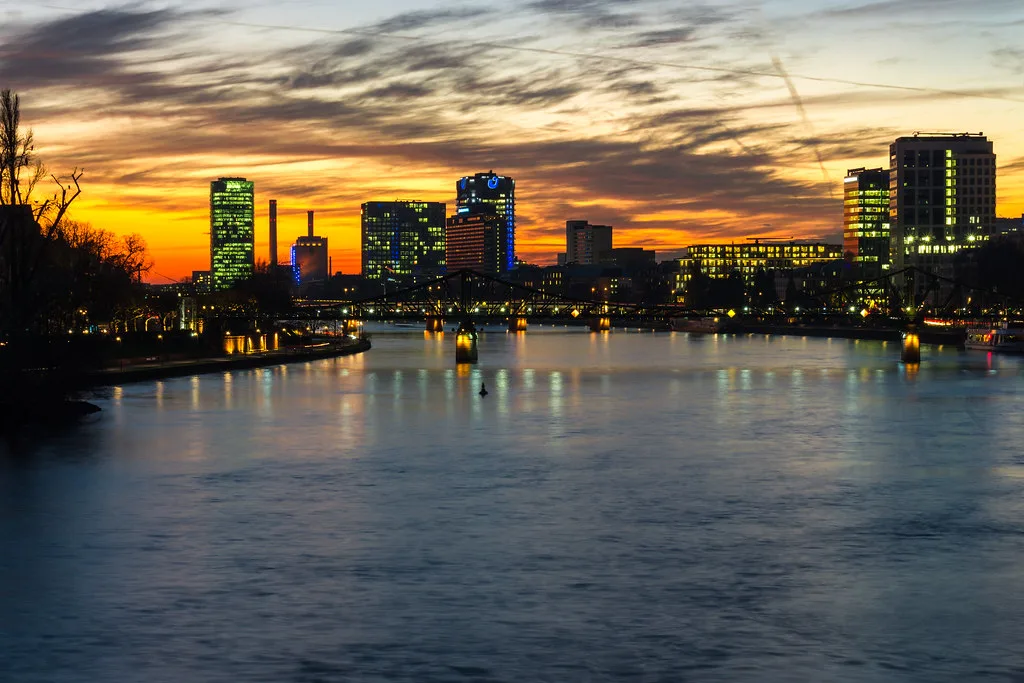
Walking across the bridge offers some of the best free views of the city skyline and the river. The bridge survived the destruction of the second world war and remains a symbol of local resilience. You can watch the river cruises pass underneath as you enjoy the cool breeze on the water.
Pro Tip: Cross the bridge at night to see the city lights reflecting on the River Main. The view toward the cathedral and the historic old town is particularly striking after dark. It is a popular spot for street musicians who add a lovely soundtrack to your walk.
Shopping on the Zeil
The Zeil is Frankfurt's premier shopping street and one of the busiest retail hubs in Germany. You will find a wide range of international brands, department stores, and smaller boutiques here. The street is entirely pedestrianized which makes for a comfortable and safe shopping experience.
MyZeil is a modern shopping mall on the street known for its incredible glass funnel architecture. The top floor of the mall features a food court with views over the city rooftops. Street performers and seasonal markets often create a lively atmosphere for shoppers and tourists alike.
Pro Tip: Visit on a weekday morning to avoid the massive crowds that arrive on Saturday afternoons. Most shops are closed on Sundays so do not plan your shopping spree for that day. The nearby Kleinmarkthalle is a great place to stop for a snack between visiting different stores.
Beyond Frankfurt: Essential Day Trips
Frankfurt's excellent rail connections make it easy to explore the surrounding region of Hesse. Heidelberg is a popular choice for its romantic castle ruins and historic university atmosphere. Check our list of day trips from Frankfurt to plan your regional excursions.
The Rhine Valley offers stunning vineyard landscapes and ancient castles just a short train ride away. Mainz is another great option for history buffs who want to see the Gutenberg Museum and the cathedral. Many of these destinations can be reached in under an hour from the Frankfurt main station.
Pro Tip: Use the regional day tickets for the best value when traveling with a group. These tickets allow for unlimited travel on regional trains for the entire day. Confirm the last return train time before you leave to avoid getting stuck in a smaller town.
Essential Tips for First-Timers: Safety, Culture, & Savings
Understanding a few local customs will help you navigate the city with confidence and ease. Frankfurt is generally very safe but it is important to stay aware of your surroundings in busy areas. Learning more about Frankfurt travel safety will give you peace of mind during your trip.
The area around the main train station, Bahnhofsviertel, has a vibrant food scene but some social issues. Tipping in restaurants is common and usually involves rounding up the bill or adding ten percent. Most locals speak excellent English but learning a few basic German phrases is always appreciated.
Pro Tip: Always carry some cash because many small shops and traditional taverns do not accept cards. Recycling is taken very seriously so pay attention to the different bins in public spaces. Plan your itinerary to include some of the city's many free parks to balance your travel budget.
Bring cash: many smaller stalls at Kleinmarkthalle and traditional apple wine taverns still do not accept cards. Note that most shops, including those on the Zeil, and the Kleinmarkthalle are closed on Sundays.
- Planning Your Stay Duration
- 1 Day: Focus on Römerberg and Main Tower
- 2 Days: Add Museumsufer and Sachsenhausen
- 3 Days: Include Palmengarten and a day trip
- 4+ Days: Explore the wider Rhine-Main region
| Length of stay | What to prioritize |
|---|---|
| 1 Day | Römerberg and Main Tower |
| 2 Days | Add Museumsufer and Sachsenhausen |
| 3 Days | Include Palmengarten and a day trip |
| 4+ Days | Explore the wider Rhine-Main region |
Frequently Asked Questions
Is Frankfurt worth visiting for a first-timer?
Yes, Frankfurt is absolutely worth visiting for its unique mix of modern architecture and deep historical roots. First-timers enjoy the walkable center, world-class museums, and the traditional apple wine culture. It serves as a perfect introduction to urban German life. Check our Frankfurt itinerary guide for planning.
How many days do you need in Frankfurt?
Most first-time visitors find that two to three days is the ideal amount of time to see the major sights. This allows you to explore the Old Town, visit several museums, and enjoy the local food scene. If you plan day trips, consider staying for four or five days.
Is the Frankfurt Card worth it for tourists?
The Frankfurt Card is usually worth it if you plan to use public transport frequently and visit multiple museums. It offers unlimited travel within the city and significant discounts on many entry fees. Calculate your planned stops to see if the savings exceed the card's daily cost.
What is the best way to get from the airport to the city?
The S-Bahn train is the fastest and most cost-effective way to reach the city center from the airport. Trains run every 15 minutes and the journey takes about 15 to 20 minutes total. Taxis are available but are much more expensive than the train service.
Frankfurt provides an unforgettable experience that combines modern luxury with traditional German hospitality. You will leave the city with a deeper appreciation for its resilient history and vibrant cultural scene. Use our tips to make the most of every moment during your first visit to this dynamic metropolis.
You might also like


Continue reading
More guides you'll find useful