12 Essential Things to Do in Cologne for First-Timers (2026 Guide)
Discover the best things to do in Cologne for first-timers. From the iconic Cathedral to Kölsch beer etiquette and hidden gems, plan your perfect Rhine trip.
On this page
12 Essential Things to Do in Cologne for First-Timers
After visiting Cologne four times over the last decade, I still find the city's mix of Roman history and laid-back brewery culture infectious. It is a city that doesn't take itself too seriously, where the towering Gothic cathedral sits just steps away from bustling, beer-soaked taverns. This guide focuses on the essential experiences that define the city for anyone arriving for the very first time.
Updated January 2026 after my most recent winter visit, this list reflects current prices and transport rules. Cologne is remarkably walkable, but knowing the local quirks—like why your waiter keeps bringing beer without asking—is key to enjoying it. Our editors have vetted these spots to ensure you see the iconic landmarks while avoiding the most common tourist pitfalls.
12 Essential Things to Do in Cologne for First-Timers
The following list captures the soul of the city, from the shadow of the Dom to the trendy streets of the Belgian Quarter. I have grouped these into four clusters: Iconic Landmarks, History and Culture, Modern Fun, and Nature and Logistics. This structure helps you plan your days by neighborhood, ensuring you don't spend your entire trip crossing the Rhine back and forth.
On my first trip, I made the classic mistake of ordering a 'Halve Hahn' expecting a roasted half-chicken. I was genuinely confused when the waiter brought a simple rye roll with a thick slab of Gouda cheese. Learning these local culinary translations is just as important as knowing which museum to visit first.
Most of these attractions are clustered in the Altstadt or within a short ride on the KVB public transport system. Expect to spend about two to three days to cover everything on this list without feeling rushed. Many sites, like the Cathedral, are free to enter, making Cologne a surprisingly budget-friendly destination for European travelers.
| Attraction | Approx. price (adult) |
|---|---|
| Cologne Cathedral (entry) | Free |
| Cathedral South Tower climb | ~6 Euro |
| KölnTriangle observation deck | ~5 Euro |
| Romano-Germanic Museum | ~6 to 10 Euro |
| Chocolate Museum | ~15 Euro |
| Rhine sightseeing cruise (1 hr) | ~15 to 20 Euro |
| Cologne Zoo (combined ticket) | ~23 Euro |
| KVB day transport ticket | ~9 Euro |
- Climb the South Tower of Cologne Cathedral
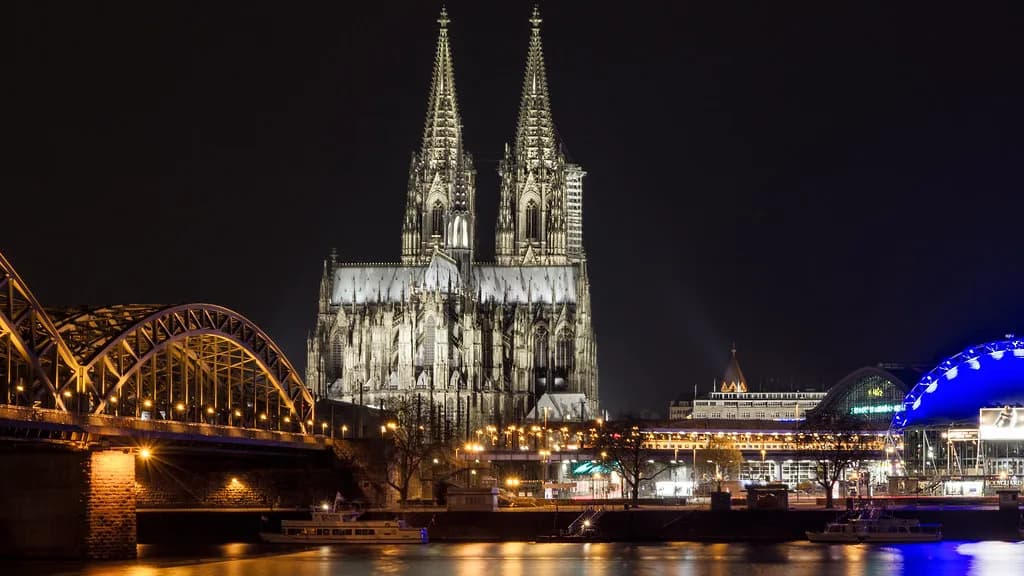
- This UNESCO World Heritage site is the most visited landmark in Germany and dominates the entire city skyline.
- Climbing the 533 steps costs about 6 Euro per adult and offers a breathtaking view of the Rhine.
- Visit early in the morning around 9am to avoid the heaviest crowds and the midday heat in the stairwell.
- Wander the Colorful Streets of the Altstadt
- The Old Town features narrow alleys and brightly painted traditional houses that were meticulously rebuilt after the war.
- It is free to explore and sits directly between the main station and the scenic Rhine riverbank.
- Look for the quirky Tünnes and Schäl statues near the Great St. Martin Church for a classic local photo.
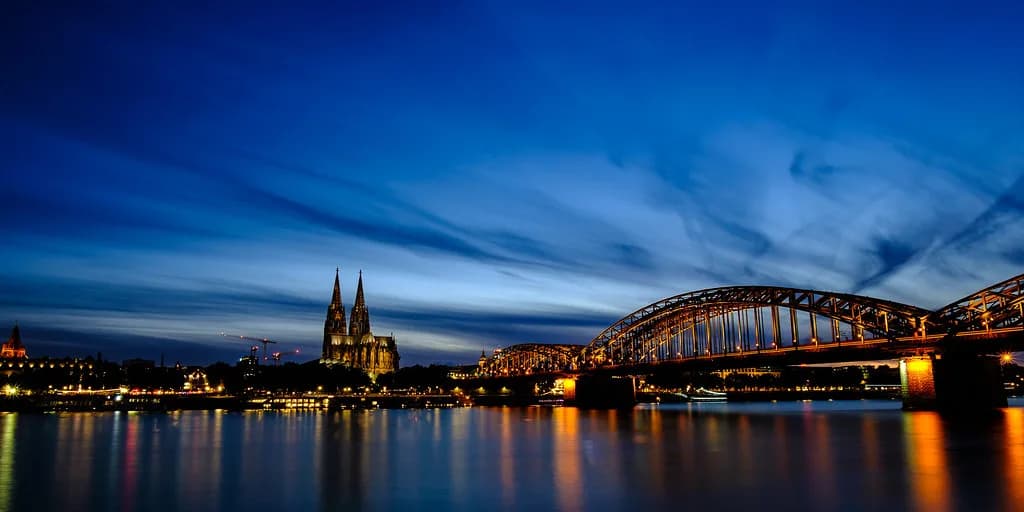
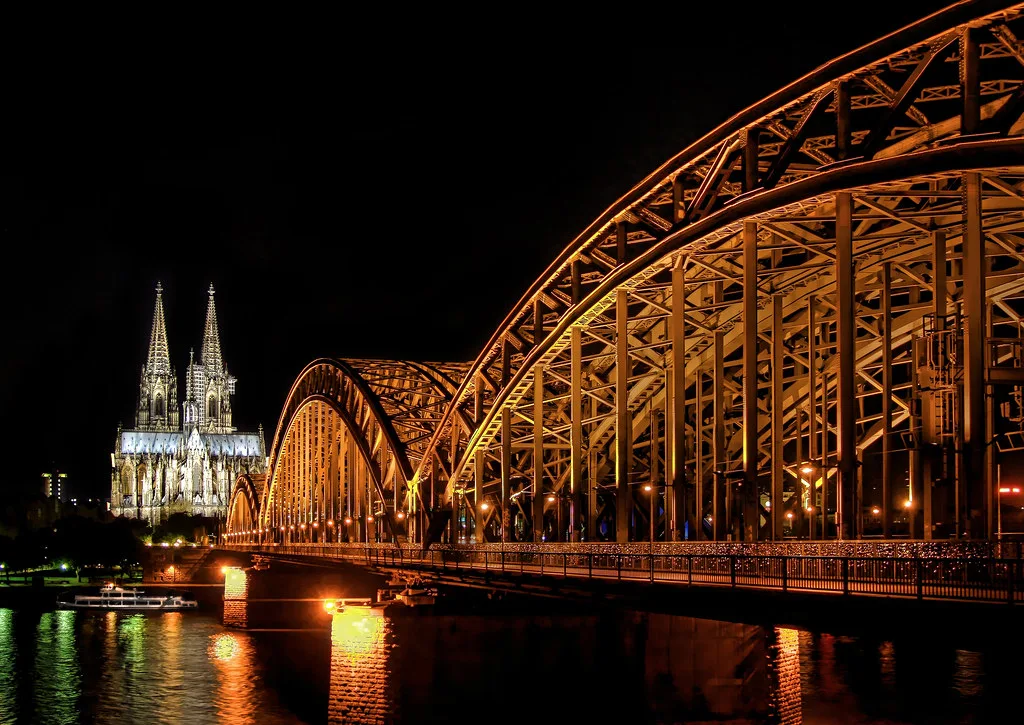
- Walk Across the Love-Locked Hohenzollern Bridge
- Thousands of colorful padlocks cover the fences of this massive railway bridge, symbolizing eternal love for visiting couples.
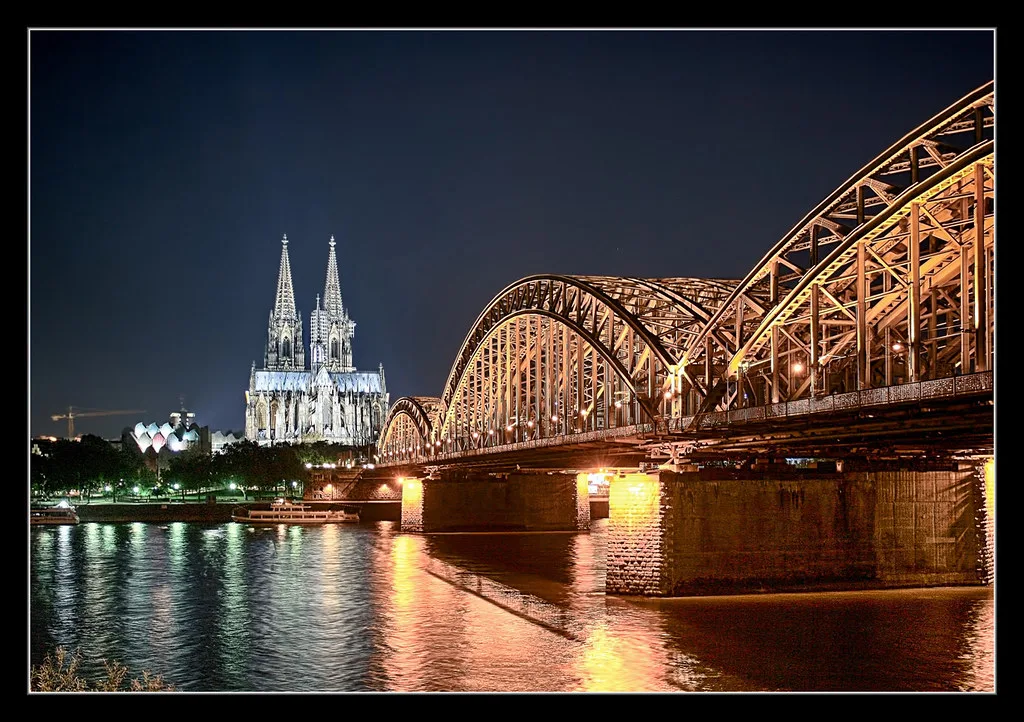
- Walking across is free and takes about 15 minutes, providing the best angle for a photo of the Cathedral.
- Try crossing at sunset when the light hits the cathedral spires and reflects beautifully off the water below.
- Drink a Glass of Kölsch at a Traditional Brauhaus
- Kölsch is more than just beer; it is a protected cultural experience served in small 0.2-liter glasses called Stangen.
- Expect to pay 2 to 3 Euro per glass, with breweries typically open from 11am until late at night.
- Place your coaster on top of your glass when you are finished, or the waiter will keep bringing more.
- See Ancient Mosaics at the Romano-Germanic Museum
- This museum showcases the city's origins as a Roman colony, including the famous and massive Dionysus Mosaic.
- Entry is roughly 10 Euro, and the museum is conveniently located right next to the Cathedral entrance.
- Check the official site as some collections are currently in a temporary location during major building renovations.
- Taste Fresh Chocolate at the Imhoff-Schokoladenmuseum
- Explore the history of cocoa and watch a real production line turn beans into bars right before your eyes.
- Tickets are around 15 Euro per adult, and the museum sits on a peninsula in the Rheinauhafen district.
- Do not miss the three-meter-high chocolate fountain where staff hand out waffles dipped in warm, melted chocolate.
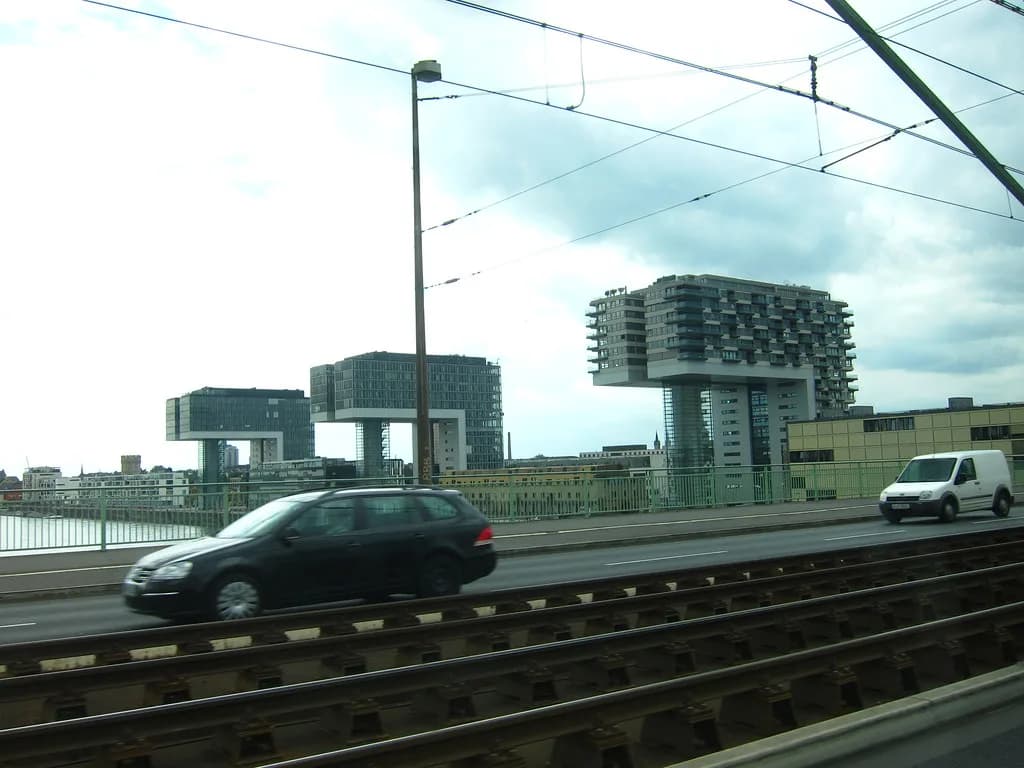
- Take the Elevator up the KölnTriangle Panorama
- Located on the opposite side of the river, this skyscraper offers the best 360-degree views of the old city.
- The observation deck costs about 5 Euro and is open daily until late evening during the summer months.
- This is the best spot for photographers because it is the only view that actually includes the Cathedral itself.
- Cruise the Rhine on a Sightseeing Boat
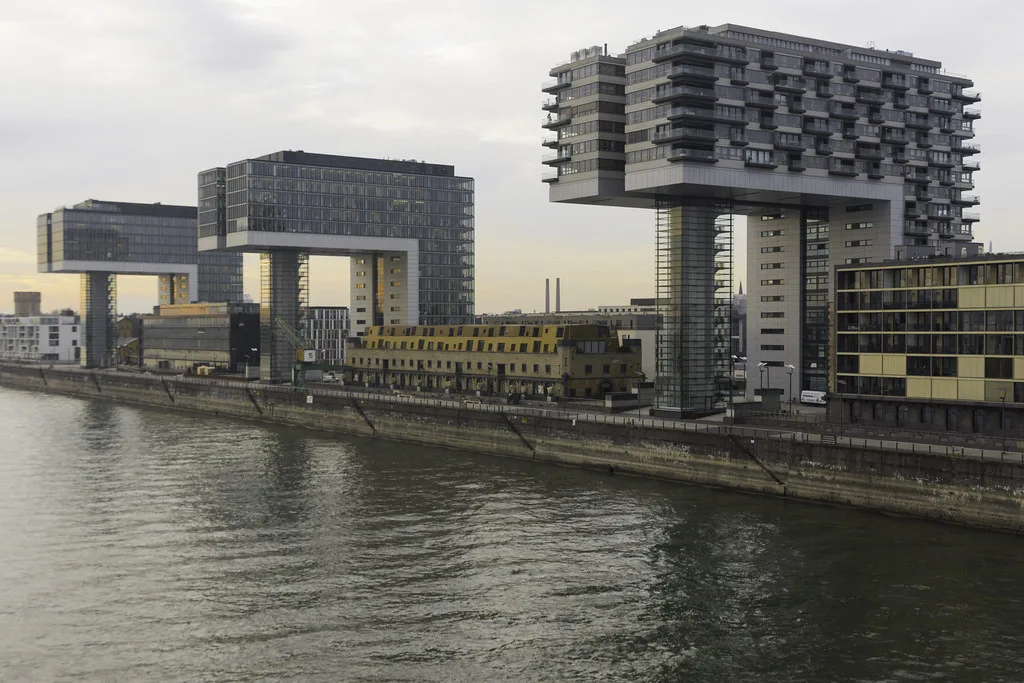
- Seeing the city from the water provides a unique perspective on the modern Rheinauhafen cranes and historic spires.
- Standard one-hour cruises cost about 15 to 20 Euro and depart frequently from the Hohenzollern Bridge docks.
- Book a late afternoon slot to enjoy the breeze and see the city lights begin to flicker on.
- Shop and Sip in the Trendy Belgian Quarter
- This neighborhood is the heart of Cologne's creative scene, filled with independent boutiques and cozy third-wave coffee shops.
- Exploring the area is free, though you will likely spend money on unique fashion or local craft spirits.
- Head to Brüsseler Platz in the evening to join the locals who gather there with drinks from nearby kiosks.
- Visit the Cologne Zoo and Botanical Garden
- The zoo is one of the oldest in Germany and features a massive elephant park and a modern aquarium.
- Combined tickets are about 23 Euro, and the site is easily reached via the number 18 tram line.
- The adjacent Flora Botanical Garden is free to enter and offers a peaceful escape from the urban bustle.
- Join a Freewalk Cologne Historical Tour
- Local guides offer walking tours that cover everything from medieval legends to the city's dark history during WWII.
- Tours are tip-based, meaning you pay what you feel the experience was worth at the very end.
- Most tours meet at the Eigelstein Torburg or near the Cathedral; check their schedule online to book ahead.
- Master the Local KVB Public Transport System
- Navigating the city like a local involves using the efficient tram and bus network to reach outlying neighborhoods.
- A day ticket costs around 9 Euro, or you can use the KölnCard for transport plus museum discounts.
- Download the KVB app to buy tickets digitally and avoid fumbling with cash at the older station machines.
Marvel at the Gothic Grandeur of Cologne Cathedral
The Kölner Dom is a masterpiece of Gothic architecture that took over 600 years to officially complete. It survived 14 aerial hits during World War II, standing as a symbol of resilience amidst a flattened city. Visitors should consult the Cologne Cathedral visiting guide to plan their entry around daily mass times.
Inside, the Shrine of the Three Kings is the golden centerpiece that drew pilgrims here for centuries. The stained glass windows, including the modern pixelated window by Gerhard Richter, create a stunning play of light. For the latest opening hours and special closure dates, check the Cologne Cathedral Official Site before your walk.
Climbing the tower is a physical challenge but rewards you with a close-up view of the massive bells. The 'St. Petersglocke' is one of the largest free-swinging bells in the world and rings on special holidays. Wear sturdy shoes because the stone steps are narrow, winding, and can be quite slippery in damp weather.
Climbing the cathedral's South Tower is 533 steps and costs about 6 Euro per adult. Go early, around 9am, to beat the heaviest crowds.
Experience Authentic Kölsch Culture and Local Gastronomy
Drinking beer in Cologne is a highly regulated social ritual that surprises many first-time international visitors. The waiters, known as Köbes, carry circular trays of small glasses and will replace your empty glass automatically. Refer to our Cologne brewhouses and Kölsch beer guide to master these unwritten social rules.
Food in these breweries is hearty, featuring dishes like 'Himmel un Ääd,' which translates to Heaven and Earth. This dish consists of mashed potatoes and apple sauce served with fried blood sausage and crispy onions. Most traditional spots like Früh am Dom or Gaffel am Dom are open daily from 11am until midnight.
Cash is still the preferred payment method in many older, traditional taverns across the historic city center. Always carry at least 20 to 50 Euro in bills to avoid awkward moments when the bill arrives. Servers mark your consumption with pencil strokes on your coaster, so do not lose it during your meal.
What to Skip: Overrated Cologne Attractions
While the Farina Fragrance Museum is historical, it can feel like a long sales pitch for perfume enthusiasts. If you are not deeply interested in the history of scent, your time is better spent at Museum Ludwig. The 'Eau de Cologne' shops near the cathedral often have inflated prices compared to local department stores.
Avoid eating at the restaurants directly facing the Cathedral steps if you want an authentic local experience. These spots often serve overpriced, generic food that lacks the character found just three blocks away. Walk ten minutes into the side streets of the Altstadt to find better quality for a lower price.
Is Cologne Worth Visiting for More Than One Day?
Many travelers treat Cologne as a quick stopover, but the city deserves at least forty-eight hours of your time. One day allows you to see the Cathedral and the Old Town, but you will miss the vibrant neighborhoods. The Belgian Quarter and Ehrenfeld offer a modern German vibe that the historic center simply cannot replicate.
Staying longer also allows for a relaxing evening on the Rhineboulevard, watching the city lights reflect on the water. It is one of the most walkable cities in Germany, making it easy to explore without a car. If you have three days, you can even add a quick trip to the nearby city of Bonn.
Stroll Through the Colorful Historic Altstadt
The Altstadt is the heart of the city and features the iconic Great St. Martin Church with its distinct towers. Wandering through the Buttermarkt and Fischmarkt provides a glimpse into the city's medieval trading past. Our Cologne Old Town guide lists the best hidden squares for a quiet afternoon coffee.
The riverside promenade is perfect for a slow walk after a heavy meal at a nearby brewery. Musicians and street performers often gather here during the summer months, creating a festive, lively atmosphere. Most shops in this area open at 10am and close by 8pm, except for the restaurants and bars.
Cross the Hohenzollern Bridge and its Famous Love Locks
This bridge is an engineering marvel that carries hundreds of trains into the main station every single day. The thousands of padlocks attached to the railings are estimated to weigh over forty tons in total. It is a public thoroughfare, so it is accessible twenty-four hours a day for free to all pedestrians.
The view looking back toward the Cathedral from the middle of the bridge is the city's most famous photo. Watch out for cyclists, as the pedestrian paths can get quite narrow and crowded during the peak afternoon. Many locals prefer the view from the Rheinboulevard on the east bank for a full skyline panorama at night.
Discover Roman Roots at the Romano-Germanic Museum
The museum was built directly over the site of a third-century Roman villa discovered during the war. Seeing the Dionysus Mosaic in its original location is a highlight for any history buff visiting the city. The collection includes glassware, jewelry, and everyday items that reveal how the Romans lived on the Rhine.
During current renovations, some items are displayed at the Belgisches Haus near the Neumarkt transport hub. Tickets generally cost 6 to 10 Euro, and the museum is closed on Tuesdays for regular maintenance. Check the digital guide available at the entrance to get the full context of the Latin inscriptions.
Satisfy Your Sweet Tooth at the Chocolate Museum
The Imhoff-Schokoladenmuseum is a futuristic glass building that looks like a ship docked on the Rhine. It covers the entire journey of chocolate from the tropical rainforest to the modern European candy shop. Our chocolate museum guide explains how to skip the long weekend lines with online booking.
The on-site cafe offers massive slices of cake and hot chocolate with views of the river traffic. It is open daily from 10am to 6pm, though it can get very crowded on rainy Sunday afternoons. Kids will especially love the interactive exhibits and the chance to design their own custom chocolate bar.
Explore the Trendy Belgian Quarter and Hidden Gems
The Belgian Quarter is where you will find the coolest locals hanging out in independent boutiques and bars. Street names like Liege, Brussels, and Antwerp give the district its name and its distinct European charm. Discovering hidden gems in Cologne often starts in the backyard galleries of this creative Veedel.
Brüsseler Platz is the focal point of the neighborhood, especially during the warm summer evenings. Grab a drink from a nearby 'Büdchen' (kiosk) and enjoy the sunset with the local student crowd. Most boutiques here are closed on Sundays, so plan your shopping spree for a Saturday or weekday afternoon.
Join a Free Walking Tour for Local Context
Walking tours are the best way to understand why Cologne has such a different vibe than Berlin or Munich. The guides often share stories about the city's carnival culture and the local 'Kölsch' dialect. Most tours last about two hours and cover the main historical sites within the central ring road.
While the tours are technically free, it is customary to tip your guide between 10 and 20 Euro. Tours usually depart twice a day, around 11am and 2pm, regardless of the weather conditions. Booking a spot online is highly recommended during the busy summer months to ensure the group stays small.
Essential Logistics: Transport, Cash, and Sunday Closures
Navigating the city is simple if you understand the KVB public transport map and schedule. Trams and buses run frequently, and the central station connects the city to the rest of Europe. Check our getting around Cologne guide for tips on using the local bike-sharing systems.
Sundays are sacred in Germany, meaning almost all shops and supermarkets are completely closed. Plan your grocery shopping for Saturday, or you will be forced to buy expensive snacks at the train station. Restaurants and museums remain open on Sundays, making it a great day for sightseeing rather than shopping.
Almost all shops and supermarkets are closed on Sundays in Germany. Do your grocery shopping on Saturday or you'll be stuck buying pricey snacks at the train station.
Cash remains the primary way to pay for small purchases, especially at kiosks and traditional breweries. While many modern shops now accept cards, you should always have coins for public restrooms or small snacks. ATMs are widely available, but check with your bank about international withdrawal fees before you arrive.
Frequently Asked Questions
Is one day enough to see Cologne?
One day is enough to see the Cathedral and the Old Town, but you will feel rushed. To experience the breweries and museums properly, two days are much better. This allows time for the Belgian Quarter or a river cruise.
Do I need cash in Cologne breweries?
Yes, many traditional Cologne breweries still prefer or only accept cash for smaller bills. While modern restaurants accept cards, carrying 20 to 50 Euro is safer. This avoids issues when the Köbes brings your final tally.
What should I avoid doing in Cologne?
Avoid eating at the tourist traps directly in front of the Cathedral where prices are inflated. Also, never lose your beer coaster in a brewery, as it tracks your bill. Finally, don't try to shop on Sundays when stores are closed.
Cologne is a city that rewards those who look beyond the massive spires of its famous cathedral. By embracing the local brewery etiquette and exploring the trendy side streets, you will find a warm, welcoming atmosphere. Whether you are here for the history or the chocolate, the city's unique charm is sure to leave a lasting impression.
I hope this guide helps you navigate your first trip with the confidence of a seasoned traveler. Remember to bring comfortable walking shoes and an open mind for the local Kölsch traditions. Safe travels as you explore one of Germany's most vibrant and historic riverside cities.
You might also like

Continue reading
More guides you'll find useful