Is Nuremberg in Bavaria? A Complete City Guide
Is Nuremberg in Bavaria? Yes, it is the second-largest city in the state. Discover Franconian culture, history, and top travel tips in our 2026 guide.
On this page
Is Nuremberg in Bavaria? Understanding the City's Identity
Nuremberg is the second-largest city in the Free State of Bavaria and serves as the cultural heart of Franconia. Many travelers wonder about its location while planning their German adventures across the scenic southern landscapes. This historic city offers a unique blend of medieval charm and modern Bavarian infrastructure for every visitor.
You will find the city nestled in the northern part of the state, roughly 170 kilometers from Munich. Its strategic position makes it a vital hub for transportation and commerce within the central European region. Understanding its geographic roots helps you appreciate the deep historical layers found throughout the cobblestone streets.
Is Nuremberg in Bavaria? Exploring the Regional Geography
Nuremberg officially belongs to the Free State of Bavaria, which is the largest federal state in modern Germany. It serves as the administrative center for Middle Franconia and anchors a metropolitan region of several million people. Geographically, the city sits on the Pegnitz River and the Rhine-Main-Danube Canal for excellent water connectivity.
Reaching this destination is simple because it serves as a major railway junction for the Deutsche Bahn network. Many travelers choose to take trains from Munich for a quick and comfortable day trip or weekend stay. The main station sits right at the edge of the old town for easy pedestrian access to major sites.
If you are flying, the local airport provides convenient connections to several major European cities and domestic hubs. Public transit includes a clean and efficient U-Bahn system that reaches most suburban areas and tourist attractions. Purchasing a day ticket usually saves money if you plan to visit multiple sites across the city landscape.
If you plan to visit multiple sites across the city, buying a U-Bahn day ticket usually saves money over single fares.
The Cultural Identity of Franconia vs Bavaria
While the city is in Bavaria, locals often identify strongly with their specific Franconian heritage and traditions. You will see the red and white Franconian rake flag flying proudly next to the blue and white Bavarian diamonds. Cultural nuances like these influence local dialects and the specific beer styles served in neighborhood taverns.
Franconians take great pride in their unique history which predates the modern unification of the Bavarian state. The region was once a collection of independent territories before being incorporated into the Kingdom of Bavaria in 1806. Visitors can explore these nuances by visiting local history museums or chatting with residents in the lively market squares.
Learning what is nuremberg famous for reveals a legacy that is quite distinct from the typical Alpine imagery. Instead of lederhosen and oompah bands, you might find a focus on Renaissance art and medieval trade history. This diversity makes the city a fascinating stop for those who want to see different sides of German life.
Historical Landmarks in the Heart of Bavaria
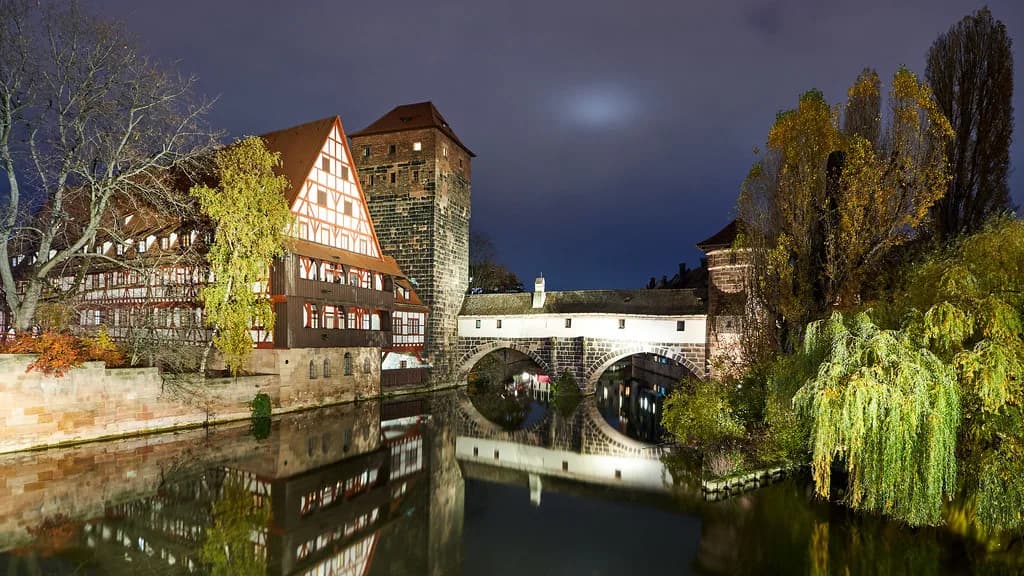
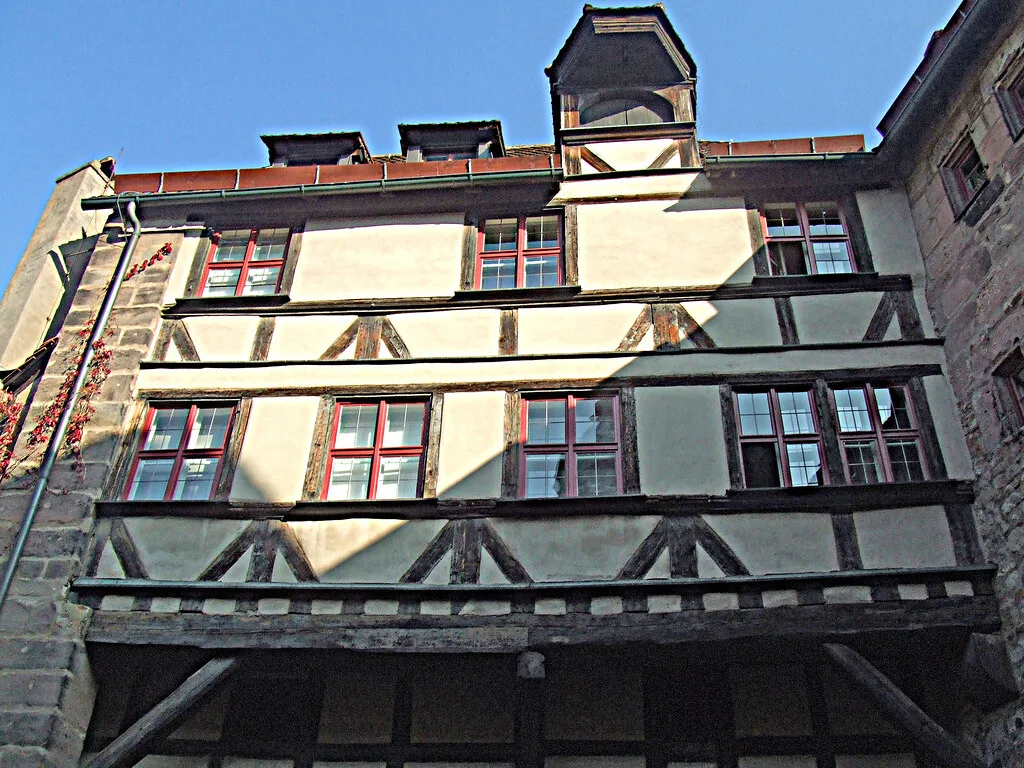
The city landscape is dominated by the massive Imperial Castle which sits atop a sandstone ridge overlooking the old town. Walking through the courtyards allows you to step back into the era of the Holy Roman Empire. You should follow a nuremberg old town walking guide to see the most iconic timber-framed houses.
History enthusiasts often visit the southern districts to see the preserved structures from the mid-twentieth century. These sites provide a somber but necessary look at the city's role during the National Socialist era. Modern exhibits now focus on education and human rights to ensure these historical lessons are never forgotten.
There are many things to do for first timers who want to balance history with modern leisure. You can spend an afternoon browsing local boutiques or enjoying a coffee in one of the many riverside cafes. The city wall remains largely intact and offers a wonderful path for a scenic stroll around the urban core.
- The Imperial Castle (Kaiserburg)
- Type: Medieval fortress
- Best for: Panoramic views
- Where: Northern old town
- Cost: Under 10 euros
- The Historic Albrecht Dürer House
- Type: Artist residence
- Best for: Renaissance history
- Where: Near the castle
- Cost: Moderate entry fee
- The Gothic Church of Our Lady
- Type: Gothic cathedral
- Best for: Clock performance
- Where: Main market square
- Cost: Free entry
| Landmark | Type | Best for | Where | Cost |
|---|---|---|---|---|
| Imperial Castle (Kaiserburg) | Medieval fortress | Panoramic views | Northern old town | Under 10 euros |
| Albrecht Dürer House | Artist residence | Renaissance history | Near the castle | Moderate entry fee |
| Church of Our Lady | Gothic cathedral | Clock performance | Main market square | Free entry |
Traditional Flavors of the Franconian Region
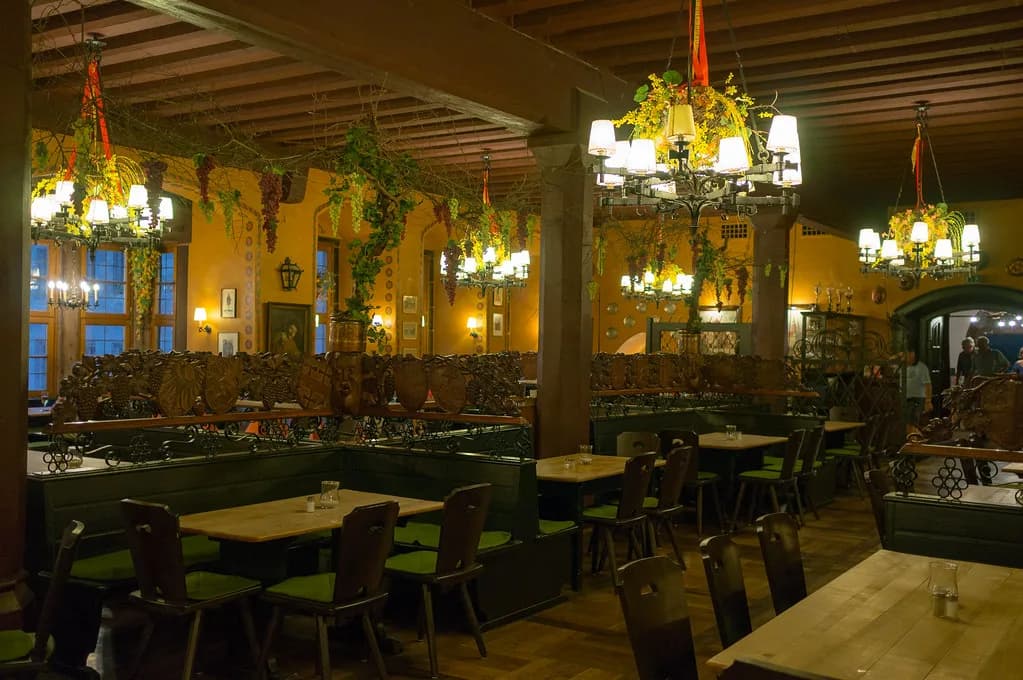
Dining in this city is a highlight for many travelers who enjoy hearty and authentic German cuisine. The local culinary scene is defined by the small but flavorful sausages that have protected geographical status. Consulting a nuremberg bratwurst and franconian food guide will help you find the best traditional kitchens.
Franconia is also known for having one of the highest densities of small breweries in the entire world. You can sample dark lagers and smoked beers that are rarely found outside this specific region of Bavaria. Many taverns serve their beer in stone mugs which helps keep the beverage cool during the warm summer months.
Dessert lovers should not miss the chance to try the famous gingerbread that has been made here for centuries. This spicy treat is especially popular during the winter months but is available year-round in specialty shops. Look for the Elisenlebkuchen variety if you want the highest quality version with the most nuts and least flour.
Best Time to Visit Nuremberg in Bavaria
Deciding on the best time to visit nuremberg depends mostly on your personal interests and weather preferences. Summer provides long days and vibrant outdoor festivals that bring the city squares to life with music and food. Many visitors enjoy the beer gardens and park spaces during the sunny months of July and August.
Winter transforms the old town into a festive wonderland as the world-famous Christmas market opens in late November. The smell of roasted almonds and mulled wine fills the air as thousands of visitors explore the wooden stalls. Planning a trip in 2026 allows you to experience these deep-rooted traditions in a truly magical atmosphere.
The city is generally very safe, but take standard precautions in crowded areas like the main train station and during large festivals such as the Christmas market.
Spring and autumn are excellent choices for those who prefer to avoid the largest crowds of the peak seasons. The weather remains mild enough for comfortable walking tours and exploring the various outdoor monuments and parks. Hotel prices often drop during these shoulder months, making it a great time for budget-conscious travelers to visit.
Frequently Asked Questions
Is Nuremberg part of the Munich region?
No, Nuremberg is not part of the Munich region, although both cities are located within the Free State of Bavaria. Nuremberg is the capital of Middle Franconia and sits about 170 kilometers north of Munich. It maintains a distinct cultural identity that differs significantly from the Upper Bavarian traditions found in Munich.
What language do they speak in Nuremberg?
Residents of Nuremberg speak Standard German, but many also use the local Franconian dialect in daily life. This dialect is a variant of East Franconian and sounds quite different from the Bavarian dialect spoken in Munich. Most people working in the tourism industry speak excellent English to assist international visitors.
How many days should I spend in Nuremberg?
Most visitors find that two or three days provide enough time to explore the main historical sites and museums. You can follow a how many days in nuremberg itinerary to maximize your stay. This timeframe allows for a balanced mix of castle tours, museum visits, and relaxed Franconian dining experiences.
Is Nuremberg safe for solo travelers?
Nuremberg is generally considered a very safe city for solo travelers and families alike at any time of day. Standard travel precautions should be taken in crowded areas like the main train station or during large festivals. The city is well-lit and has a reliable public transportation network that operates late into the evening.
Nuremberg is a vital part of Bavaria that offers a unique cultural perspective through its Franconian roots. The city combines a rich imperial history with a resilient modern spirit that welcomes travelers from around the globe. You will find endless opportunities for discovery within its medieval walls and world-class museum collections.
Whether you come for the history or the food, this destination rarely fails to leave a lasting impression. Plan your visit to experience the warm hospitality and architectural beauty of this northern Bavarian gem. The city remains a must-see stop for anyone exploring the diverse landscapes of southern Germany.
You might also like
Continue reading
More guides you'll find useful