10 Essential Sections for Your Museum Ludwig and Cologne Guide
Discover the world-class Picasso collection and Pop Art treasures at Museum Ludwig. Our guide covers tickets, opening hours, and how to fit it into your Cologne.
On this page
10 Essential Sections for Your Museum Ludwig and Cologne Guide
Cologne stands as a premier destination for art lovers because of its incredible density of world-class cultural institutions and historical landmarks. The city offers a unique blend of ancient Roman history and cutting-edge contemporary creativity that few other European cities can match. Visitors often find that a single day is not enough to explore the vast wealth of masterpieces housed within these famous walls.
Among the most important sites is Museum Ludwig, which houses one of the most significant collections of modern art in the world. This iconic building sits right in the heart of the city, making it an easy addition to any sightseeing itinerary for 2026. Our comprehensive guide will help you navigate the galleries and ensure you do not miss the most famous highlights during your visit.
Whether you are a seasoned art critic or a casual traveler, understanding the history and layout of the museum improves your experience. Planning ahead allows you to maximize your time while enjoying the vibrant atmosphere of the surrounding historic district. Prepare to dive into a world of color and innovation as we explore the essential sections of this magnificent German museum.
Must-See Cologne Attractions
The skyline of Cologne is dominated by the twin spires of the cathedral, which serves as the primary landmark for all visitors. Most travelers begin their journey at this Gothic masterpiece before exploring the nearby cultural district and the scenic riverfront areas. Check out our Cologne Cathedral visiting guide to plan your entrance and learn about the building's fascinating history.
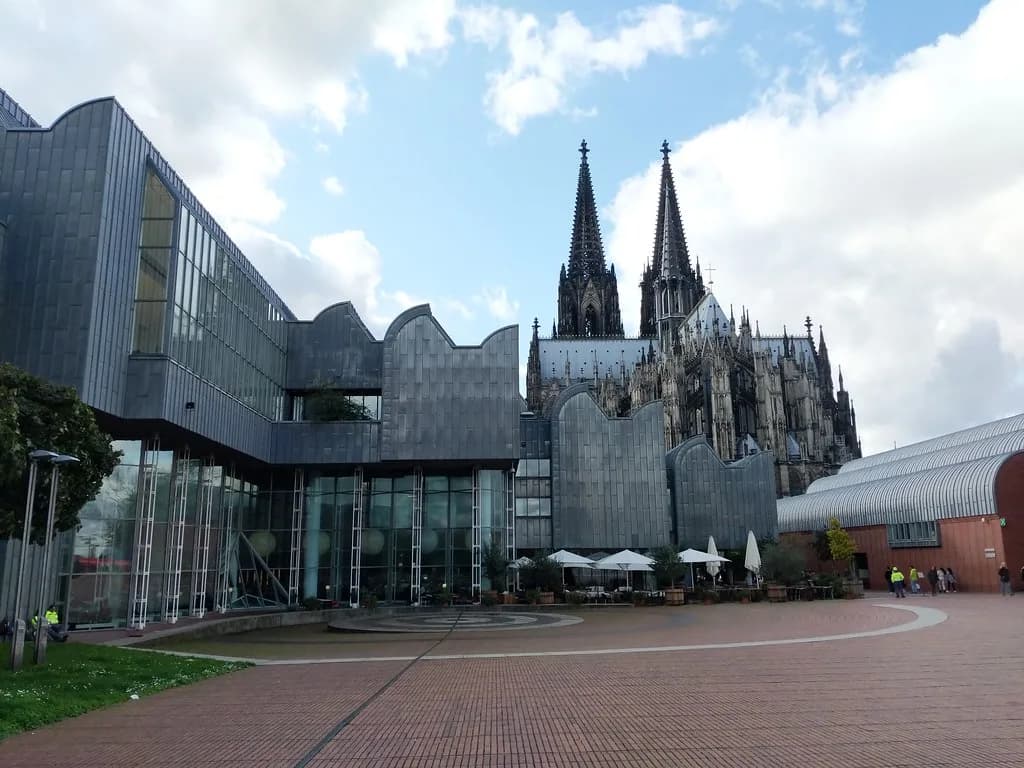
Museum Ludwig is located just a few steps away from the cathedral, creating a perfect pairing of historical and modern architecture. The proximity of these two sites allows you to transition from medieval religious art to 20th-century pop culture in minutes. This central location makes the museum highly accessible for those arriving by train at the nearby central station for a day.
Walking through the city center reveals a variety of other landmarks including the historic town hall and several ancient Roman ruins. Each corner of the old town offers a new perspective on how Cologne has evolved from a Roman colony to a modern hub. Prioritize these central attractions to ensure you see the most famous parts of the city without spending too much time traveling.
Museums, Art, and Culture in Cologne
Cologne is widely recognized as one of the most important cultural centers in Germany due to its high concentration of specialized museums. From Roman history to the sweet history of chocolate, there is a dedicated space for almost every interest imaginable within the city. Exploring the various things to do in Cologne will lead you to several hidden galleries and local art studios.
The city hosts numerous international art fairs and cultural festivals that attract creators and collectors from every corner of the globe. This vibrant atmosphere is reflected in the diverse exhibitions found at Museum Ludwig and the Wallraf-Richartz Museum nearby. Artistic expression is woven into the fabric of daily life here, with public installations and murals decorating many of the local neighborhoods.
Many visitors are surprised by the sheer volume of world-class pieces that are accessible within such a walkable city center area. You can spend hours lost in thought while viewing works by masters like Rembrandt, Rubens, and contemporary giants like Gerhard Richter. The cultural density of the city ensures that every visit provides a fresh perspective on the history of human creativity and innovation.
Parks, Gardens, and Outdoor Spots in Cologne
While the indoor galleries are spectacular, the area surrounding Museum Ludwig also offers beautiful outdoor spaces for relaxation and scenic views. The museum building itself features a unique architectural design that integrates perfectly with the surrounding urban landscape and the Rhine River. One of the best-kept secrets is the roof garden, which provides a stunning vantage point for photographing the cathedral spires from above.
Just outside the museum, the Heinrich-Böll-Platz provides a wide open space where you can enjoy the fresh air and river breezes. This public square is often filled with street performers and locals enjoying the view of the Hohenzollern Bridge and its many locks. Strolling along the riverbank after your museum visit is a great way to process the art while watching the boats pass by.
The city also boasts several large parks like the Rheinpark, which is easily accessible via a short walk or a scenic ferry ride. These green spaces offer a peaceful escape from the busy city streets and are perfect for a mid-day picnic or a rest. Combining a museum visit with some time in nature helps balance a busy sightseeing schedule and keeps your energy levels high.
Family-Friendly and Budget-Friendly Options in Cologne
Traveling with a family or on a tight budget does not mean you have to miss out on the best art in Cologne. The city offers several ways to save money on entrance fees and public transportation while exploring the most famous cultural landmarks. Using our getting around Cologne and KölnCard guide can help you unlock significant discounts at many major museums.
Museum Ludwig provides reduced ticket prices for students, seniors, and groups, making it more accessible for everyone to enjoy the collections. Children often find the bright colors and bold shapes of the Pop Art section particularly engaging and fun to explore together. Many galleries also offer interactive elements or family-oriented tours that help younger visitors connect with the modern artworks on display.
A valid KölnCard gives you 20% off standard adult admission to Museum Ludwig, bringing the entry fee to roughly 8.80 to 10 Euros depending on the season.
Planning your visit for specific times can also lead to savings, as some institutions offer free or discounted entry on certain days. Always check the official website for current pricing and special offers before you arrive at the ticket desk for your tour. Budget-conscious travelers can also find plenty of free public art and historical sites to enjoy throughout the charming streets of the old town.
- Budget Saving Entry Options
- Type: KölnCard Discount
- Benefit: 20% off entry
- Eligibility: All card holders
- Availability: Museum ticket desk
How to Plan a Smooth Cologne Attractions Day
A successful day of sightseeing in Cologne requires a bit of strategic planning to avoid long lines and crowded gallery spaces. Starting your morning early at the cathedral allows you to beat the largest tour groups and enjoy the quiet atmosphere of the nave. Following our one day in Cologne itinerary ensures you see the highlights while maintaining a relaxed and enjoyable pace.
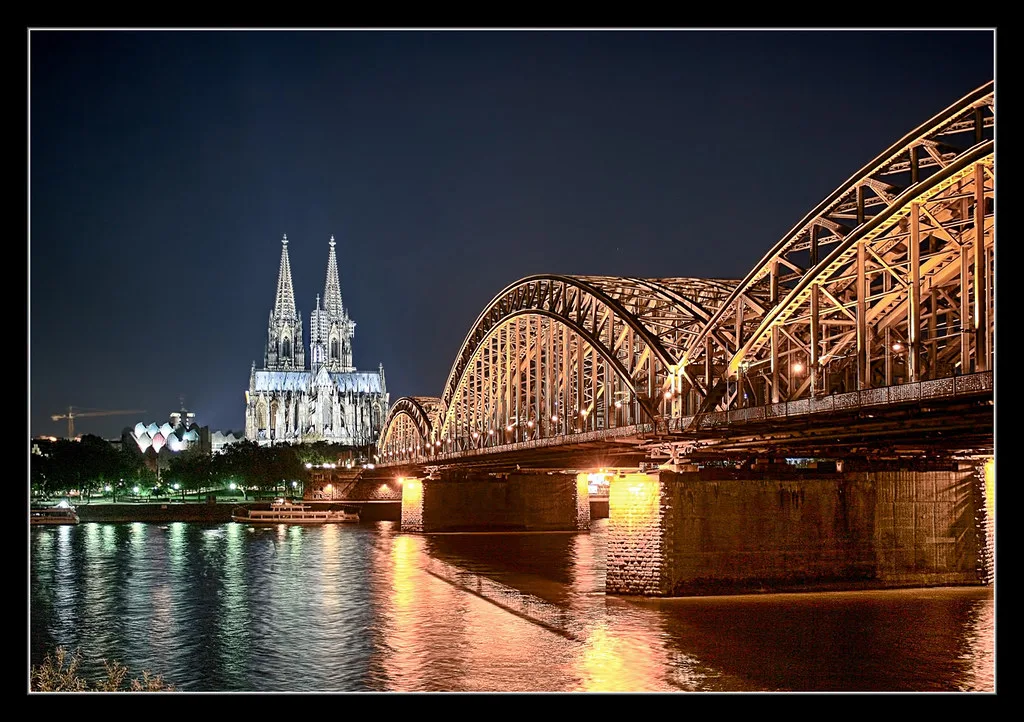
After visiting the cathedral, take the short walk to Museum Ludwig to spend your late morning immersed in the world of modern art. The museum cafe is an excellent spot for a quick lunch or a coffee before you continue your exploration of the city. Allocating at least two to three hours for the museum allows you to see the main collections without feeling rushed or overwhelmed.
Consider booking your tickets online in advance to skip the queue at the entrance and guarantee your preferred time slot for entry. This is especially important during peak travel seasons or when special exhibitions are drawing larger crowds to the museum galleries. Keep your schedule flexible so you can spend more time in the sections that truly capture your interest and creative imagination.
During peak travel seasons and major special exhibitions, crowds and queues build quickly, so book your tickets online in advance to secure your preferred entry time slot.
Great collection thanks to donations
The incredible depth of the collection at Museum Ludwig is largely due to the generosity of private collectors Peter and Irene Ludwig. In 1976, the couple donated 350 pieces of modern art to the city, which served as the foundation for the current museum. This massive gift transformed Cologne into a global hub for contemporary art and established a legacy that continues to grow today.
The Ludwigs were passionate about making art accessible to the public and believed that modern works should be shared with the world. Their donation included iconic pieces from the Pop Art movement and significant works from the Russian Avant-Garde period of the early century. According to the ArtFacts Institution Profile, this museum ranks among the top institutions globally for its artistic density.
Since the initial donation, the museum has continued to acquire new pieces through further gifts and strategic purchases by the city and state. The commitment to documenting the evolution of art over the last 120 years remains the core mission of the institution and its curators. Visitors can feel the personal passion of the original collectors as they walk through the thoughtfully arranged galleries and themed exhibition rooms.
In the middle of Cologne on the trail of Picasso
One of the most significant reasons to visit Museum Ludwig is to experience its world-renowned collection of works by Pablo Picasso. The museum holds the third largest Picasso collection in the world, surpassed only by the dedicated Picasso museums in Paris and Barcelona. This extensive archive provides a comprehensive look at the artist's career, from his early sketches to his late revolutionary paintings and sculptures.
A unique feature of this collection is the inclusion of all three major print cycles created by the Spanish master during his life. Seeing these cycles together allows visitors to understand the technical evolution and creative experimentation that defined Picasso's influential and long career. The galleries are arranged to highlight the different periods of his work, including his famous Blue, Rose, and Cubist phases of art.
Art historians and casual fans alike will appreciate the rare opportunity to see so many masterpieces in one central location in Germany. Take your time in this section to study the intricate details and bold choices that made Picasso the most famous artist of his time. The Picasso collection is a true highlight of the museum and remains a primary draw for international visitors traveling to Cologne for culture.
The most important artists of the last 120 years
Beyond Picasso, the museum serves as a sanctuary for the most influential creative movements that have shaped the modern and contemporary art world. The collection spans the last 120 years, capturing the radical shifts in style and thought that occurred throughout the 20th and 21st centuries. From the bold colors of German Expressionism to the mass-media influence of American Pop Art, the diversity of the work is truly staggering.
The Russian Avant-Garde section is particularly notable, as it is one of the most significant collections of its kind outside of Russia itself. Works by artists like Malevich and Kandinsky showcase the early 20th-century push toward abstraction and the rejection of traditional representational art forms. These pieces provide essential context for understanding how modern art developed into the diverse and complex field we see in galleries today.
Walking through the galleries is like taking a masterclass in art history, with each room representing a different chapter of the creative story. The museum successfully balances famous names with lesser-known artists who played pivotal roles in their respective movements and local artistic scenes. This broad approach ensures that every visitor finds something that resonates with their personal taste and sparks their own creative curiosity and wonder.
- Major Art Movements Represented
- Movement: German Expressionism
- Key Artist: Ernst Ludwig Kirchner
- Movement: American Pop Art
- Key Artist: Andy Warhol
- Movement: Russian Avant-Garde
- Key Artist: Kazimir Malevich
Many hidden treasures
While the permanent paintings are the stars of the show, Museum Ludwig also houses a vast and impressive collection of photography. This archive contains over 70,000 items, making it one of the largest and most important photography collections in all of Europe today. Due to the delicate nature of the prints, only about 3% of this massive collection is on public display at any given time.
The museum uses rotating special exhibitions to showcase different parts of the photography archive throughout the year for visitors to enjoy. This means that every visit offers the chance to see something new and discover a different aspect of the history of the lens. Check the Museum Ludwig Official Site for information on the current rotating photo exhibits before you plan your trip.
In addition to photography, the museum's basement levels often house experimental installations and contemporary works that challenge traditional definitions of art. These hidden treasures provide a deeper look into the current trends and future directions of the global art scene for dedicated fans. Do not forget to explore the entire building, as some of the most thought-provoking pieces are tucked away in the quieter corner galleries.
| Collection at a glance | Detail |
|---|---|
| Picasso collection | 3rd largest in the world (after Paris and Barcelona) |
| Founding donation (1976) | 350 modern artworks from Peter and Irene Ludwig |
| Photography archive | Over 70,000 items; about 3% on display at any time |
| Collection span | The last 120 years of modern and contemporary art |
Notable Artists and Works
The museum is home to several iconic masterpieces that have become synonymous with the history of 20th-century art and popular culture. Fans of American Pop Art will be delighted to see massive canvases by Roy Lichtenstein and the famous soup cans of Andy Warhol. One of the most playful and recognizable works is the giant ice cream cone by Claes Oldenburg which sits on a nearby roof.
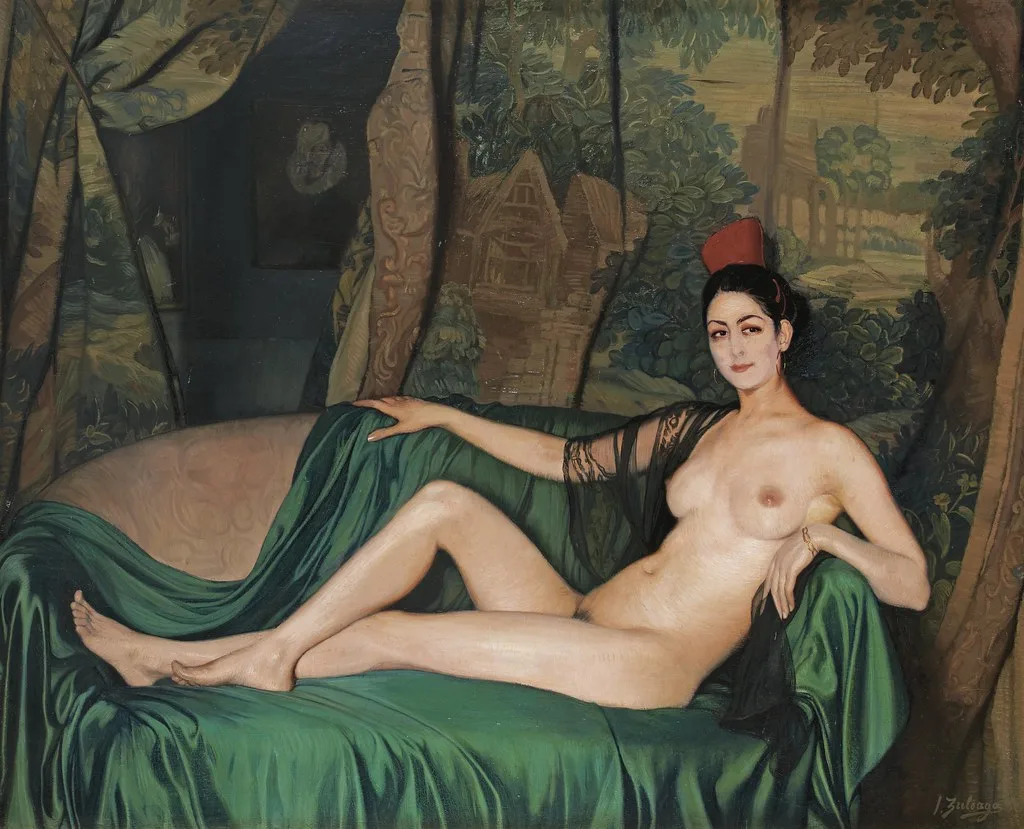
The collection also features significant works by German artists such as Joseph Beuys and Gerhard Richter, who redefined art in the post-war era. These pieces often deal with complex themes of history, identity, and the role of the artist in a rapidly changing modern society. If you are staying in the city, check our guide on best neighborhoods to stay in Cologne to be near these sites.
Each notable work is accompanied by detailed descriptions that provide context and help you understand the artist's intent and creative process. Whether you prefer the bold graphics of Pop Art or the subtle textures of abstract painting, the museum offers something for every artistic preference. Make a list of your must-see artists before you arrive to ensure you navigate the large building efficiently and see your favorites.
- Iconic Masterpieces to See
- Artist: Roy Lichtenstein
- Work: Maybe
- Artist: Andy Warhol
- Work: Brillo Boxes
- Artist: Claes Oldenburg
- Work: Soft Washstand
Frequently Asked Questions
Is the Museum Ludwig worth it for non-art fans?
Yes, Museum Ludwig is worth visiting even for non-art fans because of its central location and iconic Pop Art collection. The bright, recognizable works by Warhol and Lichtenstein are engaging for everyone. It offers a great contrast to the historical sites like the Chocolate Museum in Cologne which is nearby.
How much does it cost to enter Museum Ludwig with a KölnCard?
Visitors with a valid KölnCard receive a 20% discount on the standard adult admission price at the museum. This makes the entry fee approximately 8.80 to 10 Euros depending on current seasonal rates. It is an excellent way to save money while exploring the city's top cultural attractions.
Can you see the Picasso collection in under two hours?
You can see the main highlights of the Picasso collection in about 90 minutes if you follow a focused path. However, art enthusiasts may want to spend at least two to three hours to appreciate the full range of works. The collection is extensive and covers many different creative periods.
What is the best time of day to avoid crowds at Museum Ludwig?
The best time to avoid crowds is typically right when the museum opens on weekday mornings or during the late afternoon. Tuesdays and Wednesdays are generally quieter than weekends when many locals and tourists visit the galleries. Arriving early also gives you the best light for the roof garden views.
Museum Ludwig remains an essential stop for anyone visiting Cologne because of its world-class collection and central location next to the cathedral. The museum successfully bridges the gap between historical tradition and modern innovation through its diverse and expertly curated art galleries. You will leave with a deeper appreciation for the creative movements that have shaped our visual world over the last century of history.
Remember to take advantage of local discounts like the KölnCard to make your cultural exploration both affordable and convenient during your stay. Whether you are coming for the Picasso collection or the photography archives, the museum offers a rich and rewarding experience for every type of traveler. Plan your visit for 2026 to see the latest rotating exhibitions and enjoy the vibrant atmosphere of this incredible German cultural hub.
Cologne continues to prove itself as a leader in the global art scene, and Museum Ludwig is the shining jewel in its crown. We hope this guide helps you navigate the halls and discover the many hidden treasures waiting for you inside this iconic building. Enjoy your journey through the history of modern art and the charming streets of one of Germany's most beautiful and historic cities.
You might also like

Continue reading
More guides you'll find useful