10 Essential Cologne Cathedral History and Facts
Discover the 632-year journey of Cologne Cathedral. Explore key facts about its Gothic architecture, WWII survival, and the Shrine of the Three Kings.
On this page
10 Essential Cologne Cathedral History and Facts
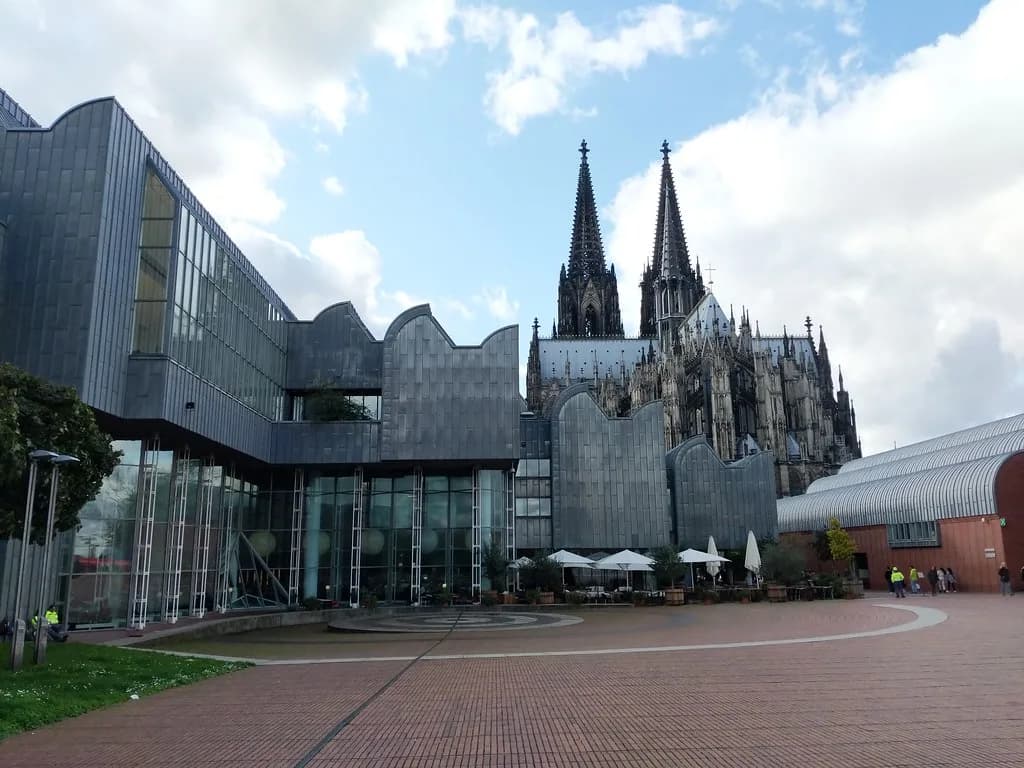
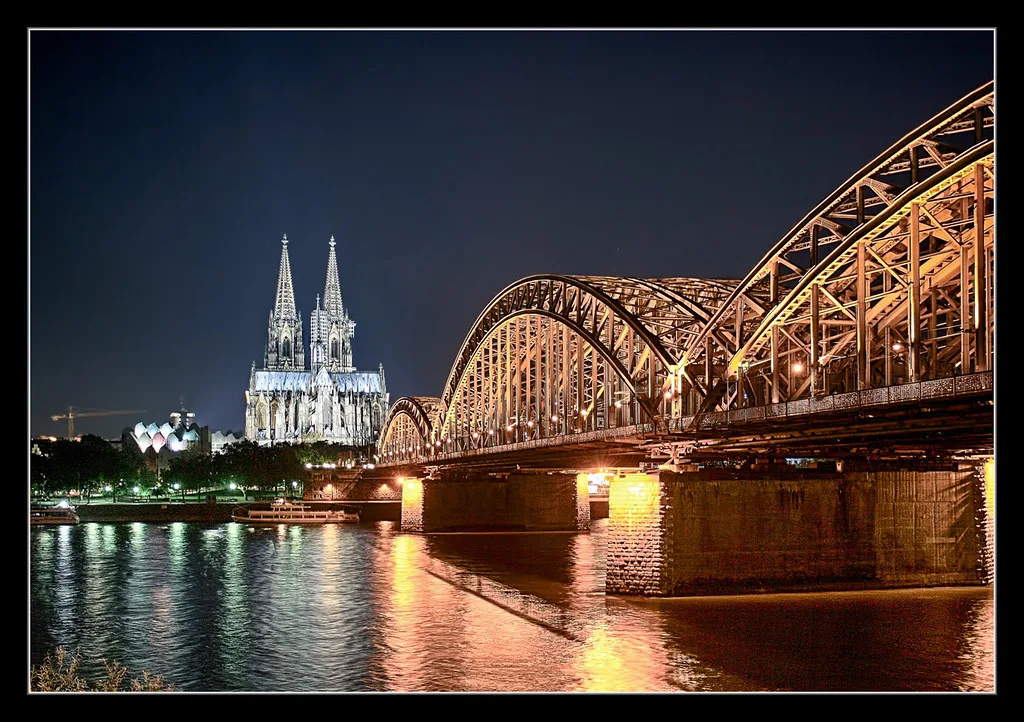
Cologne Cathedral stands as a towering symbol of German history and architectural brilliance on the banks of the Rhine. This massive structure took over 600 years to complete, witnessing the rise and fall of empires. Walking through the Cologne Old Town, you cannot miss its dark, twin spires piercing the sky. Understanding the cologne cathedral history and facts reveals why this site remains a top global landmark.
The building is not just a place of worship but a testament to human persistence and artistic vision. It houses some of the most precious religious relics in the world within its cold, stone walls. From Roman ruins to modern stained glass, every corner tells a story of survival and faith. This guide explores the essential milestones that shaped this UNESCO World Heritage site into what it is today.
Pre-medieval Origins and Archaeological Excavations
The history of this site begins long before the first Gothic stones were laid in the 13th century. Archaeological digs have uncovered evidence of a 4th-century baptistery located directly beneath the current choir. These early Christian structures suggest that this spot has been a center of worship for nearly two millennia. Early Roman residents of Cologne likely gathered here for religious ceremonies long before the city became a medieval powerhouse.
In the 9th century, a significant Carolingian structure known as the 'Old Cathedral' occupied this very ground. This predecessor was a double-choir basilica that served the city until a devastating fire in 1248. Excavations following World War II revealed the impressive footprint of this ancient building. You can still see these historical layers today through specialized underground tours.
The transition from the Old Cathedral to the current masterpiece was born out of necessity and ambition. After the fire, city leaders decided to build something far more grand to reflect Cologne's growing status. They used the Roman city walls as a foundation for parts of the new structure. This blending of Roman and medieval engineering created the solid base required for the massive weight above.
- Site Comparison: Old vs. New
- Old Cathedral Era: Carolingian period
- Old Cathedral Length: 95 meters
- Current Cathedral Style: High Gothic
- Current Cathedral Length: 144 meters
The Gothic Vision: Construction Begins (1248)
Construction of the current Gothic cathedral officially began on August 15, 1248. Archbishop Konrad von Hochstaden laid the foundation stone during a grand ceremony. The goal was to create a worthy home for the newly acquired relics of the Three Kings. This religious motivation fueled one of the most ambitious building projects in European history.
Master Gerhard of Ryle was the primary architect who designed the original plans. He drew heavy inspiration from the French High Gothic style seen in Amiens and Reims. The design featured soaring vaults and massive windows to let in 'divine light'. Gerhard's vision established the blueprint that workers would follow for the next six centuries.
The choir was the first section completed and was consecrated in 1322. It remains one of the most beautiful examples of medieval craftsmanship in the world. Builders used local trachyte stone, which gives the cathedral its distinct weathered appearance. Even in its early stages, the building was a marvel of engineering and art.
The 300-Year Interruption and 19th-Century Completion
Work on the cathedral came to a sudden halt in 1473 due to a lack of funds. The south tower remained unfinished, with a massive wooden crane left perched on its top. This crane became a permanent part of the Cologne skyline for over 300 years. Locals grew so accustomed to the sight that it became a symbol of the city's stalled ambitions.
Interest in completing the cathedral was revived in the early 19th century. The discovery of the original medieval facade plans in 1814 sparked a new wave of enthusiasm. Prussian King Frederick William IV provided the political and financial support needed to resume work. This project became a matter of national pride for the newly unified German territories.
The final stone was placed on the south tower in 1880, marking the end of construction. A massive celebration attended by Emperor Wilhelm I honored the 632-year journey. While the building was finally 'finished', the work of maintenance began almost immediately. The cathedral finally stood as the tallest building in the world for a short period.
Architectural Feats: Height, Spires, and Dimensions
Cologne Cathedral is a giant of Gothic architecture with truly staggering dimensions. The twin spires reach a height of 157 meters, dominating the local landscape. It features the largest facade of any church in the world, covering over 7,000 square meters. These statistics helped the building earn its UNESCO World Heritage Listing (UNESCO World Heritage Listing) in 1996.
The interior length of the building stretches across 144 meters from east to west. Its transept measures 86 meters wide, providing ample space for thousands of worshippers. The central nave vaults soar to a height of 43 meters above the floor. If you are planning a visit, check out our best things to do in Cologne for more local highlights.
Engineers used flying buttresses to support the massive weight of the stone roof. This allowed for thinner walls and the installation of enormous stained glass windows. The structural balance achieved by the medieval masons is still studied by architects today. Every stone was precisely carved to fit into a complex puzzle of Gothic geometry.
| Feature | Measurement |
|---|---|
| Spire height (twin towers) | 157 meters |
| Interior length (east to west) | 144 meters |
| Transept width | 86 meters |
| Central nave vault height | 43 meters |
| Facade area | over 7,000 m² |
| Tower viewing platform | 97 meters (533 steps) |
Miraculous Survival: The Cathedral in World War II
The cathedral's survival during World War II is often described as a miracle. While the surrounding city was almost entirely leveled, the cathedral remained standing. It was hit by 14 heavy aerial bombs that caused significant structural damage. The vaults in the north transept collapsed, and many medieval windows were shattered.
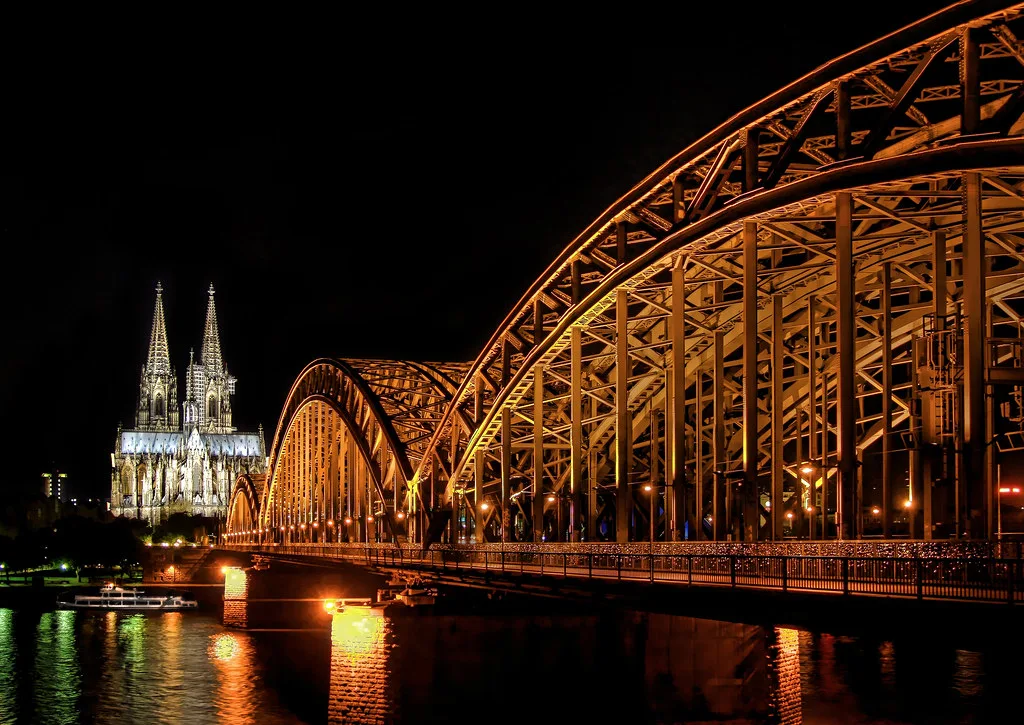
One reason for its survival was its use as a navigation landmark. Allied pilots used the twin spires to orient themselves during bombing raids over Germany. This unintended function likely saved the building from being targeted for total destruction. Firefighters also worked tirelessly to extinguish incendiary bombs that landed on the roof.
Restoration work began immediately after the war ended in 1945. The 'brick patch' on the northwest tower remained visible for decades as a memorial. It was finally replaced with matching stone in 2005 to restore the facade's uniform look. Today, the building serves as a powerful reminder of resilience in the face of war.
Interior Treasures: The Gero Crucifix and Stained Glass
The interior of the cathedral is a treasure trove of medieval and modern art. One of the most significant pieces is the Gero Crucifix, dating back to around 970 AD. It is the oldest large-scale crucifix north of the Alps and remains a major pilgrimage object. The emotional detail in the carving was revolutionary for its time in the 10th century.
The stained glass windows span several centuries of artistic development. The 'Bible Window' from the 13th century is a masterpiece of medieval storytelling through light. In contrast, the modern Richter window, installed in 2007, features 11,500 squares of colored glass. You can learn more about local art in our Cologne museums guide for further exploration.
The floor is covered in intricate mosaics that depict the history of the Archbishopric. These mosaics were added in the 19th century during the final phase of construction. They cover over 1,300 square meters and are often protected by rugs during services. Take a moment to look down and appreciate the detailed patterns beneath your feet.
The Shrine of the Three Kings: A Golden Masterpiece
The spiritual heart of the cathedral is the Shrine of the Three Kings. This golden reliquary is said to contain the bones of the Magi who visited the infant Jesus. Archbishop Rainald von Dassel brought these relics from Milan to Cologne in 1164. Their arrival turned Cologne into one of the most important pilgrimage sites in Christendom.
The shrine was created by the famous goldsmith Nicholas of Verdun. It is the largest and most artistically significant reliquary from the Middle Ages. The structure is shaped like a basilica and is covered in gold, silver, and precious gems. Over 1,000 jewels and pearls adorn the exterior of this medieval masterpiece.
Visitors can view the shrine from behind the high altar in the choir. It remains a focal point for religious ceremonies and international visitors. The relics are only shown to the public on special feast days during the year. Protecting this golden treasure was a primary reason for the cathedral's massive scale.
Climbing the South Tower: 533 Steps to the Top
For those seeking adventure, the south tower offers a challenging climb. A narrow spiral staircase leads visitors up 533 steps to the viewing platform. There is no elevator, so you must be in good physical condition for the ascent. The staircase narrows significantly as you reach the higher sections of the spire.
The viewing platform is located at a height of 97 meters. From here, you can enjoy panoramic views of the Rhine and the Old Town district. You will also pass the belfry, which houses the massive St. Petersglocke bell. Check the cathedral tickets and tower climb guide for current prices and hours.
The climb takes about 15 to 20 minutes for the average visitor. Be prepared for crowds in the narrow passages during peak tourist season. The effort is rewarded with a close-up look at the intricate stone carvings on the exterior. It is one of the most popular activities for travelers visiting Cologne.
The south tower has no elevator — it's a 533-step spiral climb to the 97-meter viewing platform, so you need to be in good physical condition. The staircase narrows toward the top, and passages get crowded during peak season.
The Dombauhütte: A Living History of Maintenance
The cathedral is often called a 'permanent construction site' for a very good reason. The 'Dombauhütte' is a specialized masonry workshop that has existed since the 13th century. A team of about 100 stonecutters, masons, and restorers works here every day. Their job is to repair the constant damage caused by weather and pollution.
They use traditional techniques passed down through generations of master builders. Modern technology like 3D scanning is now used alongside ancient hand tools. This continuity of craftsmanship makes the cathedral a living monument rather than a static museum. You can often see scaffolding on different parts of the building as they work.
The soft sandstone used in construction is particularly vulnerable to acid rain. Masons must carefully carve replacement stones to match the original medieval designs. This ongoing work ensures that the cathedral will remain standing for future generations. It is a massive financial and technical undertaking that never truly ends.
Surprising Facts and Trivia
Cologne Cathedral is full of quirky details that many visitors overlook. The St. Petersglocke, or 'Fat Peter', is one of the largest free-swinging bells in the world. It weighs 24 tons and is only rung on special religious holidays. For more practical tips, read our cathedral visiting guide before you arrive.
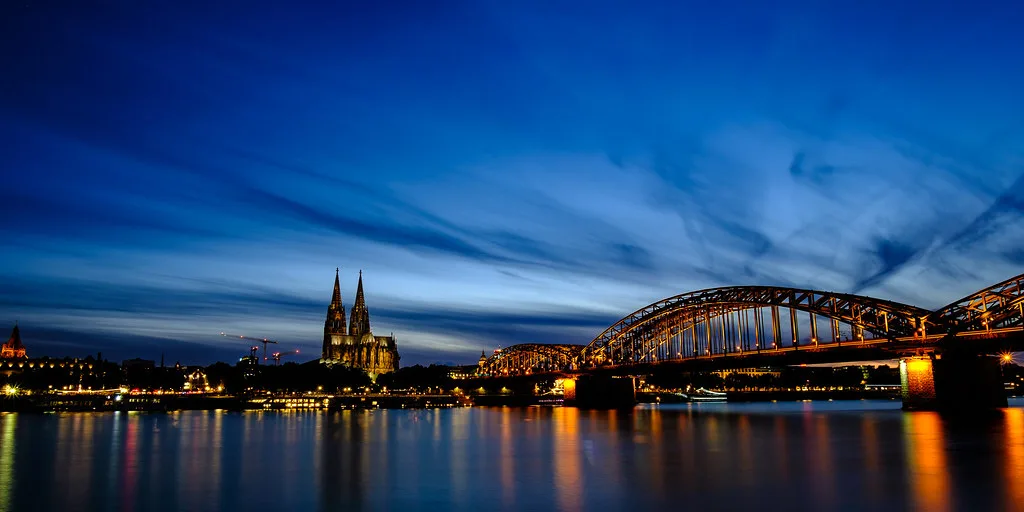
The high altar is made from a single massive block of black marble. It was installed in 1322 and is considered a masterpiece of the early Gothic period. The sides of the altar are decorated with white marble figures of the apostles. This contrast of black and white marble creates a striking visual in the choir.
The cathedral attracts an average of 20,000 visitors every single day. This makes it the most visited landmark in all of Germany. Despite the crowds, the interior maintains a sense of quiet majesty and awe. Entry to the main floor is free, though donations are always encouraged.
Entry to the cathedral's main floor is free (donations encouraged). With around 20,000 visitors a day — the most of any landmark in Germany — arriving early helps you avoid the worst of the crowds.
- Cathedral by the Numbers
- Construction time: 632 years
- Daily visitors: 20,000 people
- Total steps: 533 steps
- Bell weight: 24 tons
Frequently Asked Questions
How old is Cologne Cathedral?
The cathedral's construction began in 1248, making the oldest parts over 770 years old. However, it was not fully completed until 1880. This 632-year timeline includes a long pause in work during the Renaissance. See our best photo spots guide for night views.
How many bombs hit Cologne Cathedral in WWII?
The cathedral was hit by 14 heavy aerial bombs during the war. Despite these hits, the main structure remained standing while the surrounding city was destroyed. Allied pilots used the spires as a navigation landmark, which likely prevented its total destruction during the raids.
How many steps are in the Cologne Cathedral tower?
There are exactly 533 steps in the spiral staircase of the south tower. The climb leads to a viewing platform 97 meters above the ground. It is a strenuous physical activity with no elevator access for visitors. Wear comfortable shoes and bring water for the climb.
Why is the Shrine of the Three Kings significant?
The shrine is believed to hold the relics of the Magi who visited Jesus. It made Cologne one of the most important pilgrimage sites in Europe during the Middle Ages. The reliquary itself is a masterpiece of medieval goldwork created by Nicholas of Verdun.
Cologne Cathedral is far more than just a beautiful building in Germany. It represents centuries of history, from Roman origins to modern-day restoration efforts. The cologne cathedral history and facts highlight a story of incredible persistence. Whether you climb the tower or admire the gold shrine, the experience is unforgettable.
Plan your visit carefully to make the most of this architectural giant. Consider using the KolnCard guide to navigate the city with ease. The cathedral remains a living monument that continues to inspire millions of people. Take your time to explore every detail of this Gothic masterpiece on the Rhine.
You might also like
Continue reading
More guides you'll find useful