Nuremberg Old Town Walking Guide: Best Routes & Tips
Explore the Altstadt with our Nuremberg old town walking guide. Discover castle views, medieval bridges, and historic squares on foot. Plan your visit today!
On this page
The Ultimate Nuremberg Old Town Walking Guide
Nuremberg's Old Town feels like a journey back into the medieval era.
Walking through the Altstadt allows you to touch history at every corner.
This nuremberg old town walking guide helps you navigate the narrow streets with ease.
Expect to find towering cathedrals and colorful half-timbered houses along the way.
The Imperial Castle: Starting at the Top
The Imperial Castle sits high on a sandstone ridge overlooking the entire city. It served as a vital residence for Holy Roman Emperors for hundreds of years. Most travelers start their castle visit early to avoid the largest tour groups.
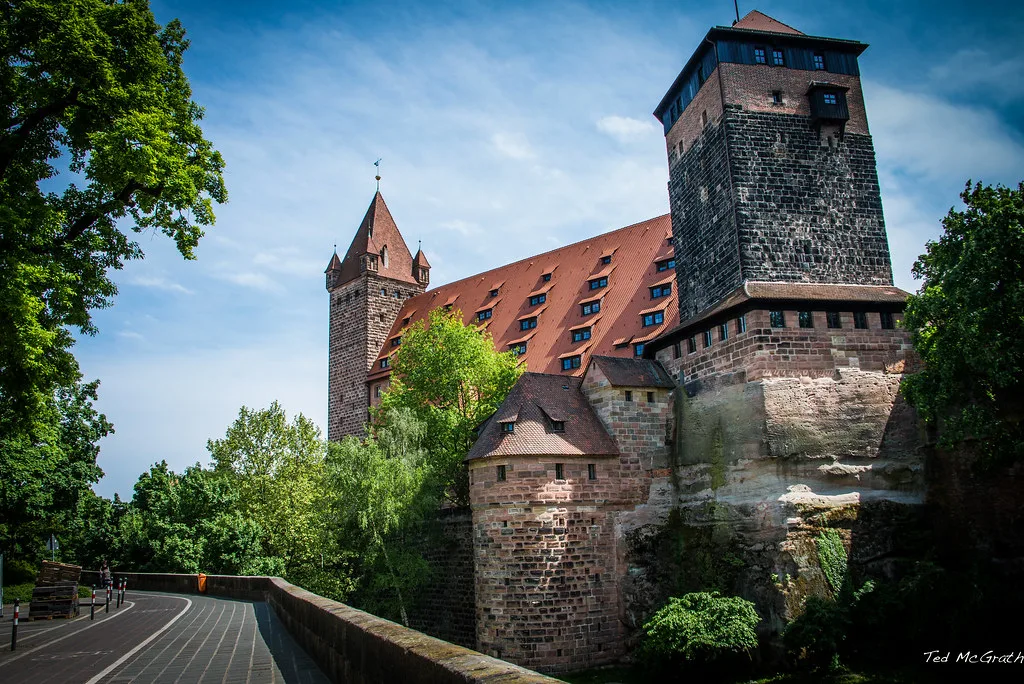
Walking through the outer courtyards is free and offers stunning panoramic views. You can see the red-tiled roofs of the Altstadt stretching toward the horizon. The deep well and the Sinwell Tower require a paid ticket for entry. Plan to spend at least one hour exploring these historic fortifications.
The castle's outer courtyards are free to walk and open by 9:00 AM, but you need a paid ticket for the deep well and Sinwell Tower. Arrive early to enjoy the panoramic views before the largest tour groups arrive.
Look for the small garden tucked away behind the castle walls during spring. This quiet spot provides a peaceful break from the busy tourist paths below. Stone benches allow you to rest while admiring the medieval masonry. The castle gate usually opens by 9:00 AM for morning visitors.
The northern walls offer a unique perspective on the city's defensive layout. Massive bastions and dry moats still surround much of the northern perimeter. You can follow the path along the wall toward the Tiergärtnertor square. This area is perfect for capturing photos of the castle's exterior.
Many guided tours begin at the castle entrance because of its prominence. Checking the one day itinerary helps you time your castle visit perfectly. Evening walks around the castle grounds offer a romantic atmosphere under the lights. The castle remains a symbol of Nuremberg's power and historical significance.
- Imperial Castle Grounds
- Access: Free courtyards
- Best for: Panoramic views
- Time: 60 minutes
- Location: Northern ridge
Exploring the Sebald Side and Market Square
Walking south from the castle leads you directly into the bustling Market Square. This open plaza hosts the famous Christkindlesmarkt every winter season. The square serves as the heart of the Sebald district north of the river. Local vendors sell fresh produce and crafts here throughout the week.
Look for the Gilded Fountain, known as Schöner Brunnen, on the square's edge. Spinning the brass ring on the fountain's iron fence is said to bring luck. The intricate carvings represent the world view of the Holy Roman Empire. It stands 19 meters high and features forty colorful stone figures.
The Frauenkirche church dominates the eastern side of the Market Square. Try to arrive by noon to see the mechanical clock performance. Seven elective princes circle the emperor figure during the daily display. The interior of the church offers a quiet space for reflection.
St. Sebald Church is located just a short walk from the fountain. This Gothic structure is the oldest parish church in the entire city. It houses the impressive silver tomb of Saint Sebaldus himself. The exterior walls show visible repairs from the reconstruction after the war.
Walking through this district reveals many hidden culinary gems and cafes. You might stop for Nuremberg bratwurst at one of the traditional stalls. These small sausages are traditionally grilled over beechwood fires for flavor. The aroma of spices often fills the air near the church.
Crossing the Pegnitz: Bridges and River Views
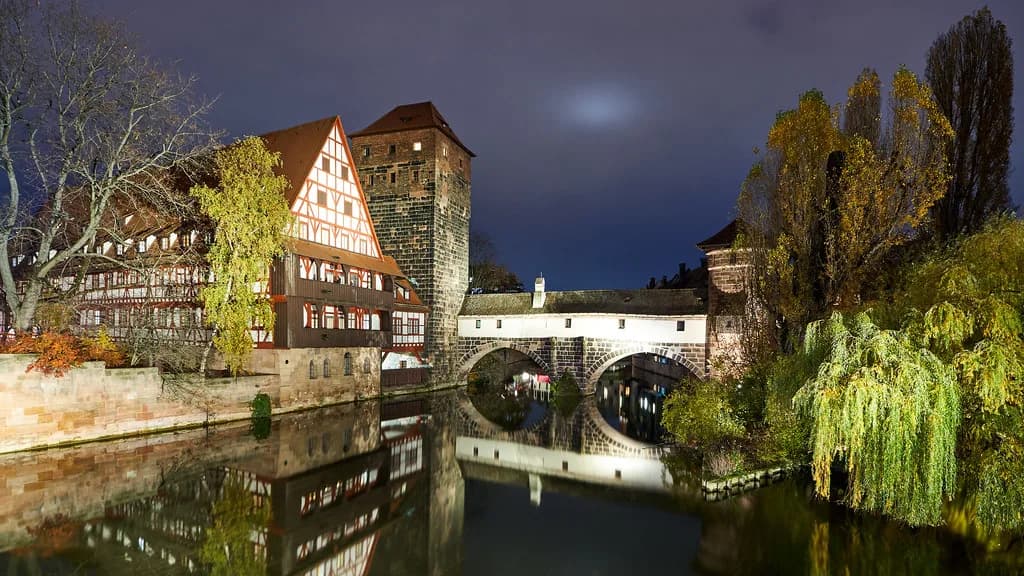
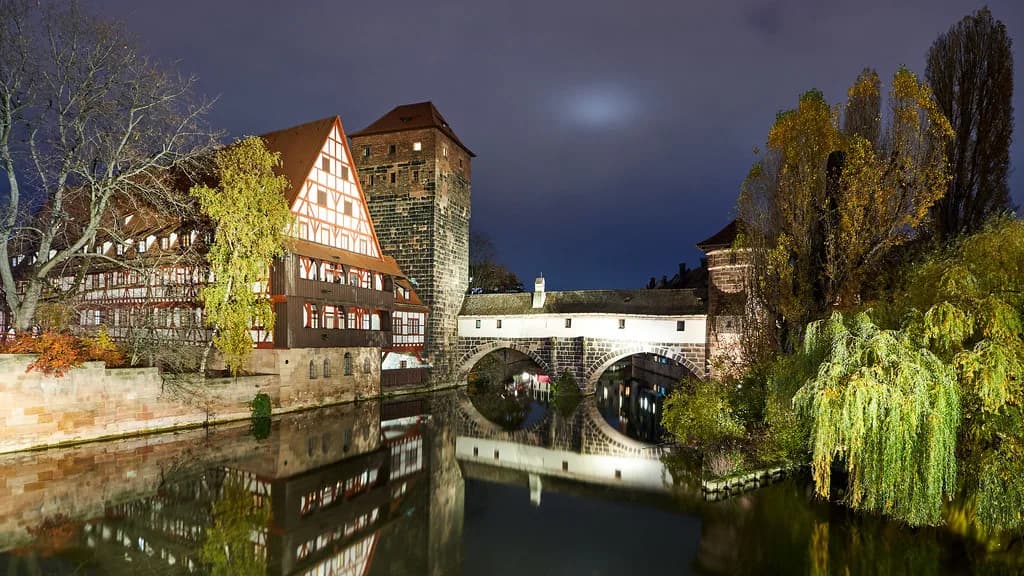
The Pegnitz River flows through the center of the Old Town. Several historic bridges connect the northern and southern halves of the city. The Henkersteg, or Hangman's Bridge, is the most photographed wooden structure. It leads to a small island that once housed the city's executioner.
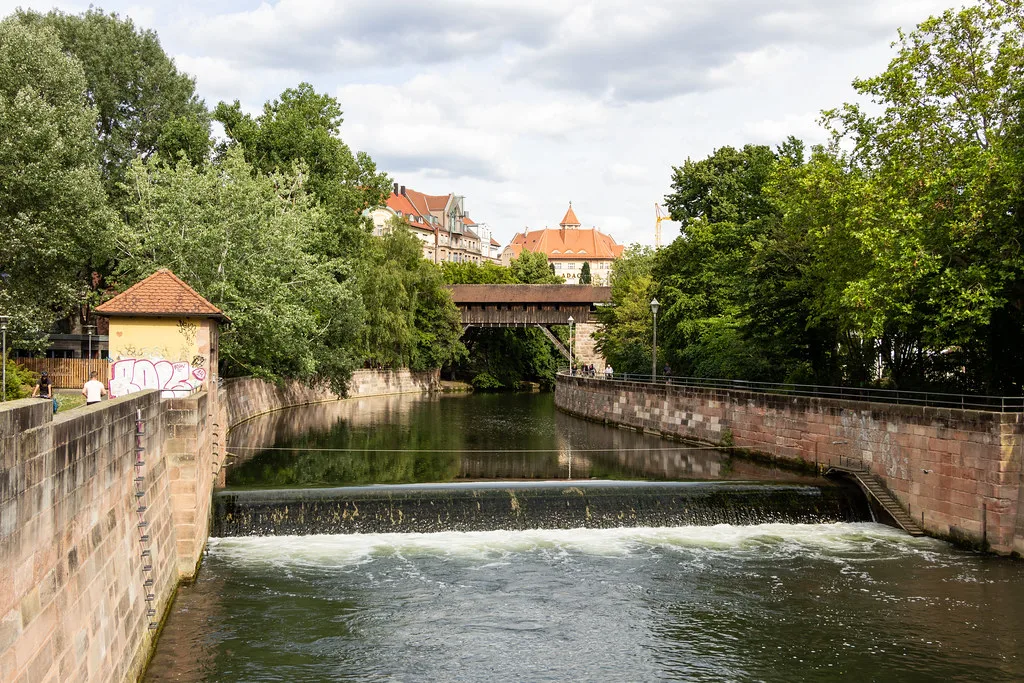
Maxbrücke offers the best view of the medieval Weinstadel building. This former wine storehouse is one of the largest half-timbered houses in Germany. Reflections of the dark wood and white plaster shimmer on the water. Many visitors pause here to enjoy the scenic river landscape.
Trödelmarkt is a charming island located in the middle of the river. It features specialized boutiques and cozy wine bars for a relaxed break. The atmosphere here feels much quieter than the main market squares. You can reach it by crossing the small stone bridges from either side.
Walking along the riverbanks provides a different perspective on the city's architecture. You will see how the medieval houses were built directly into the walls. The sound of the rushing water creates a peaceful backdrop for your walk. Several benches are available for those who want to watch the ducks.
Exploring the river area is one of the best things to do in Nuremberg for photographers. Early morning light provides the best conditions for capturing the bridge details. The paths are mostly flat and easy to navigate on foot. Most river crossings take only a few minutes to walk across.
The Lorenz Side: Gothic Churches and Shopping
Crossing south of the river brings you into the Lorenz district. St. Lorenz Church is the centerpiece of this lively pedestrian zone. Its twin towers are visible from almost anywhere in the southern Altstadt. The interior contains a massive 15th-century tabernacle by Adam Kraft.
Nassauer Haus stands directly across from the church entrance. This medieval residential tower is a rare example of Gothic secular architecture. It looks like a small castle tucked into a busy city street. The lower levels now house a restaurant serving traditional Franconian dishes.
Königstraße is the main artery for shopping and walking in this area. It connects the main train station to the historic river bridges. You will find a mix of international brands and local specialty shops. The street is entirely pedestrianized for a comfortable walking experience.
Look for the Tugendbrunnen, or Fountain of Virtue, near the church. Water flows from the breasts of figures representing seven different virtues. This bronze fountain dates back to the late sixteenth century. It remains a popular meeting point for locals and tourists alike.
The Lorenz side offers many of the best hotels in Nuremberg for overnight guests. Staying here puts you within walking distance of the main transit hub. You can easily reach the southern city walls from the church square. The area stays vibrant well into the evening hours.
Walking the Medieval City Walls and Gates
Nuremberg still retains about four kilometers of its original defensive walls. Walking along the base of the wall offers a unique historical perspective. The Westtor and Spittlertor gates are particularly well-preserved examples. You can see the massive dry moats that once deterred invaders.
The Handwerkerhof is a small craft village located near the Frauentor gate. It recreates the atmosphere of a medieval marketplace with small workshops. You can watch artisans make traditional pewter, leather, and glass items. It is a great place to buy authentic souvenirs from your trip.
Some sections of the wall are accessible for walking on top. The wall gardens provide a green escape from the stone-paved streets. These elevated paths offer views into the private courtyards of local residents. Access is usually available during the warmer months of the year.
The city gates once served as the only entry points for merchants. Each gate has a distinct architectural style and defensive purpose. The Neutormauer section is especially scenic for an afternoon stroll. Most gates are within a twenty-minute walk of each other.
Using a Nürnberg Card can help if you want to use transit between gates. The walls provide a clear boundary for the historic city center. Walking the entire perimeter takes approximately two to three hours. It is one of the most complete medieval wall systems in Europe.
| Stop on the route | Access | Suggested time |
|---|---|---|
| Imperial Castle (courtyards) | Free courtyards; paid for the deep well & Sinwell Tower | At least 1 hour |
| Market Square & Schöner Brunnen | Free; Frauenkirche clock performs at noon | 30–45 minutes |
| Pegnitz bridges (Henkersteg, Maxbrücke) | Free | A few minutes per crossing |
| St. Lorenz & Königstraße (Lorenz side) | Free pedestrian shopping zone | 45–60 minutes |
| Medieval city walls & gates | Free; ~4 km of preserved walls | 2–3 hours for the full perimeter |
Practical Advice for Your Walking Tour
Navigating the Altstadt requires sturdy footwear because of the cobblestone streets. Many paths are uneven and can be slippery when wet. Avoid high heels or thin-soled shoes for a full day of walking. Comfortable sneakers or walking boots are the best choice for travelers.
The cobblestone streets are uneven and can be slippery when wet. Skip high heels or thin-soled shoes and wear comfortable sneakers or walking boots for a full day on foot.
The Old Town is compact enough to explore entirely on foot. You can walk from the train station to the castle in thirty minutes. Allow extra time for stopping at museums and historical markers. A leisurely pace ensures you do not miss the architectural details.
Public restrooms are available near the Market Square and the train station. Most cafes require a small purchase if you wish to use their facilities. Carry a few coins as some automated toilets require a small fee. Signage for public toilets is usually clear and easy to follow.
The city is very safe for walkers during the day and night. Standard precautions against pickpockets are wise in crowded market areas. Most streets are well-lit and easy to navigate after the sun sets. Locals are generally helpful if you need directions to a specific landmark.
Planning your route ahead of time saves energy and avoids backtracking. Start at the castle and walk downhill toward the main station for ease. This direction allows you to finish your tour near the transit hub. It makes the walking experience much less physically demanding.
Frequently Asked Questions
How long does it take to walk through Nuremberg Old Town?
A basic walk through the main sites takes about three hours. If you visit the castle and museums, plan for a full day. Most visitors find that five to six hours allows for a relaxed pace with lunch. Wear comfortable shoes for the cobblestones.
Is Nuremberg Old Town pedestrian-friendly?
Yes, most of the central Altstadt is a dedicated pedestrian zone. Cars are restricted in the busiest shopping areas and market squares. This makes it very safe and pleasant for walking tours. Some hills near the castle require a bit of effort.
Where should I stay for the best walking access?
The Lorenz side near the main station offers the most convenience. You can find many hotels in the Old Town that are steps from the pedestrian zone. Staying here eliminates the need for public transport within the city center.
Nuremberg's Old Town offers one of the best walking experiences in Germany.
From the Imperial Castle to the river bridges, every street holds a story.
Following this guide ensures you see the most important historical landmarks.
Enjoy your journey through this beautifully restored medieval gem.
You might also like
Continue reading
More guides you'll find useful