Frankfurt Old Town and Römerberg Guide: 10 Essential Sights & Tips
Explore Frankfurt's historic heart with our guide to Römerberg and the New Old Town. Discover 10 top attractions, walking routes, and local dining tips for 2026.
On this page
Frankfurt Old Town and Römerberg Guide: 10 Essential Sights & Tips
Frankfurt's heart beats in its historic center where medieval charm meets modern reconstruction. This frankfurt old town and romerberg guide helps you navigate the narrow alleys and grand squares.
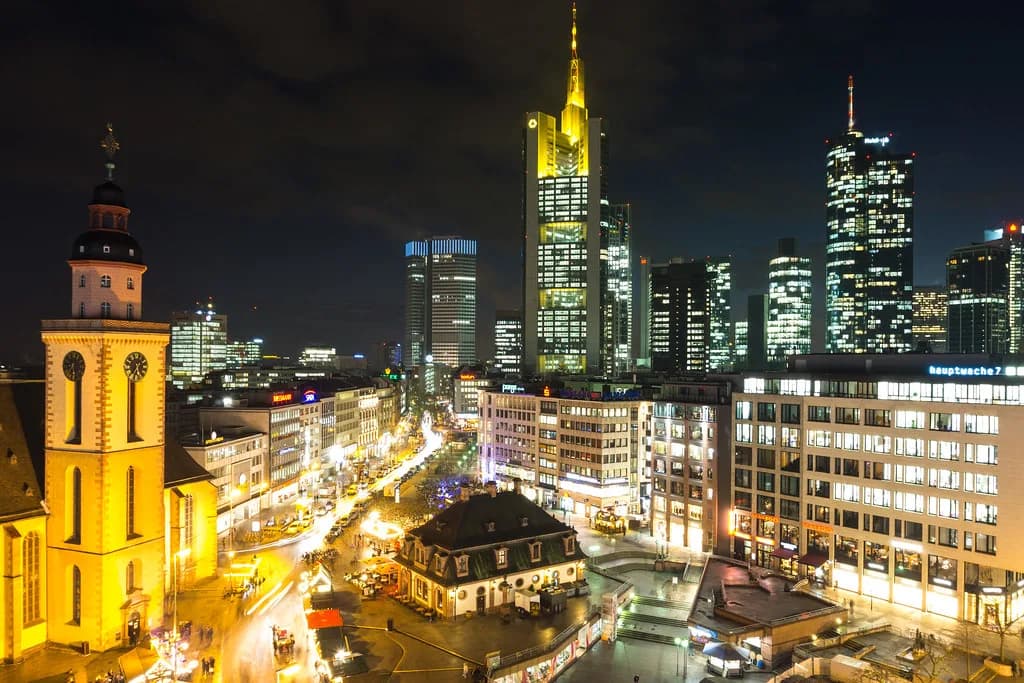
Visitors often feel surprised by the mix of ancient stones and 21st-century craftsmanship in the Dom-Römer Quarter. Planning your visit ensures you catch the best views of the iconic skyline from the riverbank.
Many travelers find that starting with the best things to do in Frankfurt provides a great foundation for their trip. Let us explore the timber-framed houses and hidden courtyards that make this city unique.
Why Is It Called the “New” Old Town?
The term "New Old Town" refers to the massive Dom-Römer reconstruction project completed in 2018. This ambitious plan rebuilt 35 houses between the Cathedral and the Römerberg to restore the city's pre-war soul. Architects used historical records to ensure every detail felt authentic to the original medieval layout.

Designers carefully chose which buildings would be faithful replicas and which would be modern interpretations. You can spot the difference by looking at the materials used in the upper floors and facades. The project successfully brought back the dense urban fabric that defined Frankfurt for centuries.
Look closely at the ground levels to see original 14th-century stones incorporated into new walls. These ancient fragments, known as spolia, serve as a bridge between the past and present. This creative reconstruction makes the area feel lived-in rather than like a sterile museum exhibit.
Strolling through the Hühnermarkt allows you to appreciate the scale of this architectural achievement. The square feels intimate and bustling, just as it did before the destruction of the 1940s. It is a rare example of a city choosing to reclaim its lost heritage through high-quality design.
The History and Architecture of Römerberg Square
Römerberg Square has served as the center of Frankfurt’s public life since the 9th century. It hosted royal coronations, trade fairs, and even public executions throughout the Middle Ages. Today, the square remains the most photographed spot in the city for its striking contrasts.
The Römer, or Town Hall, consists of three gabled buildings that have housed the city administration for over 600 years. Its distinctive pink sandstone facade is an iconic symbol of Frankfurt’s political history. You can learn more about its role in the Visit Frankfurt POI Guide which details the building's interior treasures.
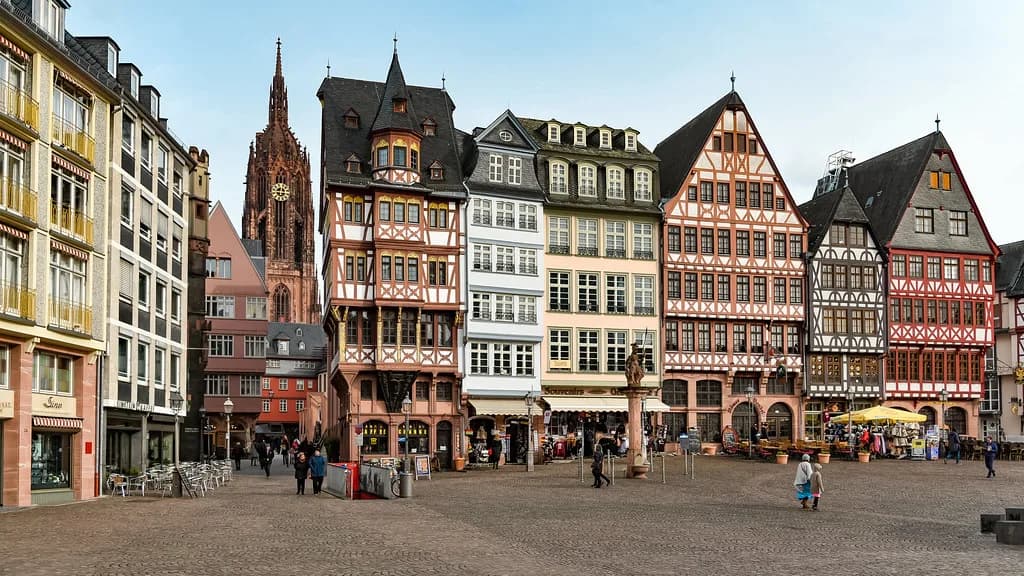
Opposite the Town Hall stands the Ostzeile, a row of six picturesque half-timbered houses. These buildings represent the classic German architectural style that many tourists expect to find in Europe. Although they were rebuilt in the 1980s, they follow the exact designs of the original 15th-century structures.
The Fountain of Justice stands proudly in the center of the square, featuring a statue of Lady Justice. Interestingly, she does not wear a blindfold, which was a common artistic choice in the late 16th century. This detail suggests that justice in Frankfurt was always meant to be wide-eyed and vigilant.
Top Attractions in the Frankfurt Old Town (Walking Order)
Following a logical walking route helps you see the most important landmarks without wasting energy. Start your journey at the main train station and head toward the historic core. Understanding the Frankfurt public transport guide will help you reach the starting point quickly.
Most visitors prefer to walk from the station through the modern banking district to see the contrast in scales. The transition from glass skyscrapers to timber-framed houses is one of the city's most unique features. This path leads you directly to the peaceful atmosphere of the Old Town.
The route concludes at the river, providing a perfect spot to rest after your exploration. Afternoon light is particularly beautiful for photography along the water's edge. You can finish your tour with a scenic walk across the famous Iron Bridge.
Plan for at least three hours to complete this walk if you intend to stop for photos. Each landmark offers deep historical context that deserves a few minutes of your attention. Keeping this order ensures you move from the busiest areas to the most scenic vistas.
- Paulskirche (St. Paul's Church)
- Significance: Birthplace of German democracy
- Entry: Free for all visitors
- Highlight: Large mural inside
- Timing: 15-20 minutes
- The Römerberg Square
- Focus: Central hub of history
- Best for: Iconic photography
- Key sight: Town Hall facade
- Activity: People watching
- The Hühnermarkt Square
- Style: Reconstructed medieval charm
- Atmosphere: Cozy and quiet
- Feature: Stoltze Museum nearby
- Tip: Look for old stones
- Frankfurt Cathedral (Kaiserdom)
- History: Imperial coronation site
- Tower climb: €3-5 per person
- Height: 95 meter views
- Condition: Active religious site
- Eiserner Steg (Iron Bridge)
- Views: Skyline and river
- Tradition: Love locks on rails
- Photo tip: Golden hour lighting
- Access: Pedestrian only
| Stop | Highlight | Entry / Time |
|---|---|---|
| Paulskirche (St. Paul's Church) | Birthplace of German democracy; large interior mural | Free; 15-20 min |
| Römerberg Square | Central historic hub; Town Hall facade | Free; people watching |
| Hühnermarkt Square | Reconstructed medieval charm; Stoltze Museum nearby | Free; cozy and quiet |
| Frankfurt Cathedral (Kaiserdom) | Imperial coronation site; 95-meter tower views | Tower climb €3-5 |
| Eiserner Steg (Iron Bridge) | Skyline and river views; love locks on rails | Pedestrian only; golden hour |
Museums, Art, and Culture in the Historic Center
The Old Town is home to some of Germany's most respected cultural institutions. You can easily spend an entire afternoon hopping between galleries and historical exhibits. Many of these sites are located just steps away from the central square.
For a deep dive into the city's past, visit the Historical Museum Frankfurt near the river. This museum offers interactive displays that explain how the city grew from a medieval trading post to a financial giant. It is particularly well-suited for families with children due to its engaging layout.
Art lovers should not miss the Schirn Kunsthalle, which hosts world-class temporary exhibitions. The building itself is a modern architectural marvel that cuts through the historic district. It provides a sharp, contemporary contrast to the surrounding traditional houses.
History buffs will appreciate the Frankfurt Archaeological Museum located in a former monastery. It houses artifacts from the Roman era and the early settlement of the Main River valley. The quiet cloisters offer a peaceful escape from the bustling tourist crowds outside.
Parks, Gardens, and Outdoor Spots Near the Main River
The Main River promenade acts as Frankfurt's communal backyard and offers refreshing green space. Locals gather here on sunny days to walk, cycle, or enjoy a picnic by the water. It provides a natural boundary to the Old Town that enhances the area's beauty.
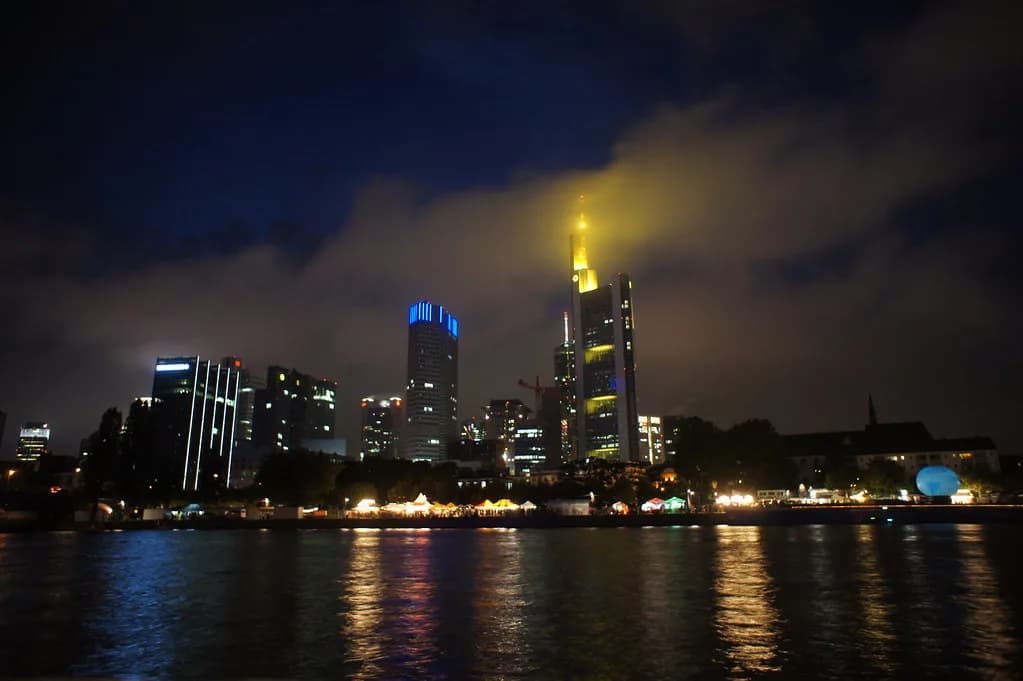
Walking across the Eiserner Steg gives you the most famous view of the city's skyline. For the best photos, aim to be on the bridge about thirty minutes before sunset. The light reflects off the glass towers of the financial district and the red stone of the Cathedral.
Small gardens are tucked away between the reconstructed houses of the Dom-Römer Quarter. These courtyards offer a quiet place to sit and admire the intricate woodwork of the buildings. They are often overlooked by tourists who stay on the main thoroughfares.
The riverbanks are also home to various seasonal events and small pop-up cafes. You can find boat tours departing from the docks near the Iron Bridge throughout the day. These cruises offer a different perspective on the historic district from the water.
Dining and Shopping: Local Flavors at Römerberg
Sampling local specialties is an essential part of any frankfurt old town and romerberg guide. The area around the square is famous for its traditional taverns and cozy cafes. You should look for menus featuring "Grie Soß" (green sauce) and local sausages.
Apple wine, known locally as Ebbelwoi, is the most popular drink in the region. It is traditionally served in a blue-grey stoneware jug called a Bembel. For a true local experience, order it "sauer gespritzt," which means mixed with sparkling mineral water as detailed in the Frankfurt apple wine guide.
Shopping in the Old Town focuses on high-quality crafts and unique souvenirs. You can find shops selling handmade ceramics, traditional toys, and local mustard. These items offer a more authentic alternative to the mass-produced goods found on the main shopping streets.
Avoid the most crowded restaurants directly on the Römerberg if you want a quieter meal. Just one block away in the New Old Town, you will find smaller bistros with excellent food. These spots often provide a better value and a more relaxed atmosphere for lunch.
Family-Friendly and Budget-Friendly Options in Frankfurt
Exploring the Old Town does not have to be expensive for families or solo travelers. Many of the most impressive sights, like the exterior of the Römer and the Cathedral, are free to view. You can find more free things to do in Frankfurt to keep your budget in check.
Children often enjoy the "Stoltze Museum" which features a mechanical theater and interactive elements. The narrow streets of the Dom-Römer Quarter also feel like a giant playground for younger visitors. The lack of car traffic in the central core makes it a safe place for families to wander.
For a cheap and delicious snack, visit one of the local bakeries for a piece of Frankfurter Kranz cake. This crown-shaped cake is a local specialty topped with brittle and cherries. It is a filling treat that costs much less than a full sit-down meal.
Public restrooms and water fountains are available throughout the historic center for convenience. Most museums offer discounted family tickets that make cultural visits more affordable. Planning your route to include these stops helps keep everyone happy and hydrated.
Seasonal Activity: Visit the Christmas Market
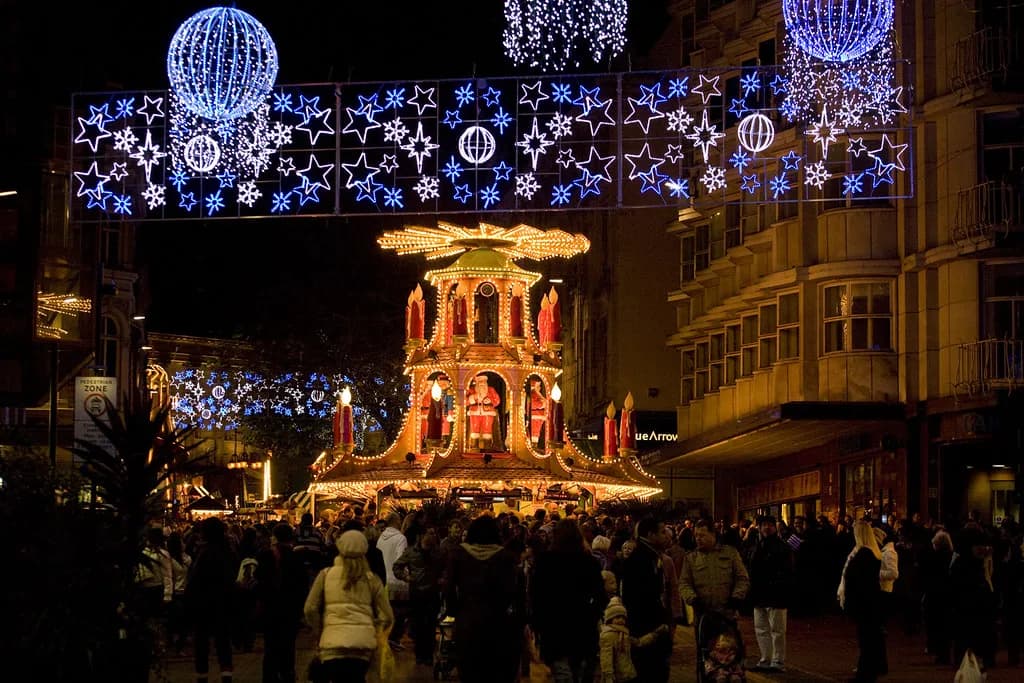
The Frankfurt Christmas Market is one of the oldest and largest in Germany. In 2026, the market is expected to run from late November until December 22. The Römerberg serves as the magical centerpiece for hundreds of illuminated wooden stalls.
Visitors can enjoy traditional treats like Bethmännchen, which are marzipan cookies decorated with almonds. The scent of roasted chestnuts and mulled wine fills the air throughout the historic district. It is a sensory experience that defines the winter season in the city.
A giant Christmas tree stands in front of the Römer, often reaching heights of over 30 meters. Local choirs perform carols on the balcony of the Town Hall during the weekends. You can find more details in the Frankfurt Christmas market guide to plan your timing.
The market can become very crowded on Saturday evenings, so consider visiting on a weekday morning. This allows you to browse the handmade ornaments and crafts at a much slower pace. Early visits also mean shorter lines for the popular food stalls.
The Christmas Market gets very crowded on Saturday evenings. Visit on a weekday morning for shorter food-stall lines and a slower pace.
How to Plan a Smooth Frankfurt Attractions Day
Successful trips start with good timing and the right tools for navigation. Arriving at the Römerberg before 10:00 AM allows you to see the square before the largest tour groups arrive. This early start also gives you the best chance for clear photos of the architecture.
Arrive at the Römerberg before 10:00 AM to beat the largest tour groups and get clear photos of the square's architecture.
Consider purchasing a Frankfurt Card to save money on museum entries and public transport. This pass provides unlimited travel within the city zones and significant discounts at major attractions. It pays for itself if you plan to visit at least two museums in one day.
Most shops in the Old Town are closed on Sundays, but museums and restaurants remain open. Plan your souvenir shopping for earlier in the week to avoid disappointment. Sunday is actually a great day for photography as the streets are often quieter.
Keep a digital map handy, but do not be afraid to put your phone away and get lost. The Old Town is small enough that you will eventually find your way back to the river or the square. Some of the best discoveries are made when you wander off the main tourist path.
Frequently Asked Questions
What is the best time to visit Römerberg?
The best time to visit Römerberg is early morning or late afternoon to avoid the largest crowds. Weekdays are generally quieter than weekends. If you want to experience the local culture, visit during the Christmas market or the Main Festival in summer.
How do I get to the Old Town from Frankfurt Central Station?
You can take the U-Bahn lines U4 or U5 from the Central Station directly to the "Dom/Römer" stop. The journey takes less than five minutes. Alternatively, a 15-minute walk through the city center offers great views of the skyline.
Is the Frankfurt Old Town worth visiting?
Yes, the Old Town is absolutely worth visiting for its unique blend of history and modern reconstruction. It offers a glimpse into Frankfurt's medieval past that was almost entirely lost. You will find some of the best restaurants in Frankfurt tucked away in its historic alleys.
What are the must-see buildings in the Dom-Römer Quarter?
Must-see buildings include the "Goldene Waage" for its ornate facade and the "Rotes Haus" for its historical significance. The Hühnermarkt square is the heart of the quarter and features the Stoltze monument. Each house has a unique story and architectural style.
The Frankfurt Old Town offers a perfect blend of historical reverence and modern urban planning. Walking through the Römerberg and the Dom-Römer Quarter allows you to connect with the city's long and complex story.
From the towering Cathedral to the cozy apple wine taverns, there is something for every traveler to enjoy. We hope this guide helps you discover the hidden gems and iconic sights of this beautiful district.
Take your time to soak in the atmosphere and appreciate the craftsmanship that brought this area back to life. Your visit to Frankfurt's historic heart will surely be a highlight of your German adventure.
You might also like
Continue reading
More guides you'll find useful